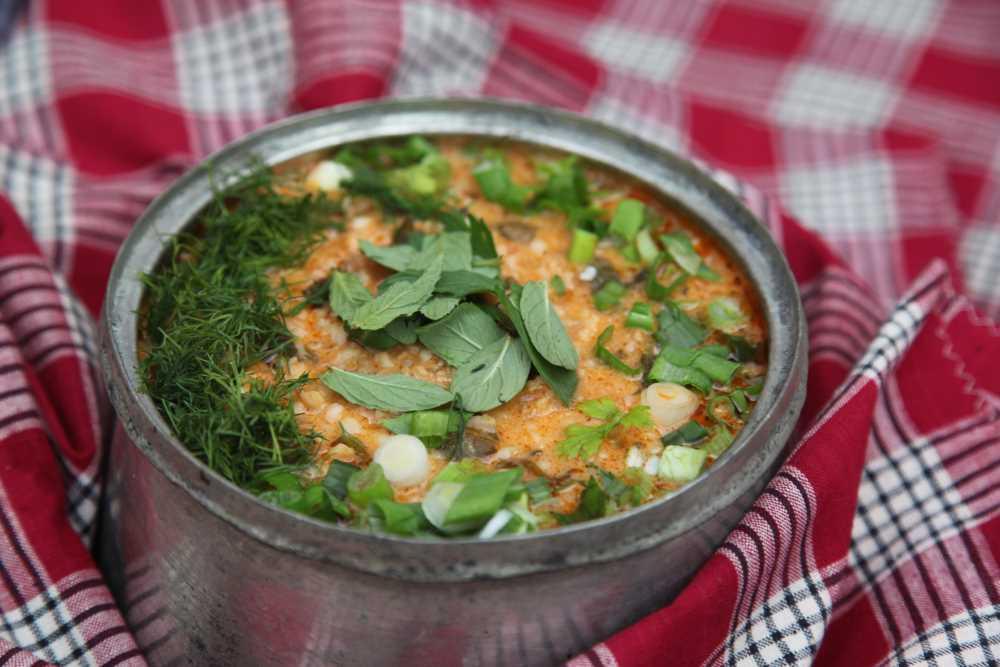
This article was automatically translated from the original Turkish version.
Registration Number | 892 | ||||||||
|---|---|---|---|---|---|---|---|---|---|
Registration Date | 17 September 2021 | ||||||||
Applicant/Registrant(s) | İhsangazi Municipality | ||||||||
Product / Product Group(s) | Pilaf / Dishes and Soups | ||||||||
Application Date | 20 January 2020 | ||||||||
Type of Geographical Indication | Mahreç Sign | ||||||||
Geographical Boundary | Kastamonu Province İhsangazi District | ||||||||
Ihsangazi Ekşili Pilavı is a traditional rice dish unique to the Kastamonu province in Türkiye’s Western Black Sea Region, reflecting the historical culinary heritage of the area and closely associated particularly with the district of Ihsangazi.
This dish is prepared by combining rice, green lentils, and naturally fermented ingredients locally known as “ekşi.” It holds an important place within Kastamonu’s intangible cultural heritage, being consumed not only in daily meals but also at communal gatherings and special occasions.
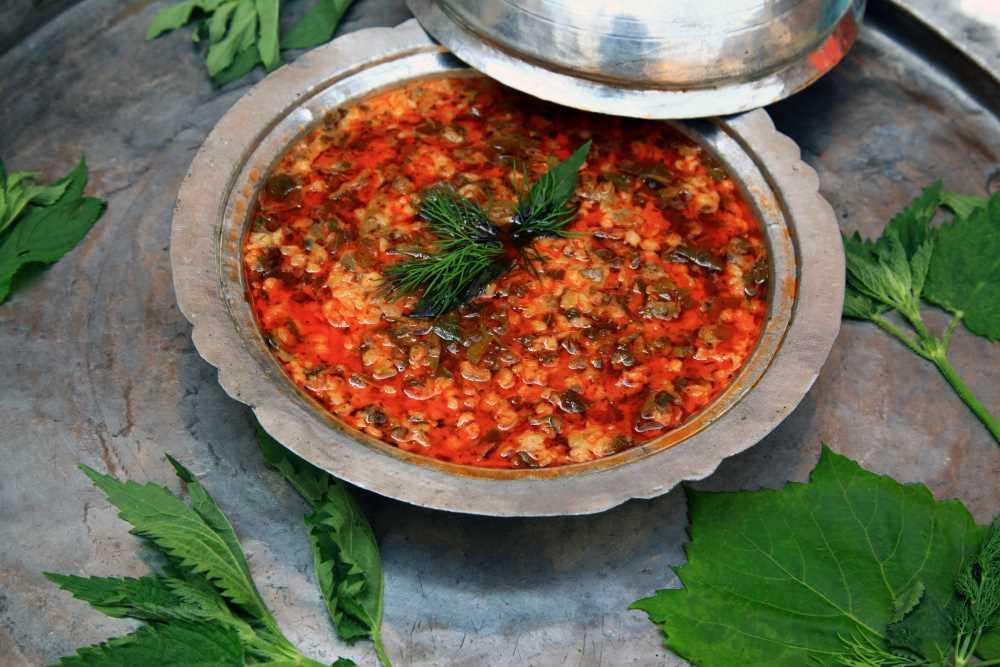
Ihsangazi Ekşili Pilavı (Culture Portal)
The origins of Ihsangazi Ekşili Pilavı are directly linked to the region’s agricultural production structure and climatic conditions. The widespread cultivation of lentils and rice in Kastamonu and its surroundings has led to the frequent combination of these two staple ingredients in traditional cuisine.【1】
The distinctive sour flavor of the dish emerged in historical periods when modern storage methods such as refrigerators were unavailable. It resulted from the culinary use of foods preserved through natural fermentation.
Over time, Ekşili Pilavı developed a unique preparation and cooking tradition especially in the district of Ihsangazi, becoming one of the symbols of local identity.
The main components of Ihsangazi Ekşili Pilavı are rice and green lentils. The characteristic sour taste is achieved by adding a liquid derived from traditionally prepared, naturally fermented products such as fermented dough or similar local substances to the dish.
In preparation, the lentils are first boiled to soften them, while the rice is separately toasted before cooking. These two ingredients are then combined with the sour component to create the dish’s balanced flavor. This method ensures the dish is both nutritious and highly satiating.
Ekşili Pilavı is more than just a dish in Kastamonu cuisine; it is also an expression of communal sharing and solidarity culture.
Its frequent preparation at collective events such as weddings, mevlit ceremonies, holiday feasts, and village blessings has strengthened its place in social memory. In particular, within Ihsangazi, the dish is regarded by the local population as an identity-defining element, preserved and passed down through generations via traditional recipes.
The official recognition of Ihsangazi Ekşili Pilavı’s regional value has been achieved through geographical indication registration by the Turkish Patent and Trademark Office. The product registered under the name “Ihsangazi Ekşili Pilavı” is documented as having production and preparation methods uniquely tied to a specific geographical area.【2】
Geographical indication registration contributes to preserving the dish’s authentic qualities while also playing a significant role in promoting local cuisine and developing gastronomic tourism.
Today, Ihsangazi Ekşili Pilavı continues to be prepared in homes by the local population and is reaching broader audiences through events and gastronomy platforms that showcase regional cuisine. Its inclusion in culture- and tourism-focused digital publications and encyclopedic works demonstrates that this dish has become recognized not only regionally but also nationally as a distinctive flavor.
Culture Portal. "İhsangazi Ekşili Pilavı." Accessed January 17, 2026. https://www.kulturportali.gov.tr/turkiye/kastamonu/neyenir/ihsangazi-eksili-pilavi-1
Kastamonu Belediyesi. "Ekşili Pilav." Accessed January 17, 2026.
Teke, Tuğba. 2024. “Kastamonu Ekşili Pilavı.” *Türkiye Turizm Ansiklopedisi*. Accessed January 17, 2026. https://turkiyeturizmansiklopedisi.com/kastamonu-eksili-pilavi
Turk Patent and Trademark Office. "İhsangazi Ekşili Pilavı Coğrafi İşaret Tescil Belgesi." Accessed January 17, 2026. https://ci.turkpatent.gov.tr/Files/GeographicalSigns/0ee62cb7-ea3e-49e1-ab00-b4870b034526.pdf
Yeni Akit. “İhsangazi Ekşili Pilavı coğrafi işaretle tescillendi.” Accessed January 17, 2026.
[1]
Teke, Tuğba. “Kastamonu Ekşili Pilavı.” Türkiye Turizm Ansiklopedisi. 2024. Erişim tarihi: 24 Ocak 2026.
https://turkiyeturizmansiklopedisi.com/kastamonu-eksili-pilavi
[2]
Türk Patent ve Marka Kurumu. İhsangazi Ekşili Pilavı Coğrafi İşaret Tescil Belgesi. Erişim tarihi: 24 Ocak 2026.
https://ci.turkpatent.gov.tr/Files/GeographicalSigns/0ee62cb7-ea3e-49e1-ab00-b4870b034526.pdf

Registration Number | 892 | ||||||||
|---|---|---|---|---|---|---|---|---|---|
Registration Date | 17 September 2021 | ||||||||
Applicant/Registrant(s) | İhsangazi Municipality | ||||||||
Product / Product Group(s) | Pilaf / Dishes and Soups | ||||||||
Application Date | 20 January 2020 | ||||||||
Type of Geographical Indication | Mahreç Sign | ||||||||
Geographical Boundary | Kastamonu Province İhsangazi District | ||||||||
No Discussion Added Yet
Start discussion for "İhsangazi Ekşili Pilavı" article
History and Origins
Ingredients and Preparation Characteristics
Cultural and Social Significance
Geographical Indication and Registration Process
Ihsangazi Ekşili Pilavı Today