

`regional` Related Article Results
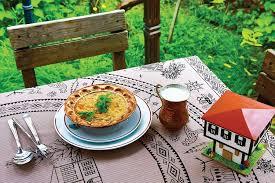
İhsangazi Ekşili Pilavı
Ihsangazi Ekşili Pilavı is a traditional rice dish unique to the Kastamonu province in Türkiye’s Western Black Sea Region, reflecting the historical culinary heritage of the area and closely associated particularly with the district of Ihsangazi. This dish is prepared by combining rice, green lentils, and naturally fermented ingredients locally known as “ekşi.” It holds an important place within Kastamonu’s intangible cultural heritage, being consumed not only in daily meals but also at communal
EN
Beyza Başar
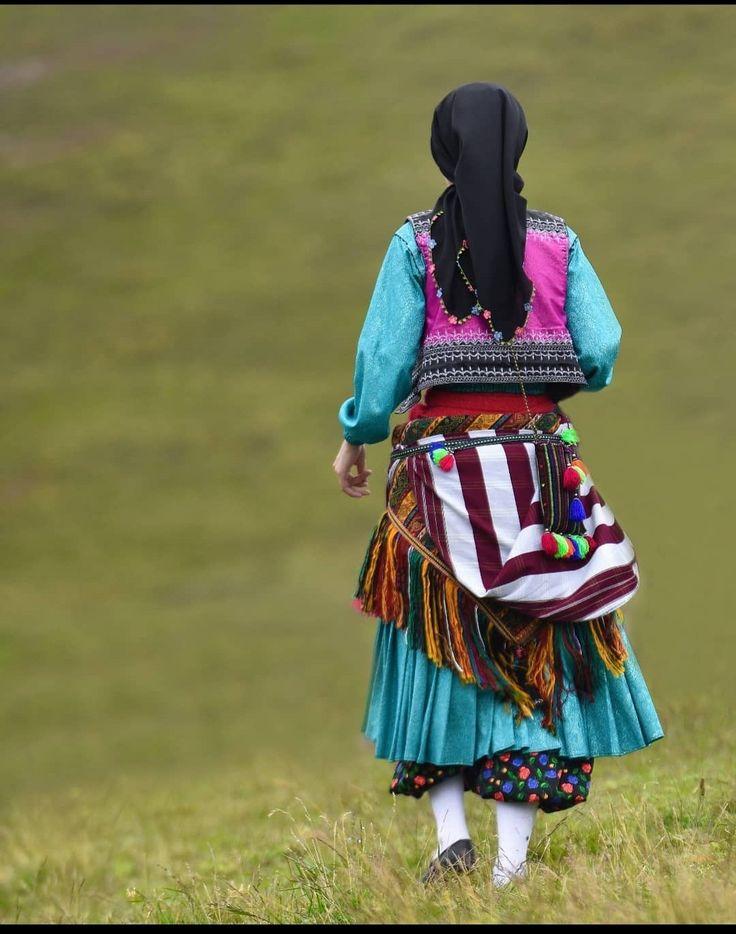
Ağasar / Şalpazarı Regional Clothing
Ağasar / Şalpazarı Regional Clothing refers to traditional garments worn by women in daily life in the Şalpazarı district of Trabzon Province, with a long historical tradition. These garments stand out as an intangible cultural heritage element that reflects Şalpazarı’s cultural identity, historical continuity, and social structure. In 2025, as a result of an application submitted by the Ağasar Folklore Research Youth and Sports Club Association, these garments were registered as a geographical
EN
Sabiha Meyra Şahinler
 ST
STSTRATEGY
From the perspective of Historical, the essence of strategy’s thought has always been the concept of war, and thus throughout history, foundational works have been written that describe various wars and examine how wars should be conducted. When examining the historical background of the forms, methods, and characteristics of strategy, it becomes evident that it originated to some extent in mythologies. In Scandinavian mythology, the prominent figure Odin embodies strategy through deception a
EN
Taşkın Dayangaç
STSTRATEGY
Historical perspective reveals that the very essence of the concept of strategy has always been the notion of war, and thus throughout history, foundational works on strategy have generally consisted of texts describing various wars and examining how they should be conducted. When examining the historical background of the formation, methods, and characteristics of strategy, it becomes evident that it originated largely from mythologies. In Scandinavian mythology, the prominent figure Odin embod
EN
Taşkın Dayangaç
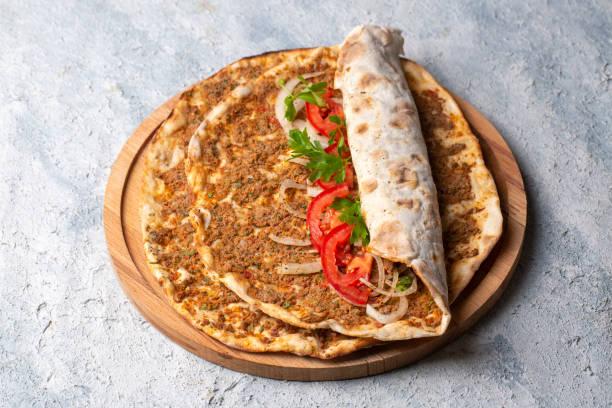
Lahmacun
Lahmacun is one of the beloved dishes of Middle Eastern and Mediterranean cuisine. It is prepared by spreading a mixture of minced meat, onion, parsley, garlic, tomato, pepper, and spices onto thinly rolled dough and baking it quickly in a high-temperature oven. Although known in Europe as “Turkish pizza,” the origin and preparation method of lahmacun distinguish it from other dough-based dishes. History of Lahmacun The history of lahmacun is believed to date back many centuries. Archaeological
EN
Abdulkadir Tamkoç
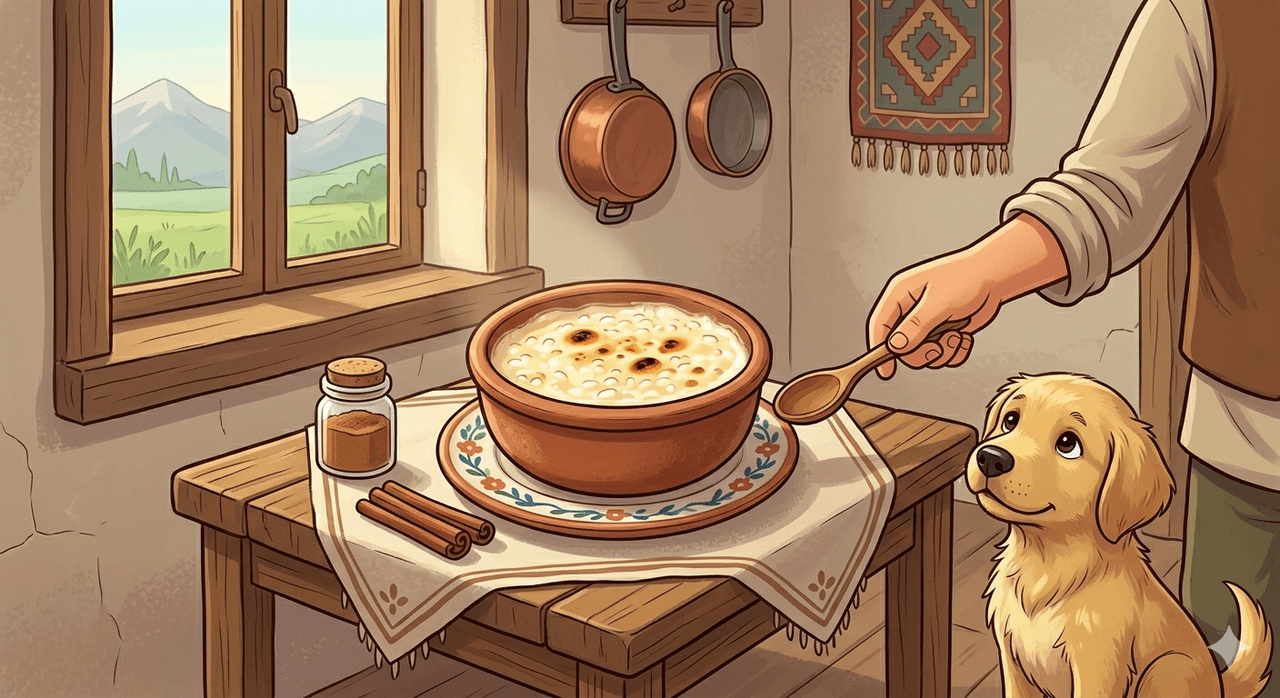
Rice pudding
Sütlaç is one of the most beloved desserts in Turkish cuisine, combining the pure white color of milk with the soft texture of rice. This light dessert, made from simple ingredients such as milk, rice, and sugar, refreshes the palate especially on hot summer days. Have you ever considered that this delicious treat has traveled a journey of thousands of years to reach our tables? How Is Sütlaç Made? Making sütlaç is truly a matter of patience. First, milk is poured into a pot and brought to a boi
EN
Samet Cemalettin ALKAN
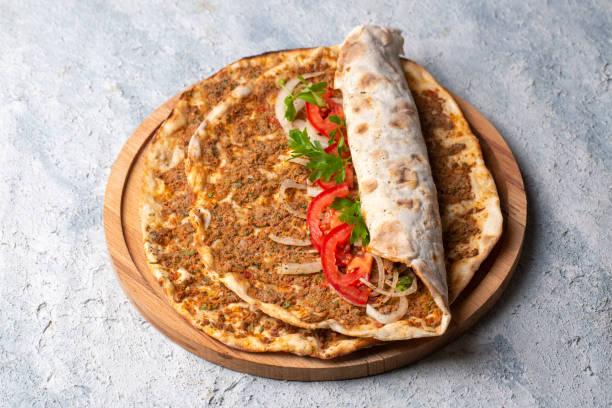
Lahmacun
Lahmacun is one of the beloved dishes of Middle Eastern and Mediterranean cuisine. It is prepared by spreading a mixture of minced meat, onion, parsley, garlic, tomato, pepper, and spices onto thinly rolled dough and baking it quickly in a high-temperature oven. Although referred to as “Turkish pizza” in Europe, the origin and preparation method of lahmacun distinguish it from other dough-based dishes. History of Lahmacun The history of lahmacun is believed to date back many centuries. Archaeolo
ENAbdulkadir Tamkoç
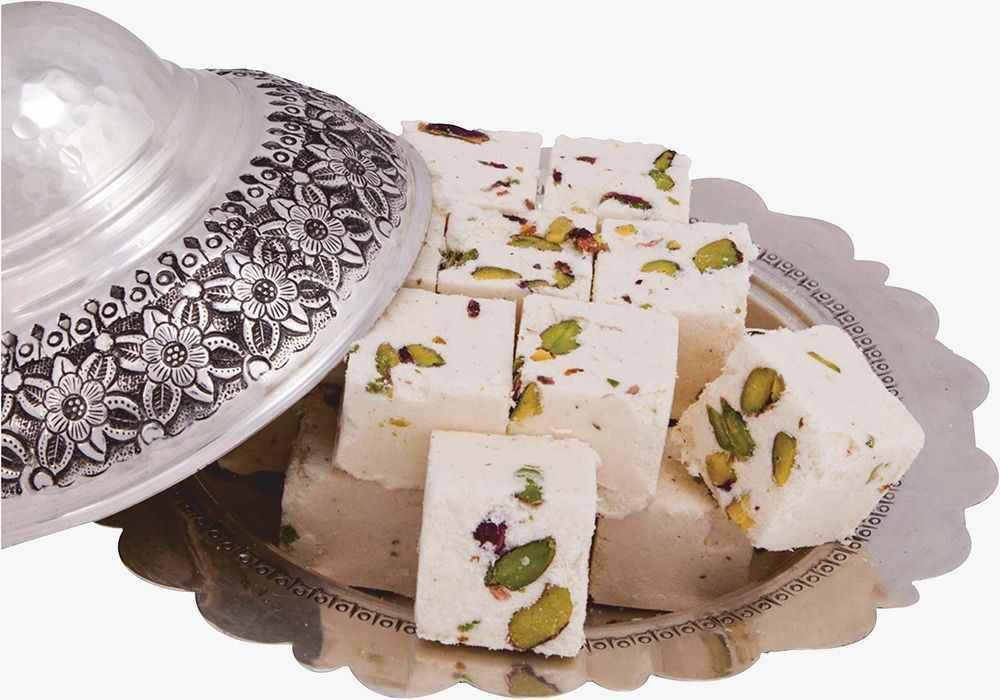
Pulling Halva
Çekme helva, a traditional Turkish dessert made by mixing flour, sugar, and butter using a special technique that stretches and pulls the mixture into fibrous strands. It is particularly associated with the Kastamonu region and is known for its texture that dissolves in the mouth. Çekme helva is one of Kastamonu’s most famous traditional desserts and has a deep historical roots. Historians note that its origins trace back to medieval Anatolia. The emergence of çekme helva dates to the Seljuk Tur
EN
Pervin Sürgüçoğlu
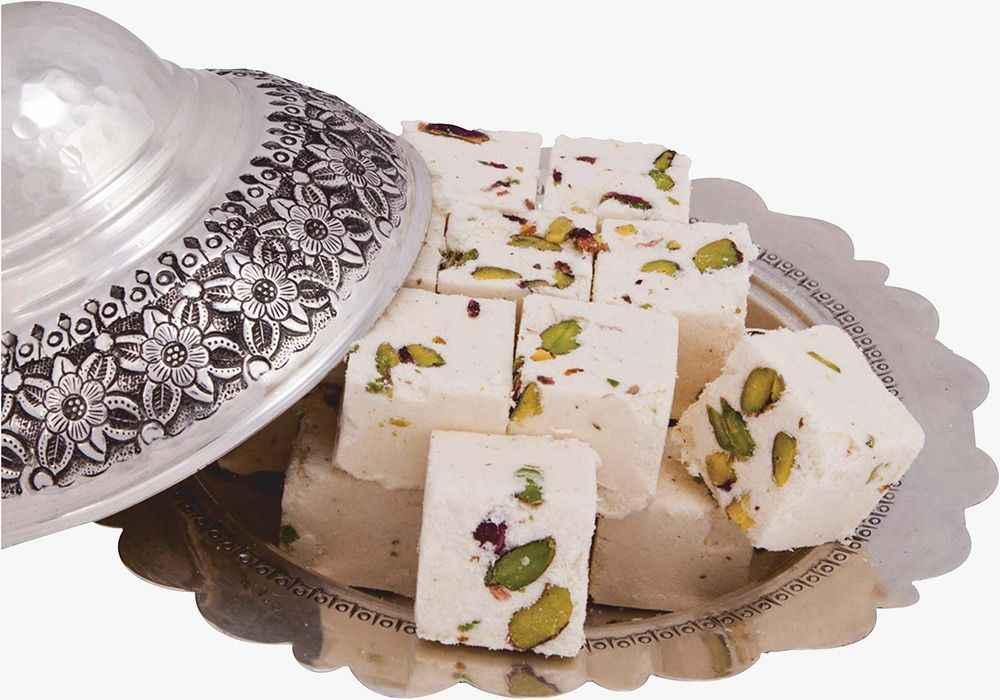
Chestnut Halva
Çekme helva is a traditional Turkish sweet made by mixing flour, sugar, and butter using a special technique to stretch and pull it into fibrous strands. It is typically associated with the Kastamonu region and is known for its melt-in-the-mouth texture. Çekme helva is one of Kastamonu’s most traditional sweets and has a deep historical roots. Historians note that its origins trace back to Central Era Anatolia. The emergence of çekme helva dates to the Seljuk Turkish period, when Turkish communi
EN
Pervin Sürgüçoğlu
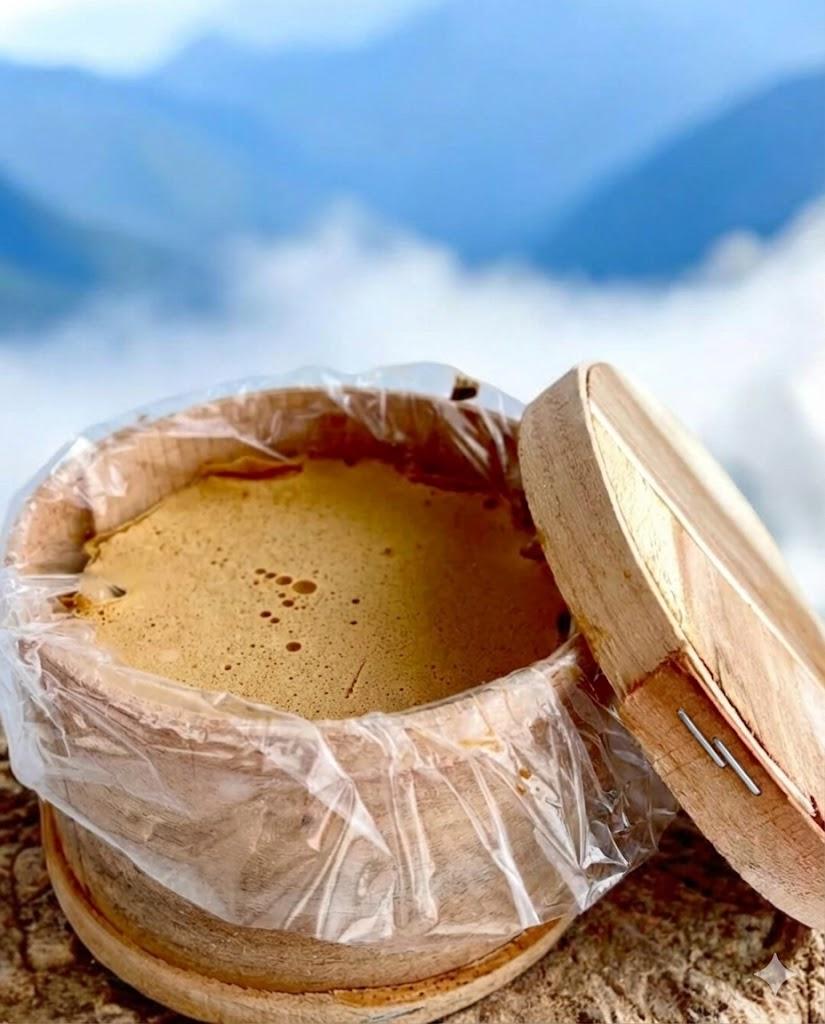
Tokat Zile Pekmezi
Tokat Zile Pekmezi is a traditional grape molasses produced in the Zile district of Tokat province using conventional methods. It is characterized by its white color and firm consistency. Distinctive in color, texture, and production technique compared to other grape molasses varieties, it is a defining element of the regional culinary culture. Geographical Distribution and Origin Zile pekmezi is closely associated with the Zile district of Tokat province in terms of both production and reputati
EN
Muhammet Ali Demir