


This article was automatically translated from the original Turkish version.
While walking among the stones of the historic Buda district of Budapest, in the ruins of the former Budin Castle, one can trace the legacy of one of the most dramatic endings in Ottoman history. Here, the memory of Abdurrahman Abdi Pasha, the last beylerbeyi of Budin, who lost his life defending the city during its fall, still lives on.
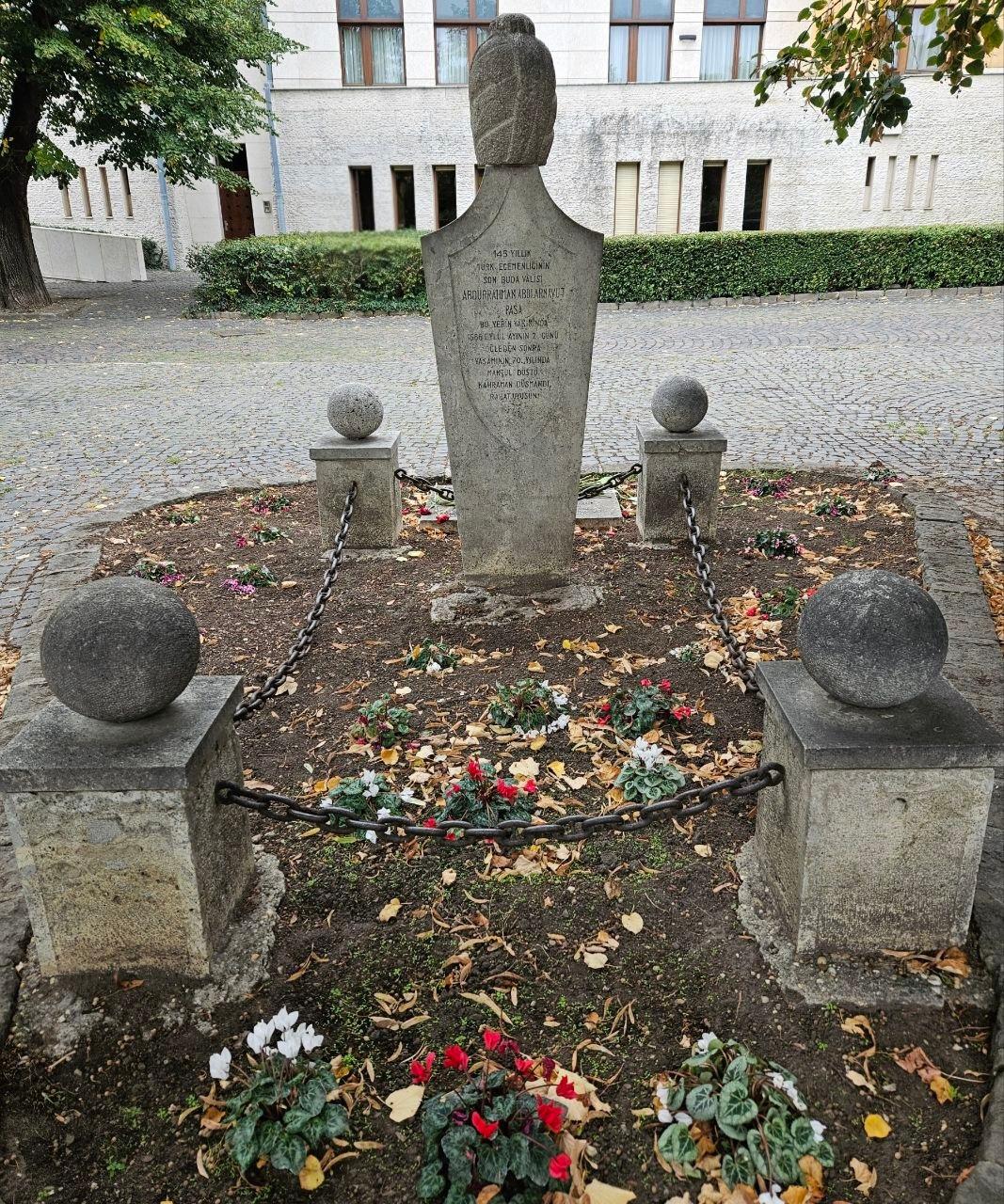
Abdurrahman Abdi Paşa Anıt Kitabesi (Fotoğraf: Meryem Şentürk Çoban)
What makes his story extraordinary is not merely that a statesman in his seventies fought until his final moment. The truly remarkable aspect is that centuries later, his descendants—the very grandchildren of those he fought against—remember him as a “heroic enemy.”
For this reason, the tombstone at Budin Castle is not merely a marker of an Ottoman pasha’s death, but a silent historical document that recalls the end of approximately one and a half centuries of Ottoman Budin.
Abdurrahman Abdi Pasha was a seasoned Ottoman military officer and statesman who rose through the ranks of the Janissary Corps. He held various posts before ultimately being appointed to Budin, one of the Ottoman Empire’s most important centers in Central Europe.
When he was reappointed as beylerbeyi of Budin in 1685, Ottoman control over Hungary had long since declined from its former strength. Following the failed 1683 siege of Vienna, the balance of power had shifted, and Ottoman strongholds in the region were under intense military pressure. Budin stood at the center of an impending reckoning.
In 1686, a large allied army under the command of Duke Charles of Lorraine arrived before Budin. Abdurrahman Abdi Pasha was forced to mount a long and grueling defense against an enemy force far superior in numbers. The siege began on 17 June 1686. The defenders of Budin held out for 78 days, until 2 September.【1】
As the siege of Budin progressed, the conflict ceased to be merely a battle between two armies. The fortress was pounded for days by heavy cannons and mortars. Ottoman attempts to relieve the city from outside were largely unsuccessful.
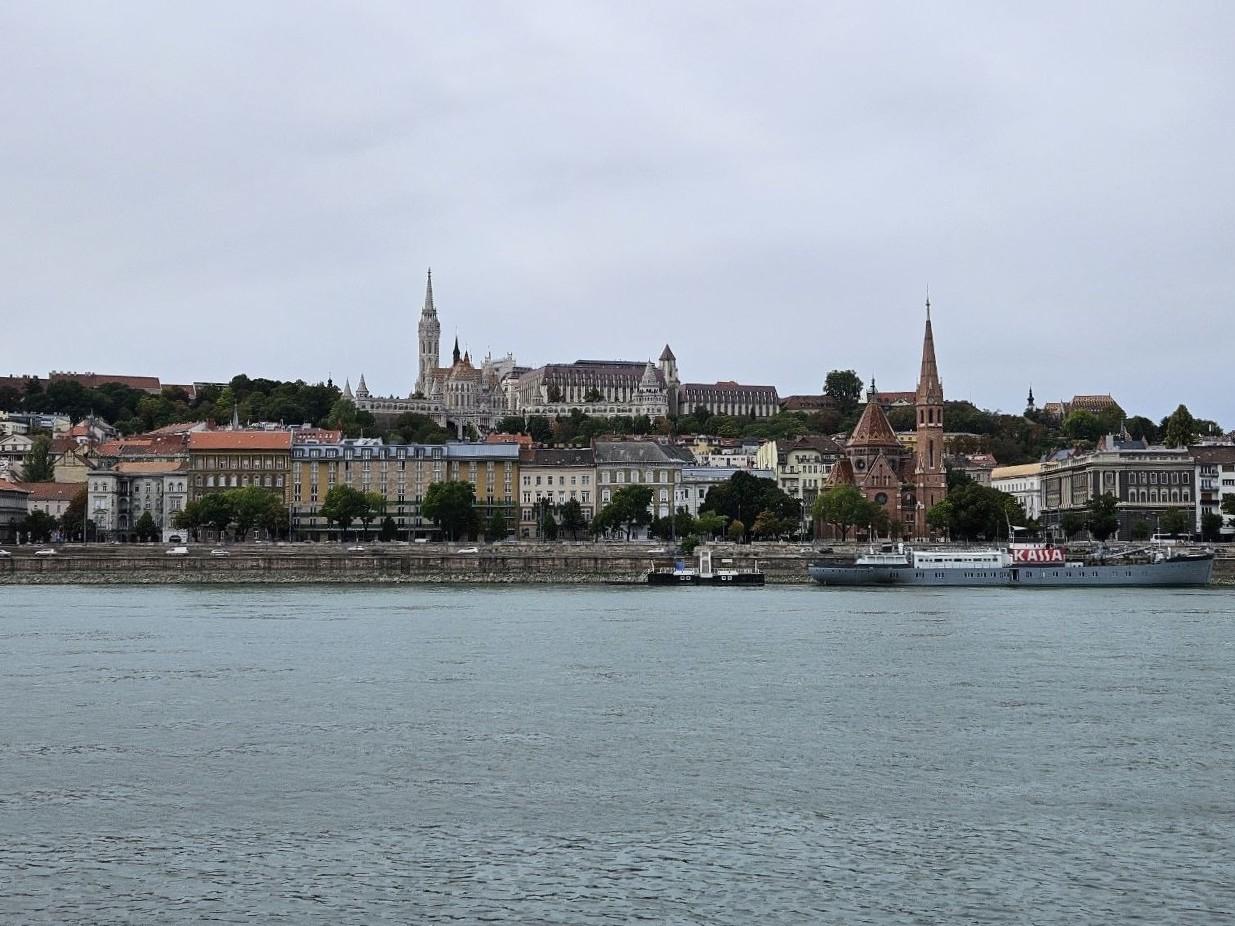
View of Buda Yakası from Peşte (Photo: Meryem Şentürk Çoban)
One of the greatest disasters of the siege was a massive explosion in the arsenal. The blast, which killed approximately 4,000 people, severely weakened the fortress’s defenses and created large breaches in the walls. Yet Abdurrahman Abdi Pasha refused to surrender. He continued the defense against the Austrians.【2】
The expected reinforcements from outside failed to reach the fortress in sufficient numbers. Most of the soldiers who attempted to break through the siege lines were killed. As the defending forces in Budin dwindled, the besieging army captured key strategic positions around the city.
Finally, after the fall of the Toprak Tower and the Frengi Tower, the attacking forces succeeded in entering the castle. But the battle was not yet over.
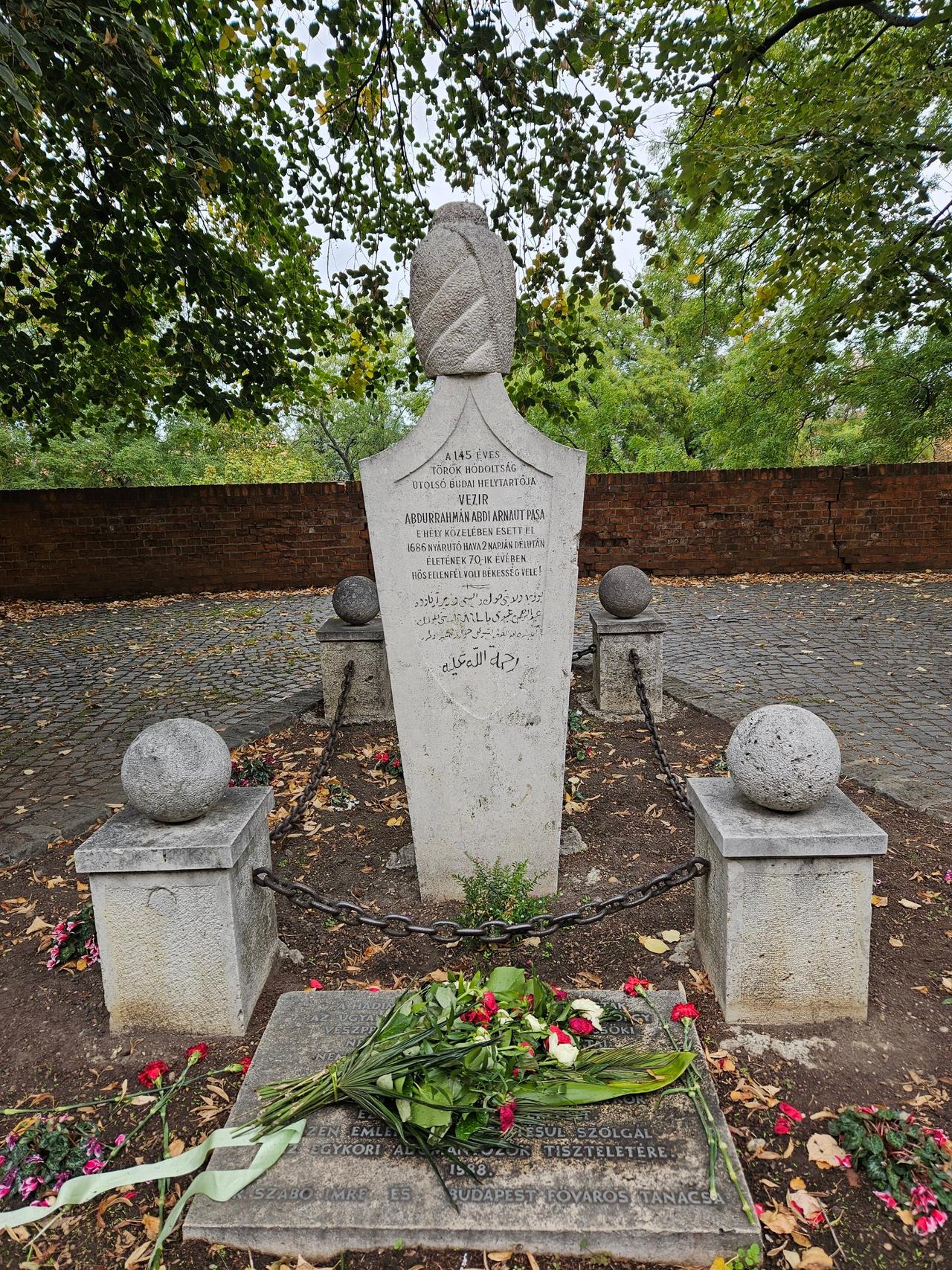
Abdurrahman Abdi Paşa Anıt Kitabesi (Fotoğraf: Meryem Şentürk Çoban)
One of the last strongholds of Abdurrahman Abdi Pasha and his soldiers was the Vienna Gate. Here, extremely fierce fighting took place, and many defenders lost their lives.
As enemy troops entered the city, the fighting moved into the streets. The defenders of Budin gradually withdrew toward the inner citadel, the Bali Pasha Square. Abdurrahman Abdi Pasha himself was among them during these final clashes.
And finally, this experienced soldier in the twilight of his life fell in battle while defending the city he was sworn to protect. After his martyrdom, the remaining defenders surrendered.
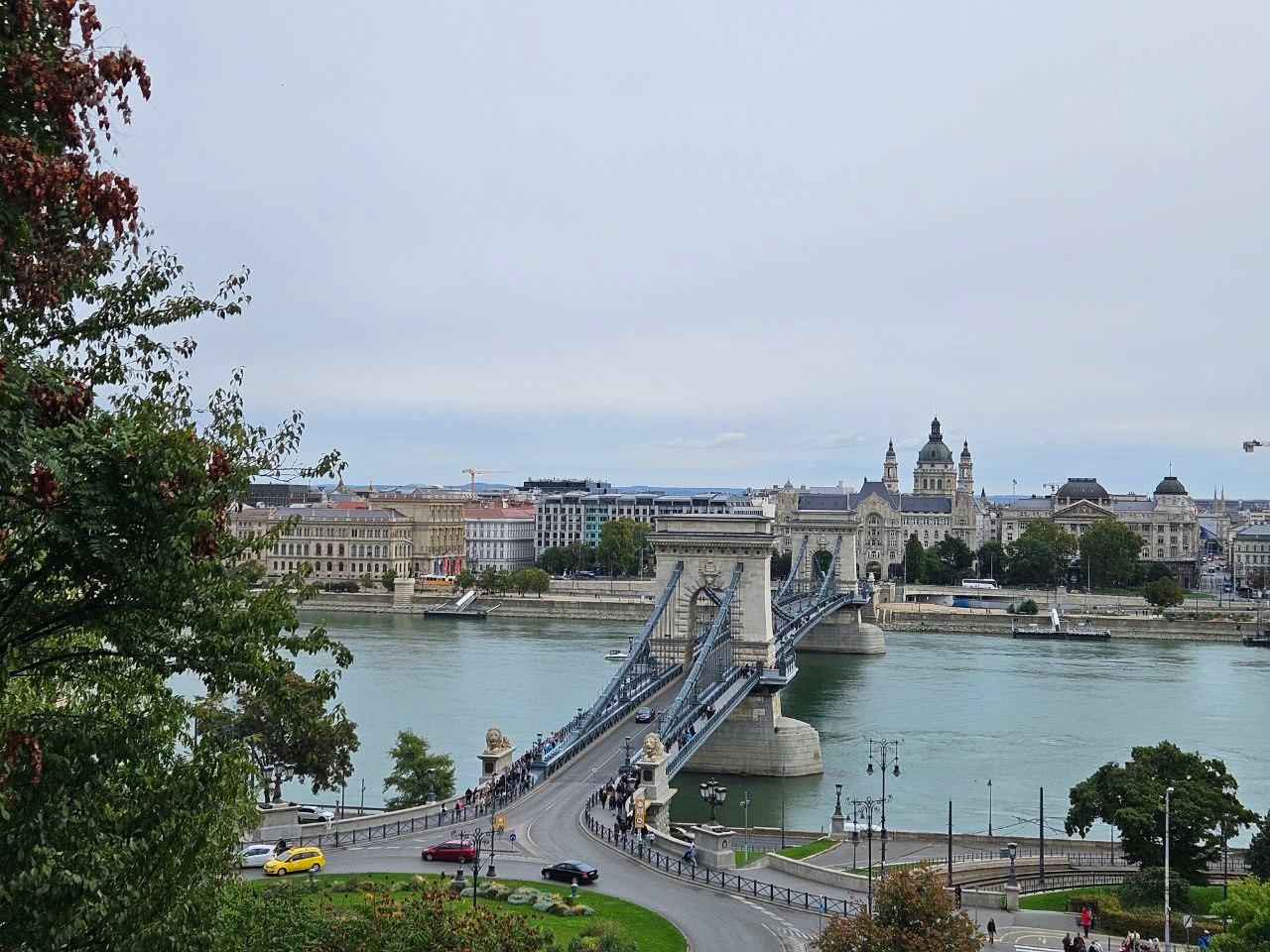
Tuna Nehri, Budapeşte (Fotoğraf: Meryem Şentürk Çoban)
Budin had been a major provincial center under direct Ottoman administration since 1541. Its fall in 1686 marked the end of approximately 145 years of Ottoman rule in the city.
At the time of his death, the pasha was around seventy years old. His body was left on the square for several days before being buried among the prisoners. The bodies of many other Ottoman soldiers were thrown into the Danube.【3】
Today, a tombstone stands in Budapest at the site where Abdurrahman Abdi Pasha fell in battle.
Perhaps the most poignant aspect of Abdurrahman Abdi Pasha’s story is the inscription that appeared long after his death.
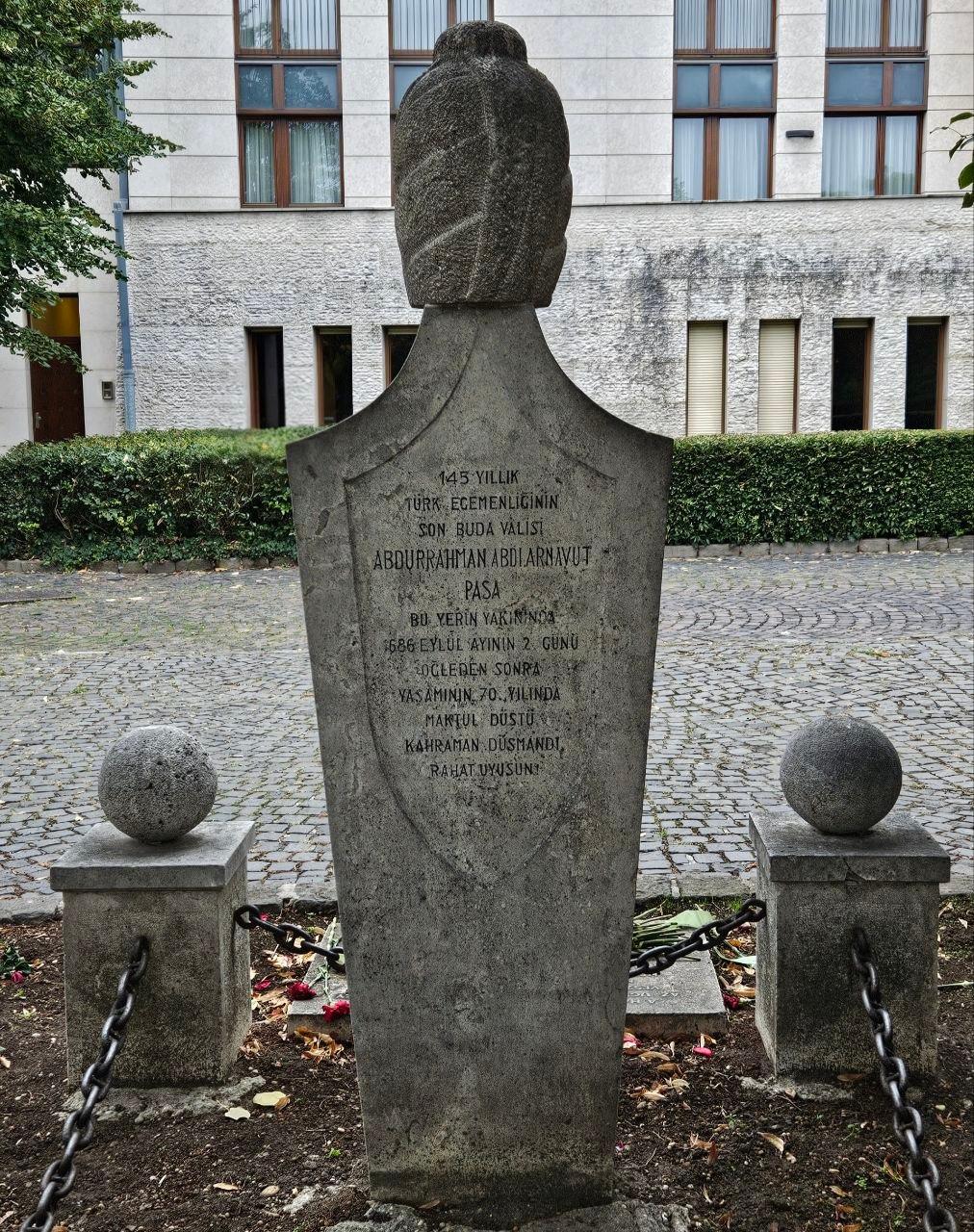
Abdurrahman Abdi Paşa Anıt Kitabesi (Fotoğraf: Meryem Şentürk Çoban)
A bilingual inscription in Turkish and Hungarian was erected at the site of his martyrdom. It reads:
“The last governor of Buda during 145 years of Turkish rule, Abdurrahman Abdi Arnavut Pasha, was killed near this spot on the second day of September 1686, in his seventieth year of life. He was a heroic enemy. Rest in peace.”
Today, the stone bearing Abdurrahman Abdi Pasha’s name in the ruins of the old Budin Castle stands at the very heart of a great historical rupture—the moment a city changed hands, an era closed, and two sides clashed in bitter war.
Abdurrahman Abdi Pasha died defending Budin; his body was buried days later. Yet centuries later, in the very country of those he fought against, he continues to be remembered as a “heroic enemy.”
David, Geza, and Semavi Eyice. "Budin." *TDV İslâm Ansiklopedisi*, Volume 6, Istanbul, 1992, pp. 348-352. Accessed July 15, 2026.https://islamansiklopedisi.org.tr/budin
Özcan, Abdülkadir. "Abdurrahman Abdi Paşa." *TDV İslâm Ansiklopedisi*, Volume 1, Istanbul, 1988, p. 156. Accessed July 15, 2026.https://islamansiklopedisi.org.tr/abdurrahman-abdi-pasa
Özcan, Abdülkadir. "Macarların Kahraman Düşmanı Son Budin Valisi Abdurrahman Abdi Paşa." FSM İlmi Araştırmalar İnsan ve Toplum Bilimleri Dergisi 5 (2015): 441-453. Accessed July 15, 2026.https://dergipark.org.tr/tr/pub/fsmia/article/85642
[1]
Abdülkadir Özcan, "Macarların Kahraman Düşmanı Son Budin Valisi Abdurrahman Abdi Paşa," FSM İlmi Araştırmalar İnsan ve Toplum Bilimleri Dergisi 5, (2015): s. 445, Erişim Tarihi: 15 Temmuz 2026, https://dergipark.org.tr/tr/pub/fsmia/article/85642
[2]
a.e., s. 445.
[3]
a.e., s. 447.
The Last Governor of Budin
Resistance of a City Under Siege
The Final Struggle at the Vienna Gate
“A Heroic Enemy, Rest in Peace”
