

`budapest` Related Article Results
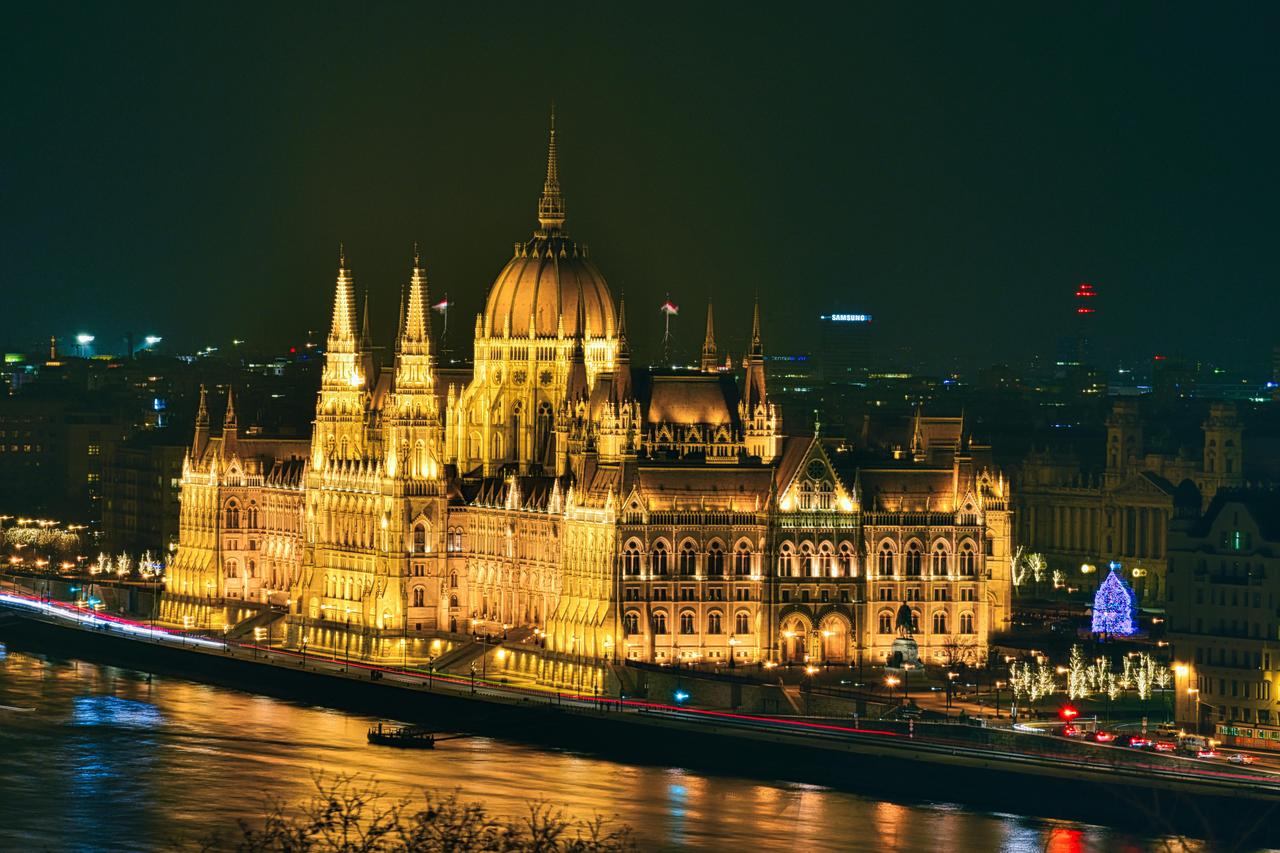
Hungarian Parliament Building (Országház)
The Parliament Building of Hungary (Országház), located on the Pest side of the Danube River in the capital city of Budapest, is the center of the country’s political life and one of Europe’s most significant architectural landmarks. History and Construction Process Construction of the Hungarian Parliament Building (Országház) began in 1885 and lasted exactly 17 years, with the structure completed and opened for use in 1902. The late 19th century was a period during which Hungary strengthened it
EN
Nursena Şahin
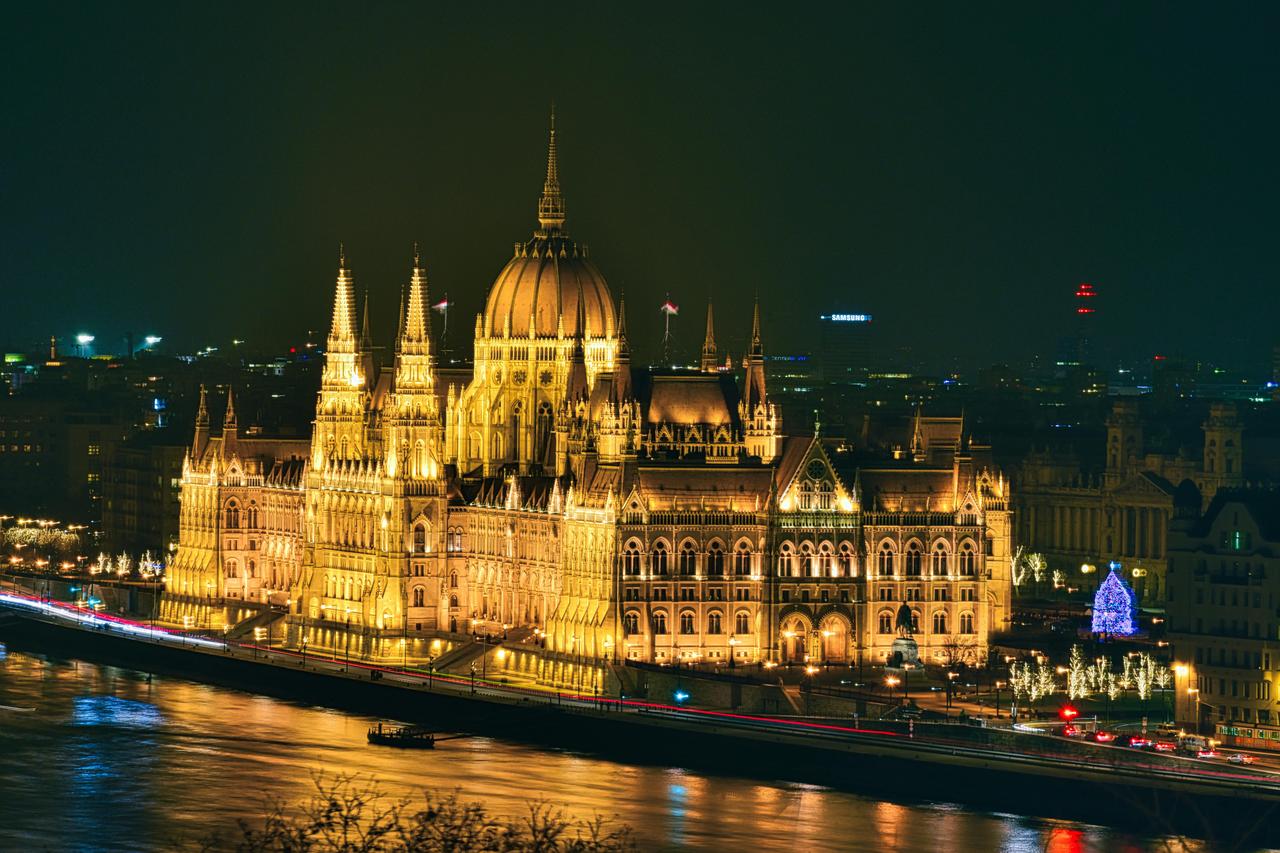
Hungarian Parliament Building (Országház)
The Hungarian Parliament Building (Országház), located on the Pest side of the Danube River in Budapest, is the center of Hungary’s political life and one of Europe’s most significant architectural landmarks. History and Construction Process Construction of the Hungarian Parliament Building (Országház) began in 1885. The building process lasted exactly 17 years and was completed and opened for use in 1902. The late 19th century was a period during which Hungary strengthened its autonomy within A
EN
Nursena Şahin

2026 UEFA Champions League Final: Paris Saint-Germain - Arsenal
The 2026 UEFA Champions League Final will be the match that concludes the 2025/26 season of the UEFA Champions League, European football’s most prestigious club competition. The final will be played on Saturday 30 May 2026 at the Puskás Aréna in Budapest, the capital of Hungary. The finalists are Paris Saint-Germain the champions of the 2024/25 season and Arsenal FC who are aiming to win the continent’s most prestigious trophy for the first time in their history. This encounter marks the 34th fi
EN
Burak Enes
 Gü
GüGül Baba Tekkesi
Gül Baba Türbesi is a significant classical Ottoman-era tekke and tomb complex located in the Buda district of Budapest, the capital of Hungary. Recognized as one of the symbols of Ottoman-Hungarian cultural heritage, the structure attracts attention through its architectural features and historical background. History Gül Baba is believed to have died during or immediately after the Ottoman conquest of Buda in 1541. The tomb was constructed between 1543 and 1548 by Yahyâ Paşazâde Mehmed Paşa, t
EN
Hüseyin Gürer
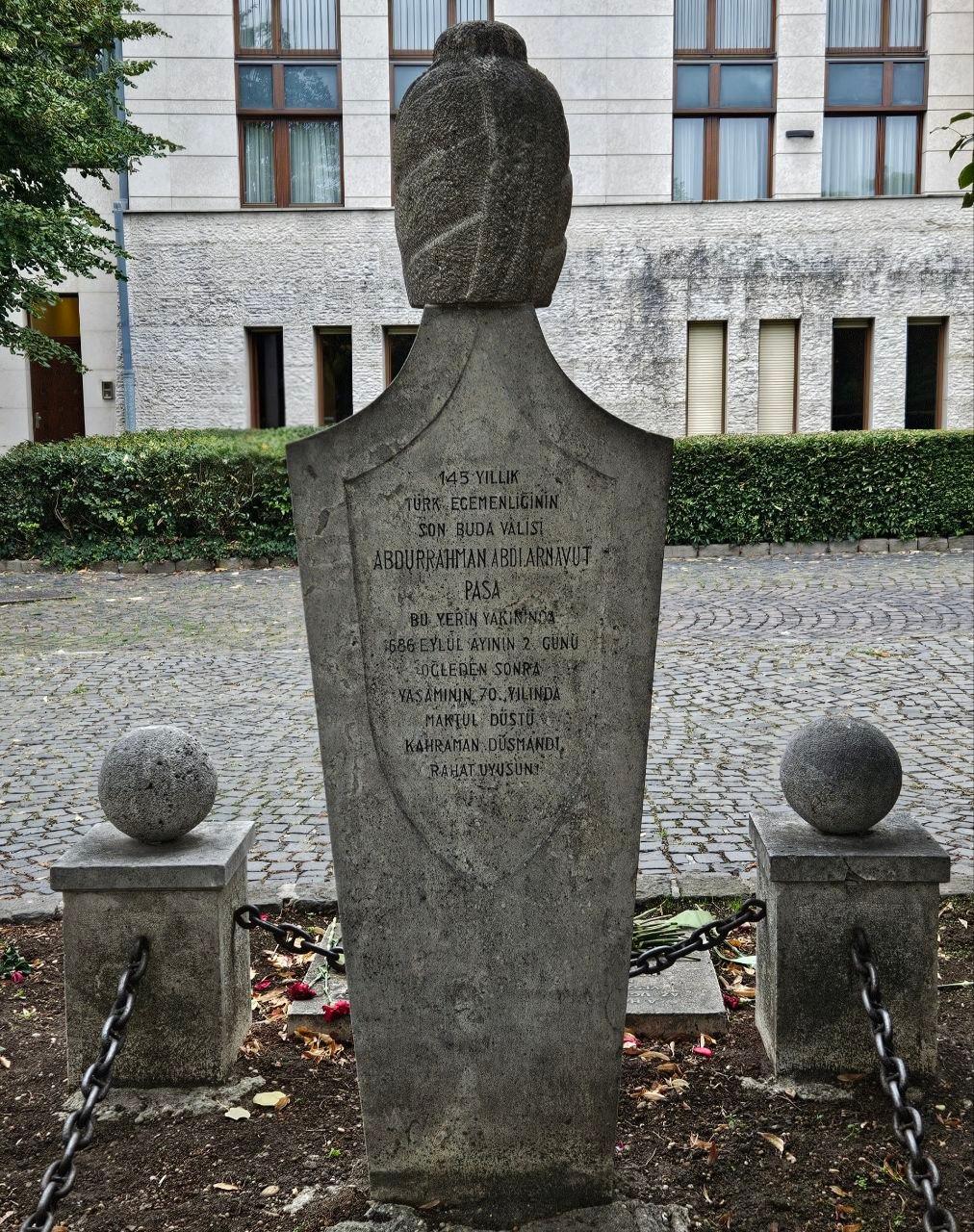
He was a heroic enemy; may he rest in peace
While walking among the stones of the historic Buda district of Budapest, in the ruins of the former Budin Castle, one can trace the legacy of one of the most dramatic endings in Ottoman history. Here, the memory of Abdurrahman Abdi Pasha, the last beylerbeyi of Budin, who lost his life defending the city during its fall, still lives on. What makes his story extraordinary is not merely that a statesman in his seventies fought until his final moment. The truly remarkable aspect is that centuries
EN
Meryem Şentürk Çoban
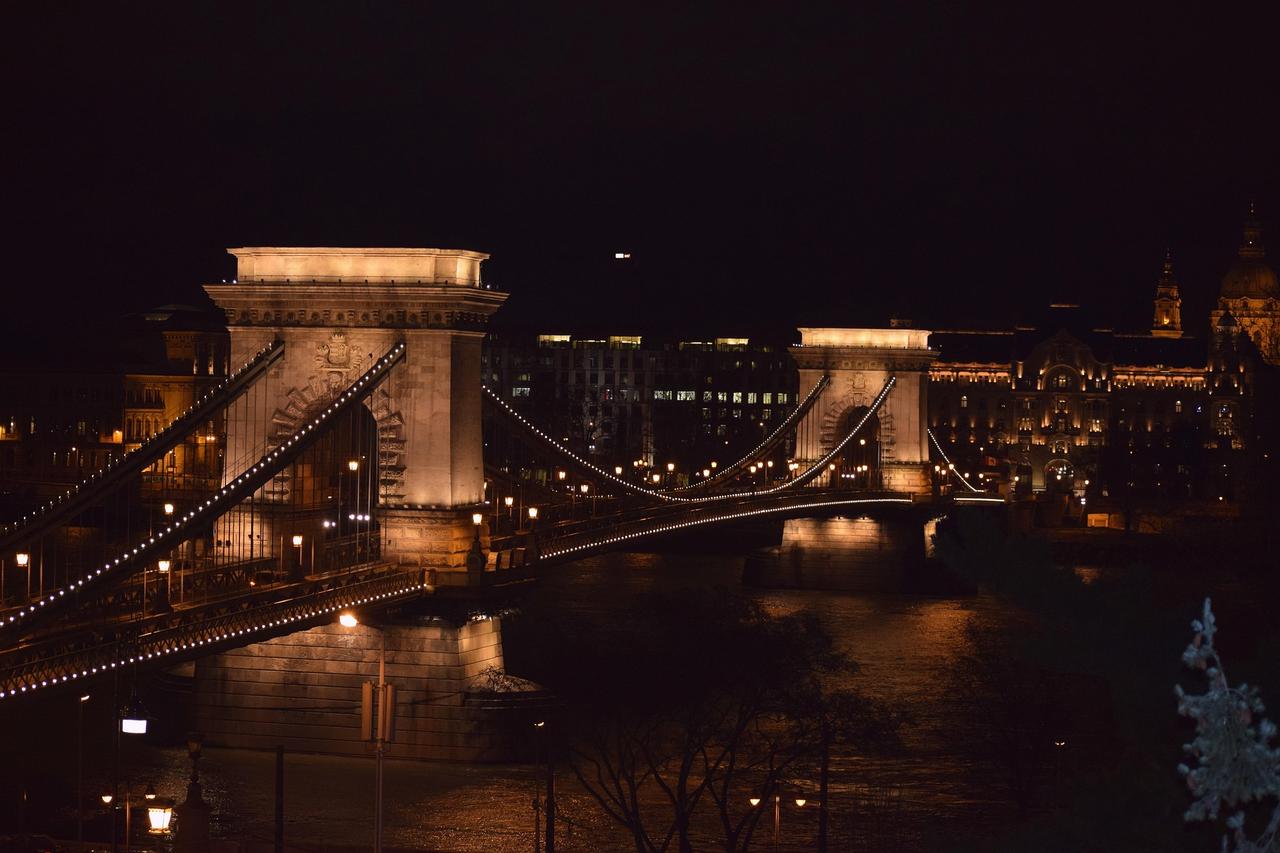
Széchenyi Chain Bridge
Széchenyi Chain Bridge, a suspension bridge spanning the Danube River in Budapest, the capital of Hungary, connecting the districts of Buda and Pest. The bridge was constructed between 1839 and 1849 and holds the distinction of being the first permanent bridge over the Danube River in Hungary. The structure was designed by British engineer William Tierney Clark, while the construction was overseen locally by Adam Clark. The bridge derives its name from István Széchenyi, one of its key supporters
EN
Fatmanur Mavibaş