


This article is not approved yet.
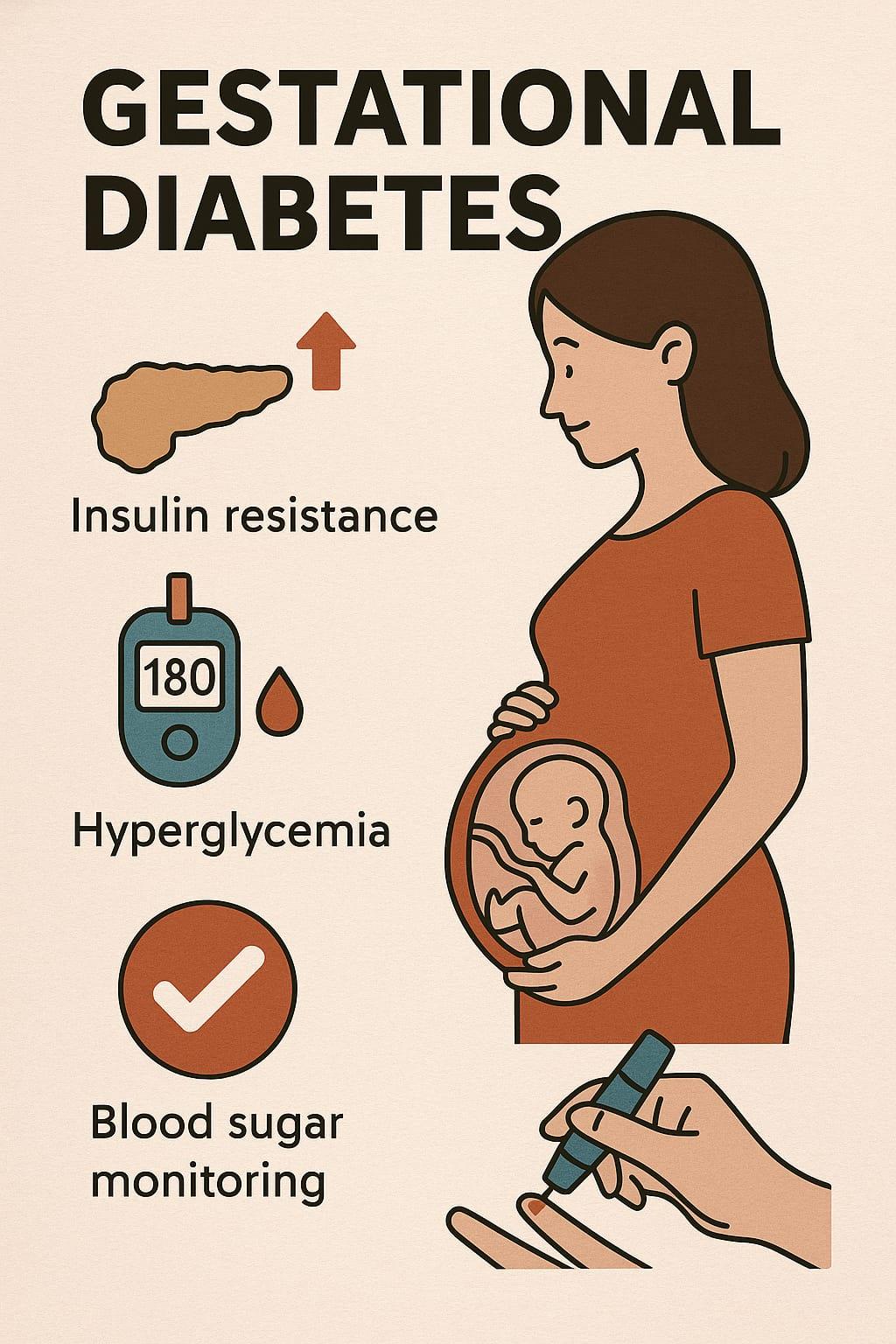
Gestational Diabetes (Generated by Artificial İntelligence)
Gestational Diabetes
Definition(s) | A type of diabetes that develops during pregnancy when blood sugar levels become too high. | ||||||||
|---|---|---|---|---|---|---|---|---|---|
Diagnosis | Oral glucose tolerance test (OGTT) Glucose challenge test | ||||||||
Symptoms | Blurred vision Fatigue Frequent urination Increased thirst | ||||||||
Risk Factors | Polycystic ovary syndrome (PCOS) Previous gestational diabetes Previous large baby Age over 35 Overweight or obesity Family history of diabetes | ||||||||
Gestational diabetes is a condition characterized by elevated blood sugar levels that first appear or are diagnosed during pregnancy. During pregnancy, hormonal changes occur in the mother's body to support the baby’s development. These hormones can reduce the effectiveness of insulin, causing blood sugar levels to rise. Normally, the pancreas compensates by increasing insulin production to maintain balance. However, in some women, the pancreas cannot meet this increased demand, resulting in elevated blood glucose levels. This condition is called gestational diabetes. It typically appears between the 24th and 28th weeks of pregnancy and often shows no symptoms, making regular screening tests important for detection.
Gestational diabetes occurs in approximately 5% to 10% of pregnancies worldwide, with some regions reporting rates as high as 15%. Studies in Turkey show prevalence rates between 7% and 15%. This disease can pose serious health risks for both mother and baby. The risk of developing gestational diabetes increases in certain conditions, such as a family history of diabetes—especially if a parent has type 2 diabetes. Other risk factors include obesity or being overweight with a pre-pregnancy body mass index (BMI) over 30, previous delivery of a large baby, polycystic ovary syndrome (PCOS), hormonal disorders, and advanced maternal age (over 35). Women who have had gestational diabetes in previous pregnancies are also at higher risk of recurrence.
During pregnancy, the placenta secretes various hormones to support fetal development, including placental lactogen, progesterone, cortisol, growth hormone, and prolactin. These hormones reduce insulin sensitivity, causing insulin resistance. Insulin resistance means the body’s cells respond less effectively to insulin, forcing the pancreas to produce more insulin to maintain blood sugar control. If the pancreas cannot produce enough insulin, blood sugar rises, leading to gestational diabetes. While insulin resistance naturally occurs in all pregnancies, gestational diabetes develops only when the pancreas cannot compensate adequately. Genetic and environmental factors also play a role.
Gestational diabetes is often asymptomatic, which is why glucose screening and tolerance tests during pregnancy are essential for diagnosis. However, some women may experience symptoms such as:
These symptoms can be confused with other pregnancy-related changes, so definitive diagnosis requires testing.
The most common method to diagnose gestational diabetes is screening between the 24th and 28th weeks of pregnancy. Initially, a 50-gram glucose challenge test is performed, and blood sugar is measured after one hour. If the blood glucose level exceeds 140 mg/dL, a 100-gram oral glucose tolerance test (OGTT) is conducted. Blood sugar is measured fasting, and at 1, 2, and 3 hours after glucose intake. If two or more of these values exceed threshold levels, gestational diabetes is diagnosed. Some healthcare centers use a single-step 75-gram OGTT. Diagnostic criteria are set by international and national guidelines, and regular follow-up is recommended during pregnancy.
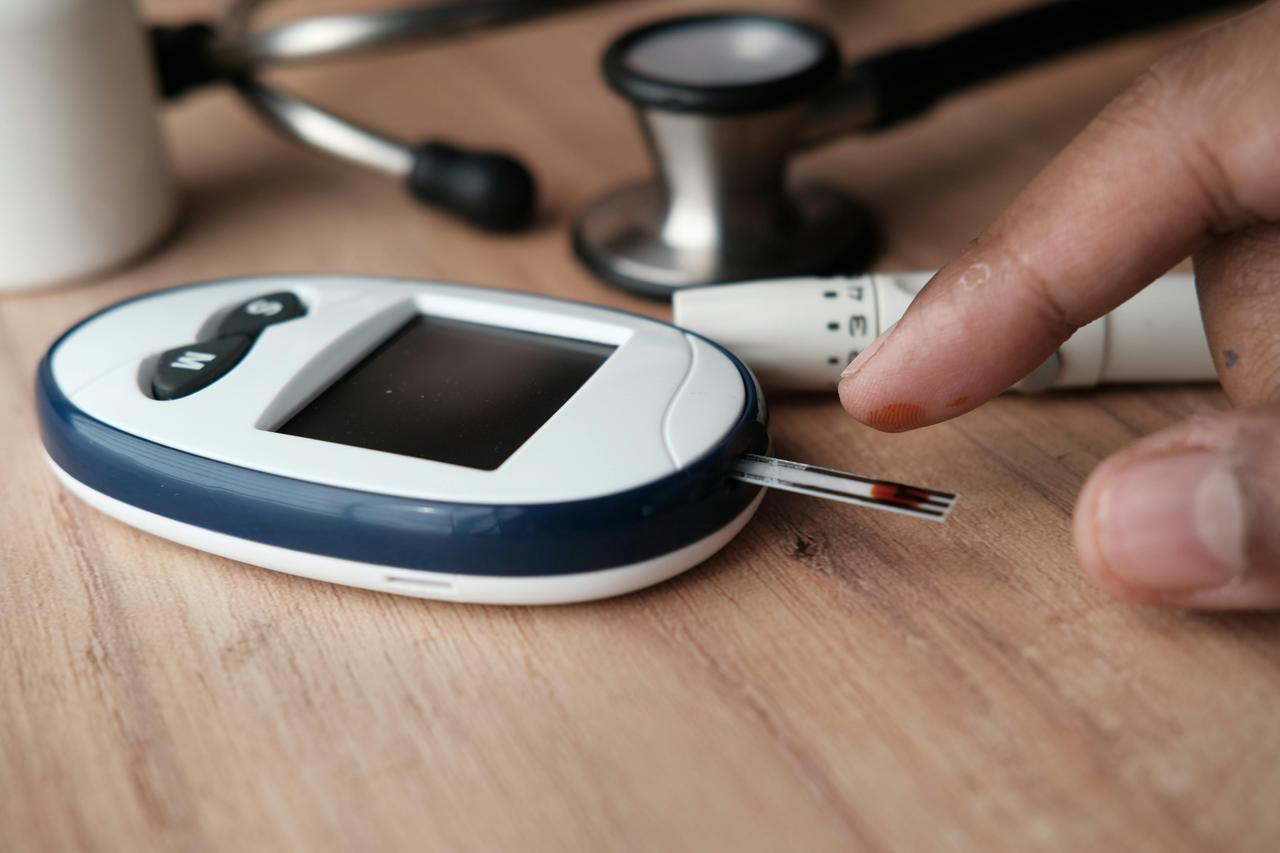
Blood Sugar Test (pexels)
Treatment for gestational diabetes primarily involves lifestyle changes. A healthy and balanced diet with controlled carbohydrate intake is essential. Increasing the number of meals can help stabilize blood sugar levels. Regular physical activity, such as light walking, also aids blood sugar control. Blood glucose levels should be monitored frequently. If diet and exercise fail to achieve target blood sugar levels, insulin therapy is initiated. Insulin is the safest and most effective medication during pregnancy. In some cases, oral antidiabetic drugs like metformin may be used, but their use is debated and should be decided by a physician. Regular ultrasounds and other monitoring are necessary for both mother and baby during treatment.
If not properly controlled, gestational diabetes can cause complications for both mother and baby. For the mother, risks include preeclampsia (high blood pressure during pregnancy), excessive weight gain, and increased likelihood of cesarean delivery. After birth, mothers with gestational diabetes have a higher risk of developing type 2 diabetes later in life. For the baby, risks include high blood sugar, excessive growth (macrosomia), birth injuries, and low blood sugar after birth. Other possible problems include respiratory issues, jaundice, and increased long-term risk of obesity and diabetes.
It is important to monitor blood sugar levels after delivery in women who had gestational diabetes. Typically, a 75-gram OGTT is performed 6 to 12 weeks postpartum. If the results are normal, the mother is still considered at high risk for diabetes. Therefore, regular diabetes screening every 1 to 3 years is recommended. Maintaining healthy lifestyle habits, weight control, and regular exercise remain crucial.
Bulut, Gülşah. “Nutritional Therapy in Individuals with Gestational and Pregestational Diabetes.” Akdeniz University Hospital. Access Date. 30 June 2025
Crowther, Caroline A., Janet E. Hiller, John R. Moss, Andrew J. McPhee, William S. Jeffries, ve Jeffrey S. Robinson, Hamile Kadınlarda Avustralya Karbonhidrat İntoleransı Çalışması (ACHOIS) Deneme Grubu. 2005. "Gestasyonel Diyabet Mellitus Tedavisinin Gebelik Sonuçları Üzerindeki Etkisi." The New England Journal of Medicine 352, no. 24: 2477–2486. Erişim Tarihi: 30 Haziran 2025
Leah Newhouse, Pexels , " Pregnant woman wearing a black and white striped shirt standing next to a bare tree.", Accessed 30 June 2025
Oğuz, Ayten. "Gestational Diabetes." Kahramanmaraş Sütçü İmam University Faculty of Medicine, Department of Endocrinology and Metabolic Diseases, Kahramanmaraş. Accessed June 30, 2025.
Quintanilla Rodriguez, Bryan S., Elsa S. Vadakekut, and Heba Mehdi. "Gestational Diabetes." StatPearls [Internet]. Accessed June 30, 2025.
Setji, Tracy L., Ann J. Brown, and Mark N. Feinglos. "Gestational Diabetes Mellitus." Clinical Diabetes 23, no. 1 (January 1, 2005): 17–24. Accessed June 30, 2025.
https://diabetesjournals.org/clinical/article/23/1/17/1263/Gestational-Diabetes-Mellitus
Towfiqu Barbhuiya, Pexels, “Blood Sugar Measurement,” Accessed June 30, 2025.
https://www.pexels.com/sv-se/foto/enhet-glukometer-blodsockerkontroll-narbild-12326657/
Çelik, Özlem, and Nigar Rustamova. 2019. "Clinical and Metabolic Characteristics of Gestational Diabetes." Journal of Clinical Medical Sciences 7, no. 3 (April): 24–27. Accessed June 30, 2025.
Şen, Cihat, Murat Yayla, Oluş Api, Elif Gül Yapar Eyi, and Burcu Artunç Ülkümen, Turkish Perinatology Society Diabetes and Pregnancy Working Group. 2016. "Diabetes in Pregnancy: Diagnosis and Treatment. Turkish Perinatology Society Practice Guideline." Perinatal Journal 24, no. 2: 110–127. Accessed June 30, 2025.
https://perinataldergi.com/Files/Archive/tr-TR/Articles/PJ-b2357e5f-43c2-45e1-a2b8-27a732518b6d.pdf

Gestational Diabetes (Generated by Artificial İntelligence)
Gestational Diabetes
Definition(s) | A type of diabetes that develops during pregnancy when blood sugar levels become too high. | ||||||||
|---|---|---|---|---|---|---|---|---|---|
Diagnosis | Oral glucose tolerance test (OGTT) Glucose challenge test | ||||||||
Symptoms | Blurred vision Fatigue Frequent urination Increased thirst | ||||||||
Risk Factors | Polycystic ovary syndrome (PCOS) Previous gestational diabetes Previous large baby Age over 35 Overweight or obesity Family history of diabetes | ||||||||
No Discussion Added Yet
Start discussion for "Gestational Diabetes" article
Prevalence and Risk Factors
Causes
Symptoms
Diagnosis
Treatment and Follow-Up
Risks for Mother and Baby
Postpartum Follow-Up
This article was created with the support of artificial intelligence.