

`diabetes` Related Article Results
 GL
GLGLP-1 Medications
Glucagon-Like Peptide-1 (GLP-1) is one of the two known (the other being GIP) incretin hormones from the gut. The incretin effect is the much higher glucose response given by the body to the oral intake of glucose compared to intravenous intake. The incretin effect is destroyed in individuals with Type II Diabetes, which means replenishment of it is potentially a very effective method of treatment for the illness. GLP-1 medications are medications that were developed for this purpose. They recei
EN
Ayşegül Dede

Gestational Diabetes
Gestational diabetes (Pregnancy diabetes) is a condition characterized by elevated blood sugar levels that first appear during pregnancy or are diagnosed during pregnancy. Pathogenesis During pregnancy, hormonal changes occur in the mother’s body to support fetal development. These hormones can reduce the effectiveness of insulin, leading to elevated blood glucose levels. Normally, the pancreas compensates by increasing insulin production to maintain balance. However, in some women, the pancreas
EN
Hatice Kübra Arslan
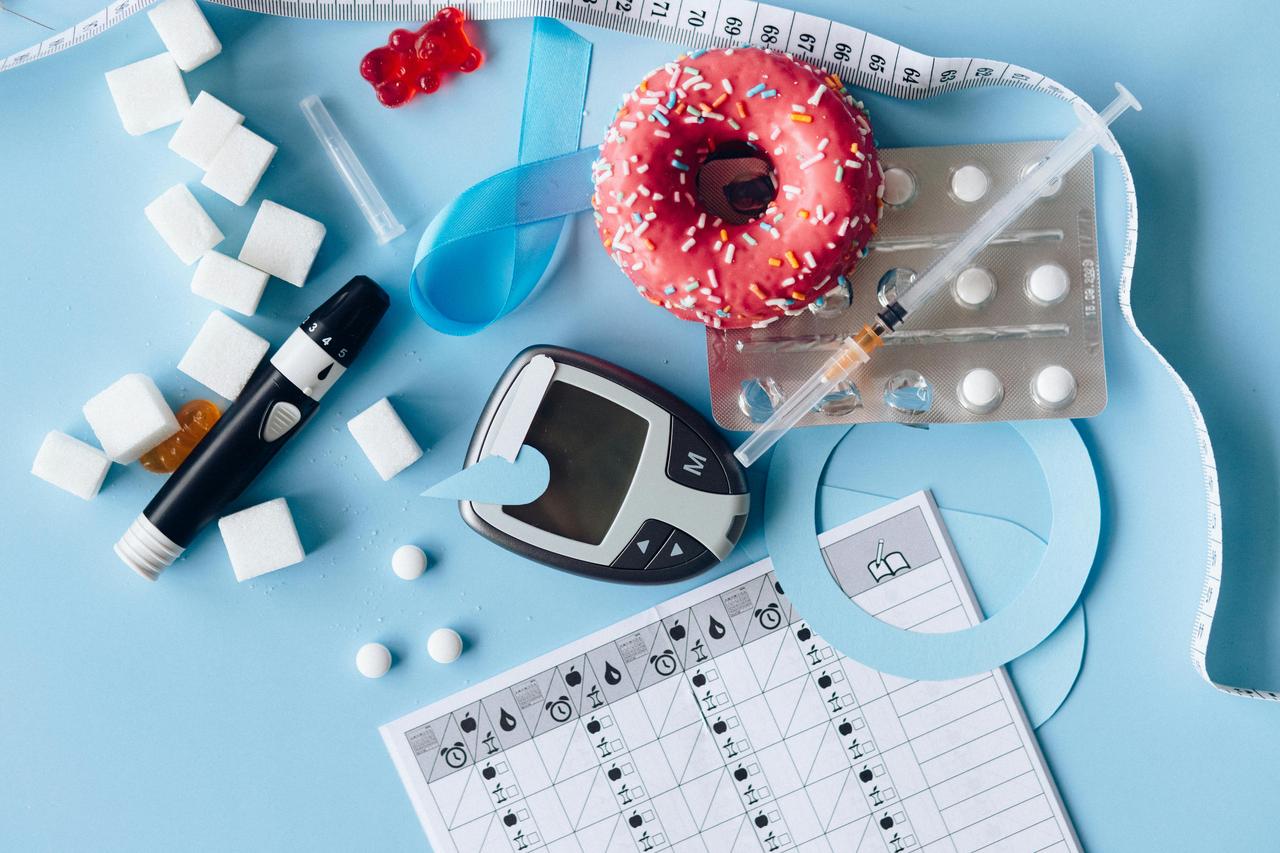
Diabetes (Sugar Disease)
Diabetes is a metabolic disorder characterized by chronic elevation of blood glucose levels (hyperglycemia) due to the body’s inability to produce sufficient insulin or to use it effectively. This condition primarily affects the metabolism of carbohydrates, fats, and proteins, and can lead to serious complications such as cardiovascular disease, kidney failure, neuropathy, and retinopathy. Classified into Type 1, Type 2, gestational, and other specific types, diabetes is now recognized as a majo
ENSevilay Yeşilyurt
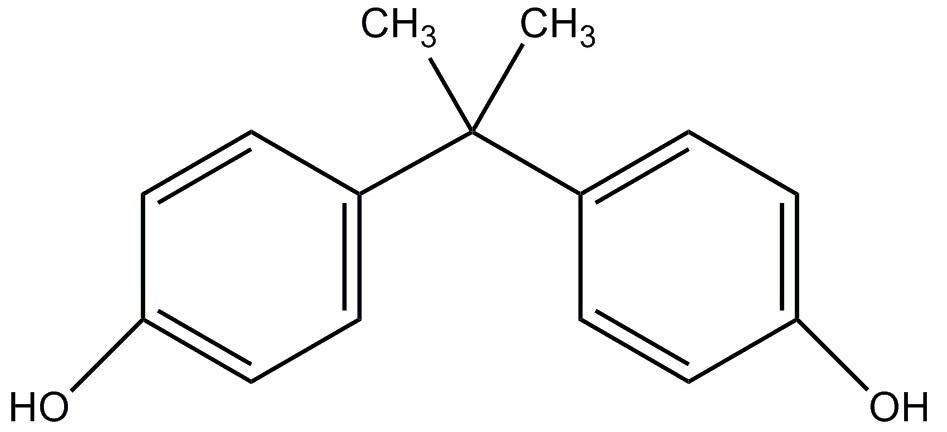
Bisphenol A (BPA)
Bisphenol A (BPA) is a synthetic organic compound widely used in modern industry, serving as the primary monomer in the production of polycarbonate plastics and epoxy resins. With the chemical formula (CH3)2C(C6H4OH)2, BPA belongs to the class of diphenylmethane derivatives known as bisphenols, containing two hydroxyphenyl groups. BPA was first synthesized in 1891 by Russian chemist Aleksandr P. Dianin. This synthesis was achieved through the condensation of phenol with acetone in the presence o
EN
Emine Nur ERDEM

Type 1 Diabetes
Type 1 diabetes is a chronic metabolism disease caused by the failure of insulin production due to the destruction of beta cells in the pancreas damage. Although typically diagnosed during childhood or adolescence, it can occur at any age. Classified as an autoimmune disease, type 1 diabetes requires lifelong insulin supplementation, necessitating continuous health management by affected individuals life. According to data from the World Health Organization (WHO), type 1 diabetes accounts for ap
ENYaren Sevim
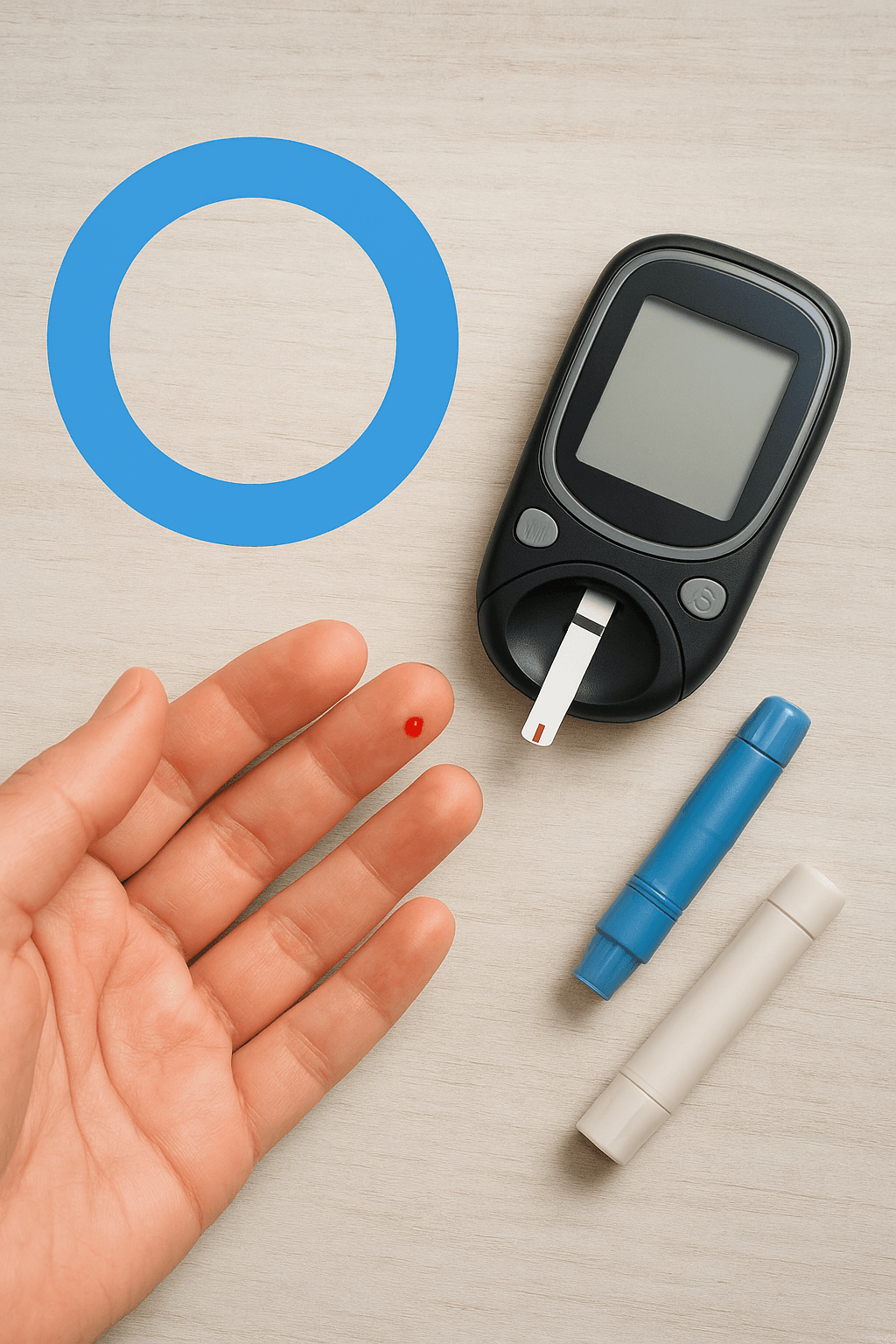
World Diabetes Day
World Diabetes Day is an international observance held annually on November 14 to raise global awareness of diabetes, improve the living conditions of individuals with diabetes, and promote public understanding of disease prevention and management. The date was chosen to coincide with the birthday of Canadian scientist Dr. Frederick Banting, who played a key role in the discovery of insulin. The day was initiated in 1991 by the International Diabetes Federation (IDF) and the World Health Organiz
EN
Nursena Güller