


This article was automatically translated from the original Turkish version.
+2 More
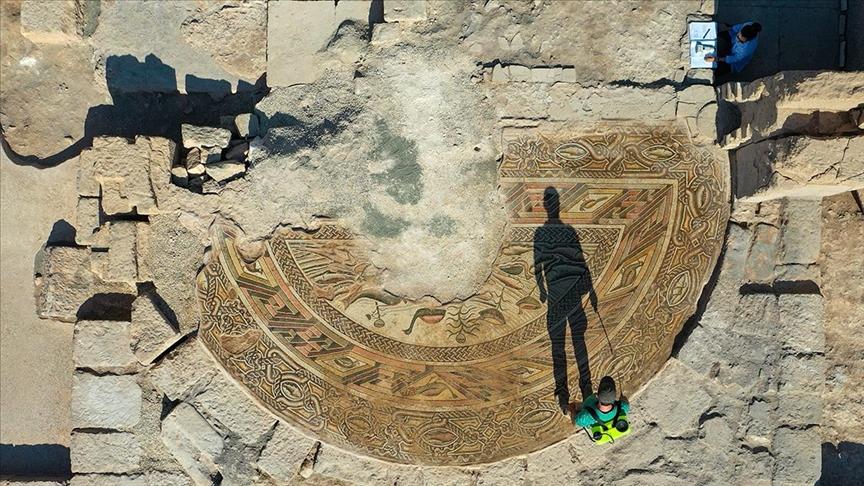
Dülük Ancient City
Location | Near Dülük Neighborhood 10 km north of Gaziantep | ||||||||
|---|---|---|---|---|---|---|---|---|---|
Date | 600,000 BC – Ancient settlement site | ||||||||
Historical Significance | Trade route junction between Mesopotamia and Cilicia; remains from the Assyrian, Median, Persian, Hellenistic, and Roman periods | ||||||||
Sections | Ancient City (Keber Tepe) and Sacred Area (Dülük Baba Tepe) | ||||||||
Prominent Structure | Temple of Mithras (Mithraeum) Temple of Jupiter Dolichenus 4th-century Basilica and Mosaics | ||||||||
Rock Tombs | Rock-cut tombs around Keber Tepe | ||||||||
Transportation | Via the Gaziantep-Yavuzeli highway Dülük Baba Tepe can be reached through Dülük Forests | ||||||||
Dülük Ancient City is located approximately 10 kilometers north of the city center of Gaziantep in Türkiye, within the boundaries of Şehitkamil district. This archaeological site, situated near the present-day Dülük neighborhood, is one of the earliest known human settlements in human history. Its settlement history extends back to around 600,000 BCE, giving it significant importance in both Turkish and world archaeology. The Dülük settlement is divided into two parts: the “Ancient City” and the “Sacred Area.” The Ancient City is located around Keber Hill, while the Sacred Area lies on Dülük Baba Hill at an elevation of 1,020 meters.
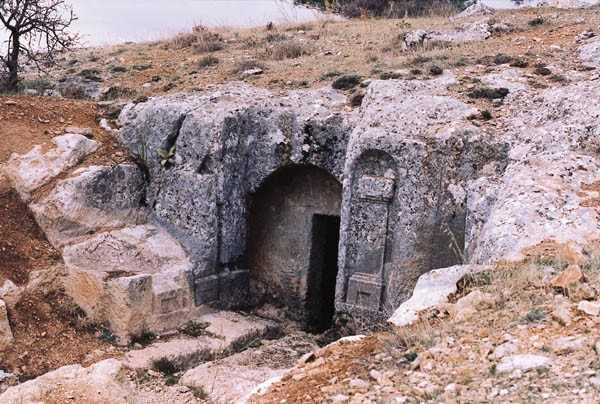
Dülük Antik Kenti. (Kültür Portalı)
In antiquity, known as Doliche, Dülük was situated at a major crossroads along important trade routes extending from Mesopotamia to Cilicia and Zeugma. This center held great importance during the Assyrian, Median, Persian, and Hellenistic periods and continued to thrive during the Roman period, rising to the status of a provincial capital. During the Roman Empire, it was known by the name “Doliche.”
Excavations on Keber Hill have uncovered flint tools and production workshops dating to the Lower Paleolithic period. Due to their distinctive forms, this culture has been named “Dülükien” in scientific literature. Additionally, human settlement remains dating to 600,000 BCE have been discovered in Şarklı Cave. For this reason, Dülük is recognized as one of the earliest settlement centers in the world.
Throughout history, Dülük Ancient City has served as a sacred center for multiple religions. During the Hittite period, it was recognized as a cult site for the storm god Tešup; in the Hellenistic and Roman periods, this same deity was known as “Zeus” and “Jupiter Dolichenus.” The cult of Jupiter Dolichenus, highly venerated by Roman soldiers, was disseminated across many regions of Europe through small statuettes.
The underground Temple of Mithras, located on the southern slope of Keber Hill and dating to the 1st century CE, is the first Mithraeum discovered in Anatolia and is considered one of the largest of its kind in the world. The temple consists of two halls, with the main niche containing the “Tauroctony” scene—the relief depicting the god Mithras slaying the bull. This scene symbolizes, in astrological terms, the end of the Age of Taurus and the beginning of the Age of Aries. The cult of Mithras was especially popular among Roman soldiers, merchants, and bureaucrats. Rituals included symbolic acts such as bathing and drinking in the blood of the bull.
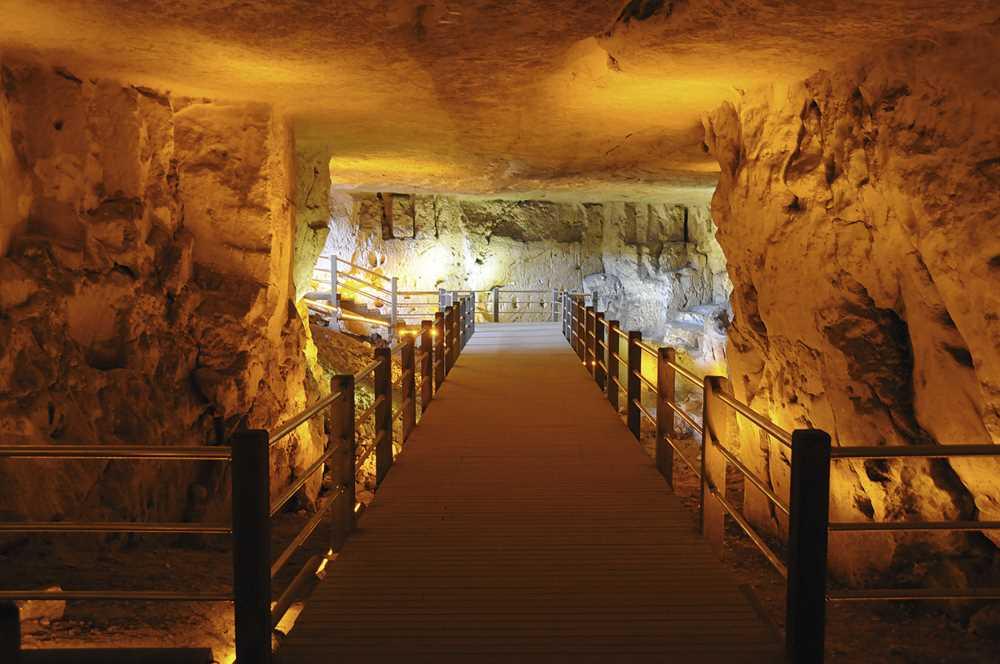
Mitras Tapınağı. (
Excavations conducted in collaboration between the University of Münster in Germany and the Ministry of Culture and Tourism have identified a basilica dating to the 4th century. This church is among the significant examples of early Christian architecture, noted for its geometric mosaics and structural features. The majority of the mosaics are devoid of human and animal figures. The animal motifs in the apse are believed to have been added later in the 6th century. The restored mosaics have been placed under conservation for tourism purposes.
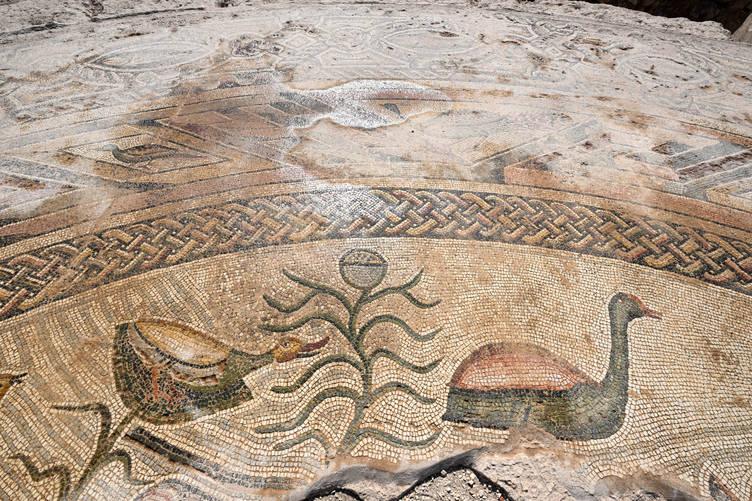
Mozikler. (AA)
During the Byzantine period, Dülük was known as “Telukh” and served for a long time as an archbishopric center. In the 7th century, following Islamic incursions, the city was largely destroyed and lost its religious significance. The archbishopric was subsequently transferred to Zeugma. In subsequent periods, Dülük declined in importance and became a village subordinate to Ayıntap (modern-day Gaziantep).
In the necropolis area on the opposite ridge of Keber Hill, numerous rock-cut chamber tombs have been found. Some of these tombs feature reliefs of Hermes guiding the deceased and the figure of Psyche, representing the soul, as well as Medusa heads and depictions of daily life. The tombs were constructed in the shape of houses, reflecting the belief in resurrection after death. Two rock-cut churches, believed to belong to the Mar-Slemun monastery, have also been identified in the region.
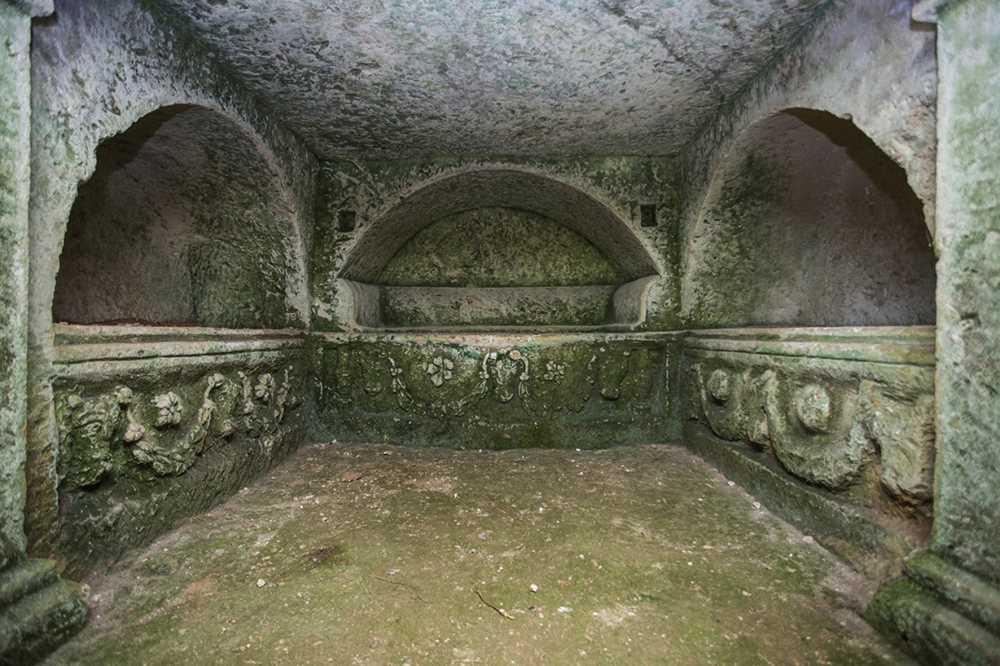
Kaya Kilisesi. (Kültür Portalı)
Systematic excavations conducted since 2015 have uncovered a bathhouse, a large church dating to the 4th century, an archive building, and a 4,500-year-old seal. These seals were used to secure ancient documents, letters, and commercial goods and bear depictions of gods and goddesses. Some of the seal impressions looted through illegal excavations and taken abroad are now on display at the Gaziantep Archaeology Museum.
Under the patronage of the Ministry of Culture and Tourism and in collaboration with the University of Münster, Germany, mosaics have been restored and conserved, and some rock-cut tombs have been cleaned and opened to visitors. Architectural remains of the Temple of Jupiter Dolichenus and associated priestly tombs on Dülük Baba Hill have been documented through excavation. Around the temple remains, circular cover stones and sarcophagi decorated with guilloche motifs have been found.
Access to Dülük Ancient City is via a road following the Beylerbeyi Village route from the Gaziantep-Yavuzeli highway. The sacred area on Dülük Baba Hill is reached through the Dülük Forests along the Gaziantep-Adana highway. Picnic areas are also available within the forested zone.
Dülük Village is notable for its traditional cut-stone architecture, mosque, and the Musa Kazım Tomb. This village, interwoven with the ruins of the ancient city, continues to hold archaeological and cultural significance.
Anadolu Ajansı. “Dülük Antik Kenti’ndeki 1600 Yıllık Mozaikler Turizme Kazandırılacak.” Anadolu Ajansı, September 8, 2024. Accessed May 1, 2025.https://www.aa.com.tr/tr/kultur/duluk-antik-kentindeki-1600-yillik-mozaikler-turizme-kazandirilacak/3324502
Anadolu Ajansı. “Dülük Antik Kenti’ndeki Kazılar Farklı Dinlerin Tarihine Işık Tutacak.” Anadolu Ajansı, October 4, 2021. Accessed May 1, 2025.https://www.aa.com.tr/tr/kultur-sanat/duluk-antik-kentindeki-kazilar-farkli-dinlerin-tarihine-isik-tutacak/2382231
Gaziantep İl Directorate of Culture and Tourism. "Antik Kentler." Accessed May 1, 2025.https://gaziantep.ktb.gov.tr/TR-131688/antik-kentler.html
Ministry of Culture and Tourism. "Dülük Antik Kenti." Türkiye Kültür Portalı. Accessed May 1, 2025.https://www.kulturportali.gov.tr/turkiye/gaziantep/gezilecekyer/duluk-antik-kenti

Dülük Ancient City
Location | Near Dülük Neighborhood 10 km north of Gaziantep | ||||||||
|---|---|---|---|---|---|---|---|---|---|
Date | 600,000 BC – Ancient settlement site | ||||||||
Historical Significance | Trade route junction between Mesopotamia and Cilicia; remains from the Assyrian, Median, Persian, Hellenistic, and Roman periods | ||||||||
Sections | Ancient City (Keber Tepe) and Sacred Area (Dülük Baba Tepe) | ||||||||
Prominent Structure | Temple of Mithras (Mithraeum) Temple of Jupiter Dolichenus 4th-century Basilica and Mosaics | ||||||||
Rock Tombs | Rock-cut tombs around Keber Tepe | ||||||||
Transportation | Via the Gaziantep-Yavuzeli highway Dülük Baba Tepe can be reached through Dülük Forests | ||||||||
Historical Background and Geopolitical Significance
Archaeological Findings and Paleolithic Settlement
Religious Center and Cults
Temple of Mithras (Mithraeum)
Christian Era and Early Churches
Medieval Period and Archbishopric
Necropolis and Rock-Cut Tombs
Excavations, Seals, and Archive Findings
Tourism and Conservation Efforts
Access and Current Status