

`archaeological-site` Related Article Results
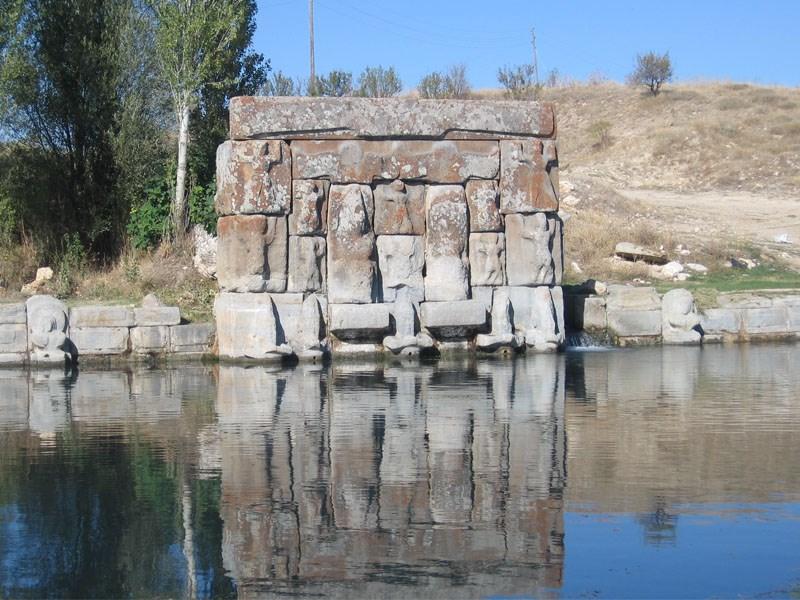
Eflatunpınar Hittite Water Monument
Eflatunpınar Hittite Water Monument is an archaeological structure dated to the final quarter of the 13th century BCE, located within the boundaries of Sadıkhacı Village in the Beyşehir district of Konya Province, Türkiye. It is believed to have been constructed during the reign of the Hittite Great King Tudhaliya IV. The monument is regarded as one of the most significant open-air sacred sites of the Hittite period due to its architectural design, reliefs, and water system.
EN
Ahsen Güneş
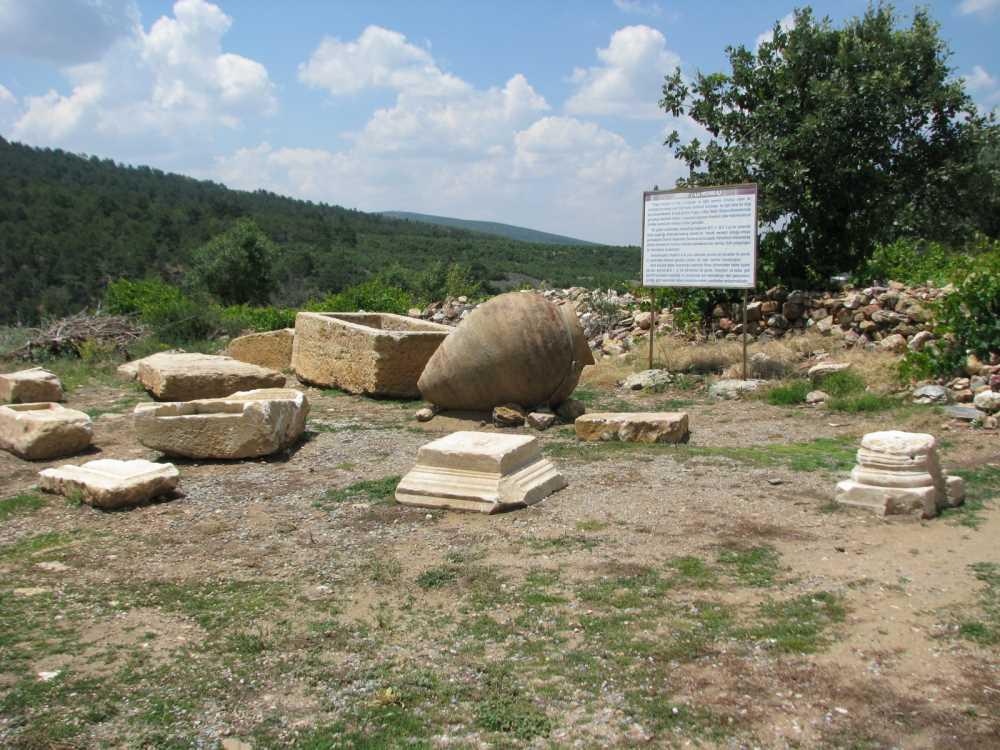
Ancient City of Akmonia
Akmonia Ancient City is an ancient settlement located near Ahât Village in the Banaz district of Uşak Province, in Türkiye’s Aegean Region. The city lies within the western boundaries of ancient Phrygia and contains remains from the Hellenistic, Roman, and Byzantine periods. Akmonia is notable not only for its historical significance but also for its integration with the surrounding natural landscape, making it a significant archaeological site. Today, the city has been documented through surfac
EN
Yusuf İslam Tuğla
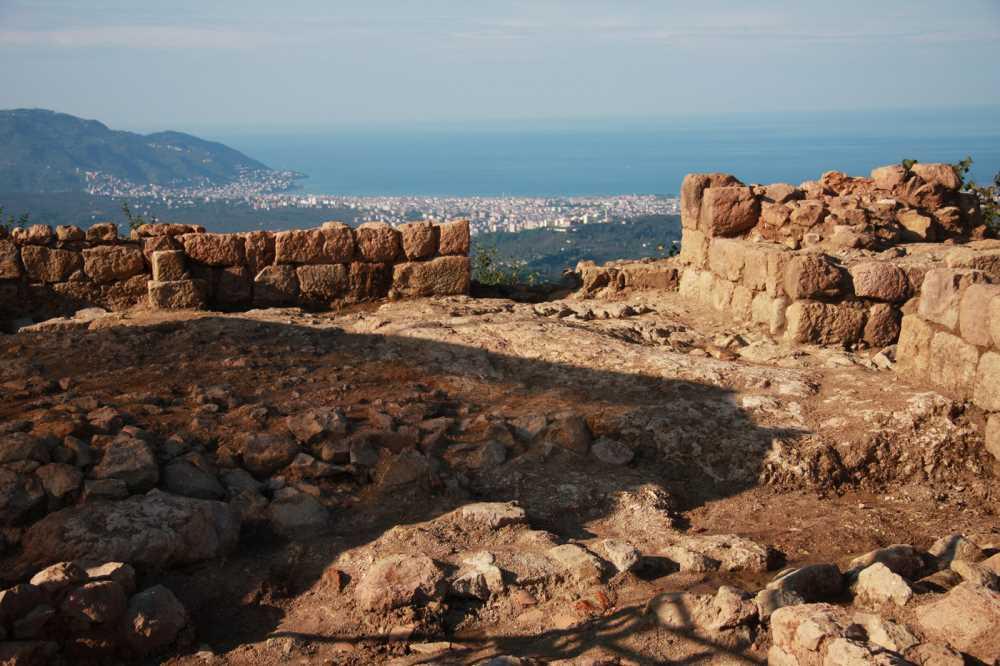
Kurul Castle
Kurul Kalesi is an archaeological and natural heritage site located within the boundaries of Bayadı Village, Altınordu District, Ordu Province, approximately 13 kilometers from the city center. It is situated on a sharp rock formation at an elevation of 571 meters above sea level, dominating the Melet River valley. The fortress extends along a ridge in a northeast-southwest orientation. Access to Kurul Kalesi is possible both on foot and by vehicle, and movement between spaces at different eleva
EN
Neriman Çalışkan
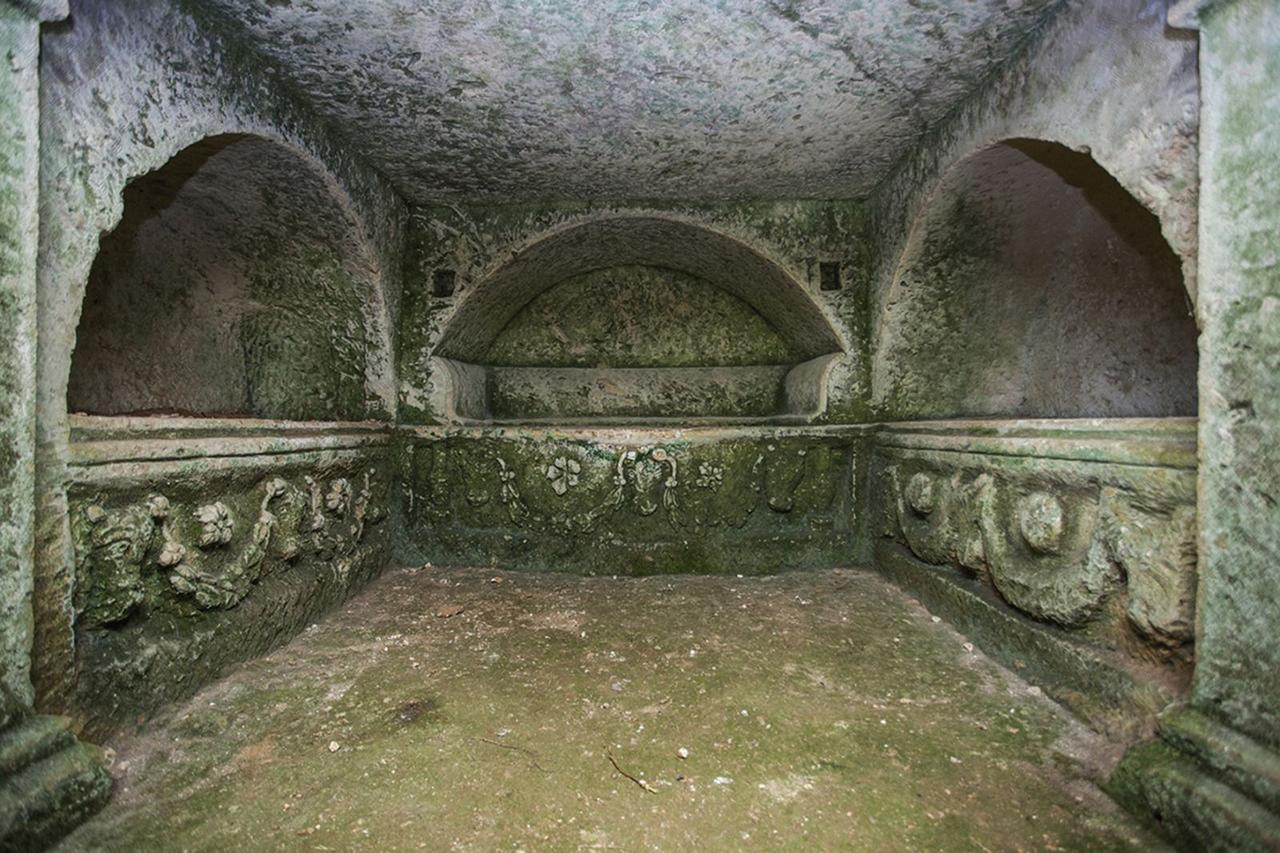
Dülük Ancient City
Dülük Ancient City is located approximately 10 kilometers north of the city center of Gaziantep in Türkiye, within the boundaries of Şehitkamil district. This archaeological site, situated near the present-day Dülük neighborhood, is one of the earliest known human settlements in human history. Its settlement history extends back to around 600,000 BCE, giving it significant importance in both Turkish and world archaeology. The Dülük settlement is divided into two parts: the “Ancient City” and the
ENAhsen Güneş
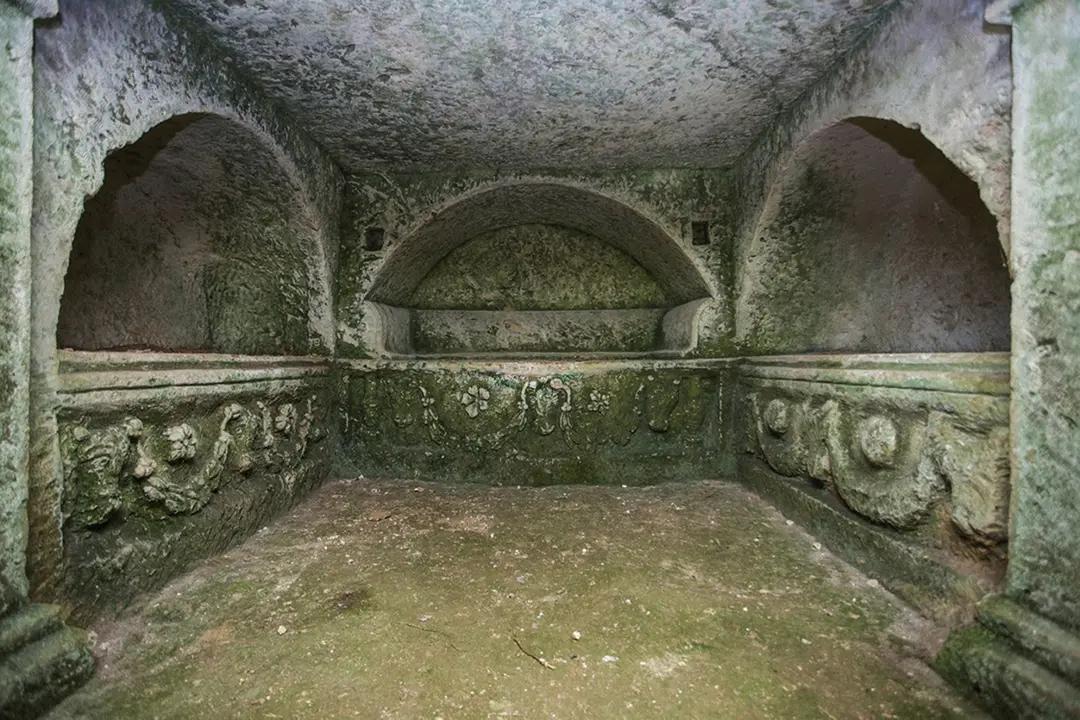
The Ancient City of Dülük
Dülük Ancient City is located approximately 10 kilometers north of the city center of Gaziantep in Şehitkamil district, Türkiye. This archaeological site, situated near today’s Dülük District, is one of the oldest known human settlements. The history of settlement here dates back to 600,000 years BC, giving it significant importance in both Turkish and world archaeology. The Dülük settlement is divided into two parts: the “Ancient City” and the “Sacred Area”. The ancient city is located around K
ENAhsen Güneş
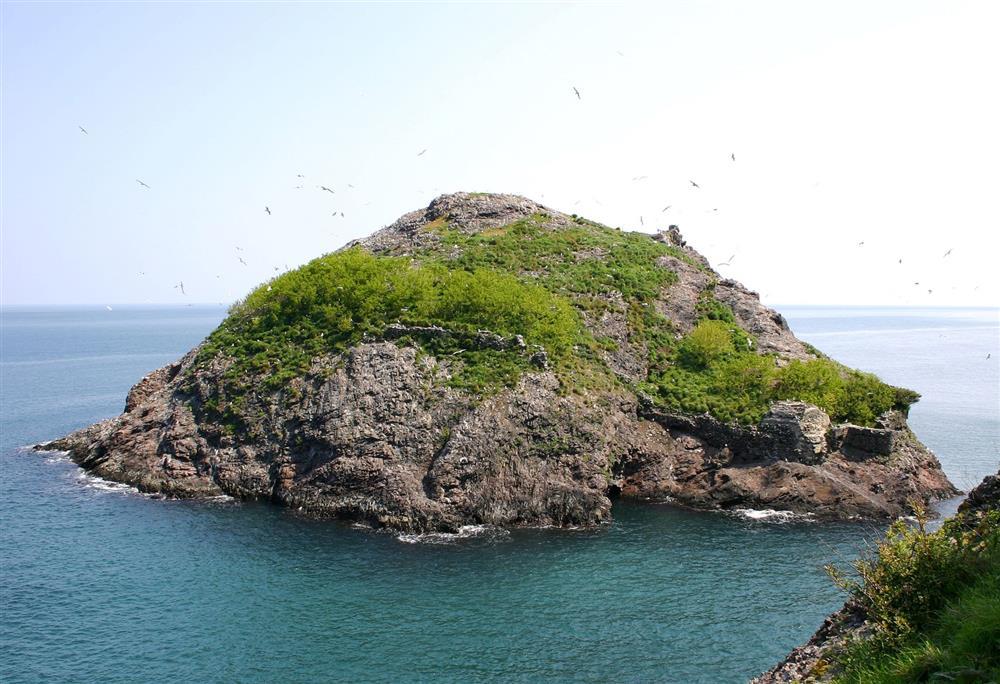
Hoynat Island
Hoynat Island is located within the boundaries of Ramazan Village, in the Perşembe district of Ordu province, in Türkiye’s Black Sea Region. It is a small rocky island situated very close to the coast, immediately next to the Hoynat Tunnel on the Black Sea coastal road. History and Archaeological Significance It is believed that Hoynat Island was historically used by sailors as a storage site and shelter. Small remnants of a wall and a water cistern are present on the island. These remains indic
EN
Bilge Öztürk
The Ancient City of Dülük
Dülük Ancient City is located approximately 10 kilometers north of Gaziantep city center of Türkiye, within the borders of Şehitkamil district. This archaeological site, located near today's Dülük District, is one of the oldest known settlements in human history. Settlement history BC. It dates back to 600,000 years and in this respect, it has an important position in terms of both Turkish and world archeology. Dülük settlement is divided into two: "Ancient City" and "Sacred Area". The ancient c
TRAhsen Güneş
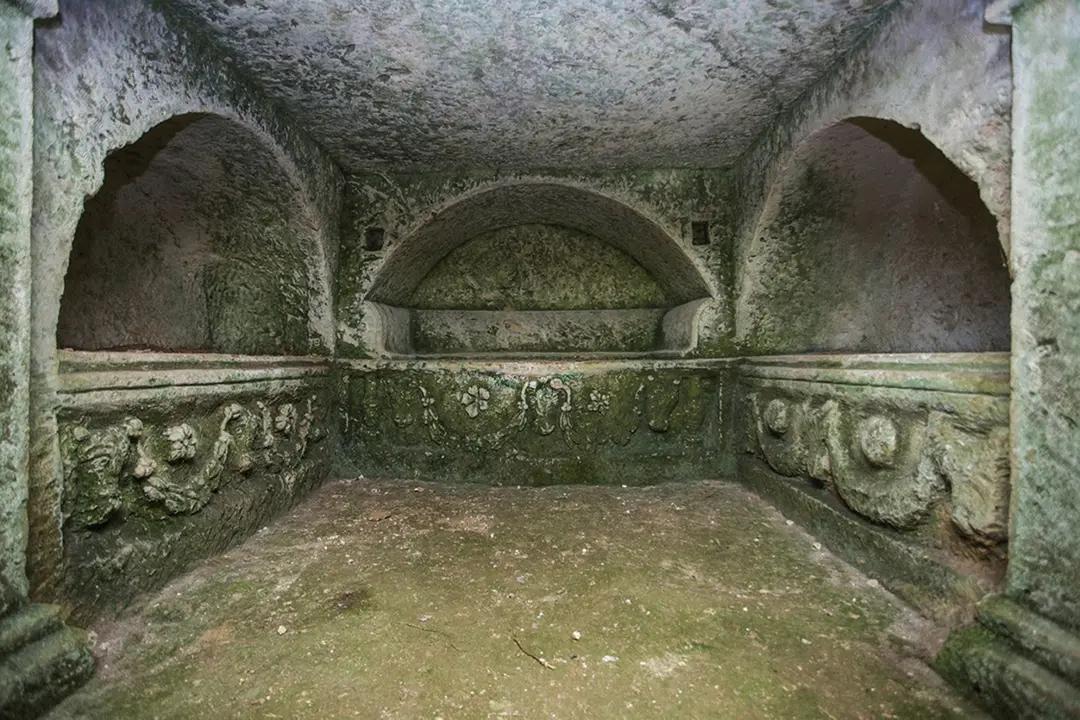
The Ancient City of Dülük
Dülük Ancient City is located approximately 10 kilometers north of the city center of Gaziantep in Türkiye, within the borders of the Şehitkamil district. This archaeological site, situated near today’s Dülük District, is one of the oldest known human settlements in history. The settlement’s history dates back to 600,000 years BC and in this respect it holds a significant position in both Turkish and world archaeology. The Dülük settlement is divided into two areas: the “Ancient City” and the “S
EN
Ahsen Güneş
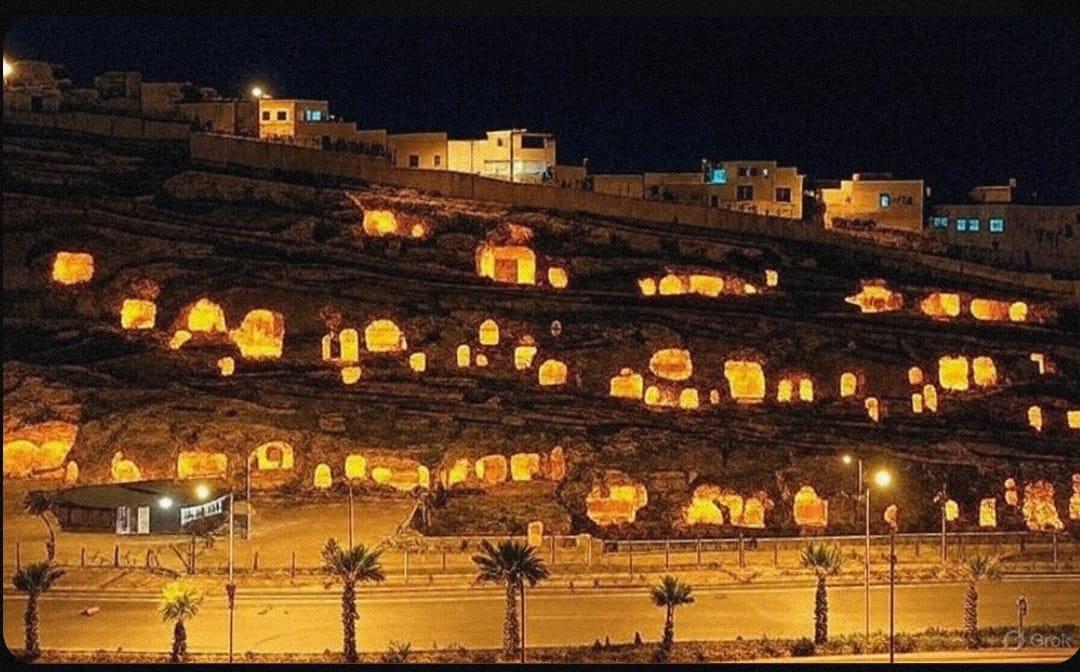
Kızılkoyun Necropolis
Kızılkoyun Necropolis is an archaeological site located on the slopes of Tılfındır Hill, above the Balıklıgöl Plateau, north of the city center of Şanlıurfa. It is notable for its rock-cut tombs, inscriptions, reliefs, and mosaics dating to the Roman period. Considered part of the necropolis zone of the ancient city of Edessa, this site forms a cohesive component of Şanlıurfa’s historical landscape together with surrounding cultural heritage areas. Historical Background Şanlıurfa is one of the o
EN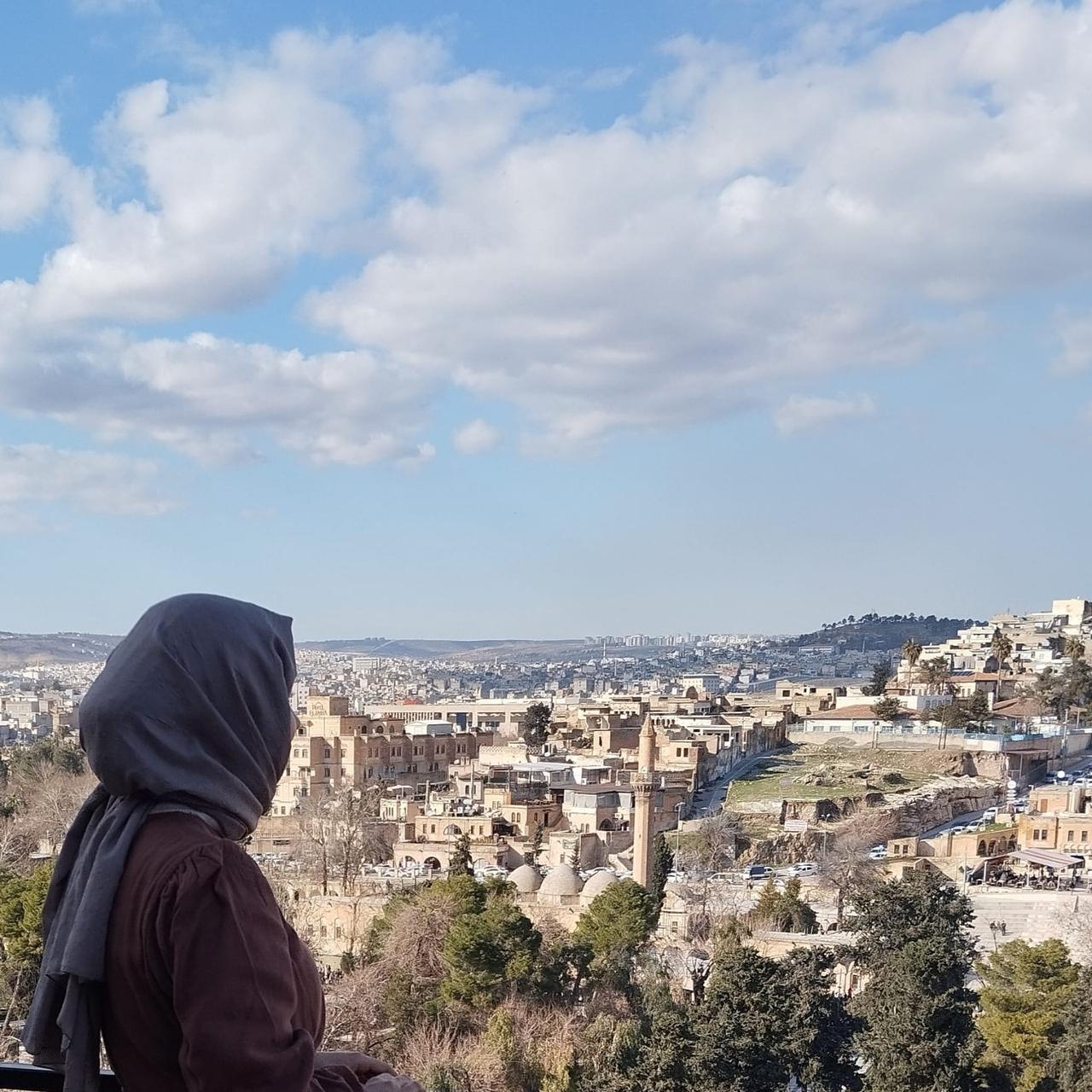
Sevgi Kıraç
 Sh
ShSharr (Komana) Archaeological Site
Located within the boundaries of Şar Village in the Tufanbeyli district of Adana Province, Türkiye, the Şar Ören Yeri is an important settlement site known in antiquity as “Comana.” This archaeological site, which hosted the Hittite, Roman and Byzantine civilizations, has been officially registered as a First-Degree Archaeological Site. Throughout history it has served as a center of religious, cultural and political significance, owing to its sacred structures, burial grounds, monuments and arc
EN
Meltem Saraç