


This article was automatically translated from the original Turkish version.
+1 More
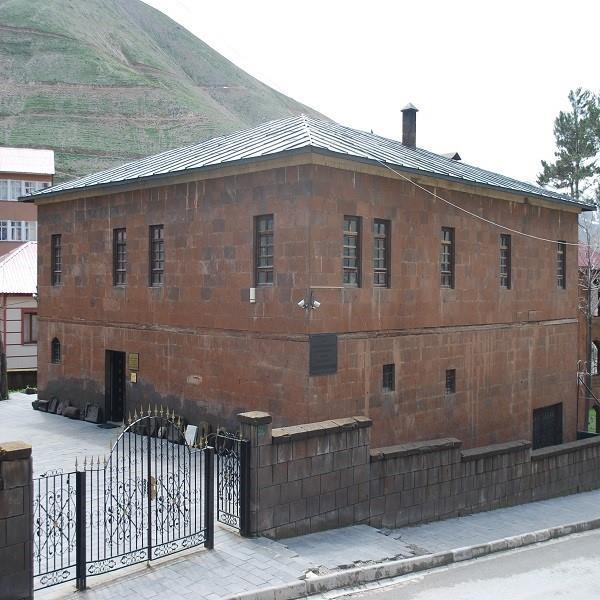
Bitlis Ethnography Museum
Location | Bitlis City Center (unit under the Ahlat Museum Directorate) | ||||||||
|---|---|---|---|---|---|---|---|---|---|
Opening Date(s) | 13 September 2005 (Former Governor's House) It was allocated to the Ministry of Culture and Tourism in 2005. | ||||||||
Architectural Feature | The building is constructed with Ahlat stone. It is a movable cultural heritage site requiring preservation. It has a simple appearance consistent with the natural and regional architecture. It consists of three levels: half basement + ground floor + first floor. The two-story exhibition area is accessed by wooden stairs. | ||||||||
Exhibited Periods | Roman Byzantine Seljuk Ottoman Republican period | ||||||||
Bitlis Ethnography Museum is located in the center of Bitlis city and operates as a unit under the Ahlat Museum Directorate. The museum was opened to the public on 13 September 2005 with the aim of preserving and promoting the region’s historical and cultural heritage.
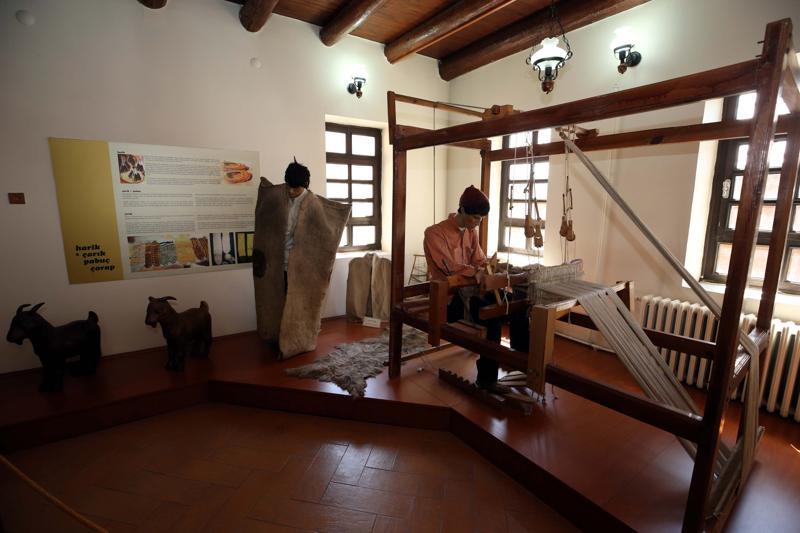
Bitlis Ethnography Museum(Arkeoloji Ev Sanat Yayınları)
The building used as a museum previously served as the Governor’s Residence. In 2005, this building was assigned to the Ministry of Culture and Tourism and was registered as a protected immovable cultural asset.
The building’s architecture is constructed from Ahlat stone, in accordance with the local architectural fabric. The natural texture of Ahlat stone gives the structure a simple and elegant appearance. Architecturally, the building consists of a half basement, a ground floor, and one upper floor. Administrative units are located on the ground floor, while the upper floor is used as an exhibition hall. The enclosed exhibition area spans two floors, with access between levels provided by wooden staircases.
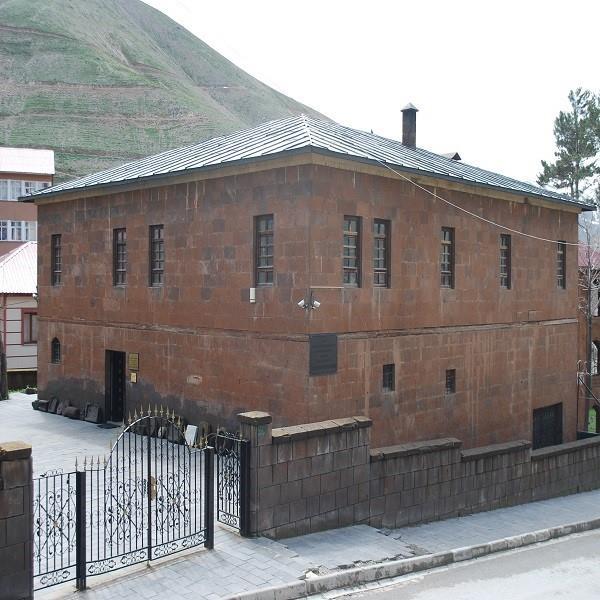
Bitlis Ethnography Museum(Ministry of Culture and Tourism)
The museum has two main exhibition areas: an enclosed exhibition hall and an open-air (garden) exhibition area.
The museum’s enclosed exhibition hall is organized over two floors. The entrance (first) floor houses administrative offices, storage rooms, a cafeteria, and restrooms, while the second floor displays a rich ethnographic collection. This section is divided into six main categories: carpets and flat weavings, blacksmithing, coppersmithing, woodwork, handicrafts, traditional clothing, weaving tools, manuscripts, and archaeological artifacts uncovered during excavations at Bitlis Castle.
Among the ethnographic collections, objects from the late Ottoman and Republican periods are particularly prominent. These include textile products, decorative items, traditional men’s and women’s clothing, examples of copperwork, and coins.
The museum garden is furnished with stone artifacts reflecting the region’s architectural heritage. Among the displayed stone pieces are ornamental architectural elements, basalt burial stones, and hand and arm mills.
The decorative motifs on these stone fragments provide visitors with concrete insights into the artistic sensibilities, cultural structure, and architectural aesthetics of the period. At the same time, the functionality of the stones and the craftsmanship evident on their surfaces shed light on the region’s artisanal traditions.
The artifacts in the museum represent a broad historical spectrum spanning the Roman, Byzantine, Seljuk, and Ottoman periods. These collections reflect the daily lifestyle, religious practices, technical knowledge, and aesthetic understanding of the local population.
One particularly notable group of artifacts consists of jewelry. Bracelets and belts in this group stand out for both their aesthetic and symbolic qualities.
One of the original examples of copperwork is the buhurdanlıklar, which are decorated using the ajur technique and were used for burning incense. These artifacts, dated to the Ottoman period, combine artistry with functionality.
Another distinctive group is the gülabdanlar. These vessels are characterized by narrow mouths, long cylindrical necks, broad bodies, and conical bases. They are rich in both production techniques and formal diversity.
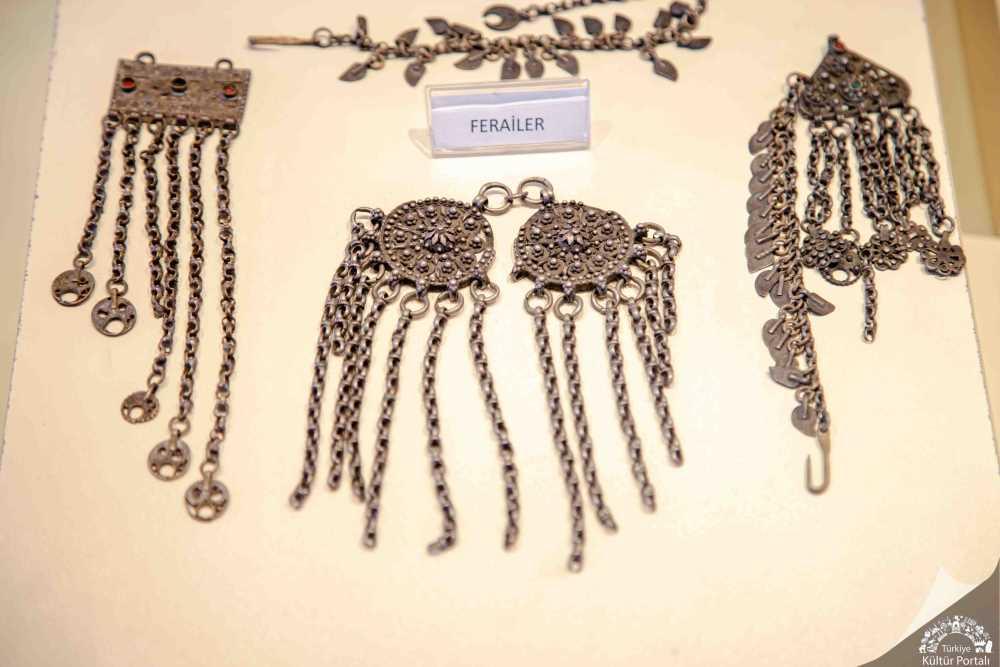
Bitlis Ethnography Museum(Culture Portal)
Bitlis’s historical roots extend back to the Neolithic period, and the region has served as a home to numerous civilizations throughout history. Its location on the very territory where the Battle of Manzikert was won in 1071 made Bitlis a strategically and politically significant center at the gateway to Anatolia.
Bitlis’s rich cultural diversity and historical legacy are both preserved and presented to visitors through the Ethnography Museum.
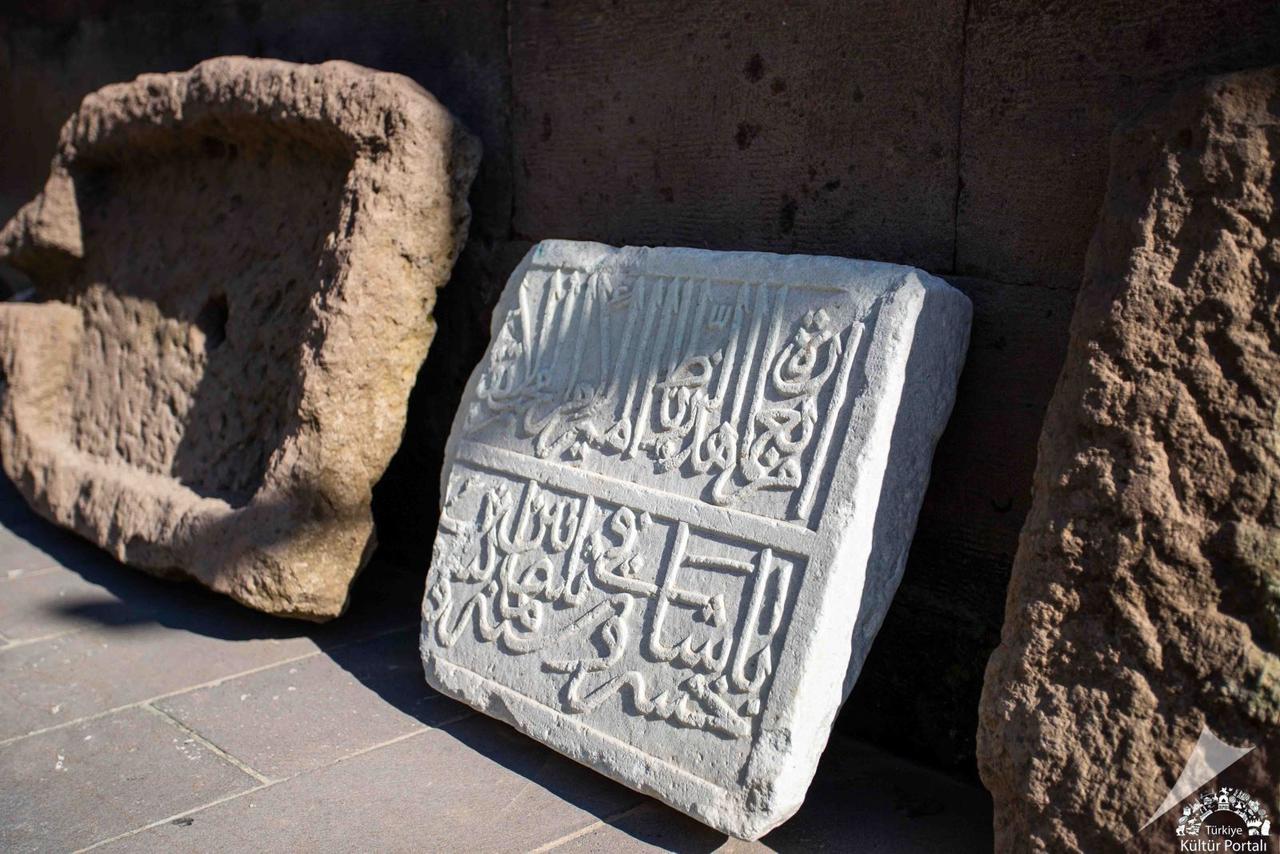
Bitlis Ethnography Museum(Culture Portal)
One of the important structures in Bitlis is the İhlasiye Medrese. Built in 1216 by the Seljuks, this medrese is an integral part of the city’s historical fabric and complements the cultural narrative presented by the museum.
Culture Portal. "Bitlis Etnografya Müzesi | Kültür Portalı." Accessed April 8, 2025.https://www.kulturportali.gov.tr/turkiye/bitlis/gezilecekyer/bitlis-etnografya-muzesi
Culture and Museums General Directorate. "Bitlis Ahlat Museum Directorate." Accessed April 8, 2025.https://kvmgm.ktb.gov.tr/TR-44073/bitlis-ahlat-muze-mudurlugu.html
Culture and Museums General Directorate. "Bitlis Etnografya Müzesi." Accessed April 8, 2025.https://kvmgm.ktb.gov.tr/Eklenti/90883,bitlis-etnografya-muzesipdf.pdf?0
Türkiye Turizm Ansiklopedisi. "Bitlis Etnografya Müzesi." Accessed April 8, 2025.https://turkiyeturizmansiklopedisi.com/bitlis-etnografya-muzesi
Bitlis Ethnography Museum
Location | Bitlis City Center (unit under the Ahlat Museum Directorate) | ||||||||
|---|---|---|---|---|---|---|---|---|---|
Opening Date(s) | 13 September 2005 (Former Governor's House) It was allocated to the Ministry of Culture and Tourism in 2005. | ||||||||
Architectural Feature | The building is constructed with Ahlat stone. It is a movable cultural heritage site requiring preservation. It has a simple appearance consistent with the natural and regional architecture. It consists of three levels: half basement + ground floor + first floor. The two-story exhibition area is accessed by wooden stairs. | ||||||||
Exhibited Periods | Roman Byzantine Seljuk Ottoman Republican period | ||||||||
No Discussion Added Yet
Start discussion for "Bitlis Ethnography Museum" article
Historical Building and Architectural Features
Exhibition Areas
Enclosed Exhibition Area
Garden Exhibition Area
Displayed Artifacts and the Cultures They Represent
Historical and Cultural Context
Nearby Historical Structures