

`bitlis` Related Article Results
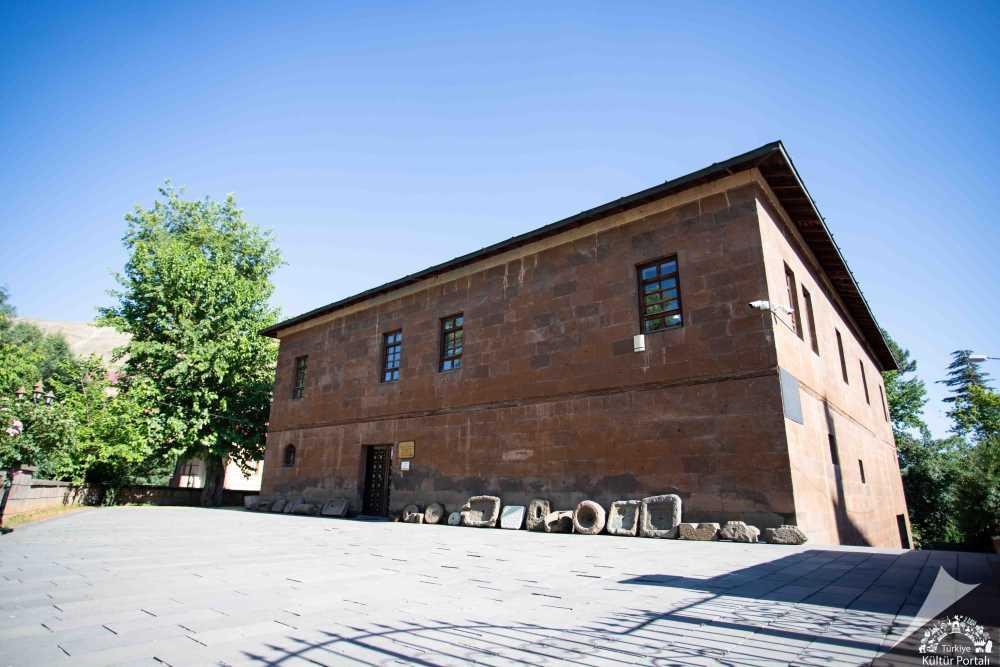
Bitlis Ethnography Museum
Bitlis Ethnography Museum is located in the center of Bitlis city and operates as a unit under the Ahlat Museum Directorate. The museum was opened to the public on 13 September 2005 with the aim of preserving and promoting the region’s historical and cultural heritage. Bitlis Ethnography Museum(Archaeology House Art Publications) " image-alternate="" image-element-format="right"> Historical Building and Architectural Features The building used as a museum previously served as the Governor Man
EN
Asiye Tan
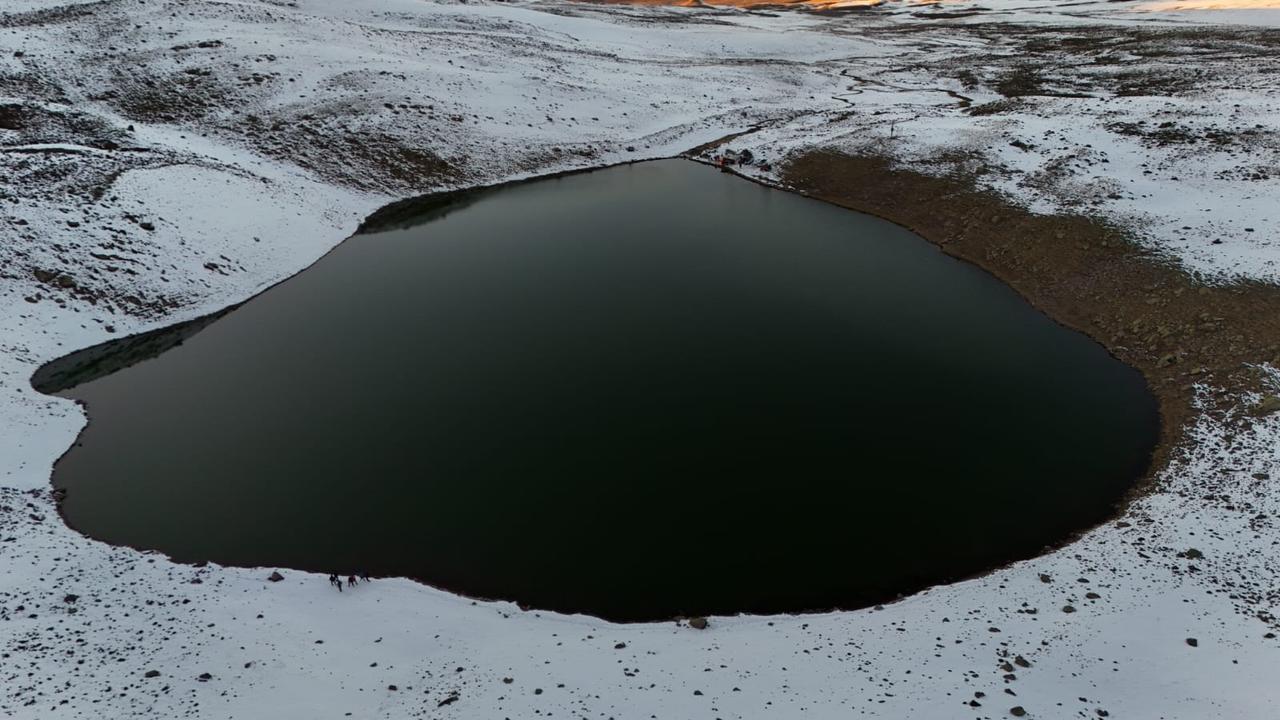
Lake Aygır
Lake Aygır is a maar lake located within the borders of the Adilcevaz district of Bitlis province, on the southern foothills of Mount Süphan. It is approximately 6–8 kilometers from the district center and 130 kilometers from the Bitlis city center. The lake, situated at an altitude of 1942 meters above sea level, was formed as a result of the volcanic activities of Mount Süphan. Formation and Geomorphology Aygır Lake is a typical maar lake. As a result of the blockage of the main cone belonging
EN
Melahat Pamuk
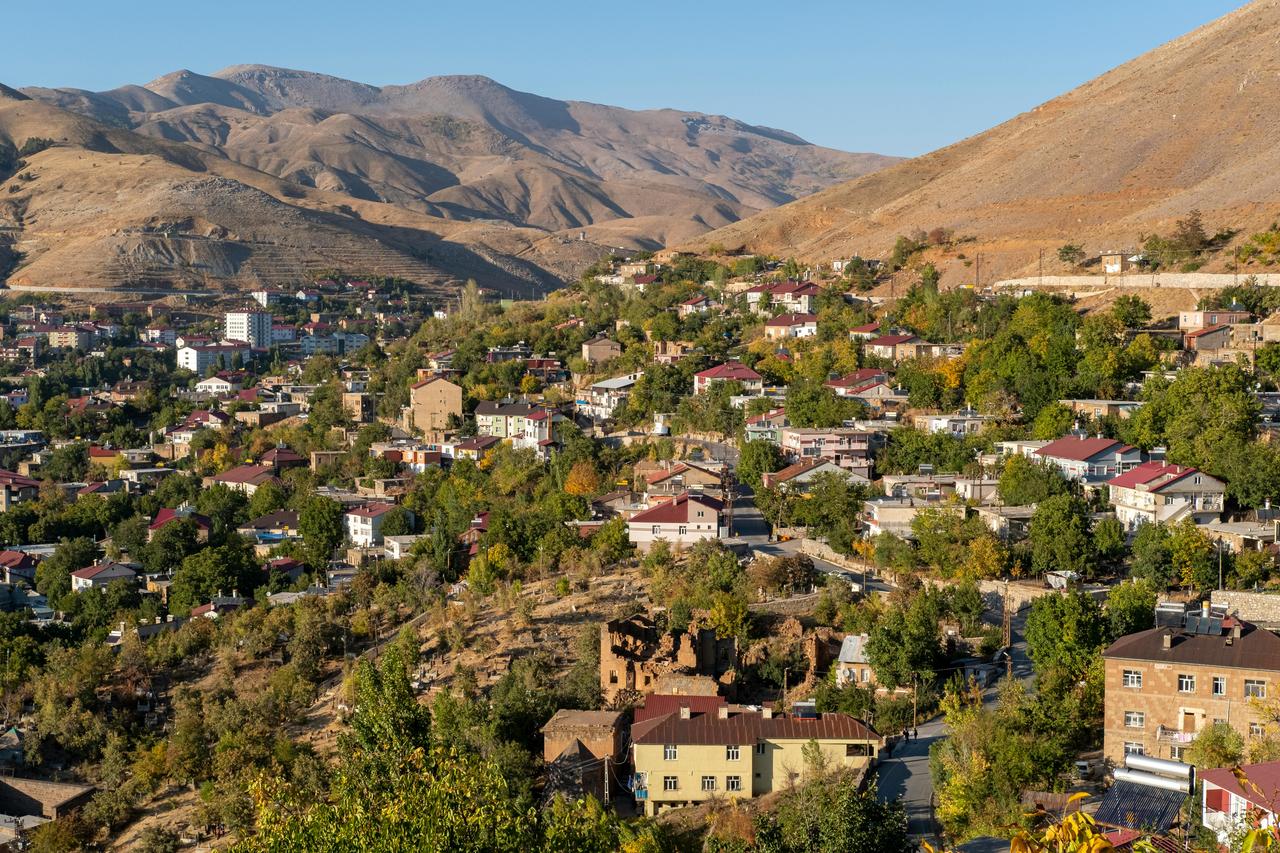
Bitlis (Province)
Bitlis is a city in Türkiye's East Anatolia Region known for its historical and cultural richness. Surrounded by Van to the east, Muş to the west, Ağrı to the north, and Siirt to the south, Bitlis has been home to numerous civilizations throughout history due to its strategic strategic location. Its position along the Silk Road has made the region a vital economic and cultural important center. Today, Bitlis attracts attention through its historical structures, natural beauty, and rich kitchen c
EN
Nazlı Kemerkaya
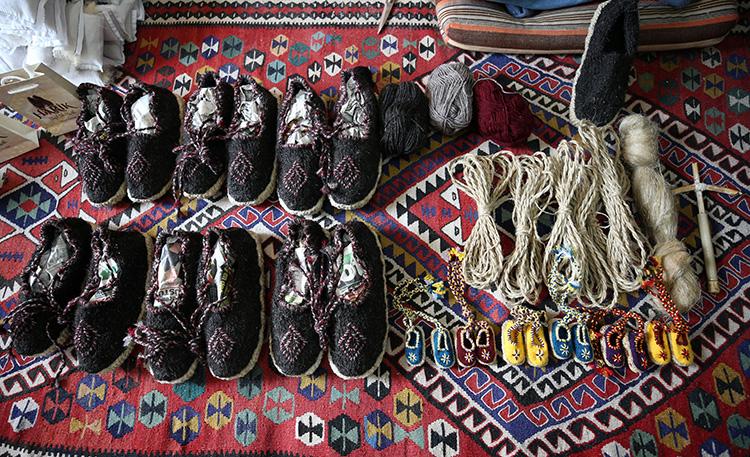
Harik (Regional Shoe)
Harik is a traditional shoe type unique to the Bitlis region. With a history dating back approximately 600 years, harik is entirely handmade and produced using natural materials. The sole is woven from hemp thread, while the upper is crafted from goat hair or sheep wool yarn. Harik is typically preferred during write months and is known for its ability to keep the feet cool, while also being said to benefit rheumatic conditions and foot fungus.Sultan Sökmen and Zeynep Balkanal, “Traditional Shoe
ENNazlı Kemerkaya
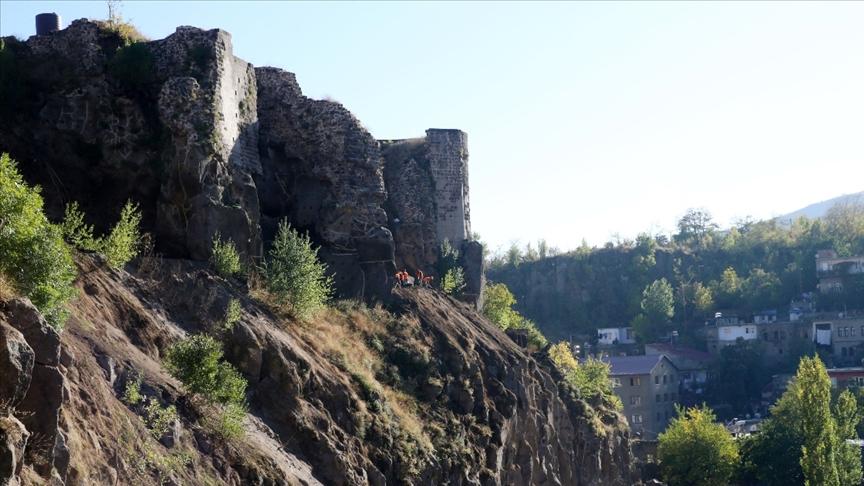
Bitlis Castle
Bitlis Castle is a historical structure built on a natural rock formation in the city center of Bitlis, located in Türkiye’s Eastern Anatolia Region. Dominating the city center, the castle is surrounded by the Dideban Creek to the east and the İskender Creek to the west, which functioned as natural moats around its perimeter. History The exact construction date of Bitlis Castle is unknown, but historical sources indicate it was built around 312 BCE by Bedlis (Badlis), a commander of Alexander th
EN
Mucip Aslan
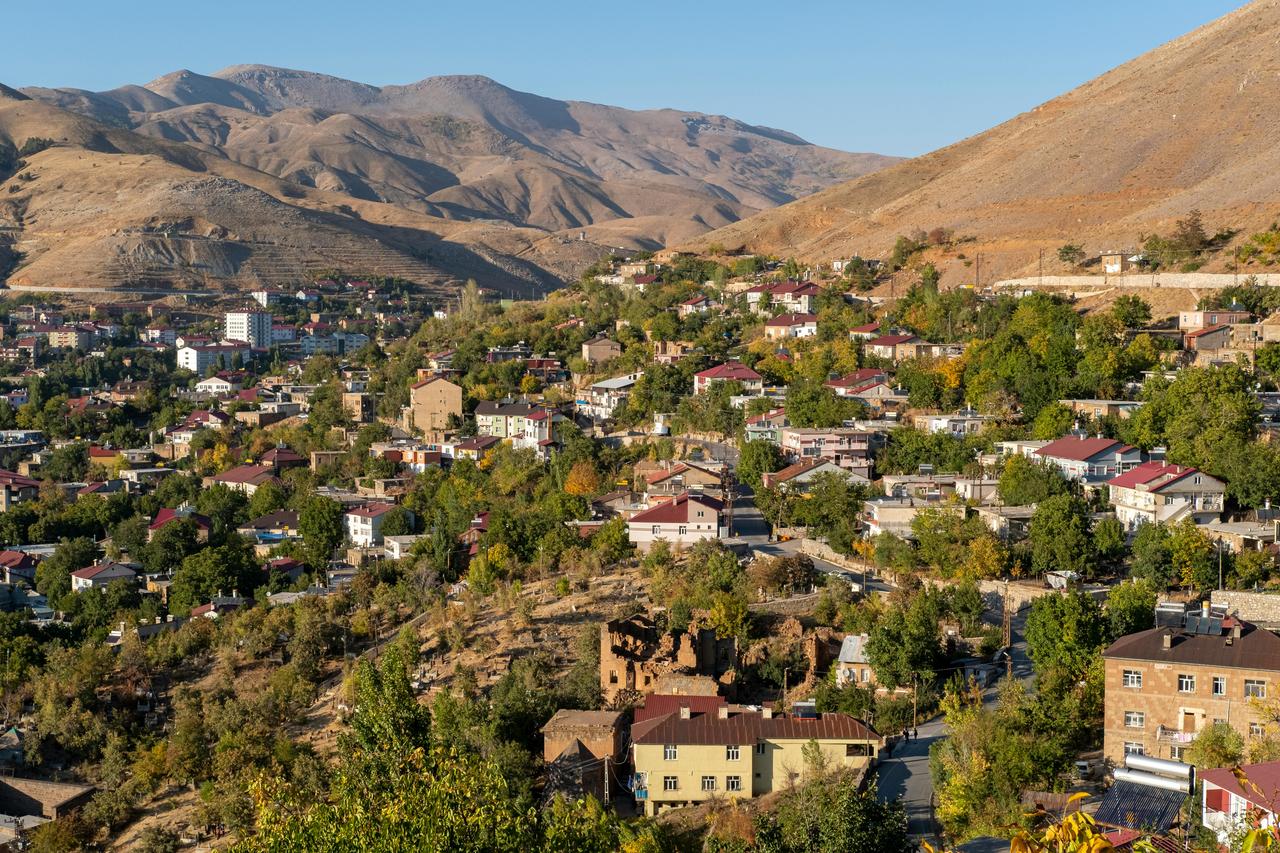
Bitlis (Province)
Bitlis is a city in the Eastern Anatolia Region of Türkiye, known for its historical and cultural richness. It is bordered by Van to the east, Muş to the west, Ağrı to the north, and Siirt to the south. Due to its strategic location, Bitlis has served as a home to numerous civilizations throughout history. Its position along the Silk Road route transformed the region into a significant center for trade and cultural exchange. Today, Bitlis attracts attention through its historical structures, nat
EN
Nazlı Kemerkaya
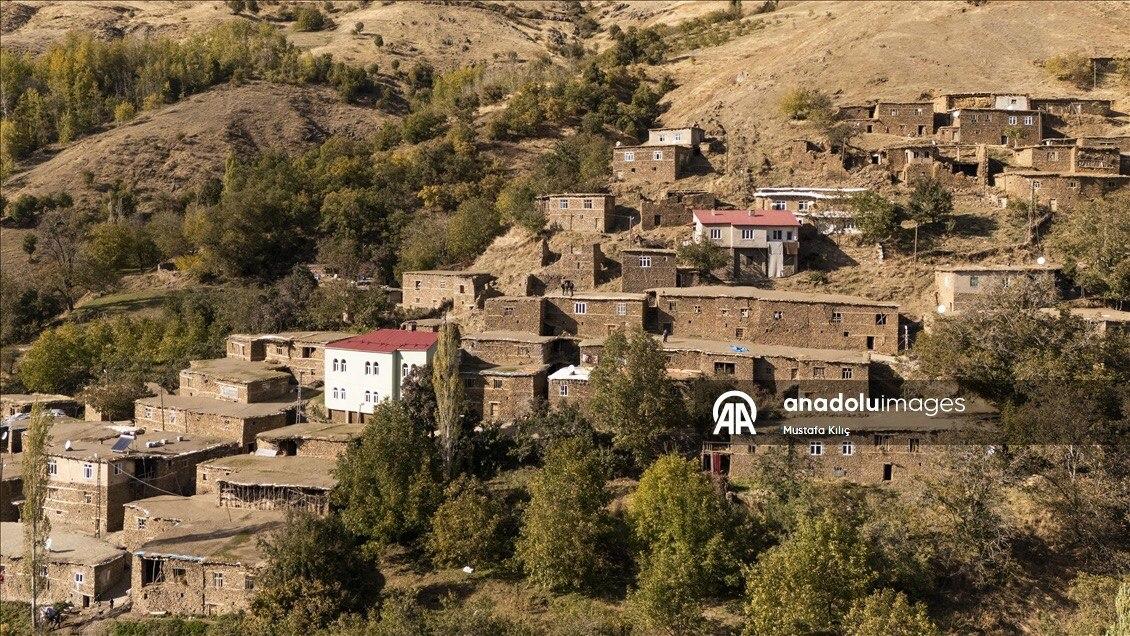
Bitlis Stone Houses
Bitlis Taş Evleri are stone-built houses located in the rural areas of Hizan district, within Türkiye’s Bitlis province, particularly in villages such as Koçlu and Uzuntaş. These structures, constructed over a historical process, consist of residential buildings made from stone and wood using traditional materials and techniques, and have remained standing for centuries while preserving their architectural characteristics. Although their history is estimated to span approximately 300 years, the
EN
Fatmanur Mavibaş
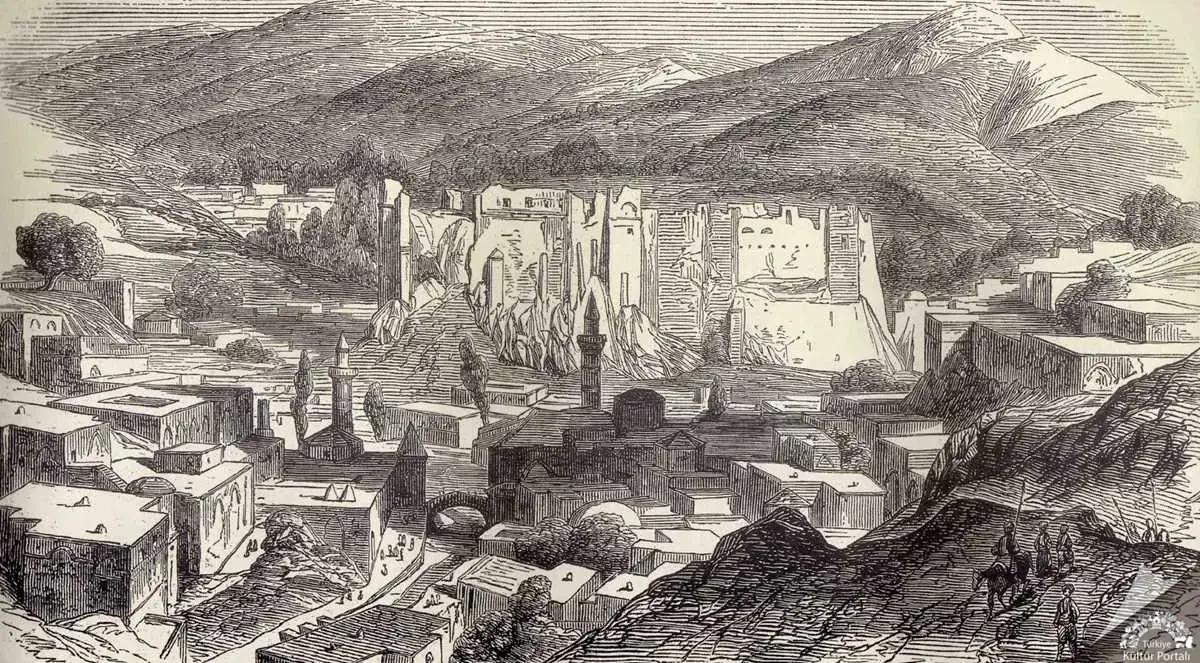
Bitlis Castle
Imagine a giant rock rising toward the sky! This is Bitlis Kalesi, standing like a shining crown atop such a majestic rock, overlooking the city from above. This fortress, which has stood there for thousands of years, tells us the thrilling stories of ancient times. Who Built the Fortress and When? This massive fortress was built by Badlis, a commander of the famous ruler Alexander the Great. Its construction dates back exactly 2300 years to 312 BCE. The city of Bitlis derives its name from this
EN
Sıla Gücüm
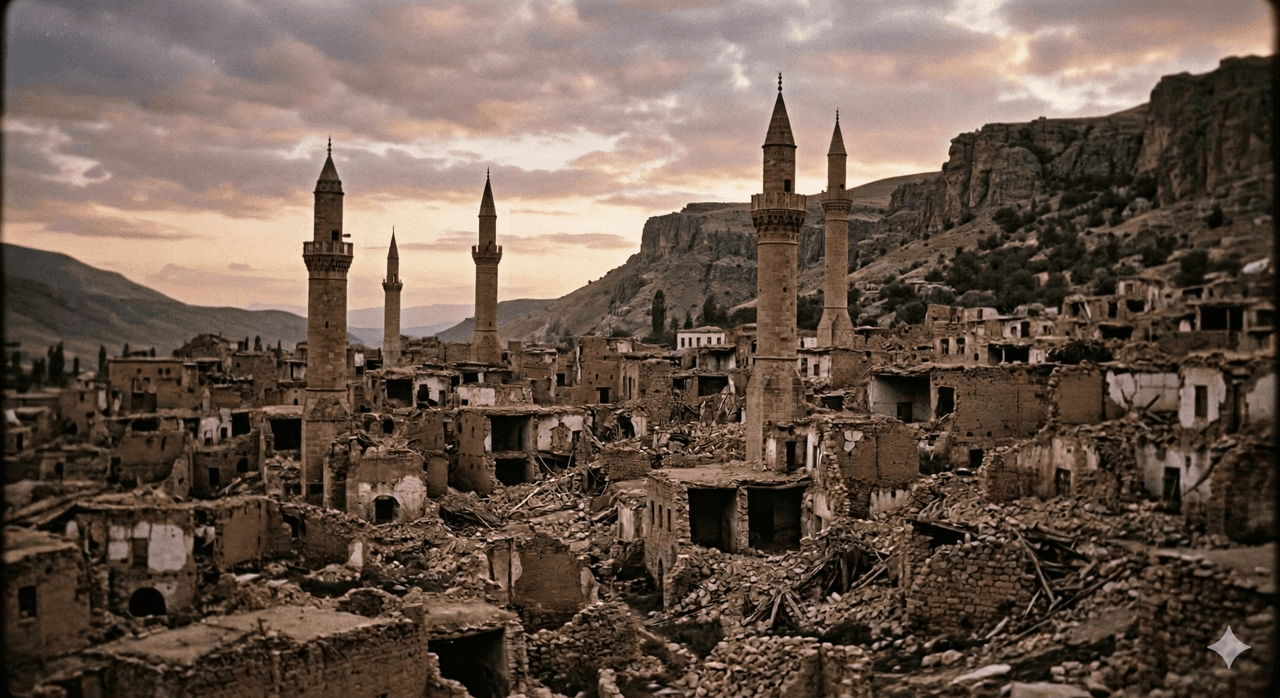
Beş Minare (Folk Song) in Bitlis
“Beş Minare in Bitlis” is a historical legend and lament that emerged during the Russian occupation of Bitlis in the years of the First World War, shaped by forced migrations and the extensive destruction the city endured. Over time, it acquired a musical form and became embedded in the regional culture. As a local oral narrative, this legend addresses the social devastation caused by the war and the grim reality faced by civilians who were compelled to abandon their homes and, upon returning, f
EN
Selahattin Köseoğlu
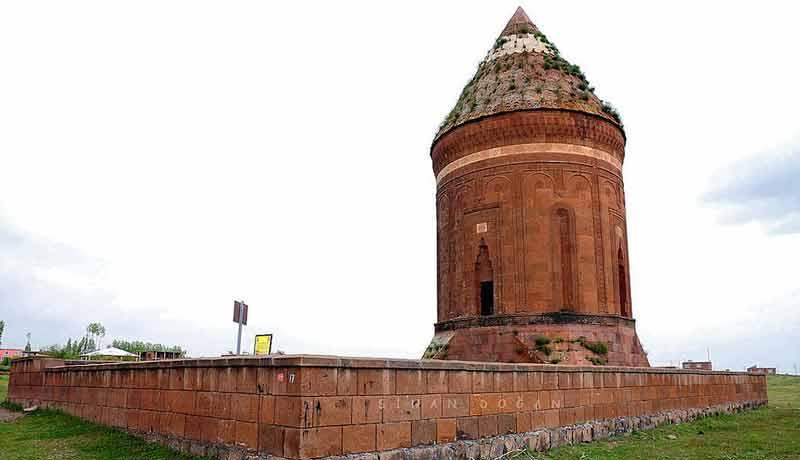
Master and Apprentice Mausoleum
The Usta Şagirt Kümbeti, located in the Ahlat district of Bitlis province, is the largest example of Seljuk-era tombs in the region and is also commonly known among the local population as “Ulu Kümbet.” The structure was built in the İyiler (Eyiler) locality of Ahlat’s İki Kubbe Mahallesi, near the Seljuk Cemetery and close to Lake Van. History and Period Classification No inscription identifying the construction date or the founder has been found on the tomb. Due to this absence, the exact date
EN
Zerrin Bayar