

`ethnography-museum` Related Article Results
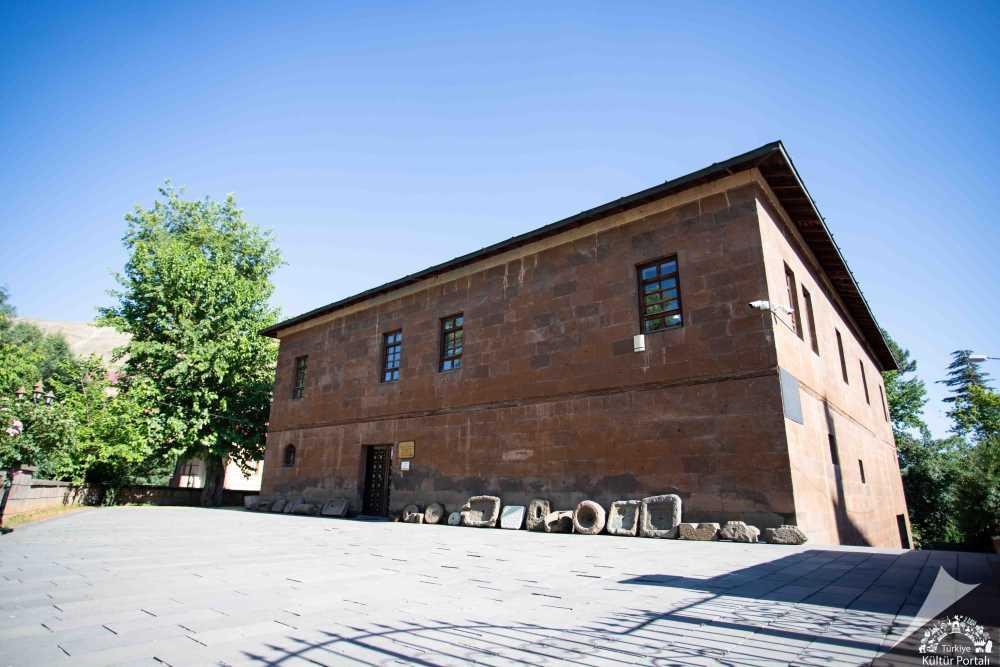
Bitlis Ethnography Museum
Bitlis Ethnography Museum is located in the center of Bitlis city and operates as a unit under the Ahlat Museum Directorate. The museum was opened to the public on 13 September 2005 with the aim of preserving and promoting the region’s historical and cultural heritage. Bitlis Ethnography Museum(Archaeology House Art Publications) " image-alternate="" image-element-format="right"> Historical Building and Architectural Features The building used as a museum previously served as the Governor Man
EN
Asiye Tan
 De
DeDenizli Atatürk House and Ethnography Museum
Denizli Atatürk House and Ethnography Museum is a cultural building located in the city center of Denizli, at 459 Saraylar Street. Although no definitive document exists regarding the construction date of the museum building, research indicates that it was built in the late 19th century by the Greek-origin architect Kimon Vandazoflus. During the early years of the Republic, the building served as a party headquarters and holds historical significance as the place where Mustafa Kemal Atatürk spen
EN
Meltem Saraç
Merkezefendi (District)
Merkezefendi is one of the central districts of Denizli Province in the Aegean Region. The district was established on 6 December 2012 in accordance with Law No. 6360 published in the Official Gazette, following Denizli’s acquisition of metropolitan municipality status.【1】 The district’s boundaries consist of 50 neighborhoods formed by abolishing the legal personality of 42 neighborhoods, two municipalities, and six villages within the central area and incorporating them as neighborhoods. The di
EN
Gülbahar Yetiş
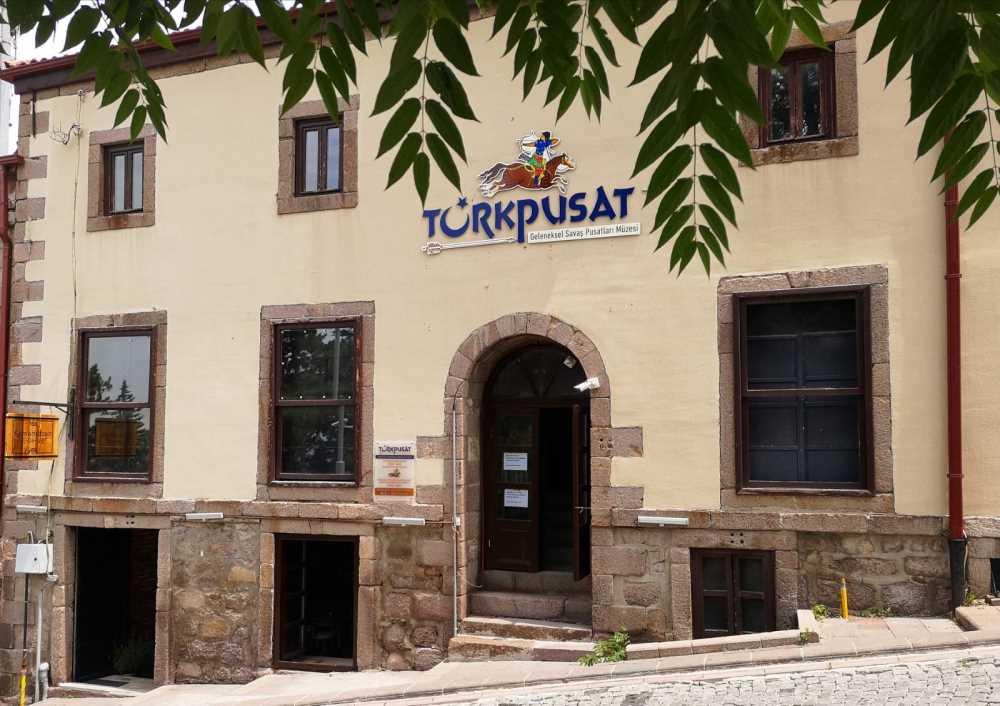
Turkpusat Traditional War Centers Museum
Türkpusat Traditional Warfare Equipment Museum is a thematic specialized museum dedicated to introducing the traditional warfare equipment (pusatlar) used by the Turks throughout history, preserving this cultural heritage, and transmitting it to future generations. While embracing contemporary museum practices, the museum offers visitors the opportunity to interact with historical artifacts, experience workshop activities, and engage in hands-on learning through its “touchable museum” principle.
EN
Ahsen Güneş
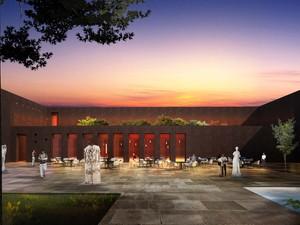
Manisa Anemon Archaeology and Ethnography Museum
Manisa Anemon Archaeology and Ethnography Museum is a museum currently under construction in Manisa. Planned on a 10-dunam plot allocated by the Provincial Special Administration and sponsored by Anemon Tourism Trade and Construction Inc., the museum has been designed to display Manisa’s archaeological and ethnographic artifacts, aiming to resolve the inadequate exhibition space currently faced by the existing Manisa Museum located within the Muradiye Külliyesi. Relocation efforts to the new bui
EN
Yunus Emre Sağlam
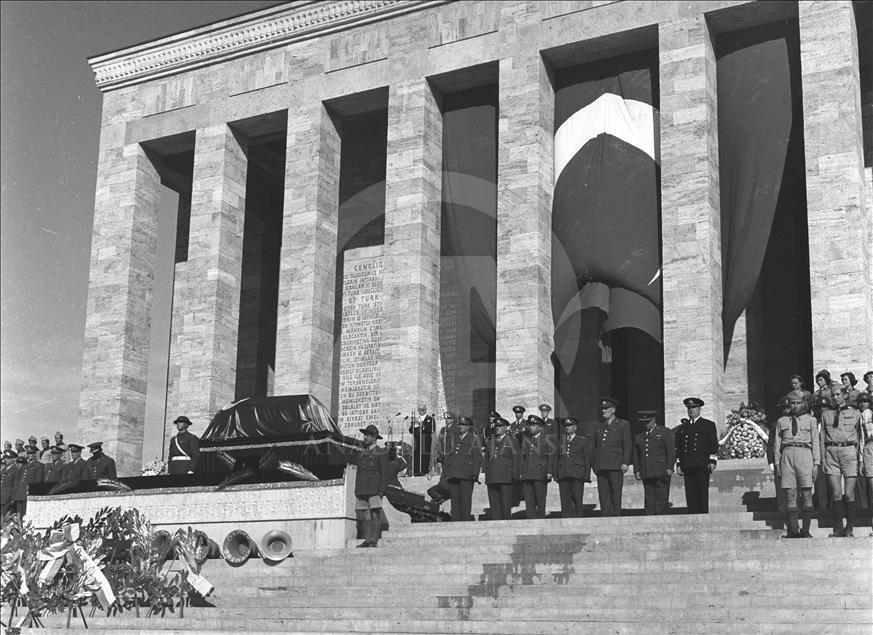
The Transfer of Atatürk’s Remains from Istanbul to Ankara
The transportation of Atatürk’s coffin from Istanbul to Ankara refers to the funeral process that began following the death of Mustafa Kemal Atatürk in Istanbul on 10 November 1938. This process was both a manifestation of official and societal respect for the founding leader of modern Türkiye Republic and a multi-stage event organized within the framework of state protocol. Atatürk’s body was temporarily preserved at the Ankara Ethnography Museum until it was transferred to Anıtkabir on 10 Nove
ENYunus Emre Sağlam
KıKızılkule
Kızılkule (Red Tower) is a defensive and observation structure built in 1226 by Sultan I. Alaaddin Keykubad of the Anatolian Seljuk Empire to protect Alanya Castle and the planned Alanya Shipyard from attacks from the sea. It takes its name from the red bricks used in its construction. Located in the port area of Alanya, the structure occupies a commanding position overlooking the sea. It has an octagonal plan and five floors. It is considered one of the leading examples of 13th-century Seljuk d
EN
Melike Saraç
KuKuruköprü Memorial Museum and Traditional Adana House
Kuruköprü Memorial Museum and Traditional Adana House is one of the significant structures reflecting Adana’s historical, cultural, and architectural heritage. Serving both as a museum complex and a cultural landmark, it has fulfilled various functions from the past to the present. Tanzimat Edict and the Church's Construction The Tanzimat Edict, proclaimed in 1839, granted new rights to non-Muslim communities within the Ottoman Empire. Among these were the rights to build places of worship and t
ENMeltem Saraç
ToTokat Atatürk House and Ethnography Museum
Tokat Atatürk House and Ethnography Museum is located in the Devegörmez neighbourhood, Devegörmez Street, in the centre of Tokat. The building is a civil mansion representative of late Ottoman residential architecture. Restored faithfully to its original state and converted into a museum, the house serves both as a spatial witness to Atatürk’s historic visits to Tokat and as an ethnography museum reflecting the traditional lifestyle of the period. Historical Significance and Atatürk’s Visits Mus
ENMeltem Saraç
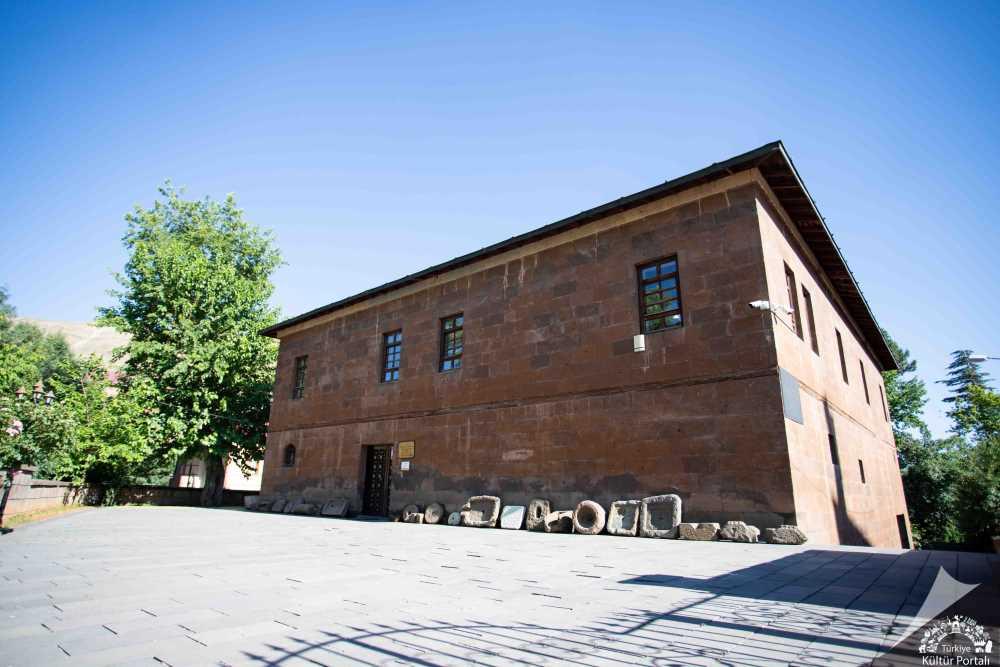
Bitlis Ethnography Museum
Bitlis Ethnography Museum is located in the center of Bitlis city and operates as a unit under the Ahlat Museum Directorate. The museum was opened to the public on 13 September 2005 with the aim of preserving and promoting the region’s historical and cultural heritage. Bitlis Ethnography Museum(Arkeoloji Ev Sanat Yayınları) " image-alternate="" image-element-format="right"> Historical Building and Architectural Features The building used as a museum previously served as the Governor’s Residen
EN
Asiye Tan