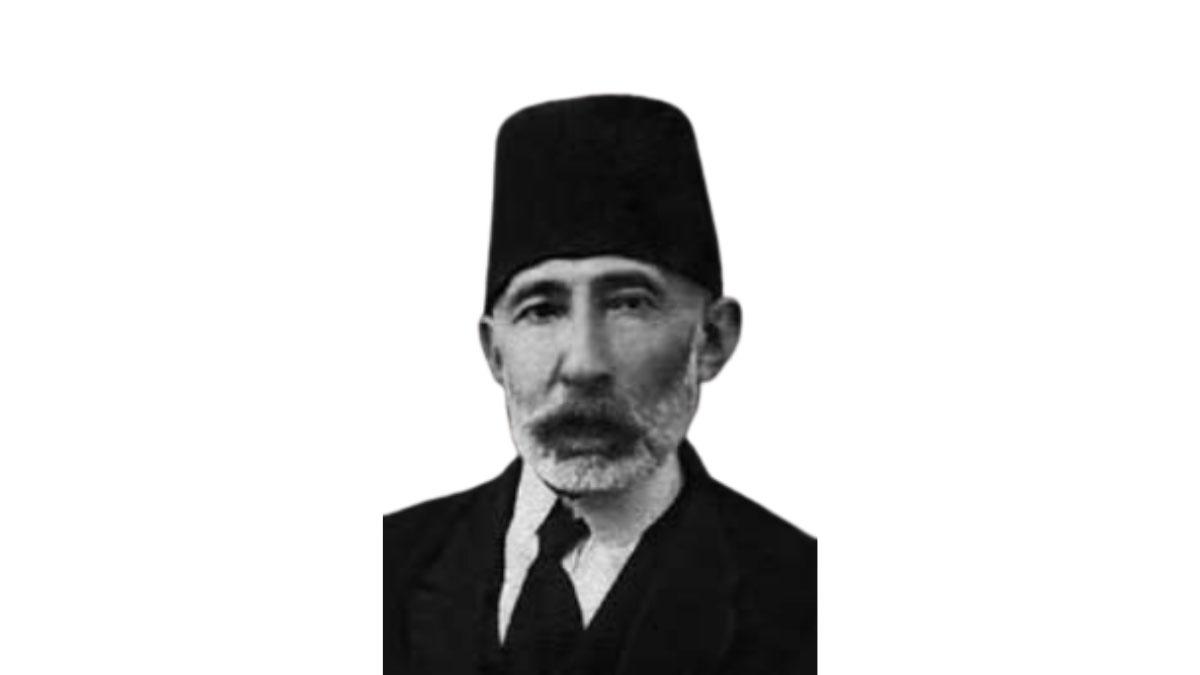

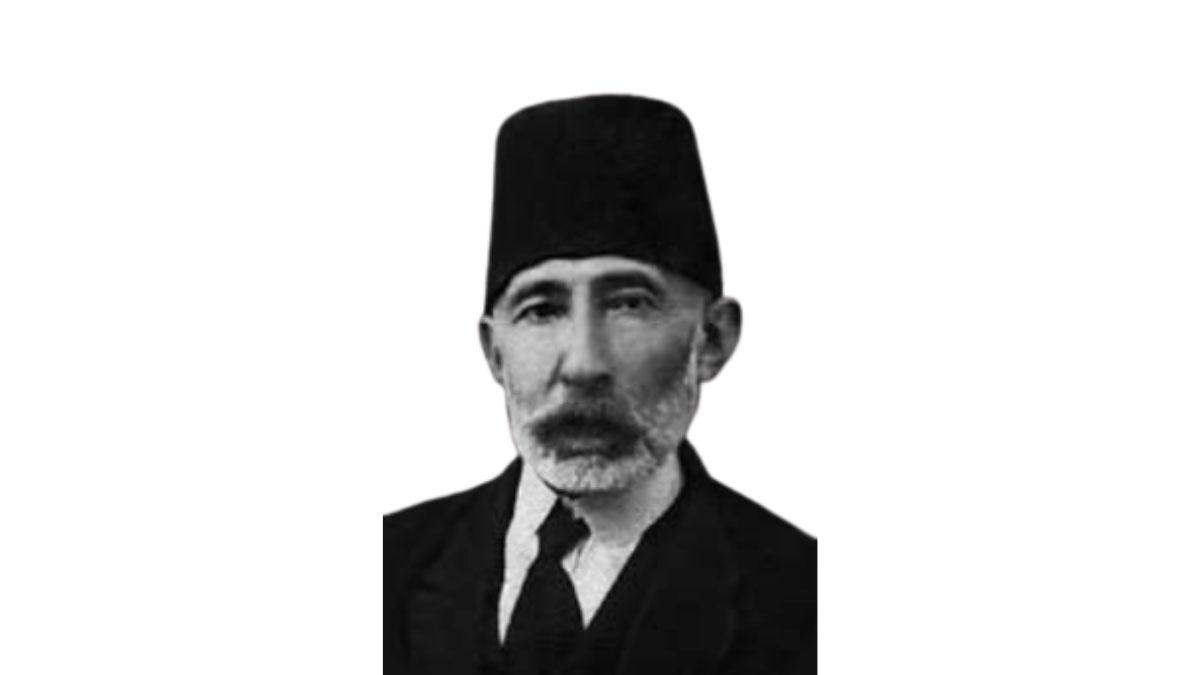

Death(Text) | 26 October 1948, Çankırı | ||||||||
|---|---|---|---|---|---|---|---|---|---|
Birth(Text) | 1864, Çankırı | ||||||||
Education | Fatih Medresesi | ||||||||
Burial Place | Sarıbaba Cemetery, Çankırı | ||||||||
Literary Identity | Wrote poems under the pseudonym 'Talat' | ||||||||
Military Medal | Green Ribbon Independence Medal | ||||||||
Ministerial Position | Ministry of Justice (1922) | ||||||||
Parliamentary Membership | Ottoman Chamber of Deputies, TBMM (1920–1923) | ||||||||
Profession(s) | Politician Writer Poet | ||||||||
In the final period of the Ottoman State and the early years of the Republic of Türkiye, Behçet Kutlu served in politics, law, and literature. He was a deputy for Çankırı in the Ottoman Chamber of Deputies and the First Term of the Grand National Assembly of Türkiye. In addition to his parliamentary activities, he briefly held a position in the Ministry of Justice. Kutlu, who knew Arabic, Persian, and some French, was also interested in poetry and music. It is known that he led a simple life, avoided mingling extensively with the public, and burned his own poetry journal. He died on 26 October 1948 and was buried in the Çankırı Sarıbaba Cemetery.
Behçet Bey, born in Çankırı in 1864, was the son of Şâkir Efendizâde Abdullah Hilmi Efendi and Emine Hanım. After completing his primary and secondary education at the Çankırı Rüştiyesi, he studied at a medrese and later graduated from the Fatih Medresesi. In 1883 he began his civil service as a court clerk at the Çankırı Bidayet Court, followed by postings at the Liva Nafia Office and the Liva Population Directorate. In 1894 he was appointed as a member of the Bidayet Court.
With the proclamation of the Second Constitutional Era, Behçet Kutlu was elected in the 1908 elections as a deputy from the Kastamonu Vilayet to the Ottoman Chamber of Deputies. Within the Chamber, he served on numerous committees, including as chair of the Interior Affairs Committee. He was re-elected in 1914 but did not serve during that term due to the annulment of the Çerkeş district elections. In 1919 he returned to the Chamber as a deputy from Kastamonu, but the Chamber of Deputies was dissolved in 1920.
In the same year, he moved to Ankara and joined the Grand National Assembly of Türkiye as a deputy for Çankırı. He served on various committees within the TBMM, including those on the constitution, interior affairs, finance, petitions, and civil service disputes. In 1922 he was elected Chairman of the Fourth Committee. He also acted as Minister of Justice during the absence of Minister Celalettin Arif Bey. During this period, he opposed certain death sentences issued by the Independence Tribunals and refused to sign them.
During the Ottoman and TBMM periods, Behçet Kutlu actively participated in parliamentary proceedings with a total of 124 speeches, 33 proposals, five oral questions, and one bill. His activities covered a wide range of topics including military regulations, judicial reforms, budgetary matters, the status of public employees, taxation, import duties, and amnesty proposals. In 1922, a bill he submitted together with colleagues calling for the annulment of a ruling against members of the Konya Bidayet Court was accepted.
Due to emerging ideological divisions within the Assembly, some sources classify him as belonging to the Second Group, while others list him as an independent. After his term as a deputy ended in 1923, he withdrew from active politics and returned to Çankırı. He retired from civil service on 1 September 1928. With the implementation of the Surname Law, he adopted the surname “Kutlu”.
Behçet Kutlu, who was also a poet, used the pen name “Talat” and participated in poetic contests during his youth alongside other poets from Çankırı. His poetry reflects the influence of Namık Kemal and follows the Servet-i Fünun tradition. He burned the collection of his poems, though some were later published by Ahmet Talat Onay. According to Onay, his prose is stronger than his verse. He also showed interest in music and preferred a simple, ascetic lifestyle. He wrote letters and poems in Ottoman Turkish for the book Çankırı Şairleri.
Behçet Kutlu died on 26 October 1948 and was buried in the Çankırı Sarıbaba Cemetery. He was married and the father of two children. In recognition of his service in the TBMM, he was awarded the Green Ribbon Independence Medal; additionally, Mustafa Kemal Paşa presented him with a rifle and 300 bullets in honor of his participation in the Battle of Sakarya.
Büyüktolu, Recep. “Behçet Kutlu (1864–1948).” *Atatürk Ansiklopedisi*. Accessed July 10, 2025. https://ataturkansiklopedisi.gov.tr/detay/1526/Behçet--Kutlu-(1864-1948)
“Behçet Kutlu (1864–1948).” *Cansaati.org*. Date Published: October 27, 2017. Accessed July 10, 2025. https://cansaati.org/2017/10/27/cbk-behcet-kutlu-1864-1948/
“Mehmet Behçet Kutlu.” TEİS Türkiye Edebiyatçılar ve İlim İnsanları Sözlüğü. Accessed July 10, 2025. https://teis.yesevi.edu.tr/madde-detay/mehmet-behcet-kutlu
Death(Text) | 26 October 1948, Çankırı | ||||||||
|---|---|---|---|---|---|---|---|---|---|
Birth(Text) | 1864, Çankırı | ||||||||
Education | Fatih Medresesi | ||||||||
Burial Place | Sarıbaba Cemetery, Çankırı | ||||||||
Literary Identity | Wrote poems under the pseudonym 'Talat' | ||||||||
Military Medal | Green Ribbon Independence Medal | ||||||||
Ministerial Position | Ministry of Justice (1922) | ||||||||
Parliamentary Membership | Ottoman Chamber of Deputies, TBMM (1920–1923) | ||||||||
Profession(s) | Politician Writer Poet | ||||||||
Educational and Civil Service Years
Roles in the Chamber of Deputies and the TBMM
Parliamentary Activities
Political Position and Later Life
Literary Personality
Death and Legacy