This article was automatically translated from the original Turkish version.
Baroque period was an artistic movement that flourished in Europe from the late 16th century to the mid-18th century and manifested itself in architecture painting sculpture music and other art disciplines. The term “Baroque” derives from the Portuguese word “barroco” meaning irregular pearl. This style emerged as a reaction against the balanced and restrained aesthetics of the Renaissance adopting a more dynamic exaggerated and emotionally charged mode of expression.
Baroque architecture is distinguished by its grandeur and ornamental richness. Rounded forms curved lines wide staircases massive columns and elaborate decorations are defining features of this style. It had a profound influence on church and palace architecture. Important examples include the Church of San Carlo alle Quattro Fontane in Rome and the Palace of Versailles in France.
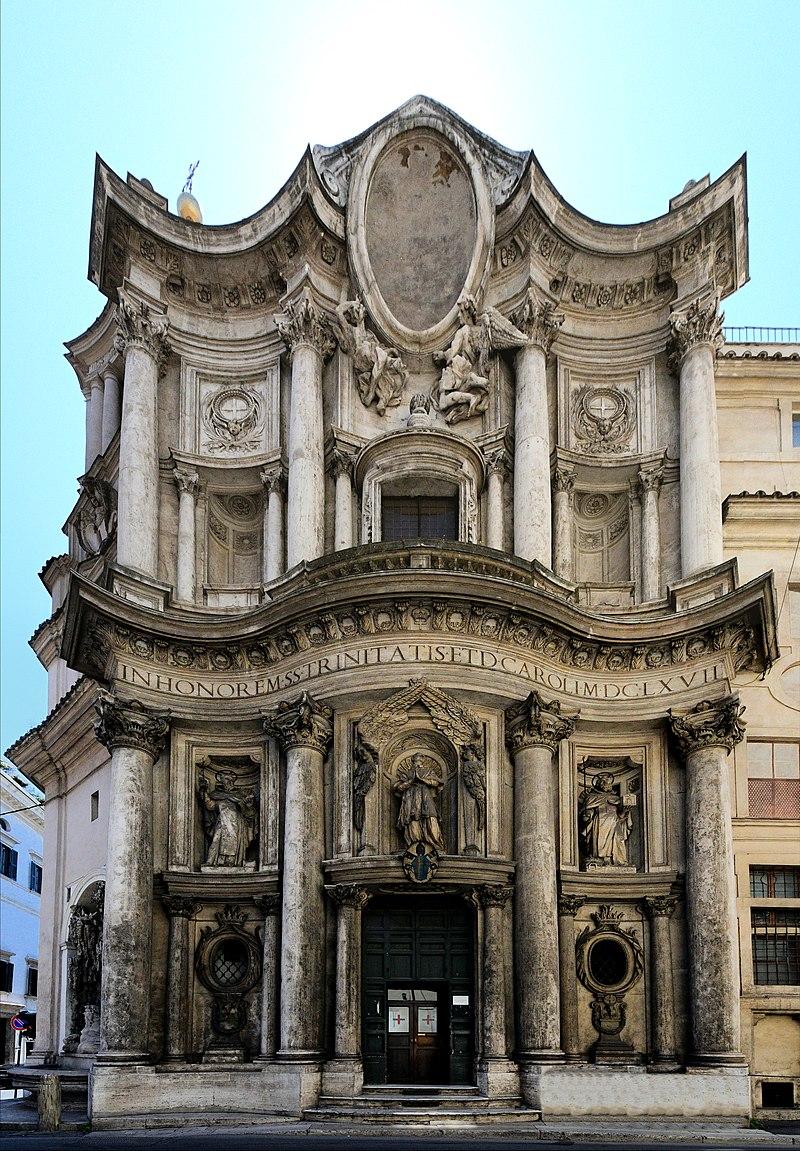
San Carlo alle Quattro Fontane Church - Architecture
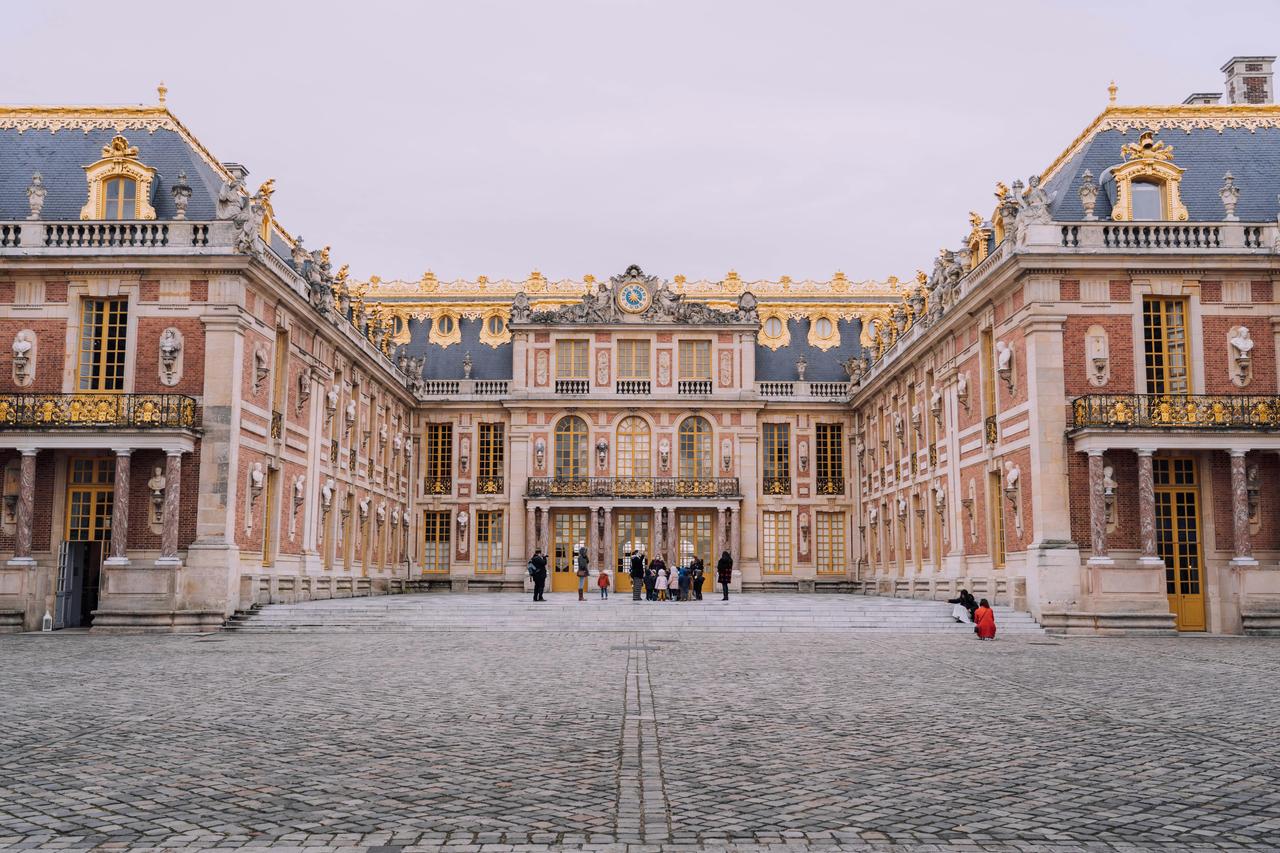
Palace of Versailles - Palace of Versailles architecture
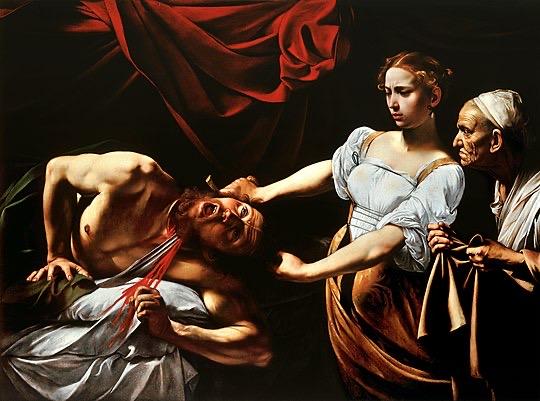
In Baroque painting alongside religious and mythological subjects portraits landscapes and scenes of daily life were also depicted. Dramatic effects were achieved through the use of light and shadow and figures were rendered with dynamic poses and expressive emotion. Prominent artists include the Italian painter Caravaggio the Dutch painter Rembrandt and the Flemish painter Peter Paul Rubens.
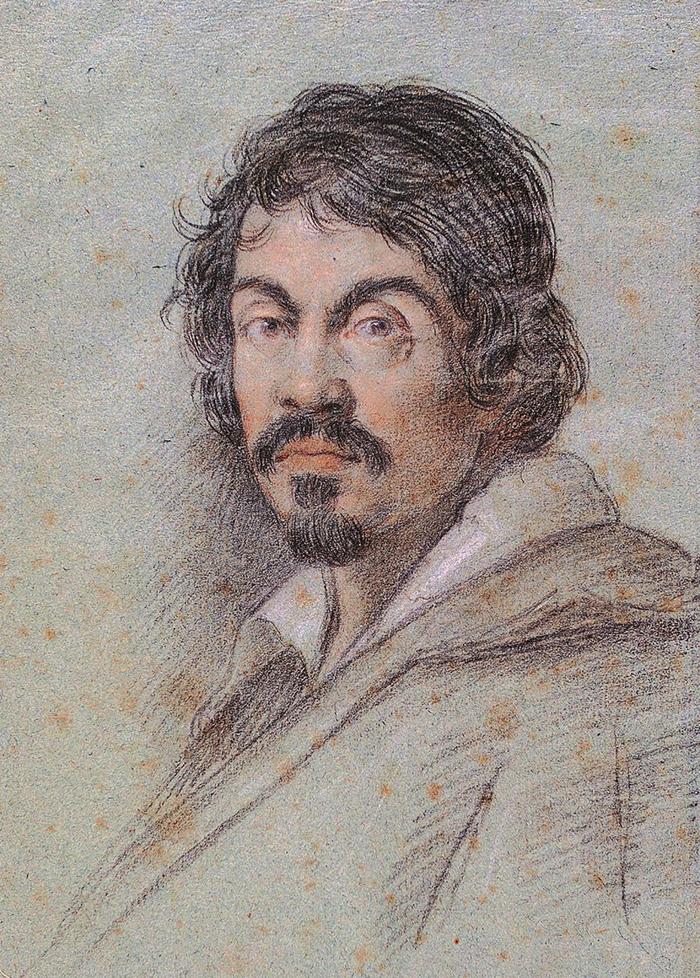
Caravaggio -
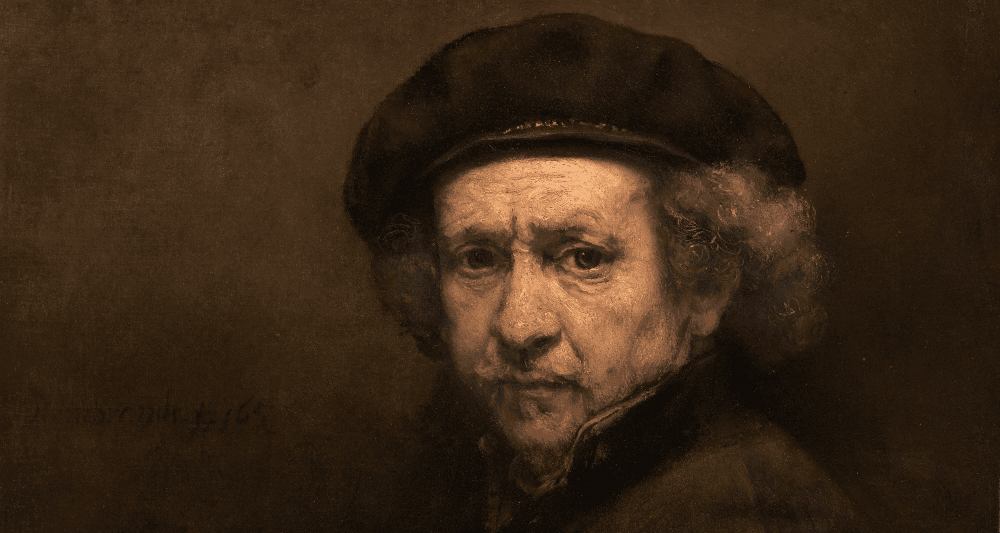
Rembrandt - self-portrait
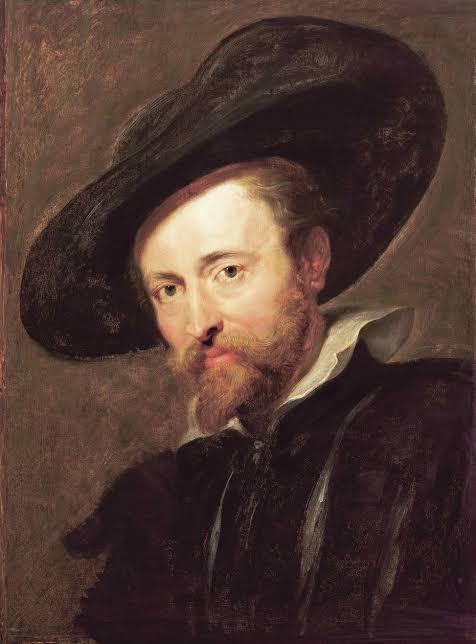
Peter Paul - self-portrait
In sculpture movement and emotional expression were paramount. Figures were depicted in dynamic poses with intricate and exaggerated detail. The Italian sculptor Gian Lorenzo Bernini is one of the most important representatives of Baroque sculpture. His work “The Ecstasy of Saint Teresa” is a significant example that embodies the spirit of the era.
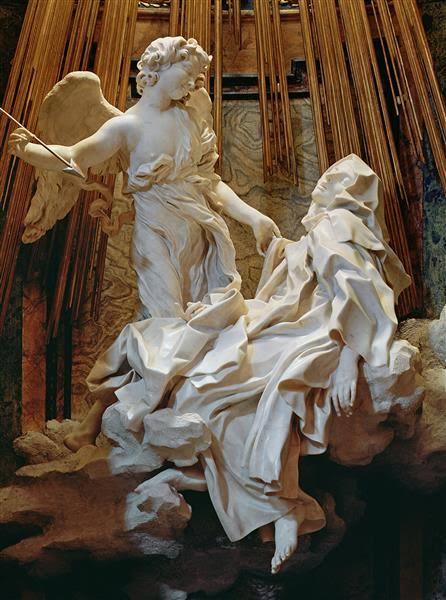
Gian Lorenzo Bernini - The Ecstasy of Saint Teresa
The Baroque period in music is generally dated from 1600 to 1750. During this time the technique of counterpoint developed and new musical forms such as opera emerged. Prominent composers include Johann Sebastian Bach George Frideric Handel and Antonio Vivaldi.
Caravaggio: “Judith Beheading Holofernes”
Rembrandt: “The Night Watch”
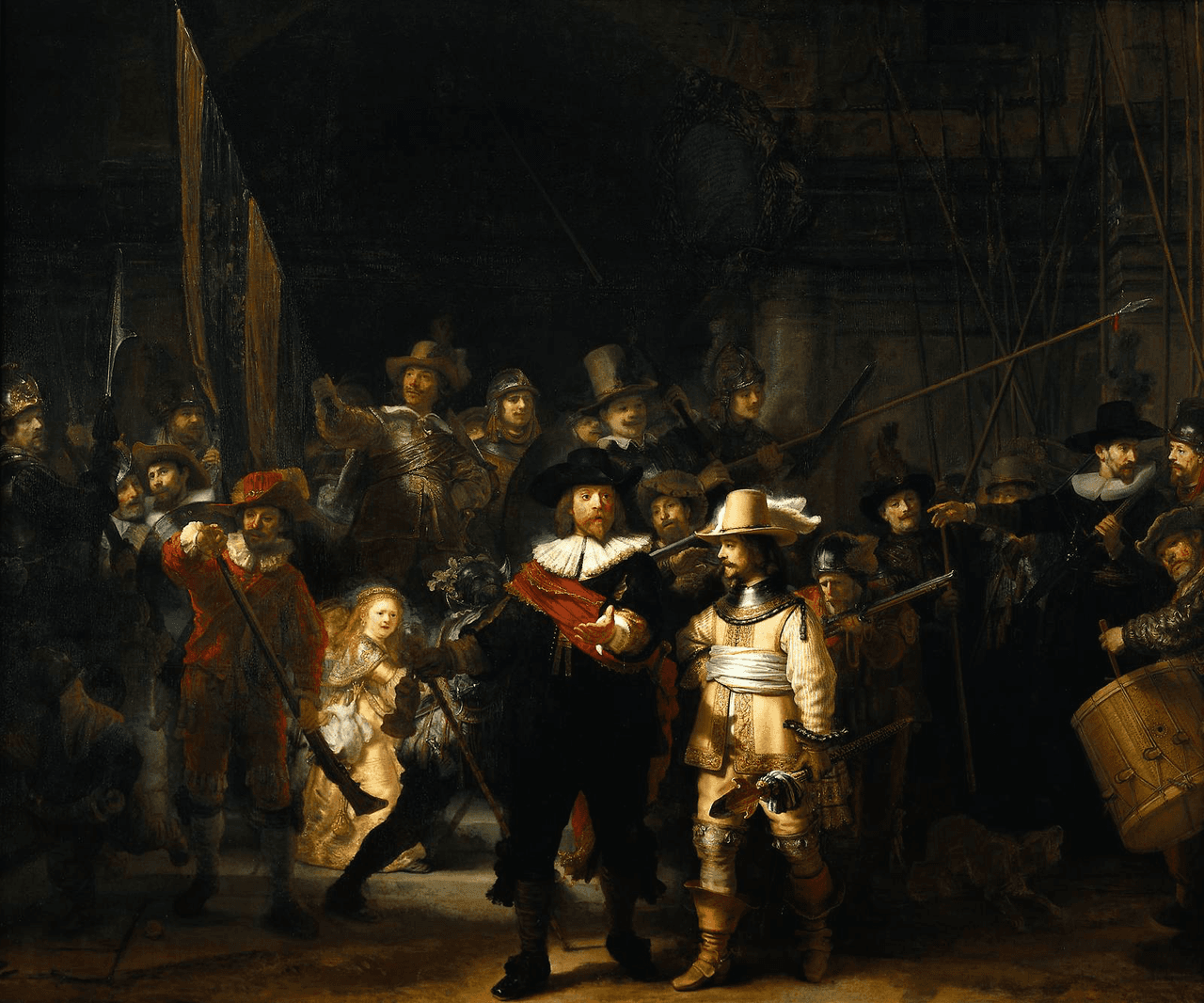
Rembrandt - The Night Watch
Peter Paul Rubens: “The Descent from the Cross”
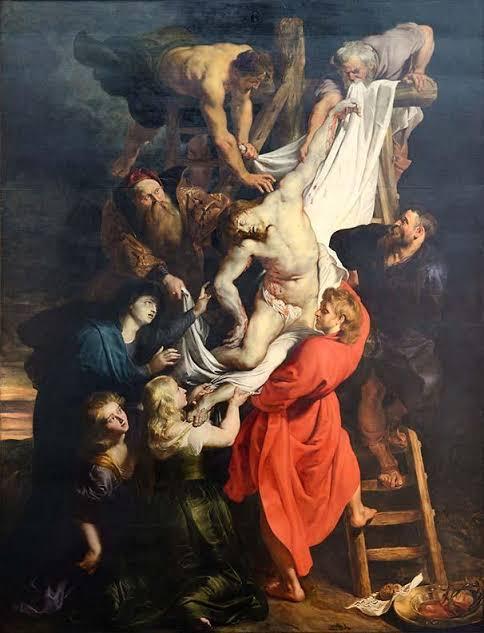
Peter Paul Rubens - The Descent from the Cross
Caravaggio:“The Calling of Saint Matthew”
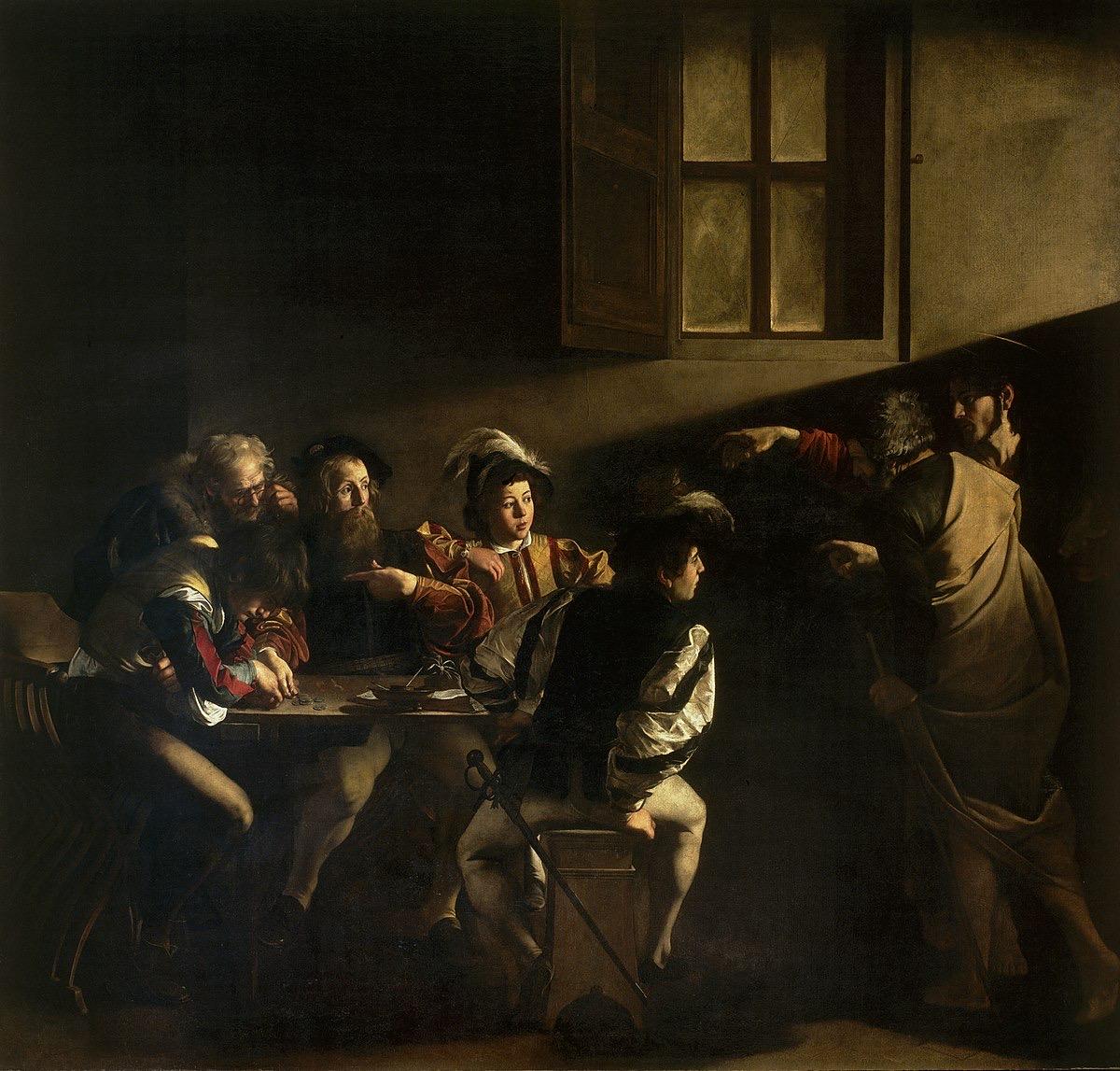
Caravaggio - The Calling of Saint Matthew
Diego Velázquez: “Las Meninas”
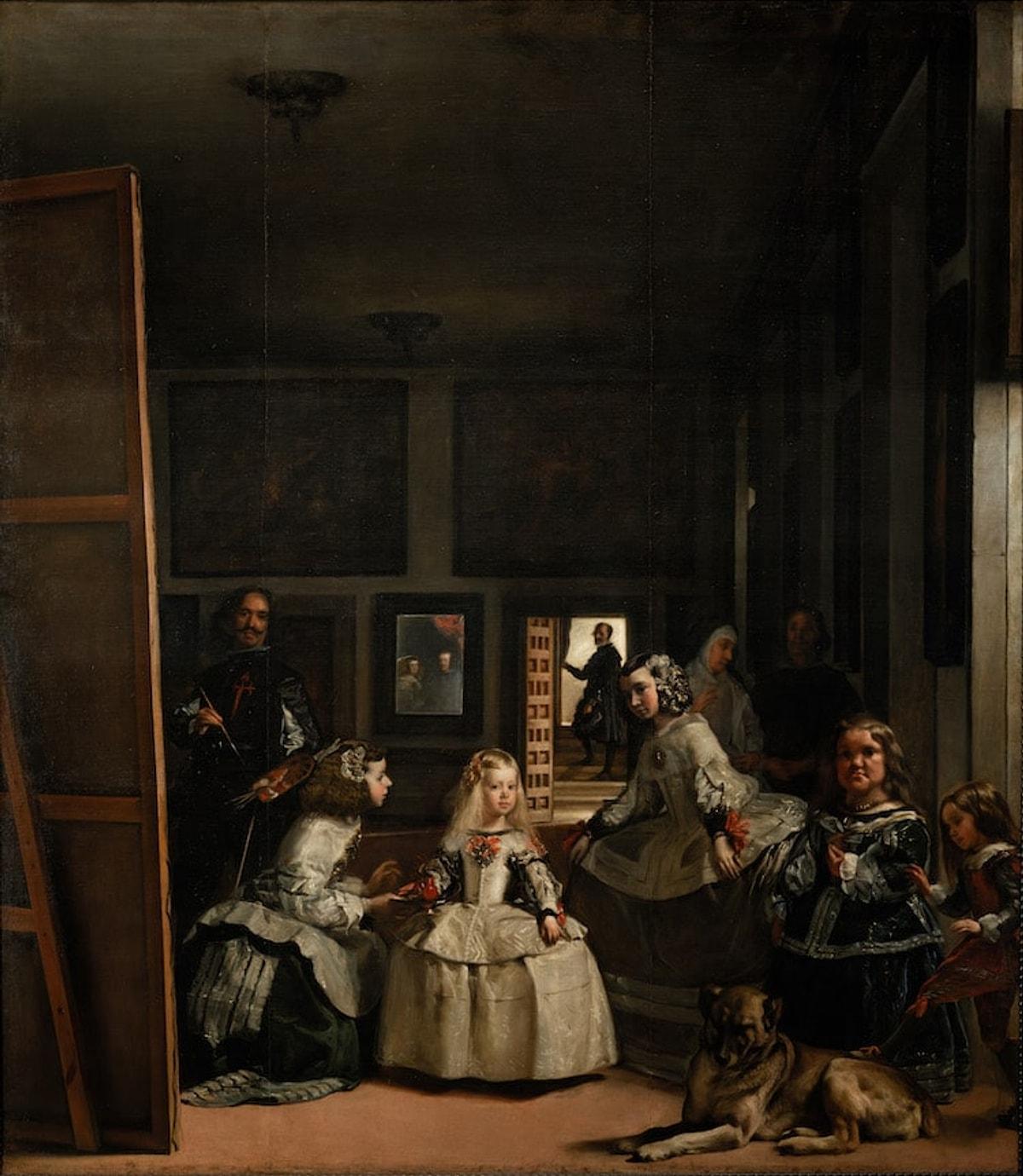
Diego Velázquez - Las Meninas
Baroque art was interpreted and applied in various ways across different regions of Europe. It was especially prominent in Catholic countries where it was used extensively in religious architecture and artworks. This style embraced an exaggerated and ornate aesthetic with the aim of engaging viewers and establishing an emotional connection.
Bazin, Germain. Barok ve Rokoko Sanatı. Trans. Francis E. Haskell. New York: Praeger, 1964.
Blunt, Anthony. Barok ve Rokoko: Mimari ve Dekorasyon. London: Collins, 1978.
Martin, John Rupert. Barok. New York: Harper & Row, 1977.
Wölfflin, Heinrich. *Rönesans ve Barok*. Trans. Kathrin Simon. Ithaca, NY: Cornell University Press, 1966.

No Discussion Added Yet
Start discussion for "Baroque Art and Works" article
General Characteristics of Baroque Art
Baroque Architecture
Baroque Painting
Baroque Sculpture
Baroque Music
Baroque Artists and Their Works