

`baroque-architecture` Related Article Results
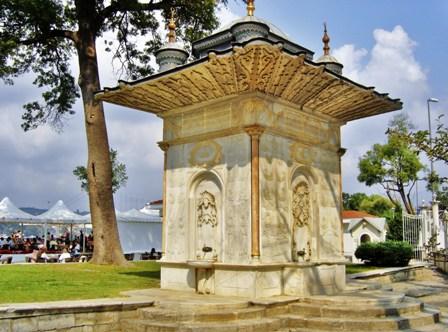
Mihrişah Sultan Fountain
Mihrişah Sultan Fountain is an monumental public fountain built in 1806 by Ottoman Sultan Selim III in memory of his mother, Mihrişah Sultan, located at the entrance of the Küçüksu Pavilion on the Asian shore of the Bosphorus in Istanbul. Notable for its architecture that reflects the transition between Baroque and Empire styles, the structure is regarded as one of the most refined examples of classical public architecture along the Bosphorus. Situated on Küçüksu Street within the boundaries of
EN
Ahsen Güneş
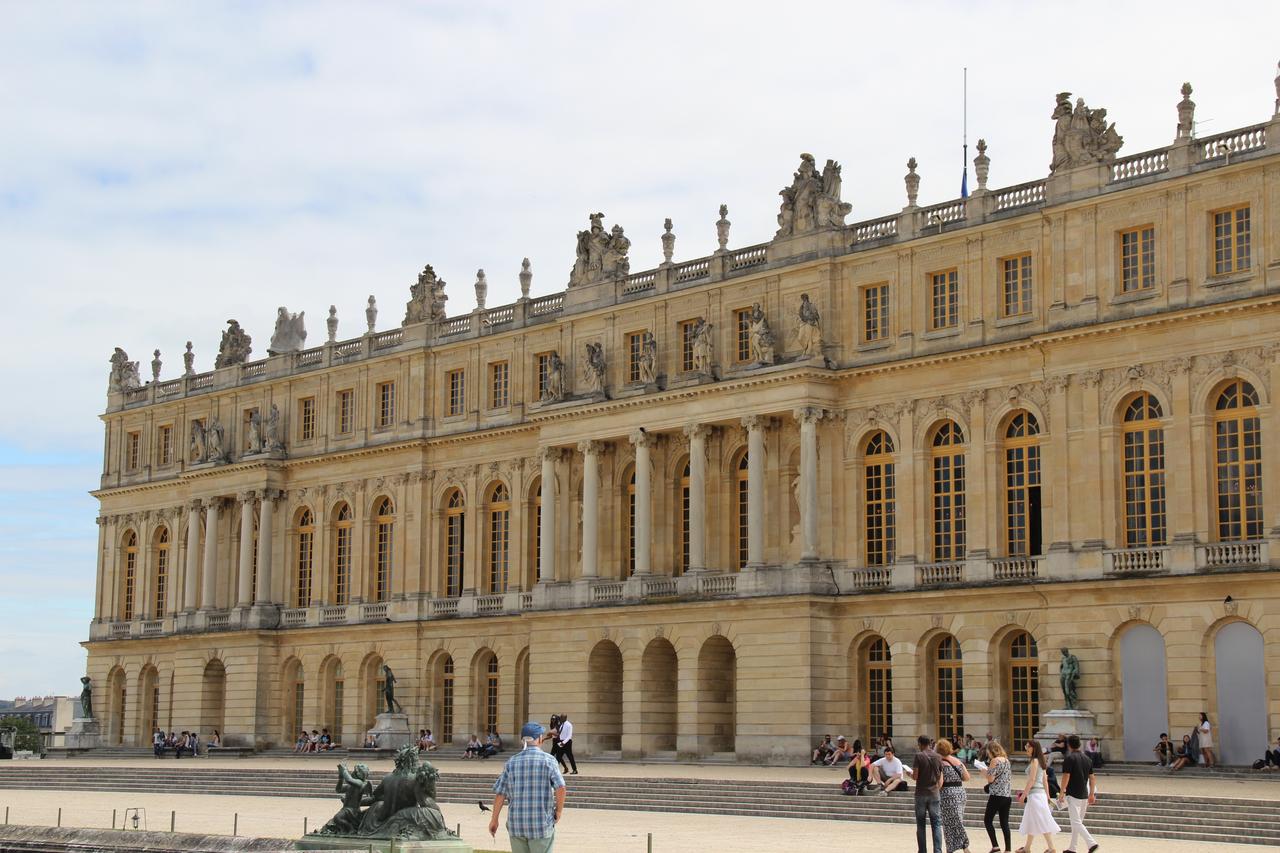
Palace of Versailles
Palace of Versailles, France’s Île-de-France region, located southwest of Paris, is a royal palace regarded as one of the most important representatives of 17th-century French art. It has been listed on the UNESCO World Heritage List since 1979 and holds universal value both architecturally and in terms of landscape design. Originally constructed as a small hunting lodge by Louis XIII, it was transformed and expanded by his son Louis XIV in 1682 into the royal residence and center of government.
EN
Miray GÜR
Baroque Art and Works
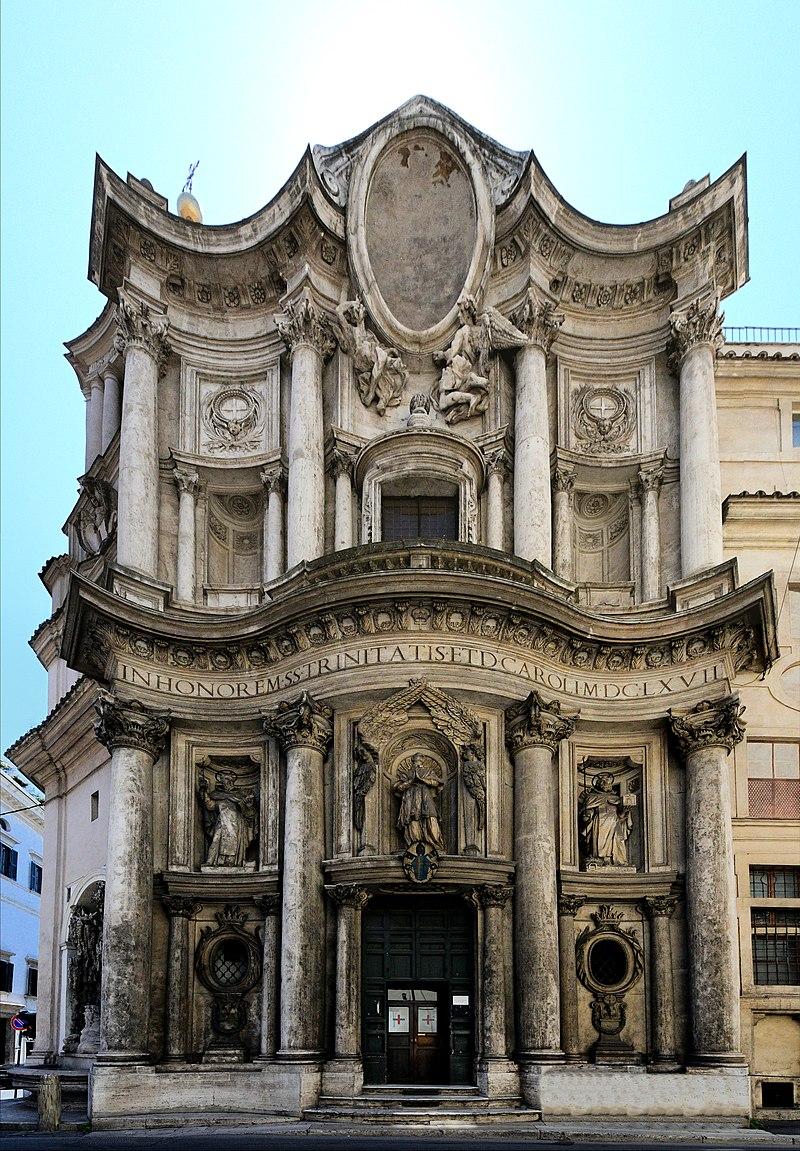
Baroque period was an artistic movement that flourished in Europe from the late 16th century to the mid-18th century and manifested itself in architecture painting sculpture music and other art disciplines. The term “Baroque” derives from the Portuguese word “barroco” meaning irregular pearl. This style emerged as a reaction against the balanced and restrained aesthetics of the Renaissance adopting a more dynamic exaggerated and emotionally charged mode of expression. General Characteristics of
EN
Esmanur Demir
Basilica of Saint Peter
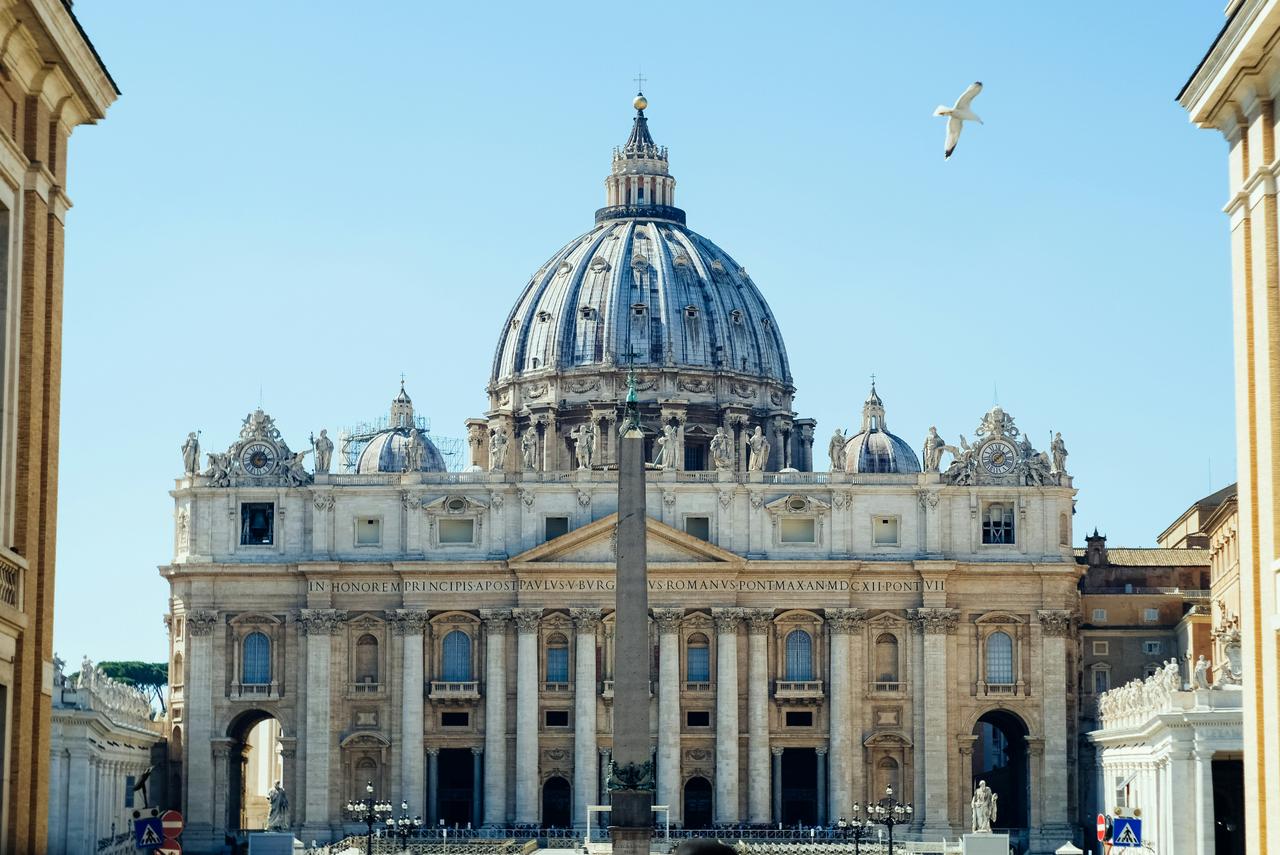
Basilica of Saint Peter is a monumental church located on Vatican Hill, west of Rome, and is regarded as one of the most sacred sites in Catholic Christianity. Originally constructed in the early fourth century during the reign of Emperor Constantine, the structure was built over the site believed to house the tomb of Saint Peter. Through successive architectural transformations, it has become a representative monument of Early Christian, Renaissance, and Baroque periods. The present basilica is
EN
Nazlı Kemerkaya
Baroque Architecture
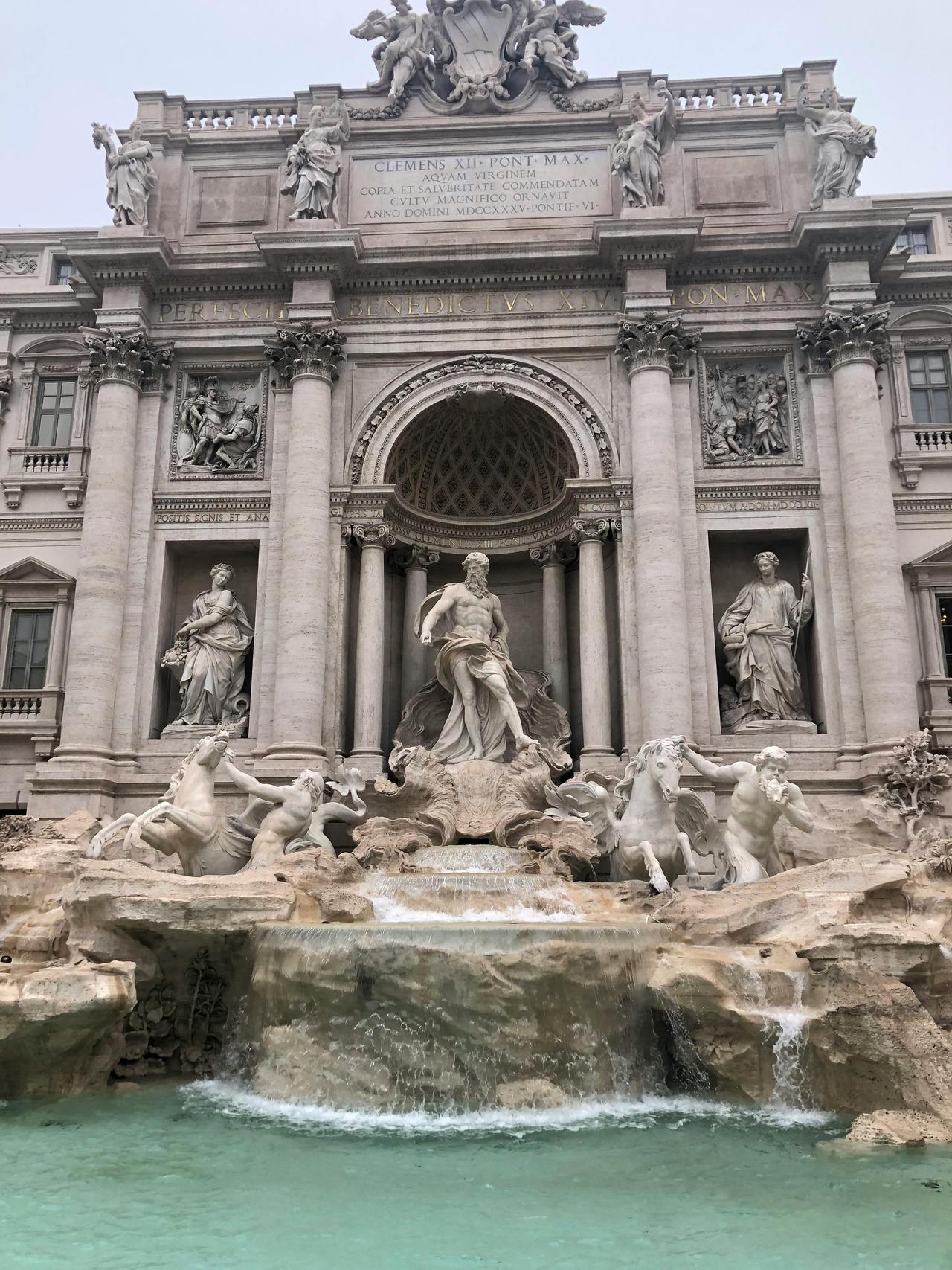
Baroque architecture is an architectural style that emerged in the early 17th century in Rome, Italy, and quickly gained widespread popularity across Europe. It developed in opposition to the balanced, measured, and rational approach of Renaissance architecture, offering an aesthetic that prioritized movement, depth, and emotional impact. This style was shaped not only by artistic preferences but also by the religious and political conditions of the era. The Catholic Church’s Counter-Reformation
EN
Esra Özkafa
Ismail Ağa Camii
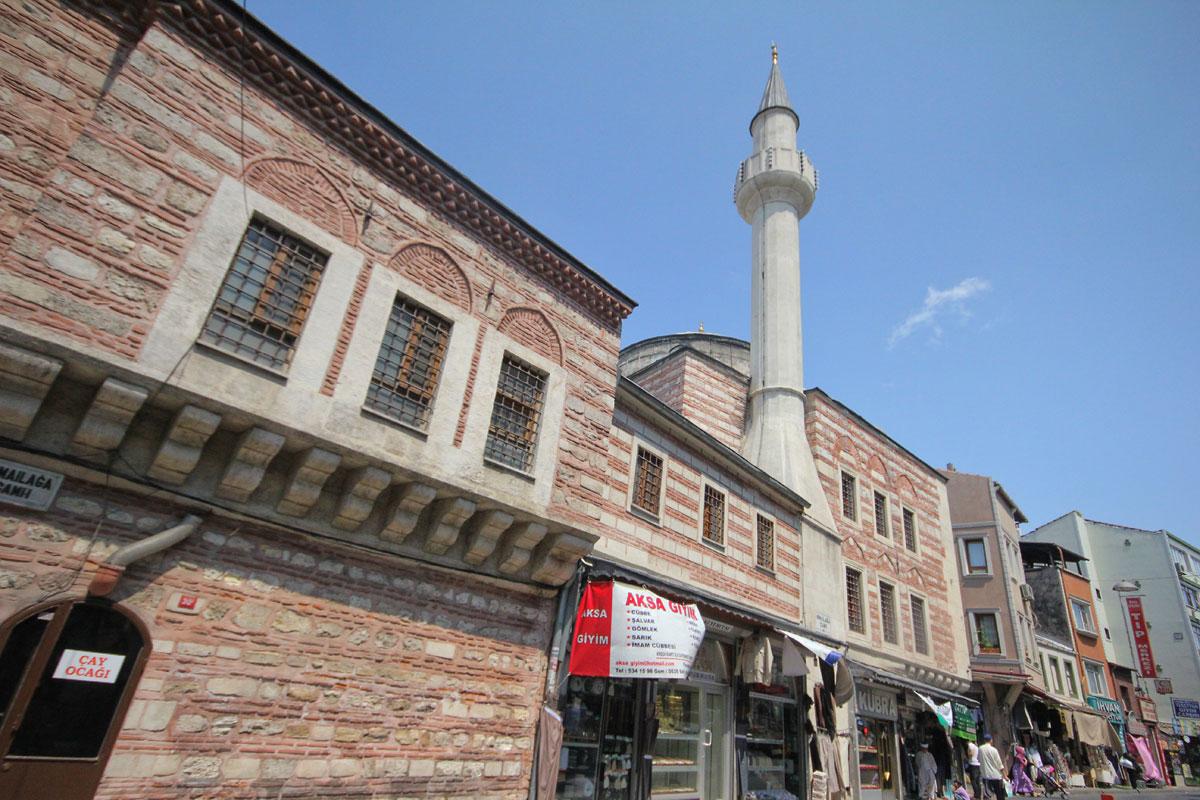
History Founder of the Mosque İsmail Ağa Mosque was constructed in 1723 by Ebu İshak İsmail Efendi, the Ottoman Sheikh al-Islam. The site on which the mosque stands is the founder’s own residence and stands out as a synthesis of the architectural style characteristic of the Ottoman Tulip Period, blending Islamic architecture with local elements. The mosque’s dimensions were designed to correspond to the width, length, and height of the Kaaba-i Şerîf. The Great Istanbul Earthquake and Its Afterma
EN
Kerem Akıl
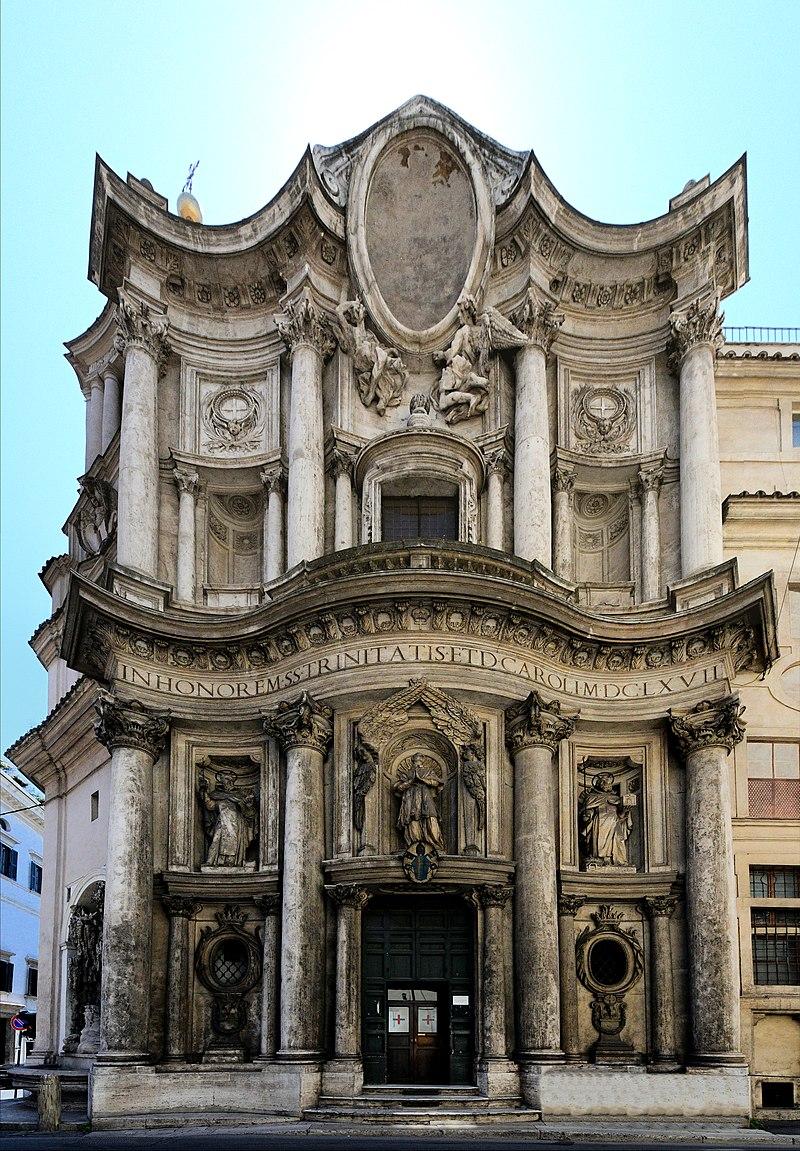
Baroque Art and Works
Baroque period is an artistic movement that flourished in Europe from the late 16th century to the mid-18th century and manifested in architecture painting statue music like art and other fields. The term “Baroque” is derived from the Portuguese word “barroco” meaning “irregular pearl.” This style emerged as a reaction to Renaissance’s balanced and restrained aesthetics embracing a more dynamic exaggerated and emotional mode of expression. General Characteristics of Baroque Art Movement and Dyna
EN
Esmanur Demir