

`baroque` Related Article Results
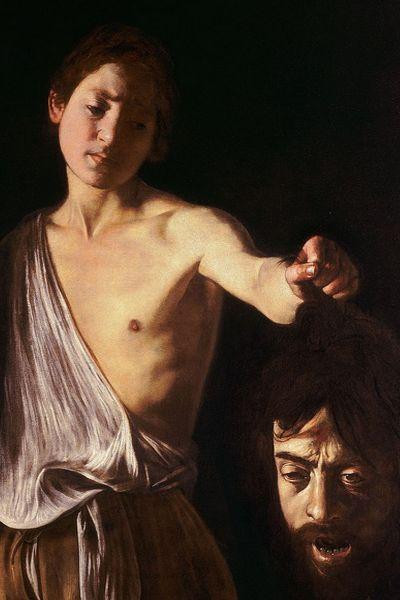
David with the Head of Goliath (Painting)
David with the Head of Goliath, painted by Caravaggio between 1606 and 1610, most likely in Naples, is an oil painting renowned for its dramatic and psychological intensity. Depicting the biblical story of David and Goliath from the Old Testament, the work shows the young shepherd David holding the severed head of the giant warrior Goliath after having slain him. However, what distinguishes this painting is the absence of triumphant celebration: David’s face is filled with compassion, sorrow, an
EN
Ahsen Buyurkan
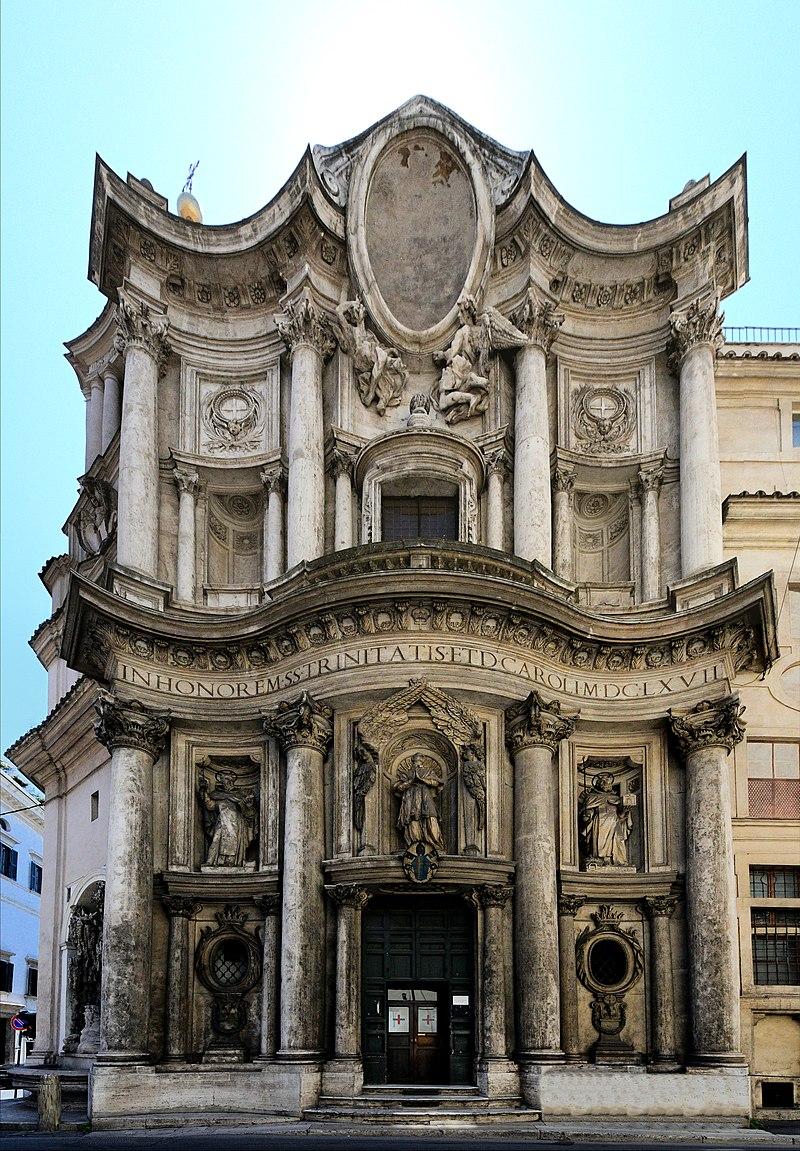
Baroque Art and Works
Baroque period was an artistic movement that flourished in Europe from the late 16th century to the mid-18th century and manifested itself in architecture painting sculpture music and other art disciplines. The term “Baroque” derives from the Portuguese word “barroco” meaning irregular pearl. This style emerged as a reaction against the balanced and restrained aesthetics of the Renaissance adopting a more dynamic exaggerated and emotionally charged mode of expression. General Characteristics of
EN
Esmanur Demir
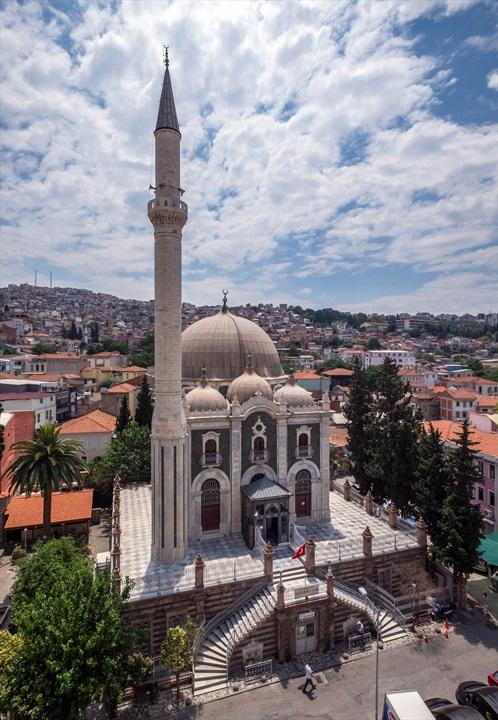
Hacı Ahmet Sait Salepçioğlu Camii
Salepçioğlu Camii is located in the Konak district of İzmir, near the historic Kemeraltı Çarşısı, and is an important structure among Ottoman-era mosques featuring Baroque elements. The mosque was constructed between 1897 and 1907 under the supervision of İzmir Qadi Mehmet Emin Efendi, in accordance with the will of Salepçizade Hacı Ahmet Efendi. Construction began on 15 October 1895 and was completed on 20 February 1906. The mosque was opened for worship on 14 April 1906 in the presence of İzmi
EN
Emine Beyza Yiğittürk
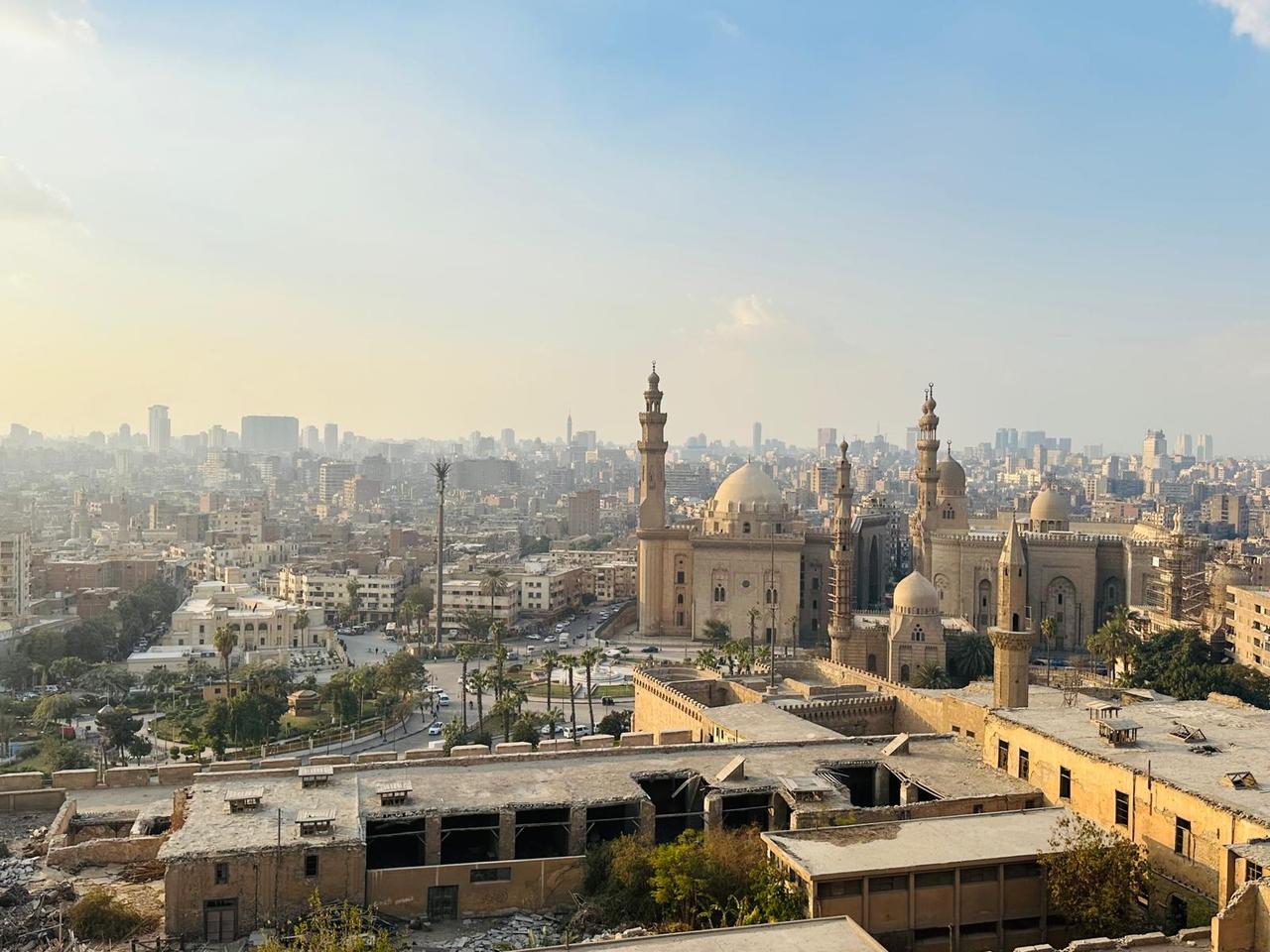
Kavalalı Mehmet Ali Paşa Camii
Kavalalı Mehmet Ali Pasha Camii, located in Cairo, the capital of Egypt, was constructed in the first half of the 19th century and represents a synthesis of Ottoman and Egyptian architectural elements important. Built under the orders of Kavalalı Mehmet Ali Paşa, the mosque occupies a commanding position in the heart of Cairo place. Construction began in 1830 during the reign of Kavalalı Mehmet Ali Paşa and was completed in 1848 during the rule of Egyptian Khedive Hilmi Paşa Abbas. ARCHITECTURAL
EN
Melike Erol
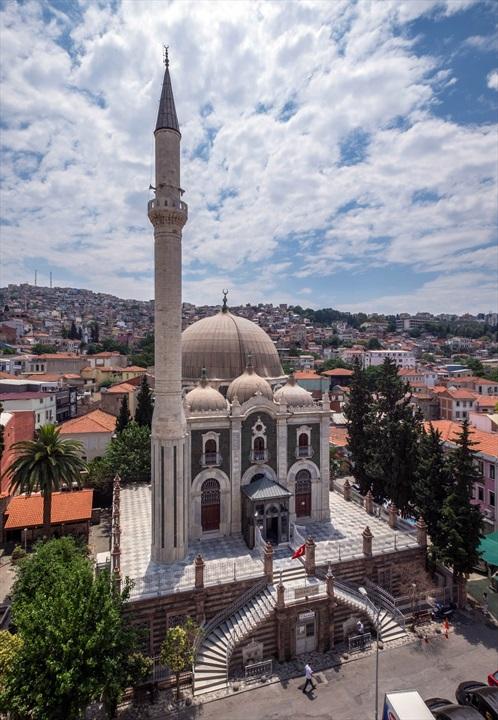
Hacı Ahmet Sait Salepçioğlu Camii
Salepçioğlu Camii is located in the Konak district of İzmir, near the historic Kemeraltı Bazaar, and is an important structure among Ottoman-era mosques featuring Baroque elements. The mosque was constructed between 1897 and 1907 under the supervision of İzmir Qadi Mehmet Emin Efendi, in accordance with the will of Salepçizade Hacı Ahmet Efendi. Construction began on 15 October 1895 and was completed on 20 February 1906. The mosque was opened for worship on 14 April 1906 in the presence of İzmir
EN
Emine Beyza Yiğittürk
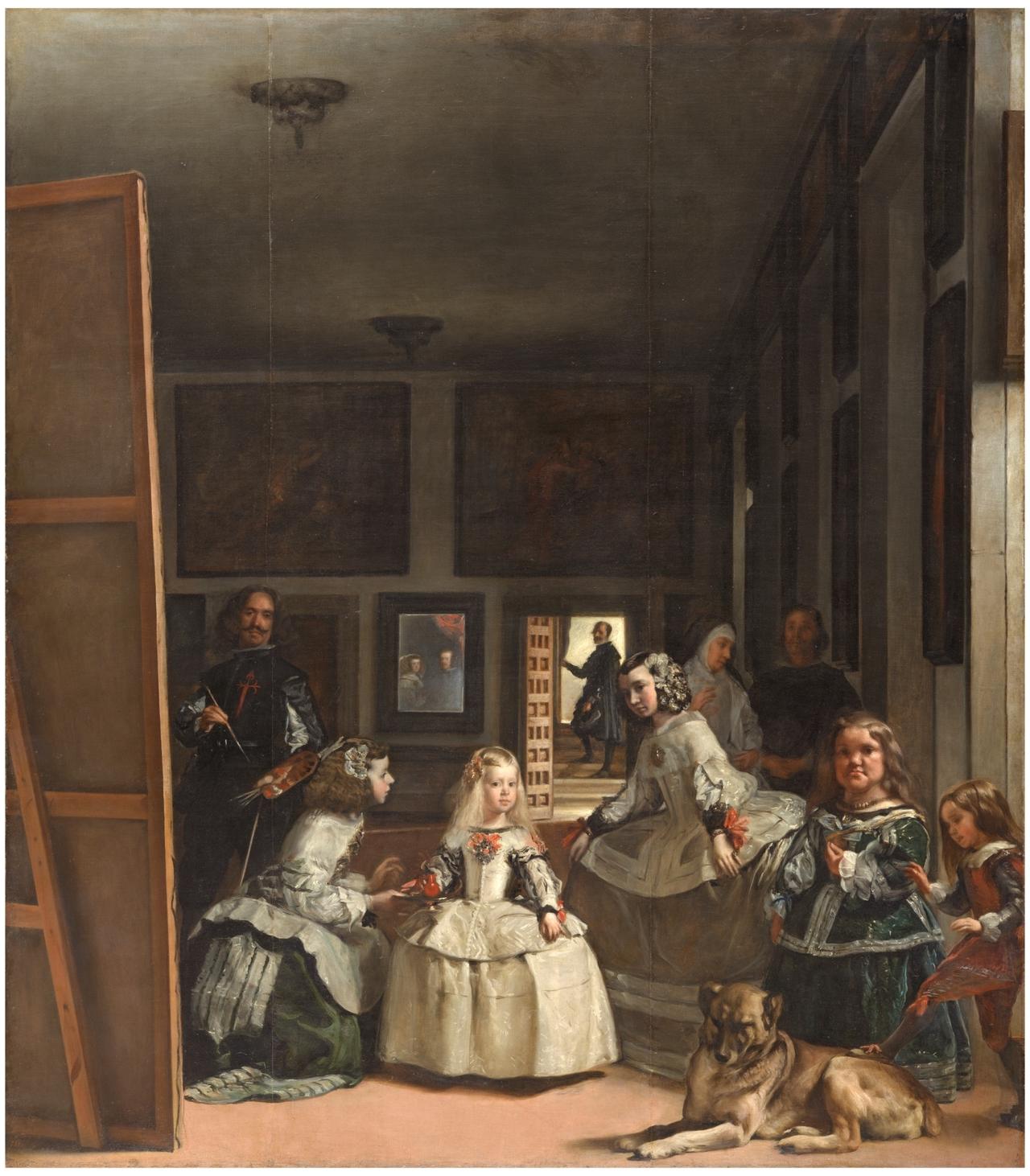
Las Meninas (Painting)
Las Meninas (The Maids of Honor), painted in 1656 by Diego Rodríguez de Silva y Velázquez. The oil on canvas measures 320.3 x 279.1 cm and is currently on display in Room 012 at the Prado Museum in Madrid. The work is one of Velázquez’s most comprehensive achievements, not only in technical mastery but also in conceptual depth. Las Meninas, one of the paintings to which Velázquez devoted the greatest effort during his lifetime, is also regarded as a representation of his thoughts on the art of p
EN
Miray GÜR
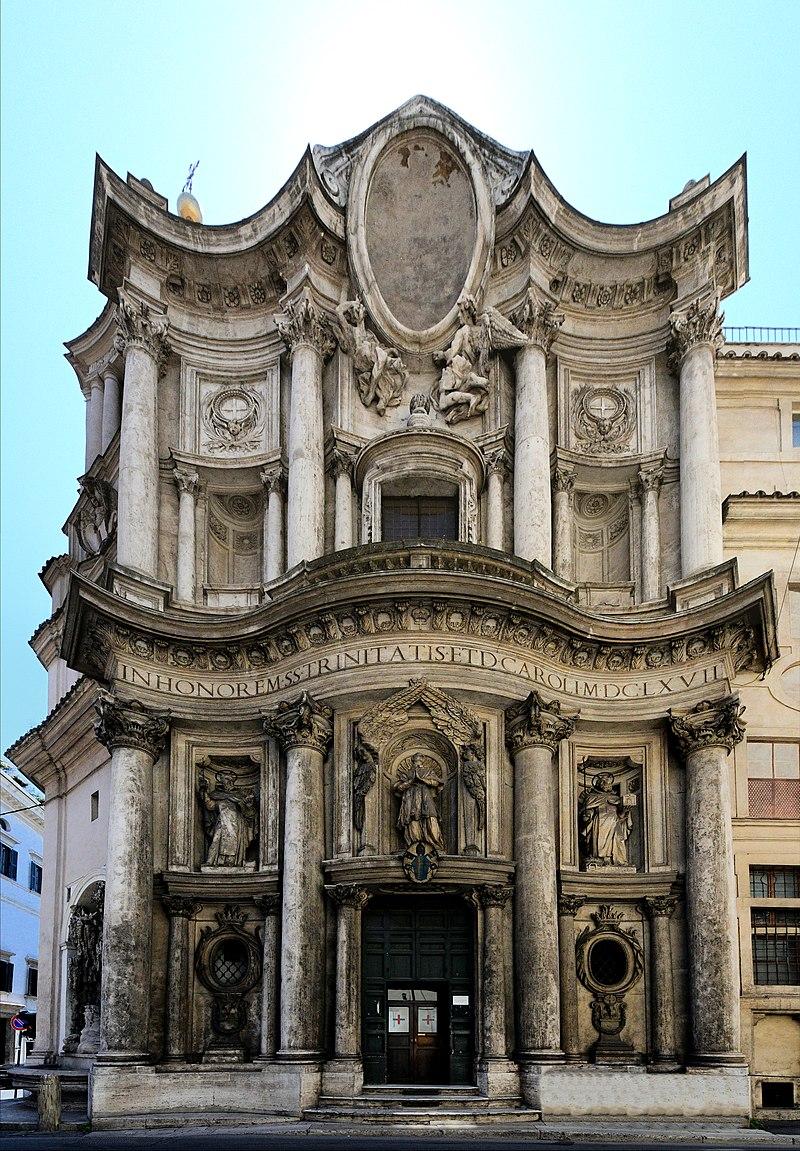
Baroque Art and Works
Baroque period is an artistic movement that flourished in Europe from the late 16th century to the mid-18th century and manifested in architecture painting statue music like art and other fields. The term “Baroque” is derived from the Portuguese word “barroco” meaning “irregular pearl.” This style emerged as a reaction to Renaissance’s balanced and restrained aesthetics embracing a more dynamic exaggerated and emotional mode of expression. General Characteristics of Baroque Art Movement and Dyna
EN
Esmanur Demir
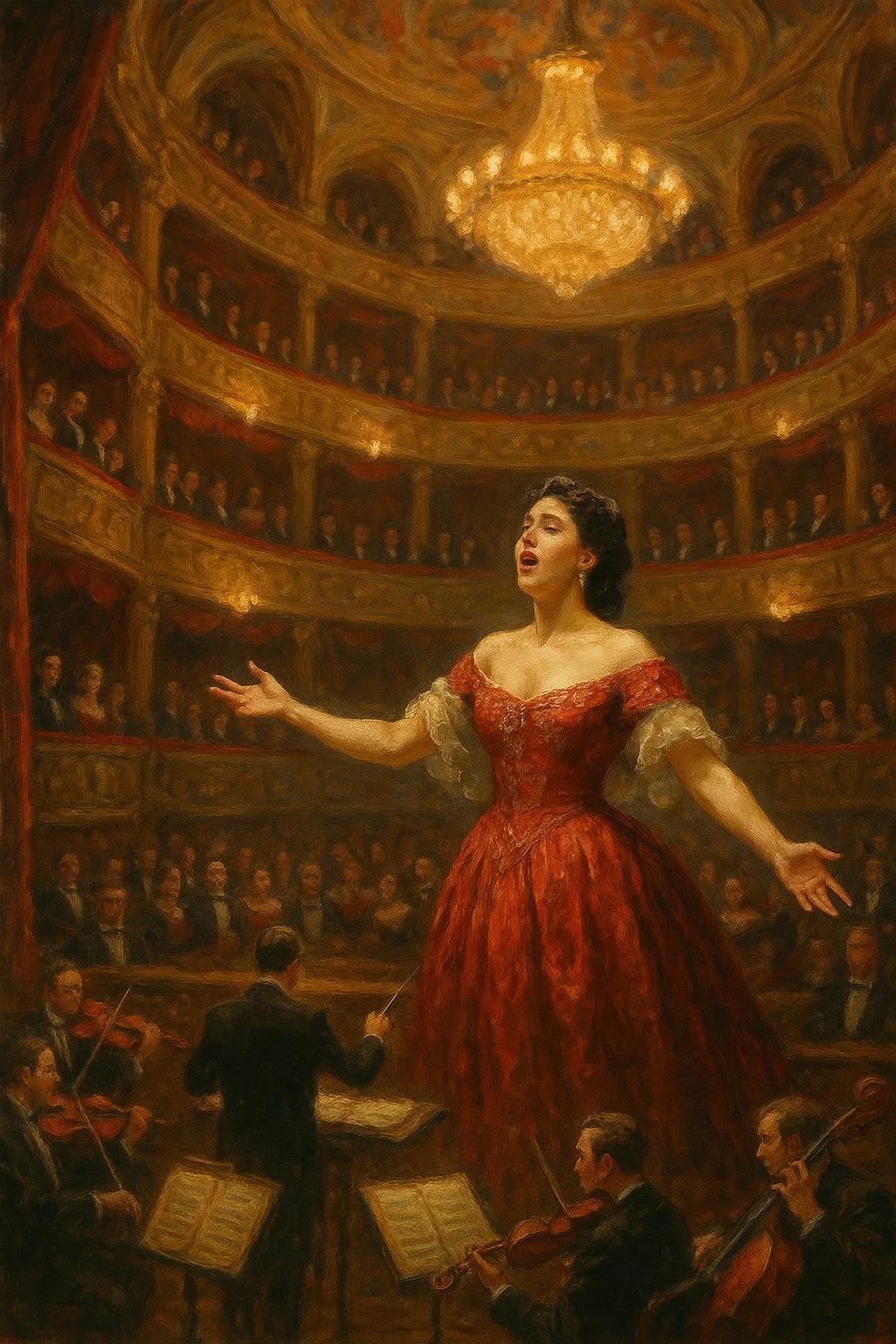
Opera
Opera is an art form with a unique stage structure that emerged in late 16th-century Italy, integrating elements of both music and theater. Its early intellectual environment was shaped particularly by Renaissance thought and fueled by a renewed interest in reviving ancient Greek drama. In Florence, a group of artists, musicians, and thinkers known as the Camerata laid the theoretical foundations for this new dramatic musical genre. They believed that ancient tragedy had been expressed through m
EN
Aslı Öncan
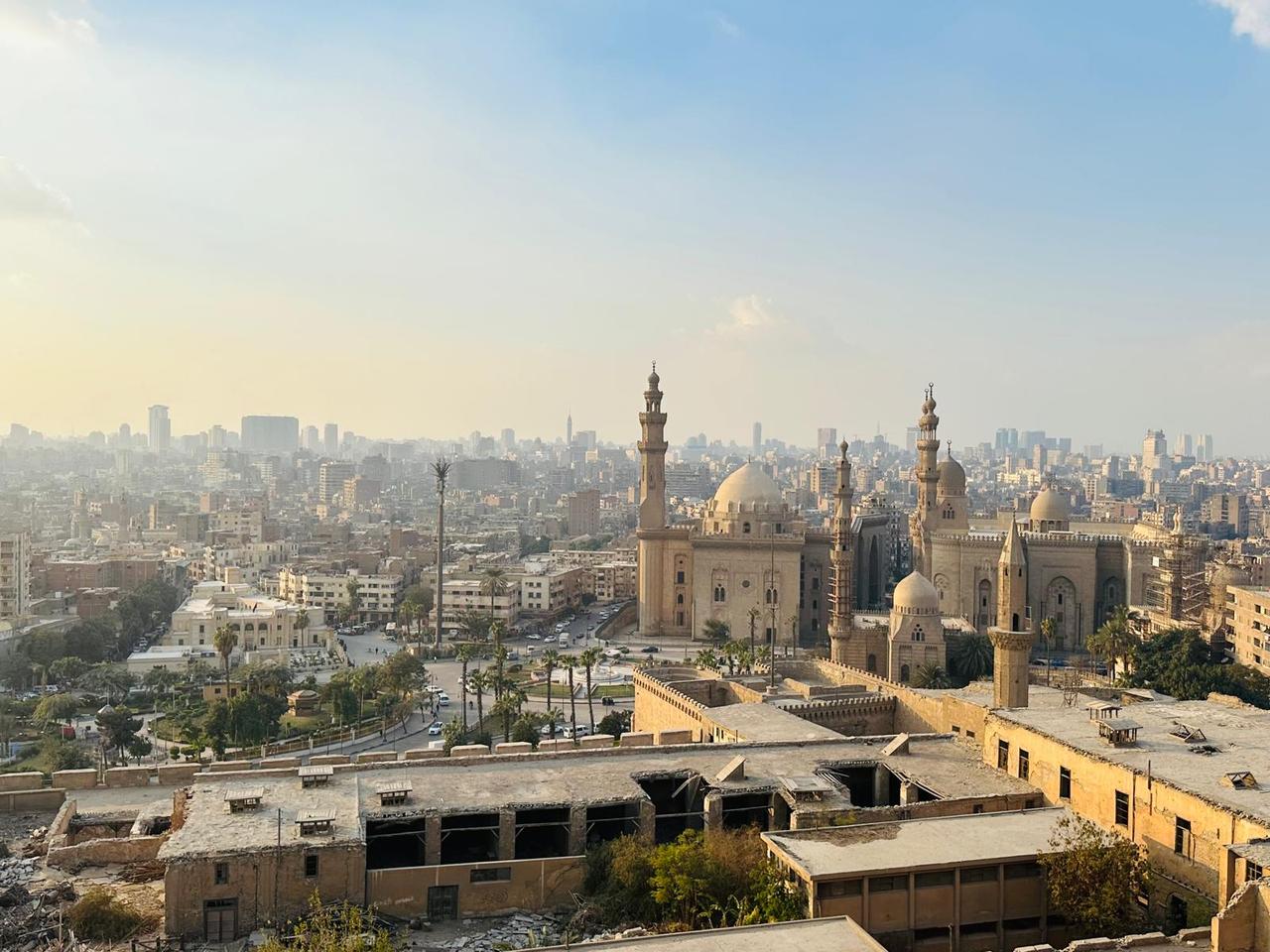
Kavalalı Mehmet Ali Paşa Camii
Kavalalı Mehmet Ali Paşa Camii is an important structure located in Cairo the capital of Egypt built in the first half of the 19th century that combines characteristic elements of Ottoman and Egyptian architecture. The mosque commissioned by Kavalalı Mehmet Ali Paşa occupies a dominant position in the city of Cairo. Construction began in 1830 during the reign of Kavalalı Mehmet Ali Paşa and was completed in 1848 during the rule of the Egyptian Khedive Abbas Hilmi Paşa. ARCHITECTURAL STRUCTURE Th
EN
Melike Erol