


This article was automatically translated from the original Turkish version.
+1 More
Arastalı Bedesten
Location | Sulusokak district Tokat city center | ||||||||
|---|---|---|---|---|---|---|---|---|---|
Period | Ottoman period 15th century | ||||||||
Building Type | Covered bazaar (bedesten) and adjacent row of shops (arasta) | ||||||||
Architectural Feature | Sequential shop openings are located indoors Entrance doors are in monumental form Covered by a barrel vault Rectangular-plan main structure Cut stone material | ||||||||
Usage | Today, traditional handicrafts and souvenirs are sold | ||||||||
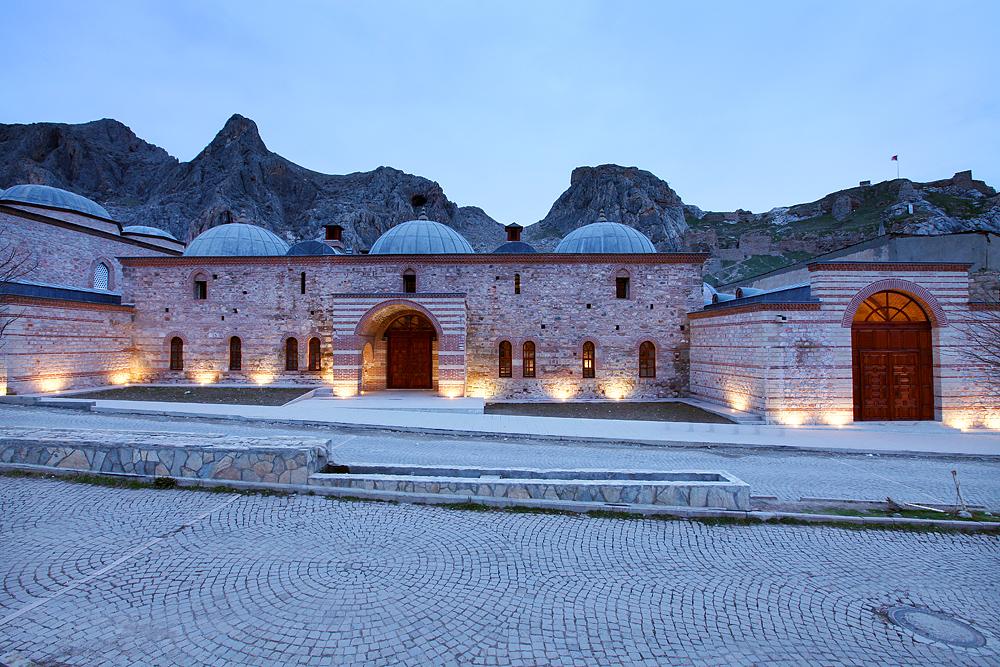
Arastalı Bedesten is a historic covered market structure located in the center of Tokat Province and is one of the original examples of Ottoman classical bazaar architecture. The structure attracts attention as a mixed-use commercial complex due to its combined functions as both an “arasta” and a “bedesten.” It is regarded as one of the key elements of Tokat’s urban history, both in terms of its architectural features and its historical function. Today functioning as the Tokat Museum, the bedesten serves as an exemplary structure for the preservation of cultural heritage and its public use.
In Ottoman cities, bedestens were enclosed markets typically constructed of stone and brick, designed for the secure trade of valuable goods such as jewelry, textiles, and spices. An arasta, by contrast, was an open or semi-covered street system adjacent to or surrounding the bedesten, usually lined with workshops of artisans. The Arastalı Bedesten in Tokat represents a model that integrates both functions and provides a concrete example of how the Ottoman urban economy operated specifically in Tokat.
Although the exact construction date of the structure is not recorded in historical sources, it is generally believed to have been built during the 15th and 16th centuries, when Tokat developed as a regional trade center under the Ottomans. Its organization alongside surrounding arastas demonstrates that the commercial infrastructure of the period was developed in alignment with planned urban growth.
Arastalı Bedesten (Kültürportalı)
The Arastalı Bedesten is a rectangular structure built of cut stone and brick, covered by barrel vaults and domes. At its center lies a large interior space surrounded by rows of shops and rooms. The main entrance gate is constructed with an ornate stone arch and features a monumental facade. Windows on the exterior walls provide natural lighting to the interior.
The layout of the spaces within the market was designed to ensure both security of goods and controlled access. The arasta section is situated adjacent to the bedesten and consists of traditional craft workshops. These arastas historically housed artisans such as shoemakers, blacksmiths, coppersmiths, saddlers, and weavers.
Arastalı Bedesten (Kültürportalı)
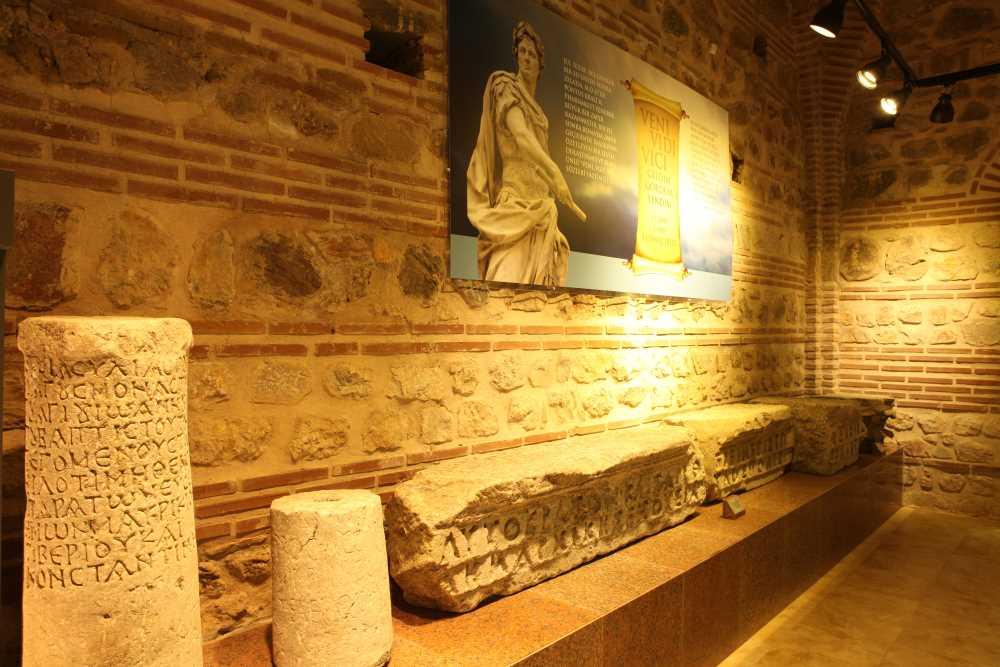
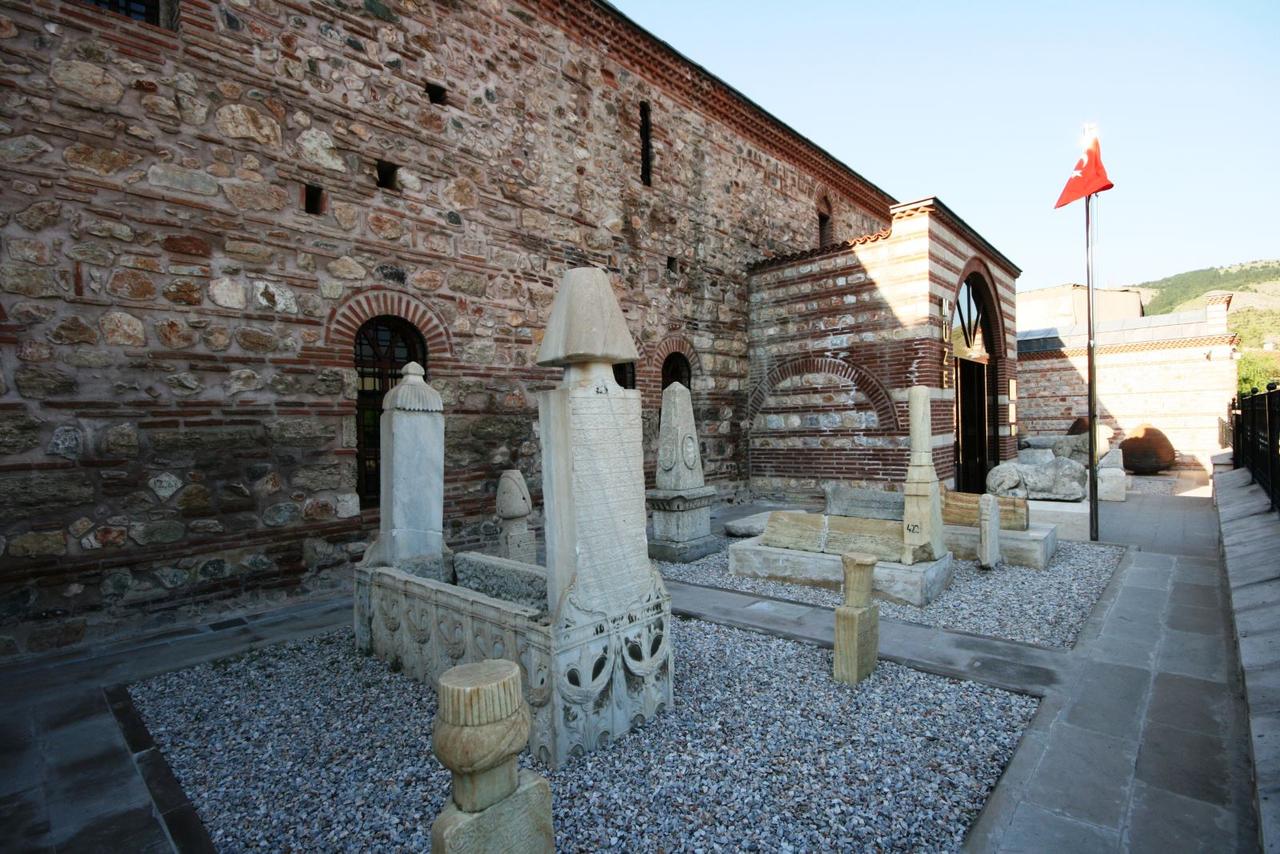
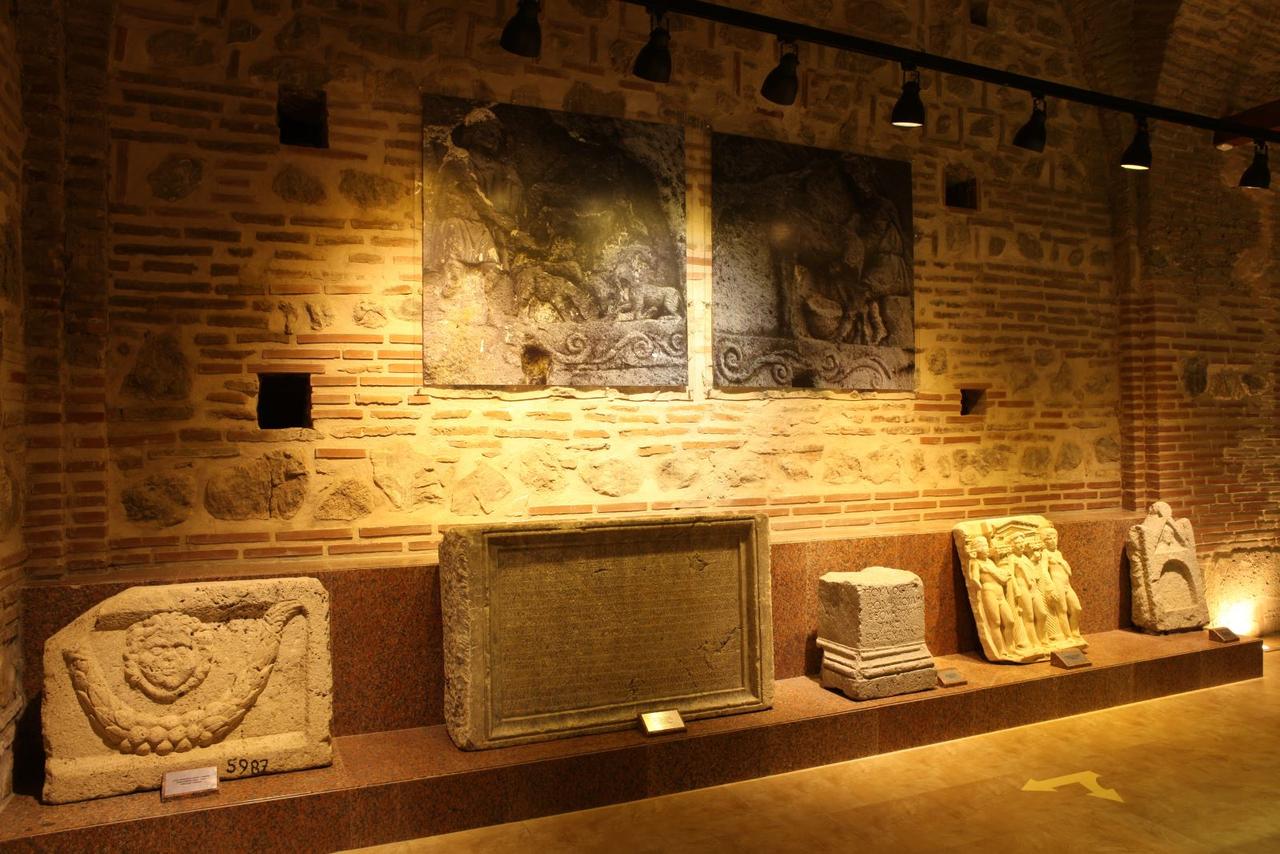
Today, the Arastalı Bedesten functions as the Tokat Museum and has been reintegrated into public life through this new role. The museum displays archaeological and ethnographic artifacts, transforming the building into a dynamic cultural space that not only preserves architectural heritage but also presents historical documents. Among the exhibited items are archaeological finds from various periods related to Tokat and its surroundings, ethnographic objects, manuscripts, and traditional art products. This transformation is regarded as a successful restoration example, as the building’s historical fabric has been preserved while adapting it into a functional public structure.
Due to its location in the heart of Tokat, the Arastalı Bedesten continues to serve as a vital component of the city’s historic market fabric. It functions as a multifaceted center that keeps the city’s historical memory alive, reflects traditional commercial culture, and supports cultural learning through museum activities. The bedesten also provides space for various cultural and artistic events held in Tokat, contributing to the sustainability of local identity.
Arastalı Bedesten (Kültürportalı)
T.C. Kültür ve Turizm Bakanlığı. “Arastalı Bedesten (Tokat Müzesi).” Türkiye Kültür Portalı. Accessed July 17, 2025.https://kulturportali.gov.tr/turkiye/tokat/gezilecekyer/arastali-bedesten-tokat-muzes
T.C. Ministry of Culture and Tourism. "Arastalı Bedesten – Fotoğraf." Kültür Portalı Medya Galerisi. Accessed July 17, 2025.https://www.kulturportali.gov.tr/medya/fotograf/fotodetay/21378
T.C. Ministry of Culture and Tourism. "Müze ve Ören Yerleri." Tokat İl Kültür veTurizm Müdürlüğü Resmî Web Sitesi. Accessed July 17, 2025.https://tokat.ktb.gov.tr/TR-142139/muze-ve-oren-yerleri.html
Arastalı Bedesten
Location | Sulusokak district Tokat city center | ||||||||
|---|---|---|---|---|---|---|---|---|---|
Period | Ottoman period 15th century | ||||||||
Building Type | Covered bazaar (bedesten) and adjacent row of shops (arasta) | ||||||||
Architectural Feature | Sequential shop openings are located indoors Entrance doors are in monumental form Covered by a barrel vault Rectangular-plan main structure Cut stone material | ||||||||
Usage | Today, traditional handicrafts and souvenirs are sold | ||||||||
Historical Background
Architectural Features
Transformation and Museum Function
Role in Cultural and Urban Identity