This article was automatically translated from the original Turkish version.
+2 More
Discovery Site | Antalya Province, Elmalı District | ||||||||
|---|---|---|---|---|---|---|---|---|---|
Period | Hellenistic Period (4th–2nd centuries BCE) | ||||||||
Discovery Type | Silver and bronze coins | ||||||||
Total Number | 506 coins (472 of which date to the pre-Islamic period) | ||||||||
Hellenistic Period Coins | 32 coins (Macedonian, Ptolemaic, Seleucid, Lysimachid) | ||||||||
Metal Distribution | 13 silver, 19 bronze | ||||||||
Method of Acquisition | Purchase, donation, and seizure | ||||||||
Return Processes | A total of 17 coins from Switzerland and the USA | ||||||||
Institutional Responsible | General Directorate of Cultural Heritage and Museums | ||||||||
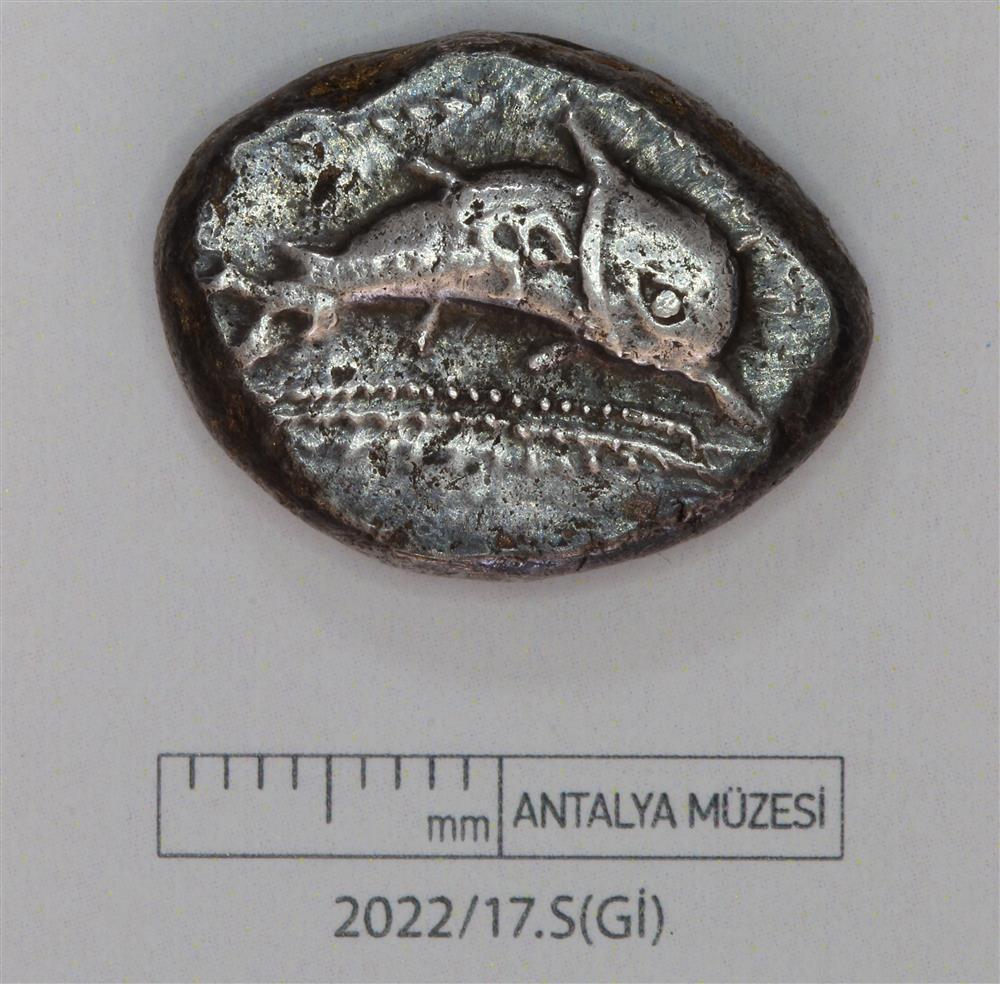
Elmalı Coins are a numismatic group found around the district of Elmalı in the province of Antalya, documenting the historical-topographical position of the region and its political and economic relations during the Hellenistic period. This material holds significance both within museum collections and in the contexts of repatriation and examination processes. 【1】
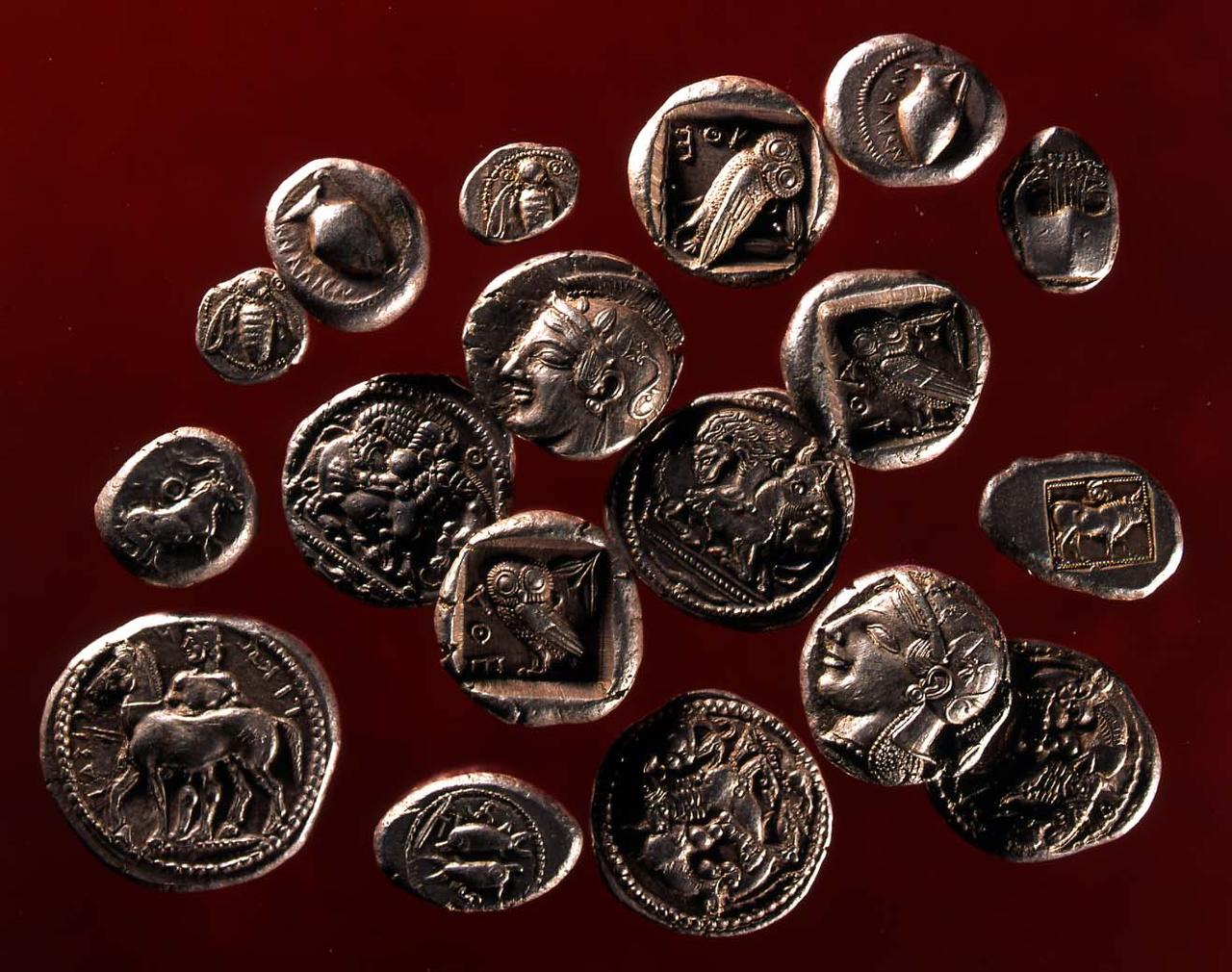
Elmalı Coins (KVMGM)
Elmalı was known in antiquity as Akarassos and occupied a strategic route between Milyas-Kabalis and Lycia. The region is regarded as an area where different cultural influences intersected, a factor that is decisive for the distribution and origin of the coins. 【2】
Some of the coins originating from Elmalı were taken abroad; they have since undergone tracking, repatriation and integration into museum inventories. As a result of these processes, certain coins have been returned and formally acquired by the public through relevant institutions.
Elmalı Coins (TRT 2)
According to the Elmalı Museum inventory, a total of 506 coins are recorded in the museum collection; 472 of these belong to the pre-Islamic periods. The Hellenistic royal coinage in the collection comprises 32 pieces, including issues from Macedonia, Ptolemaic, Seleucid and Lysimachus. In terms of metal composition, the collection includes 13 silver and 19 bronze examples; it is noted that the coins were added to the collection through purchase, donation or confiscation.【3】
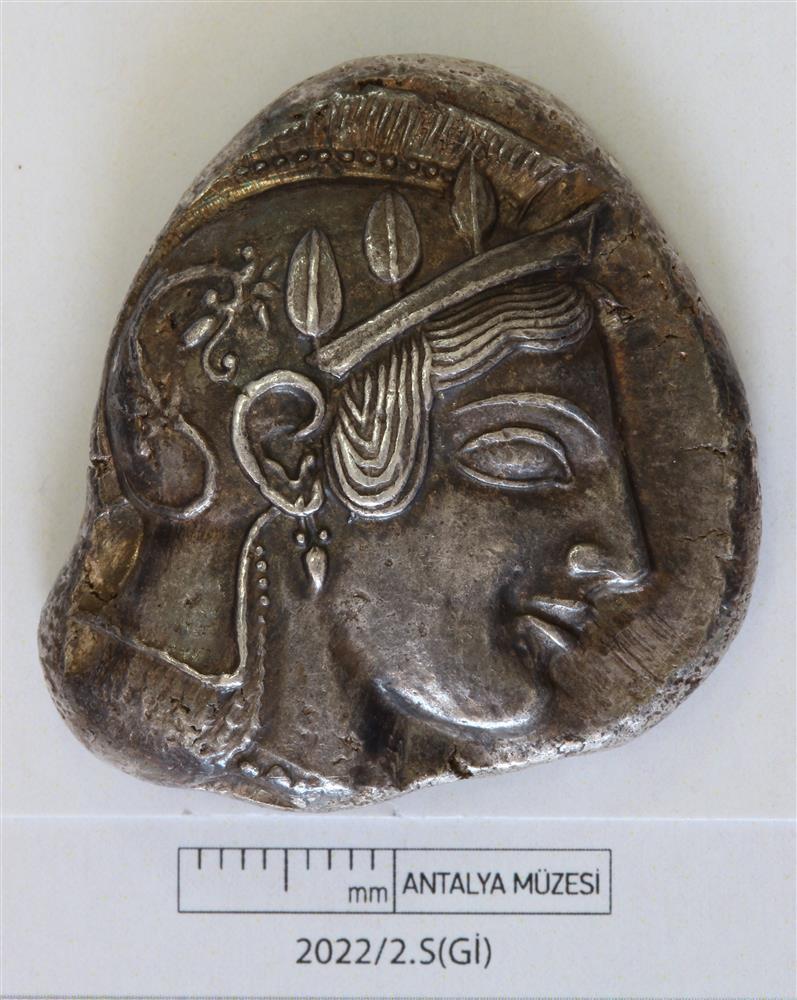
Elmalı Coins (KVMGM)
The statistical distribution within the Elmalı collection shows a predominance of Macedonian royal coins; Ptolemaic and Seleucid types are also clearly represented. The proportions of silver and bronze coins, along with the presence of silver specimens from distant mints, indicate a distribution profile reflecting both commercial and military mobility. It is further assessed that bronze coins remained largely within local circulation, while silver coins circulated over broader geographical areas.
The majority of the coins entered the museum collection through purchase, donation or confiscation. The exact find locations of some specimens have not been precisely recorded. This has resulted in limited archaeological contextual information. In evaluating the existing material, it is emphasized that specimens lacking provenance data must be examined with caution. Furthermore, it is stated that future systematic excavations and inventory studies are essential for verifying the accuracy of current attributions and clarifying uncertain mint identifications.【8】
The Elmalı coins provide tangible evidence of the territorial spheres of influence and interregional interactions in Anatolia during the Hellenistic period. The collection contributes to the local historical perspective and sheds light on practices concerning the protection of cultural heritage through the repatriation and documentation processes of coins originating from the region.
Culture and Museums General Directorate. "17 Coins from the United States, Returned (2022)." Culture and Museums General Directorate. Accessed October 26, 2025.https://kvmgm.ktb.gov.tr/TR-337988/134-abdden-iadesi-saglanan-elmali-sikkeleri-17-adet-2022.html
Culture and Museums General Directorate. "Elmalı Sikkeleri (İsviçre, ABD 1988–1999)." Culture and Museums General Directorate. Accessed October 26, 2025.https://kvmgm.ktb.gov.tr/TR-63144/5-elmali-sikkeleri-isvicre-abd-1988-1991-1992-1999.html
TRT 2. "Elmalı Sikkeleri." YouTube. Accessed October 26, 2025.https://www.youtube.com/watch?v=BfgK3BxTzwc
Tatar, Ömer. “Hellenistic Period Regal Coins in Elmalı Museum.” *Arkeoloji Dergisi* XXVI, no. 2 (October 2021): 82–83. Accessed October 26, 2025.https://www.acarindex.com/pdfs/439516
Yaman, Hakan. “Elmalı Sikkeleri.” Türkiye Turizm Ansiklopedisi. Accessed October 26, 2025.http://turkiyeturizmansiklopedisi.com/elmali-sikkeleri
[1]
Kültür Varlıkları ve Müzeler Genel Müdürlüğü. “ABD’den İadesi Sağlanan Elmalı Sikkeleri, 17 Adet (2022),” Kültür Varlıkları ve Müzeler Genel Müdürlüğü. Erişim 26 Ekim 2025. https://kvmgm.ktb.gov.tr/TR-337988/134-abdden-iadesi-saglanan-elmali-sikkeleri-17-adet-2022.html
[2]
Ömer Tatar, “Hellenistic Period Regal Coins in Elmalı Museum,” Arkeoloji Dergisi XXVI, no. 2 (Ekim 2021): 81. Erişim 26 Ekim 2025. https://www.acarindex.com/pdfs/439516
[3]
Ömer Tatar, “Hellenistic Period Regal Coins in Elmalı Museum,” Arkeoloji Dergisi XXVI, no. 2 (Ekim 2021): 81. Erişim 26 Ekim 2025. https://www.acarindex.com/pdfs/439516
[4]
Ömer Tatar, “Hellenistic Period Regal Coins in Elmalı Museum,” Arkeoloji Dergisi XXVI, no. 2 (Ekim 2021): 82 - 84. Erişim 26 Ekim 2025. https://www.acarindex.com/pdfs/439516
[5]
Ömer Tatar, “Hellenistic Period Regal Coins in Elmalı Museum,” Arkeoloji Dergisi XXVI, no. 2 (Ekim 2021): 82 - 86. Erişim 26 Ekim 2025. https://www.acarindex.com/pdfs/439516
[6]
Ömer Tatar, “Hellenistic Period Regal Coins in Elmalı Museum,” Arkeoloji Dergisi XXVI, no. 2 (Ekim 2021): 83 - 87. Erişim 26 Ekim 2025. https://www.acarindex.com/pdfs/439516
[7]
Ömer Tatar, “Hellenistic Period Regal Coins in Elmalı Museum,” Arkeoloji Dergisi XXVI, no. 2 (Ekim 2021): 82 - 83. Erişim 26 Ekim 2025. https://www.acarindex.com/pdfs/439516
[8]
Ömer Tatar, “Hellenistic Period Regal Coins in Elmalı Museum,” Arkeoloji Dergisi XXVI, no. 2 (Ekim 2021): 84. Erişim 26 Ekim 2025. https://www.acarindex.com/pdfs/439516

Discovery Site | Antalya Province, Elmalı District | ||||||||
|---|---|---|---|---|---|---|---|---|---|
Period | Hellenistic Period (4th–2nd centuries BCE) | ||||||||
Discovery Type | Silver and bronze coins | ||||||||
Total Number | 506 coins (472 of which date to the pre-Islamic period) | ||||||||
Hellenistic Period Coins | 32 coins (Macedonian, Ptolemaic, Seleucid, Lysimachid) | ||||||||
Metal Distribution | 13 silver, 19 bronze | ||||||||
Method of Acquisition | Purchase, donation, and seizure | ||||||||
Return Processes | A total of 17 coins from Switzerland and the USA | ||||||||
Institutional Responsible | General Directorate of Cultural Heritage and Museums | ||||||||
Geographical and Historical Context of the Region
Discovery, Collection and Legal Processes
Elmalı Museum Collection — Quantity and Classification
Characteristics of Hellenistic Coins
Observations on the Geographical Distribution and Circulation of the Finds
Conservation, Documentation and Research Needs
Significance