

`cami` ile İlgili Madde Sonuçları

Tekke Mosque (Kilis)
Tekke Camii is a historical place of worship located in the Tekke Neighborhood, in the center of Kilis Province, in Türkiye’s Southeastern Anatolia Region. Situated near Cumhuriyet Square, this mosque is one of Kilis’s most significant structures to have survived from antiquity to the present day. It was constructed in 1553 by Canbolad Bey, the governor of the Kilis Sanjak during the Ottoman period. The History of Tekke Camii Tekke Camii was built in the mid-16th century during the Ottoman Empir
EN
Yusuf İslam Tuğla
 Yo
YoYozgat Ahmet Efendi Camii
Yozgat Ahmet Efendi Camii is a historical mosque located within the boundaries of Yozgat province and constructed in the 19th century. Its construction date is recorded as 1863. The mosque is among the structures reflecting the Ottoman architectural style of its time and constitutes an important part of Yozgat’s religious and cultural fabric. History Ahmet Efendi Camii derives its name from Ahmet Efendi, who made significant material and spiritual contributions to its construction. Ahmet Efendi
EN
Muhammed Emir Dursun
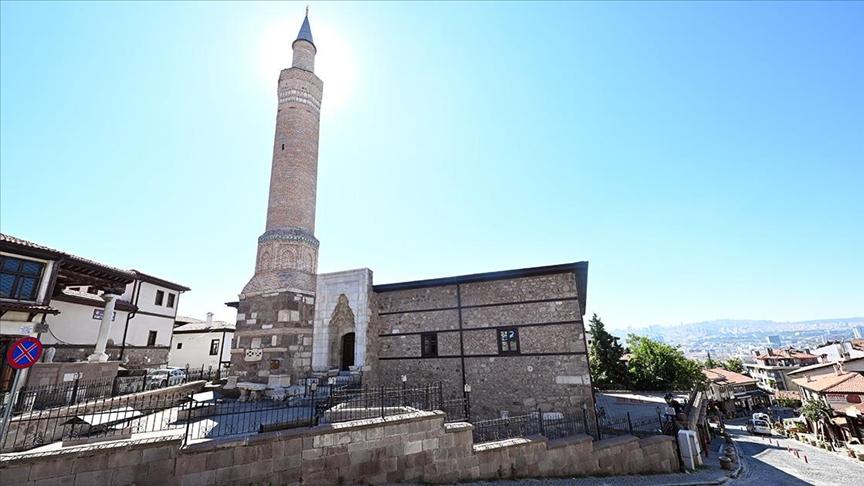
Arslanhane (Ahi Şerafettin) Camii
Arslanhane (Ahi Şerafettin) Camii is one of the significant examples of medieval Anatolian wooden column-and-beam mosques, located in the Ulus-Samanpazarı neighborhood of the Altındağ district of Ankara. Built in the 13th century by the Ahi brotherhood, the mosque was inscribed on the UNESCO World Heritage List in 2023. Situated at the southern end of Ankara Castle, it is also known as Arslanhane due to the presence of an ancient lion statue. History Although no definitive foundation inscription
EN
Emir Cengiz Çulha

Sağman Camii
In the village of Sağman, part of the Pertek district of Tunceli, there stands a uniquely significant mosque that has endured for centuries: the Sağman Camii. Built during the Ottoman period, it is one of the village’s most important historical structures. Alongside it are a türbe, a sebil (water distribution point), and the remains of a medrese. Together, they formed a külliye where people once worshipped and received education. History The mosque was constructed in the 1500s at the behest of a
EN
Yusuf İslam Tuğla
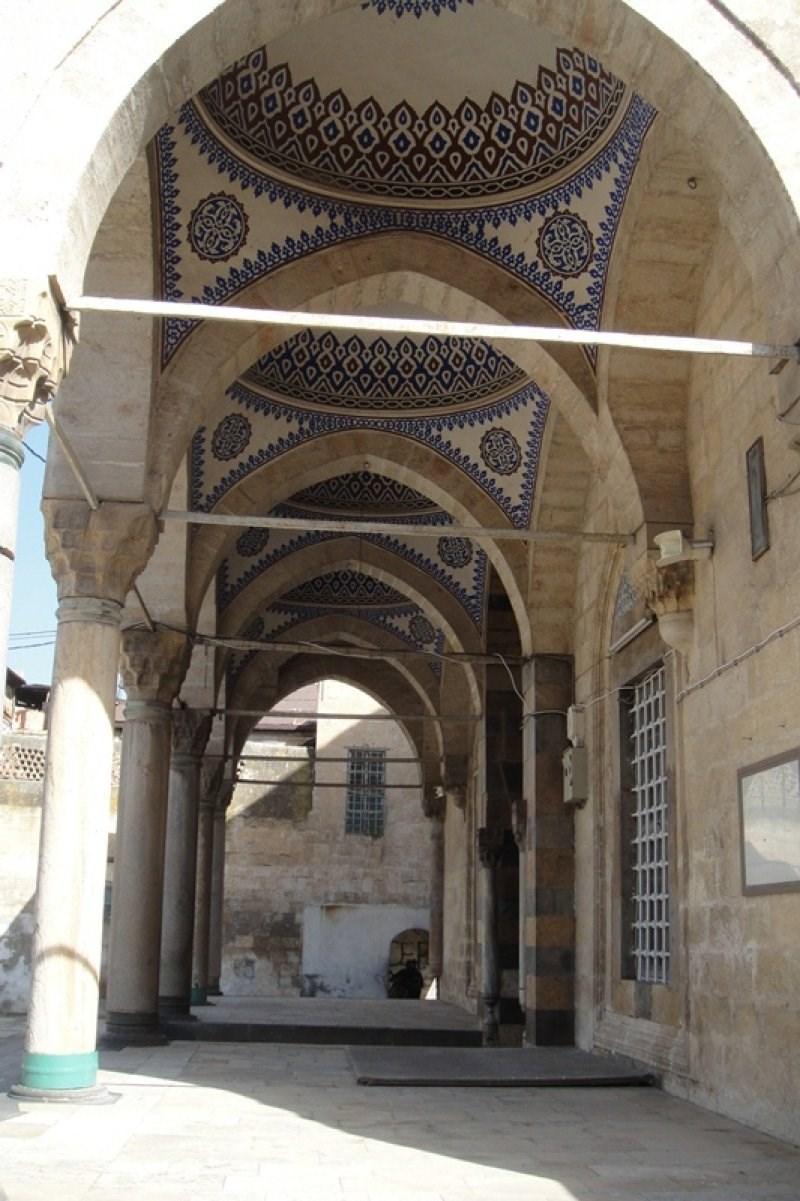
Tekke Mosque (Kilis)
Tekke Camii is a place of worship from the Ottoman period located in the center of Kilis Province, within the boundaries of Tekke Mahallesi in Southeastern Anatolia. Situated near Cumhuriyet Meydanı, the mosque holds a significant place within the city’s historical fabric. The structure was commissioned in 1553 by Canbolad Bey, the Sanjak Bey of Kilis, and is recorded as one of the most notable religious monuments in the region due to its architectural and historical value. History Tekke Camii w
ENYusuf İslam Tuğla
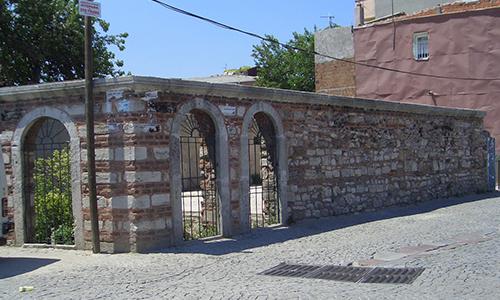
Balçık Tekkesi Mescidi
Balçık Tekkesi Mescidi is a religious structure from the Ottoman period, located within the boundaries of the Nişanca neighborhood in the Eyüpsultan district of İstanbul, now largely lost and holding the status of a cultural heritage site in ruins.【1】 Location and Name Origin The structure is situated at the corner where Defterdar Caddesi meets Cezeri Kasım Paşa Akar Çeşmesi Sokağı. The mosque and tekke derive their name from the Balçık Pier located approximately 170 meters away.【2】 According to
EN
Gözde Cabadak
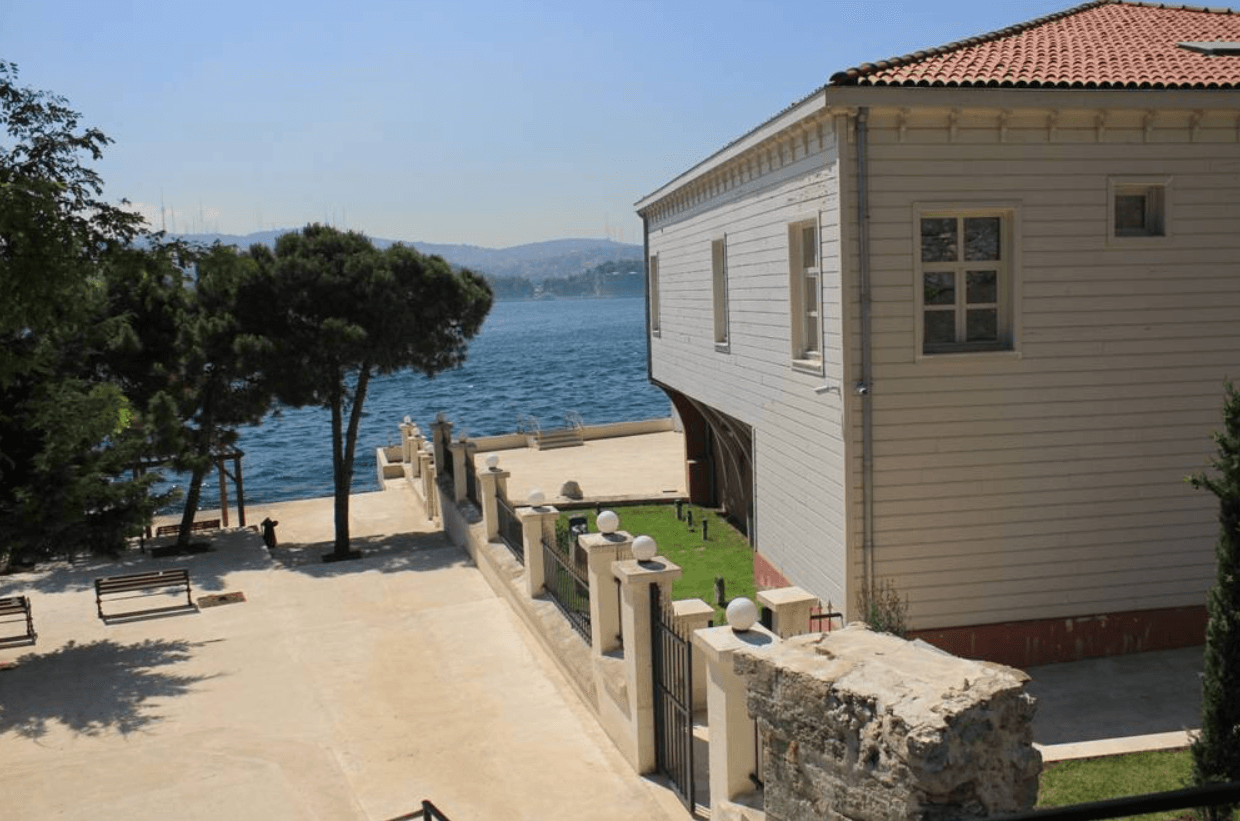
Defterdar İbrahim Paşa Camii
Defterdar İbrahim Paşa Camii is located at Defterdarburnu, between Ortaköy and Kuruçeşme in Istanbul. It was constructed in the second half of the 17th century in 1661 by Defterdar İbrahim Paşa. This mosque is also known among the public as Defterdarburnu Camii and İhmal Paşa Camii. The mosque is situated along the sea coast, below road level, in a sunken area. Access to the interior is via a staircase. The structure has a unique feature: it can be entered through two separate gates. One gate is
EN
Sümeyra Uzun
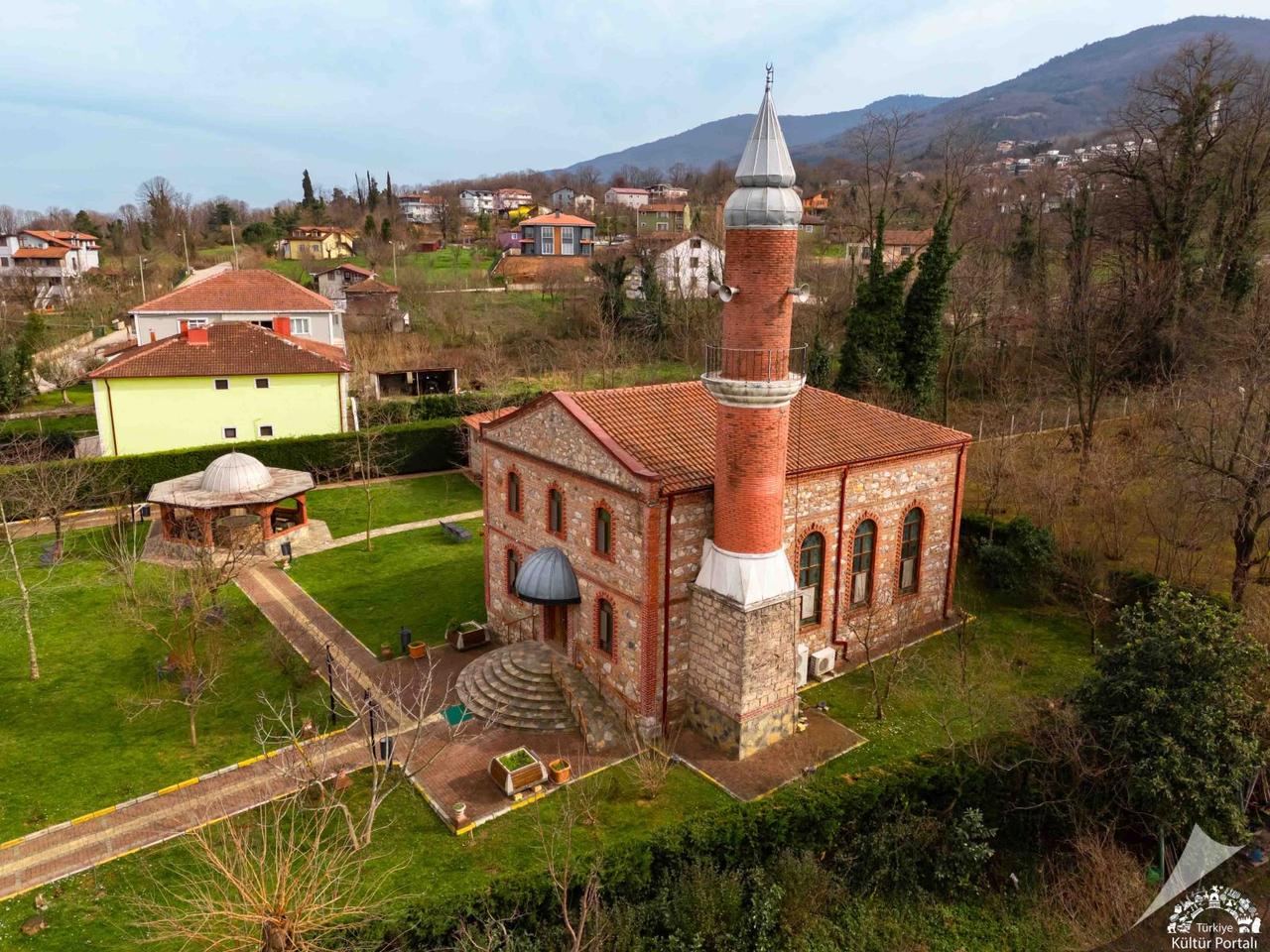
Hikmetiye Camii
Hikmetiye Camii is a historical place of worship located within the boundaries of Derbent Neighborhood, Kartepe District, Kocaeli Province, reflecting late 19th-century Ottoman architecture and commissioned by Sultan Abdülhamid II.【1】 History and Establishment Process The mosque was constructed in 1899 (Hijri 1317) by imperial decree of Sultan Abdülhamid II following the death of Habibe Hanım, a member of his palace staff. After losing her son in the Ertuğrul Frigate disaster off the coast of Ja
ENGözde Cabadak
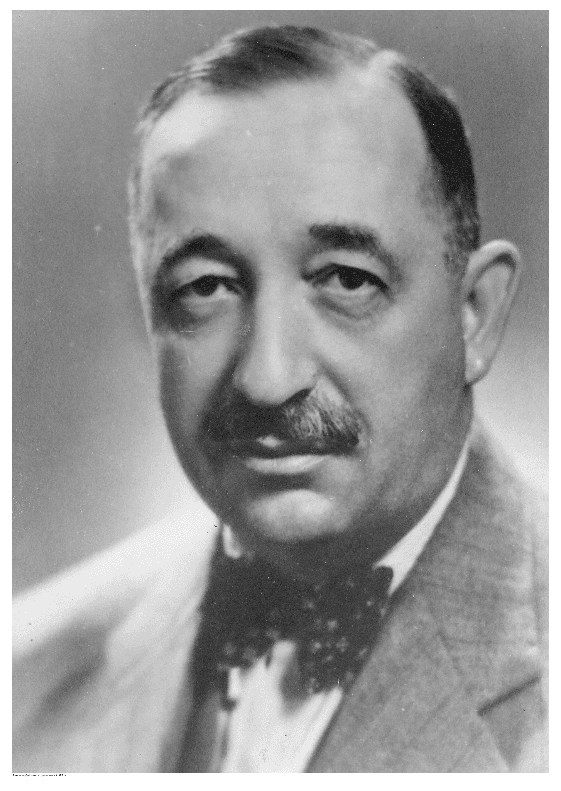
The Bulgarian Who Protected Selimiye: Bogdan Filov
The Balkans’s dusty pages sometimes reveal a figure whose legacy evokes both profound admiration and melancholic astonishment. Bogdan Filov stands as one of the most captivating and tragic examples of such a personality. On one hand, he demonstrated immense passion for art by rescuing a masterpiece like the Selimiye Camii from certain destruction; on the other, he vanished into the dark corridors of politics. In this article, we will undertake a chronological journey, guided by objective data fr
ENGözde Cabadak
Aşçıbaşı Ahmet Ağa Camii
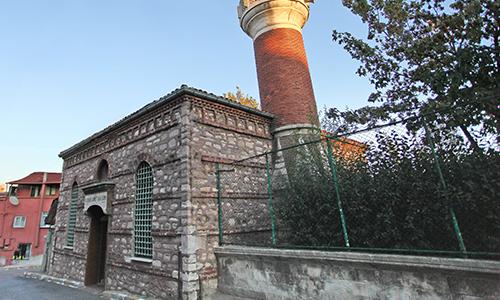
Aşçıbaşı Ahmet Ağa Camii, İstanbul ili, Eyüpsultan ilçesi, Nişanca (Otakçılar) bölgesinde, Aşhane Sokağı ile Aşçıbaşı Camii Sokağı’nın kesiştiği köşede konumlanan, 16. yüzyıl Osmanlı dönemine ait bir ibadethanedir.【1】 Tarihçe ve Vakfiyesi Yapı, Aşçıbaşı Mehmet Ağa tarafından inşa ettirilmiştir. Caminin resmi vakfiyesi Hicri 999 (Miladi 1589) tarihlidir ve bu tarih Sultan III. Murad dönemine tekabül etmektedir. Buna karşın, hazirede yer alan mezar taşları yapının daha eski bir tarihte mevcut oldu
TRGözde Cabadak