


This article was automatically translated from the original Turkish version.
Construction Year | 1661 | ||||||||
|---|---|---|---|---|---|---|---|---|---|
Location | Beşiktaş İstanbul | ||||||||
Defterdar İbrahim Paşa Camii is located at Defterdarburnu, between Ortaköy and Kuruçeşme in Istanbul. It was constructed in the second half of the 17th century in 1661 by Defterdar İbrahim Paşa. This mosque is also known among the public as Defterdarburnu Camii and İhmal Paşa Camii.
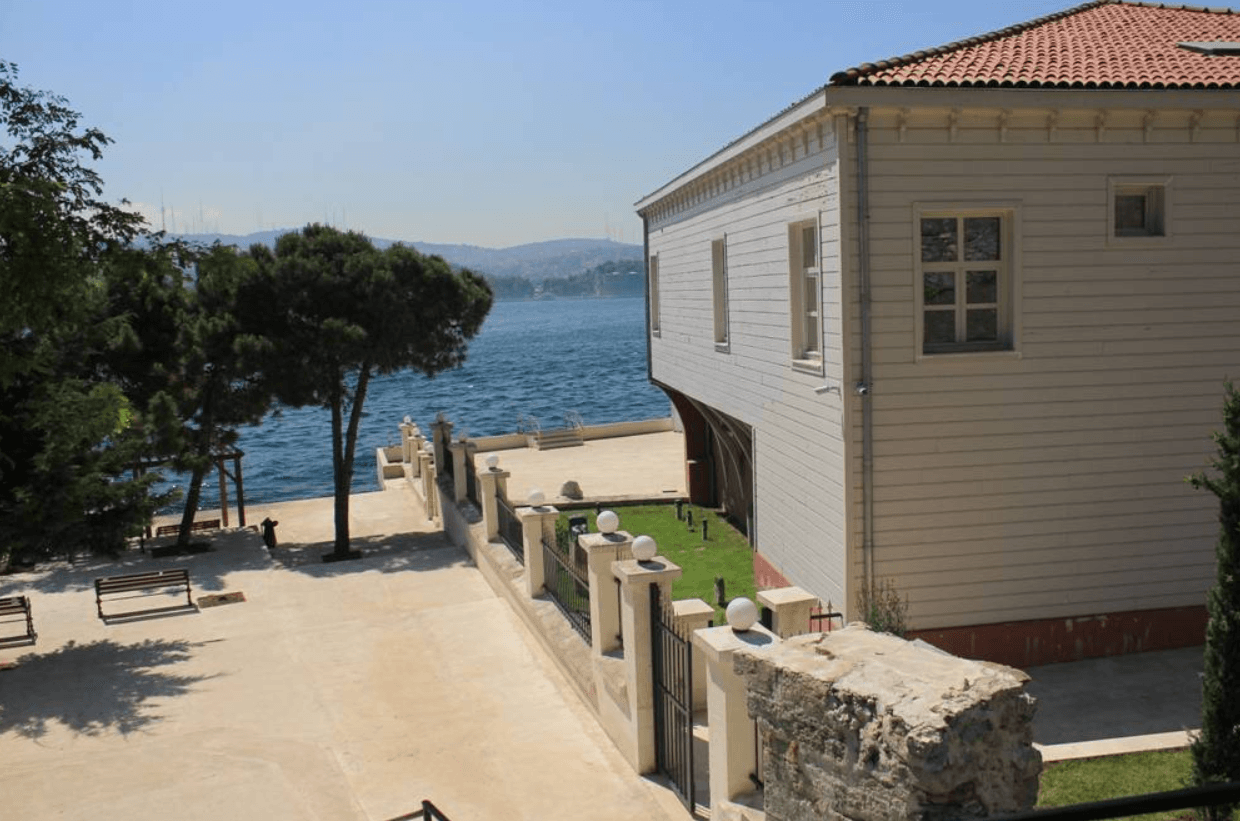
Defterdar İbrahim Paşa Camii (Source: Türkiye'nin Tarihi Eserleri)
The mosque is situated along the sea coast, below road level, in a sunken area. Access to the interior is via a staircase. The structure has a unique feature: it can be entered through two separate gates. One gate is located at the top of the staircase, while the other faces the qibla direction along the shoreline. The mosque was built using stone and wood materials. The upper parts of the ancillary buildings are wooden, while the mosque’s stone walls are painted in tile red. The mosque has a rectangular plan and draws attention with its orderly arrangement suited for worship.
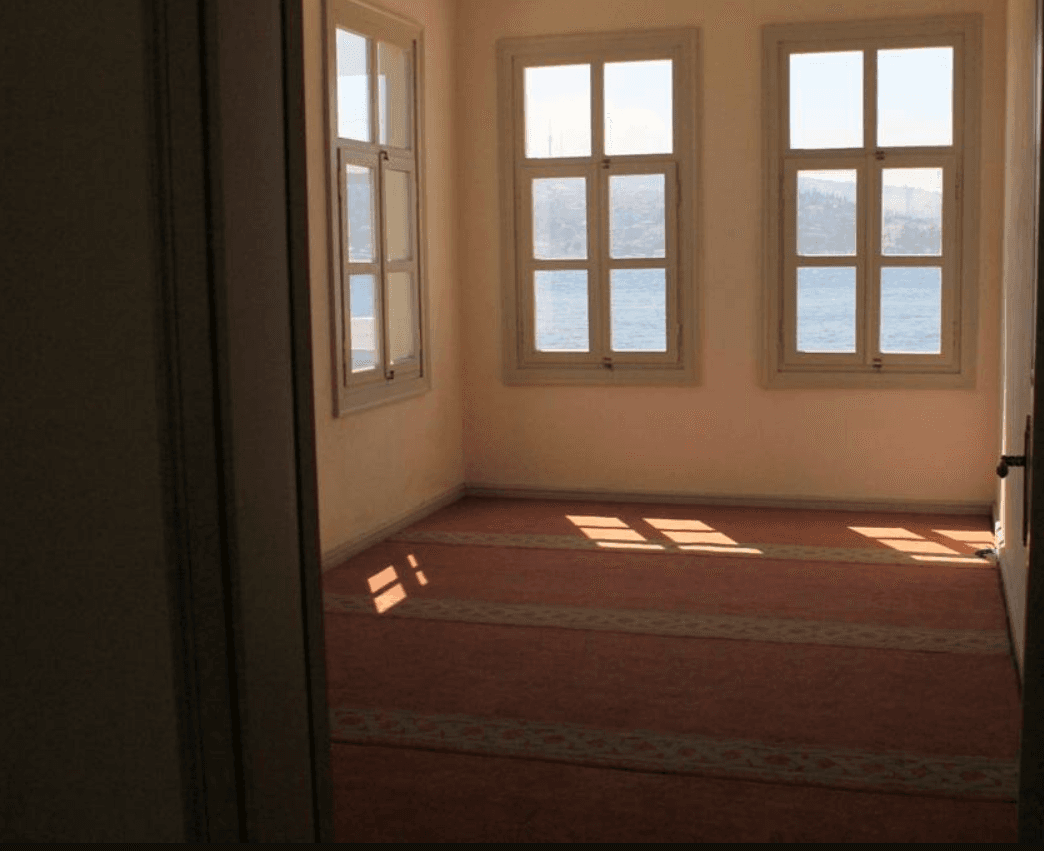
Defterdar İbrahim Paşa Camii (Source: Türkiye'nin Tarihi Eserleri)
Defterdar İbrahim Paşa Camii has undergone several restorations throughout its history. The first restoration took place in 1833 during the reign of Sultan Mahmud II, and the second in 1885 during the reign of Sultan Abdülhamid II. The third and final restoration was carried out in 1941 by the Directorate of Foundations. In subsequent years, the mosque was left neglected for a long period and fell into a state of ruin. However, between 2010 and 2011, restoration works were initiated and the mosque was reopened for worship. The funding for the restoration was provided by Mehmet Ali Aydınlar, owner of Acıbadem Hospitals and former president of the Turkish Football Federation.
The mosque is a finely crafted structure that makes careful use of stone and wood materials. Its minaret has a cylindrical body and is crowned with a stone finial. Access to the minaret is via a door in the last congregation area. The mosque holds significant historical and cultural value from both structural and architectural perspectives. This mosque contributes to Istanbul’s historical fabric and attracts attention for its architectural qualities. Following its restoration, it has been adapted to modern times and has regained its former grandeur.
"Defterdar İbrahim Paşa Camisi Ahşap Malzeme Analizi." Türkiye’nin Tarihi Eserleri. Accessed January 17, 2025.https://www.turkiyenintarihieserleri.com/?oku=3102.
"Defterdar İbrahim Paşa Camisi." Mustafa Cambaz. Accessed January 17, 2025.https://www.mustafacambaz.com/details.php?image_id=32228.
Seçkin, Nazire Papatya. "Defterdar İbrahim Paşa Camisi Ahşap Malzeme Analizi." DergiPark. Accessed January 17, 2025.https://dergipark.org.tr/tr/download/article-file/806691.

Construction Year | 1661 | ||||||||
|---|---|---|---|---|---|---|---|---|---|
Location | Beşiktaş İstanbul | ||||||||
No Discussion Added Yet
Start discussion for "Defterdar İbrahim Paşa Camii" article