

`white-dwarf` Related Article Results
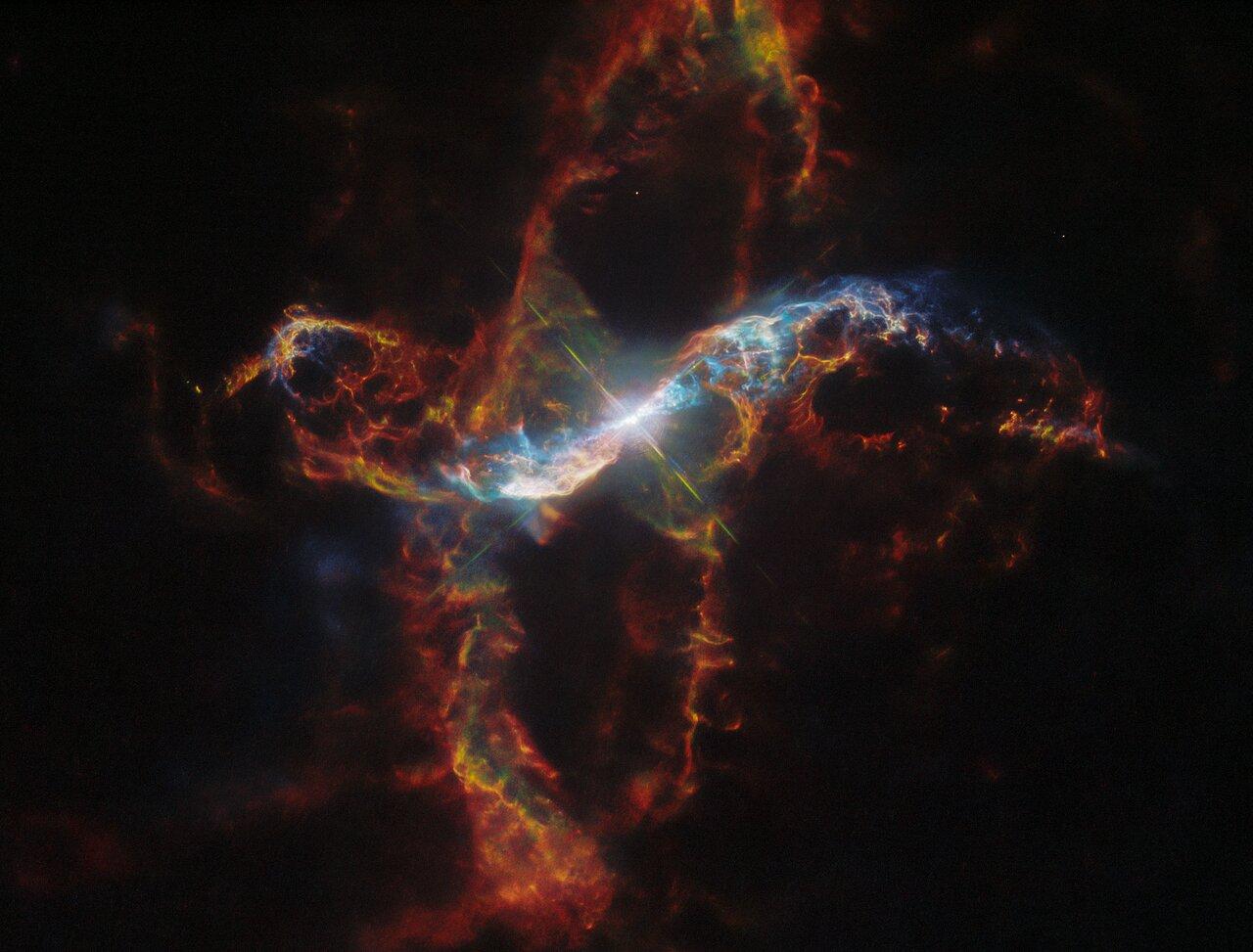
R Aqr Star System
R Aquarii (R Aqr) is a symbiotic binary star system located approximately 710 light years away, observed in the direction of the constellation Aquarius. The system consists of a Mira variable star that has reached the red giant phase and a white dwarf that is accreting mass from its companion. In terms of both physical and dynamic interactions, R Aqr is an important observational target for astronomers. Particularly notable for its material interactions, neutral gas emissions, and complex surrou
EN
Sümeyye Akkanat Terzioğlu
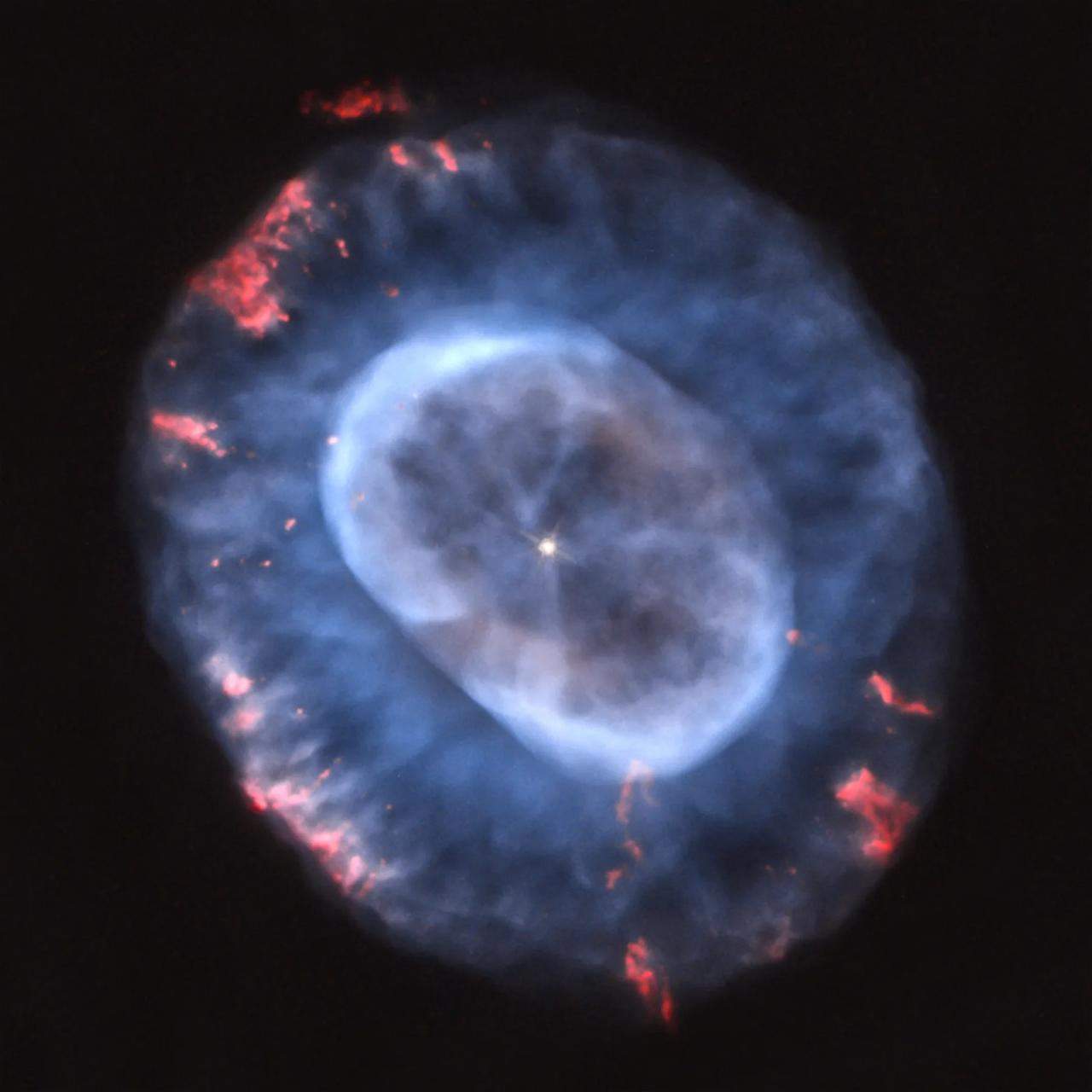
Blue Snowball Nebula (NGC 7662)
The Blue Snowball Nebula (NGC 7662) is a deep-sky object belonging to the planetary nebula class. Located in the direction of the Andromeda constellation, this celestial body was first discovered by William Herschel in 1784. The nebula contains the remnants of a star that has reached the final stages of its life cycle. It is regarded as one of the key examples that contribute to our understanding of the general evolutionary process of planetary nebulae due to its observable structure and morphol
EN
Osman Özbay
What Is a White Dwarf?
A black dwarf is a hypothetical celestial object that emerges in the final stage of a star’s life. In reality, black dwarfs are the end result of white dwarfs that have completely cooled and no longer emit any light. They are therefore extremely aged stars that have lost all their energy. But do not worry—no black dwarfs have yet formed in the universe! This is because it takes trillions of years for a star to evolve into a black dwarf. How Do Black Dwarfs Form? Stars are born, live, and die. St
ENSümeyye Akkanat Terzioğlu
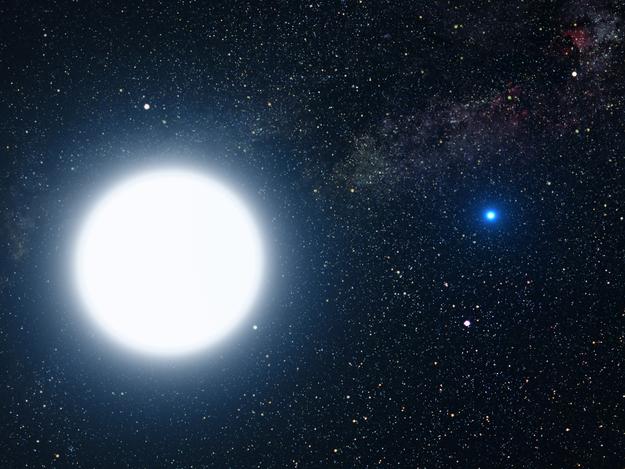
Sirius Star
Sirius is one of the brightest stars in the night sky and forms an important part of the Winter Triangle constellation. This star is located in the constellation Canis Major and derives its name from the Greek word meaning "glowing." At a distance of approximately 8.6 light years, Sirius is known as the brightest star visible from Earth. Since ancient times Sirius has held great significance for many civilizations. In ancient Egypt it was regarded as the harbinger of the Nile River floods and pl
EN
Cemal Efe Gündoğdu
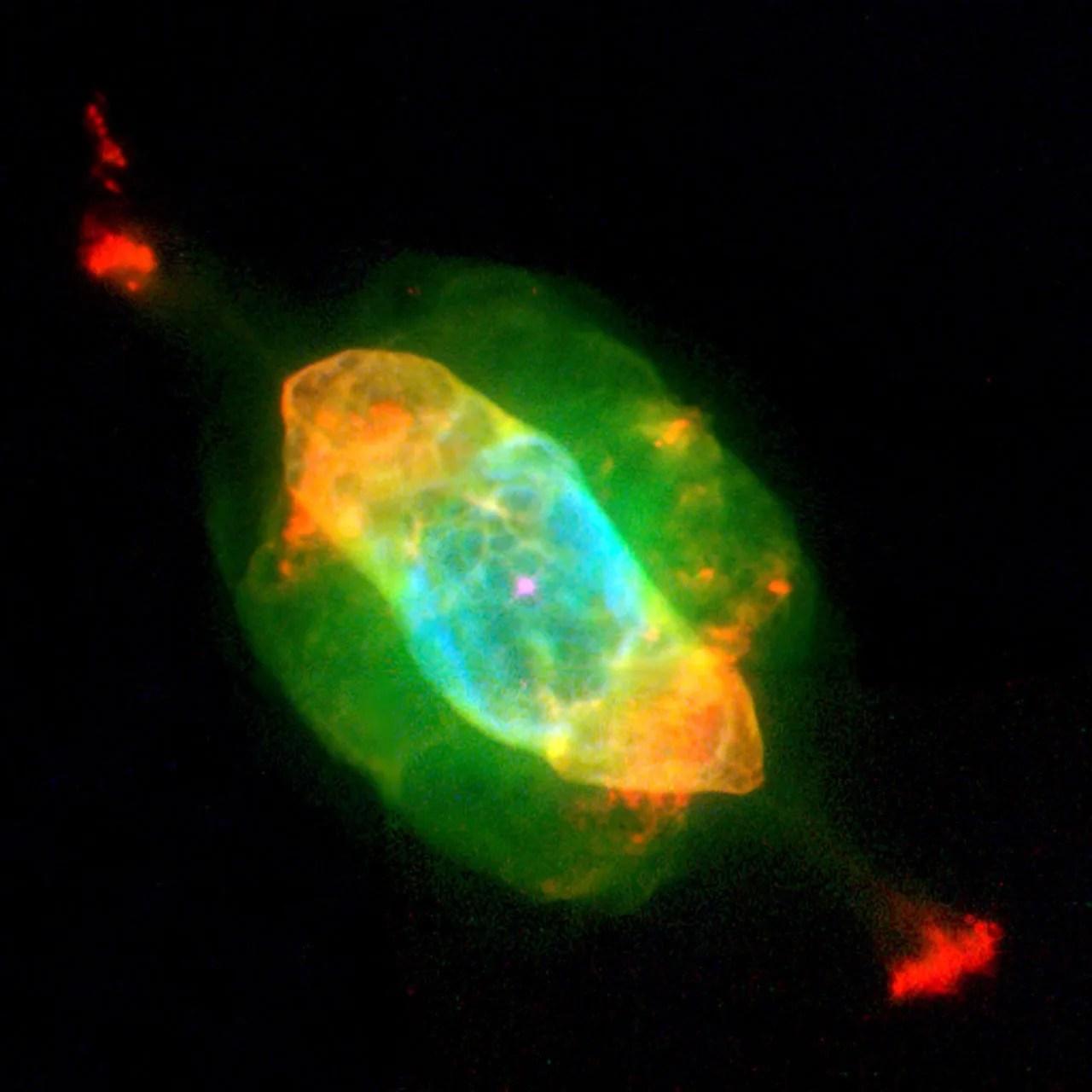
Saturn Nebula (NGC 7009)
NGC 7009, commonly known as the Saturn Nebula (Saturn Nebula), is a a planet-like nebula located in the direction of the Aquarius constellation. It derives its name from structural protrusions that resemble the rings of the planet Saturn when observed. The nebula was discovered by William Herschel on 7 September 1782. Due to its visibility and detailed structure, it is frequently studied in astrophysical research. Saturn Nebula. (NASA) " image-alternate="" image-element-format="right"> Physic
EN
Osman Özbay
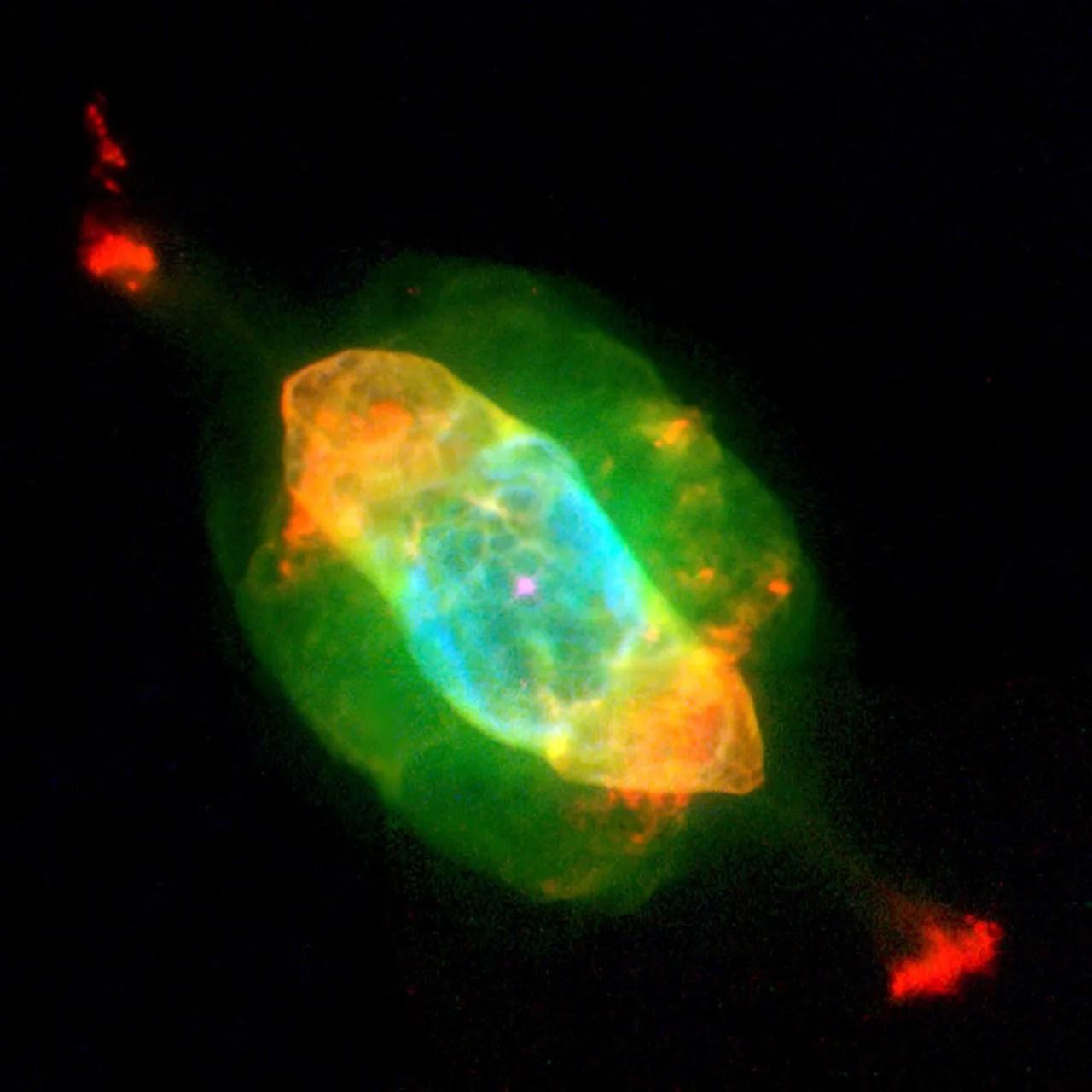
Saturn Nebula (NGC 7009)
NGC 7009, commonly known as the Saturn Nebula, is a planetary nebula located in the direction of the Aquarius constellation. It derives its name from its structural protrusions, which resemble the rings of the planet Saturn when observed. The nebula was discovered by William Herschel on 7 September 1782. Due to its visibility and intricate structure, it is frequently studied in astrophysical research. Physical and Observational Properties Astronomical Classification: Planetary nebula Catalog Des
ENOsman Özbay
 Wh
WhWhite Dwarf
White dwarf is the remnant of a medium- or low-mass star similar to the Sun, formed in the final stage of its life cycle. These stars, after exhausting the hydrogen fuel in their cores, enter the red giant phase and expel their outer layers into space, forming a planetary nebula. The remaining hot core is called a white dwarf, and nuclear fusion no longer occurs (NASA, n.d.). It is predicted that our Sun will also transform into a white dwarf in approximately 7 billion years (Atlas, 2023). Durin
EN
Özgür Kıvanç
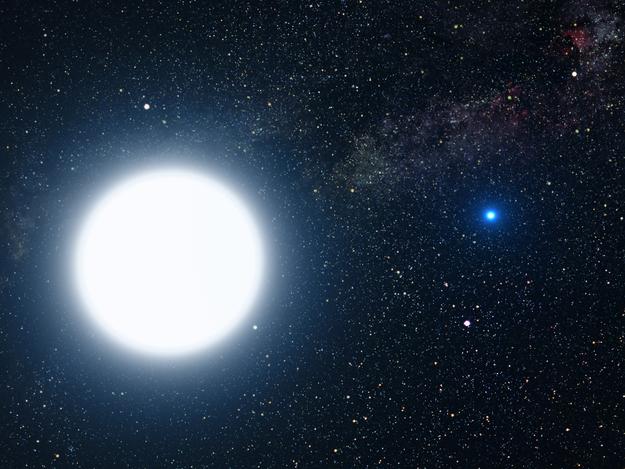
Sirius Star
Sirius is one of the brightest stars in the night sky and is specifically part of the Winter Triangle constellation’s important region. This star lies within the constellation Canis Major and derives its name from the Greek word meaning “glowing.” Located approximately 8.6 light-years away, Sirius is known as the brightest star visible in the night sky. Since ancient times, Sirius has held great significance for many civilizations. In ancient Egypt, it was regarded as the herald of the Nile’s an
ENCemal Efe Gündoğdu
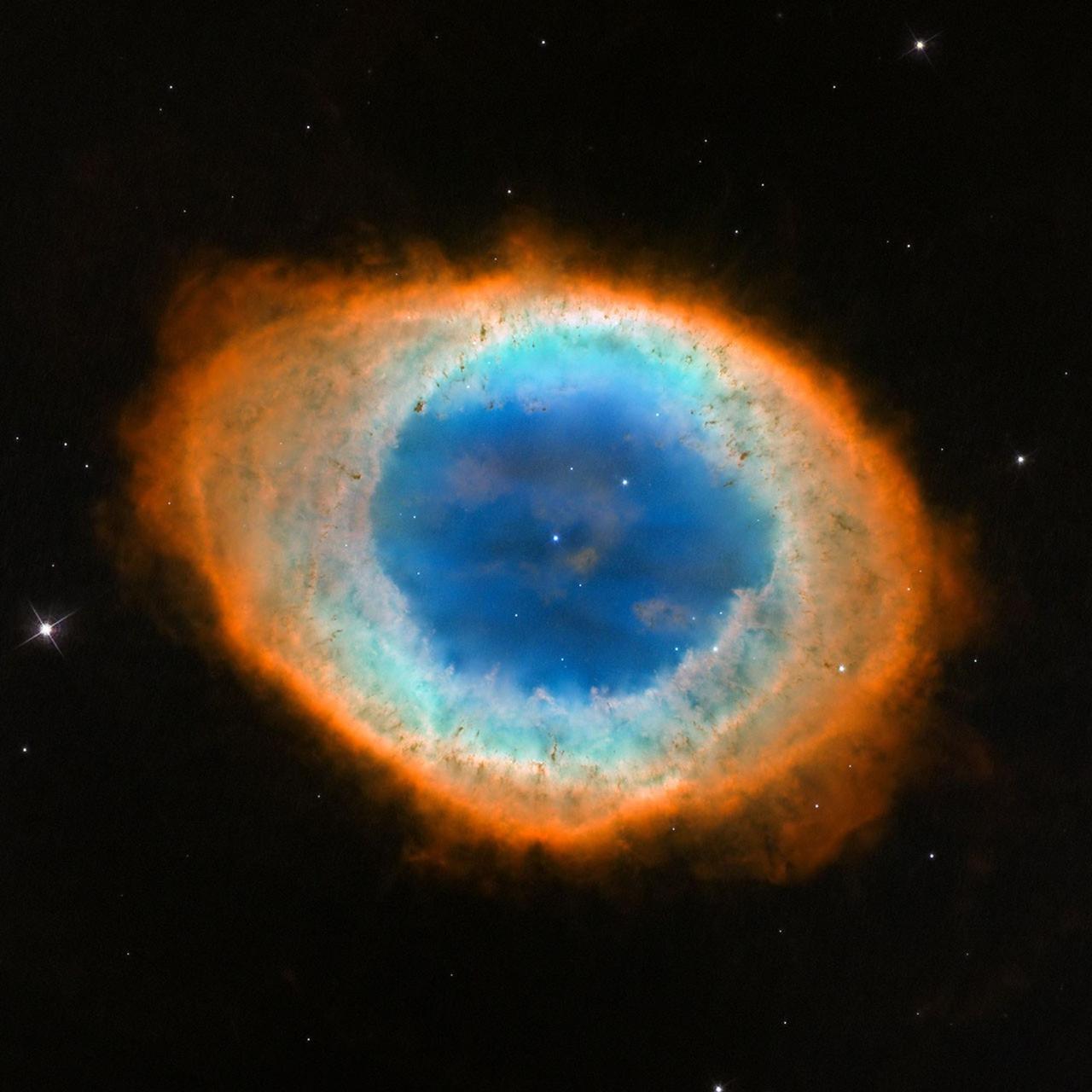
Ring Nebula (NGC 6720)
The Ring Nebula (NGC 6720), is a small planetary nebula. This object, listed in the Messier catalog as M57, is located in the direction of the Lyra constellation and lies approximately 2,300 light-years from Earth. Due to its visual appearance, this structure is sometimes referred to in some sources as the "Diamond Ring Nebula," although this name is not commonly used in astronomical literature. Defining Characteristics and Observational Parameters Catalog Designations: NGC 6720, M57, The Ring N
ENOsman Özbay