

`turkish` Related Article Results
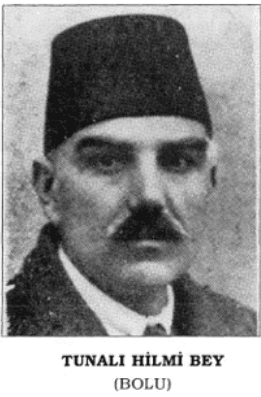
Abdullah Hilmi Tunalı (Tunalı Hilmi Bey)
Abdullah Hilmi Tunalı, known as Tunalı Hilmi Bey, gained prominence during the transition from the late Ottoman Empire to the early years of the Republic through his political and social activities. Born on 28 August 1871 in the town of Eski Cuma (Targovişte) in Bulgaria, then part of the Ottoman territories, Tunalı Hilmi migrated with his family to Istanbul after the 1877–78 Russo-Turkish War, began his education in Üsküdar, and became involved in political activities by joining the Young Turk
EN
Yunus Emre Sağlam
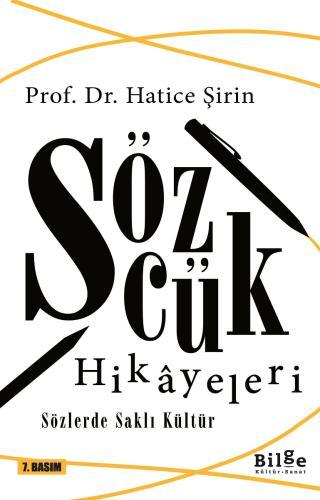
Word Stories: Culture Hidden in Words (Book)
Written by Prof. Hatice Şirin, a member of the Science Council of the Turkish Language Association, the work titled Word Stories (Culture Hidden in Words) was published in 2019. The book comprehensively examines the etymological origins of 134 words along with their historical shifts in meaning and cultural reflections. Objective and Scope of the Work In this work, etymology or what is termed “word story” is presented as a journey parallel to human history, tracing where words come from and wher
EN
Elif Laçin
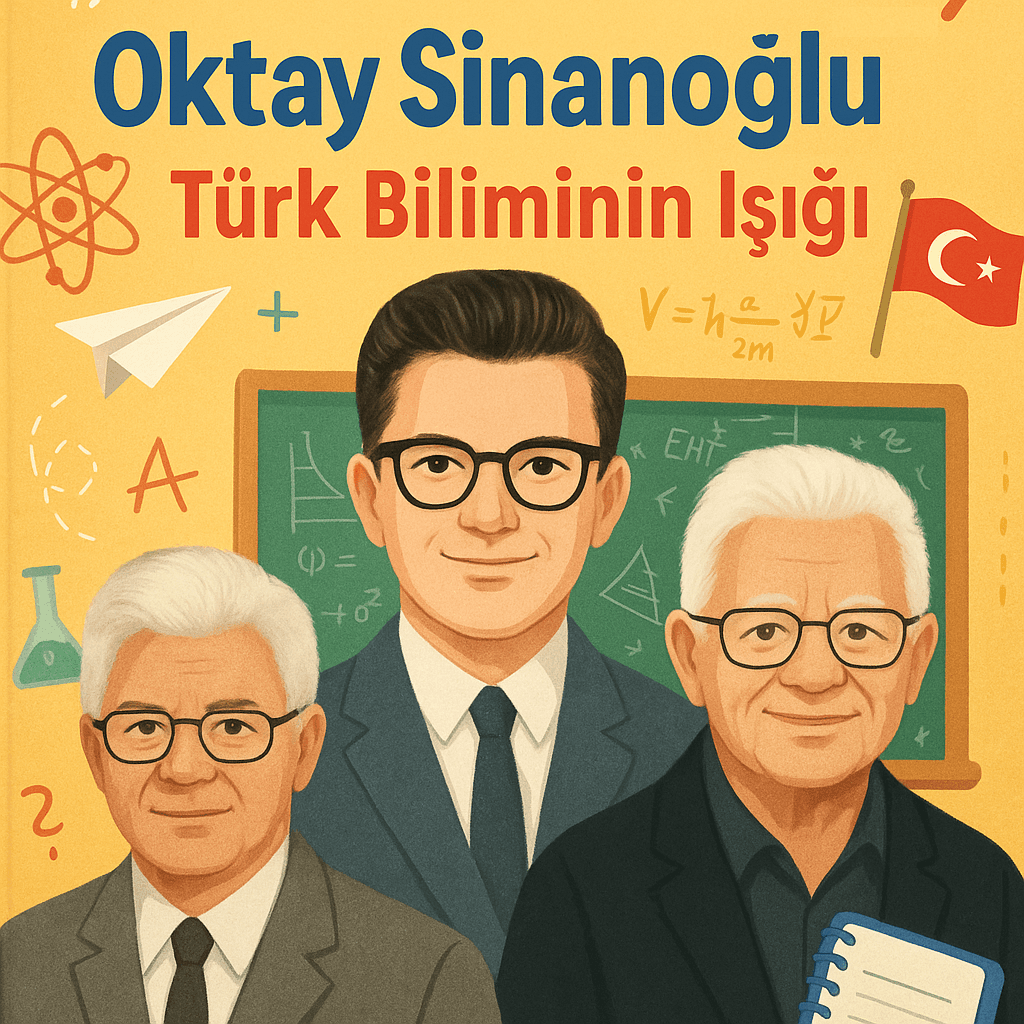
Who is Oktay Sinanoğlu?
Oktay Sinanoğlu (1935–2015) was a world-renowned Turkish scientist, language advocate and mathematical genius. What made him unique was not only his intellect but also his deep devotion to the Turkish language and the Turkish nation. He sought to transform science into a language that everyone could understand. Inspired by the belief that “Science must be fun!” he consistently encouraged his students. Portrait of Oktay Sinanoğlu for Children (Generated by artificial intelligence.) 👶 Where and W
EN
Veli Orhun Seyhan
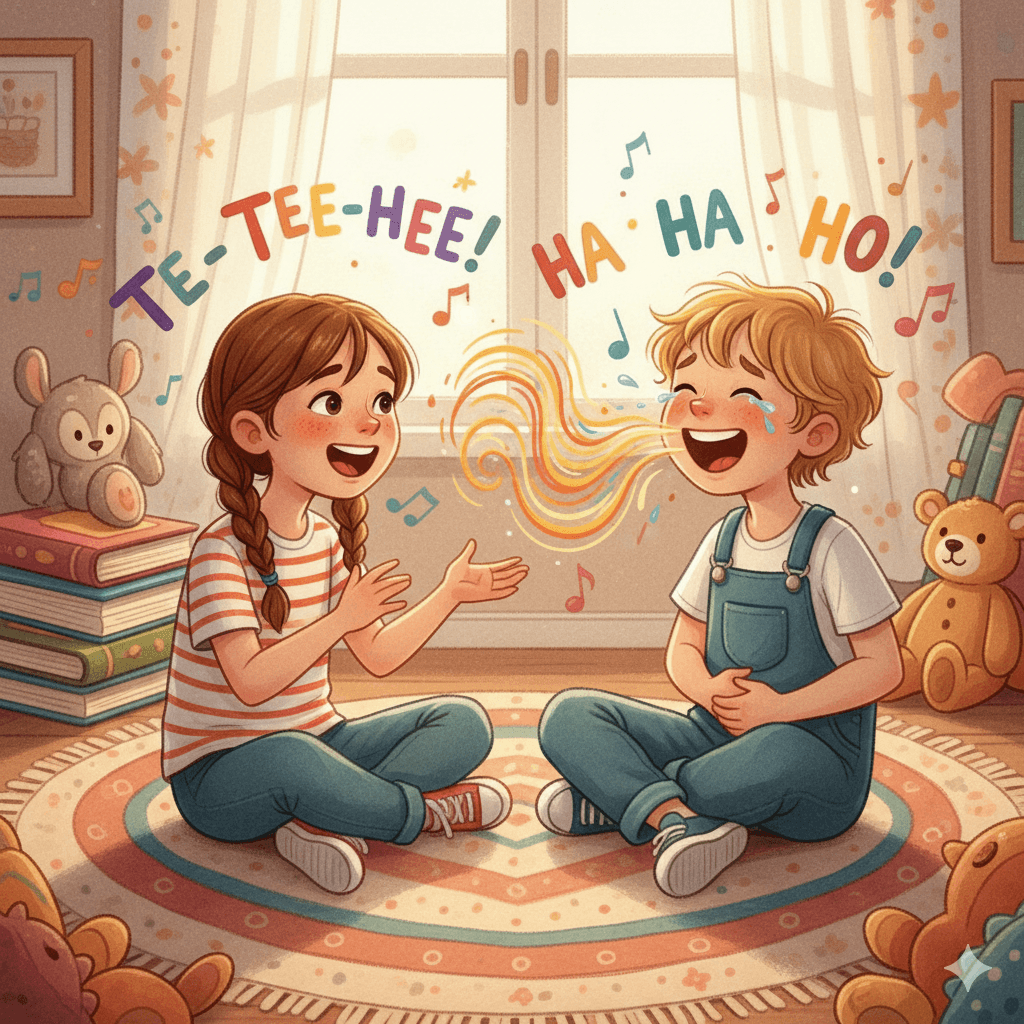
What Is a Tongue Twister?
Nursery rhymes are word sequences that are fun to say and pleasing to the ear. They contain abundant rhyme, rhythm, and repetition. Children typically encounter these phrases while playing games, singing songs, or listening to fairy tales. Nursery rhymes both amuse and teach proper language use! 🎵How Did Nursery Rhymes Emerge? The origins of nursery rhymes lie in the oral culture of the people. Long ago, people began combining words in playful ways to develop their speaking and storytelling ski
EN
Nida Öztürkmen
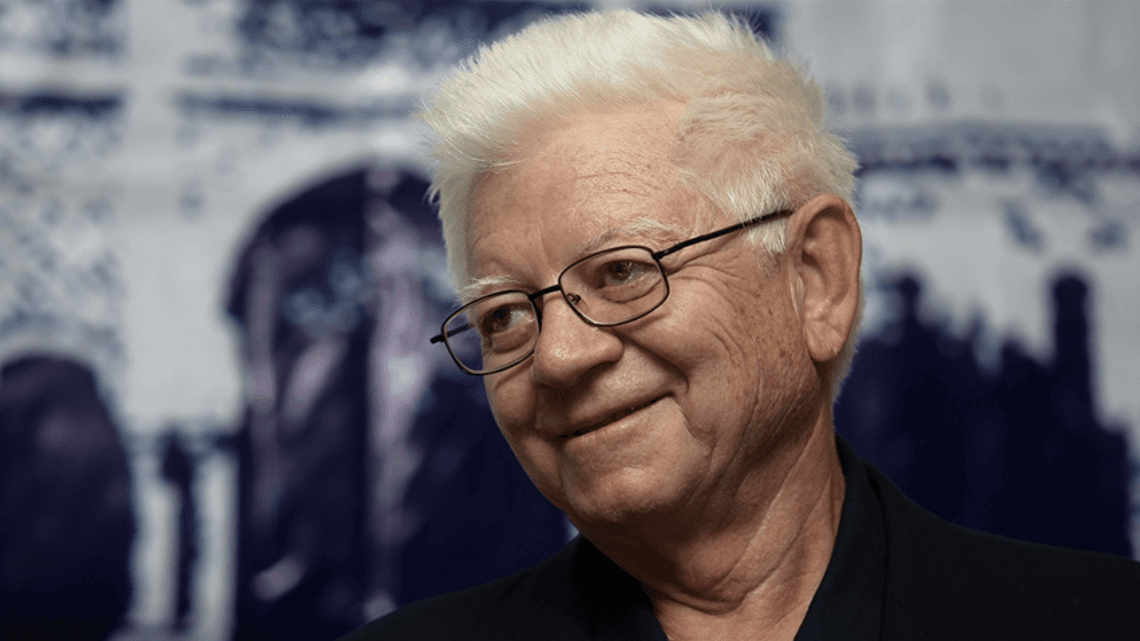
Oktay Sinanoğlu
Oktay Sinanoğlu, 25 May 1935 in Bari, Italy, was a distinguished scientist renowned for his contributions to chemical engineering and academia. He taught in the fields of chemistry, molecular biophysics, thermodynamics and quantum mechanics. In 1975, he became the first and only person in the Republic of Türkiye to be awarded the special title of “Republic Professor.” Beyond his academic achievements, his views on the Turkish language and education also sparked widespread debate in Türkiye. Life
EN
Oktay Buzluk
Atatürk
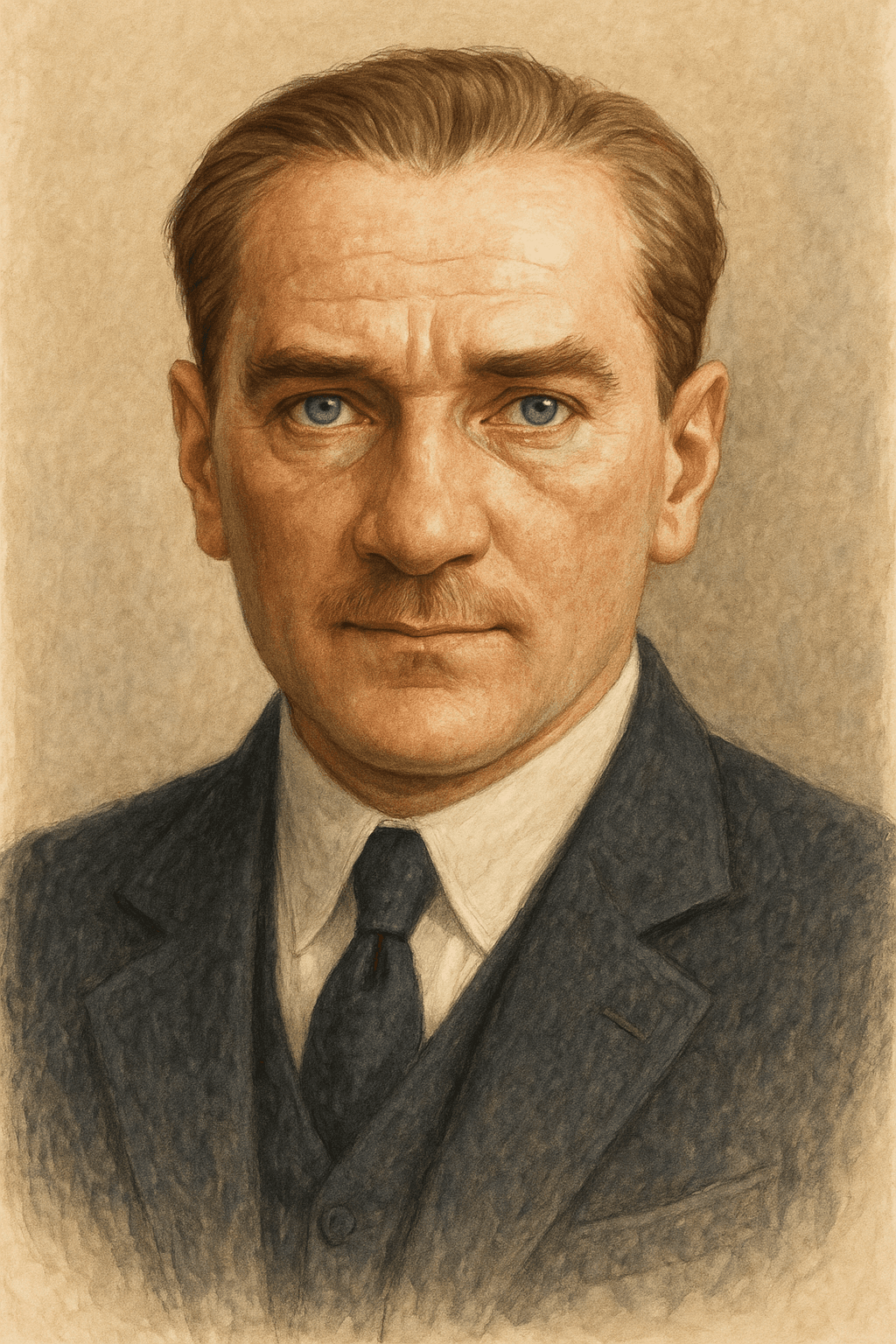
Atatürk (1881–1938) He is the founder and first president of the Republic of Türkiye. The great leader, whose real name was Mustafa Kemal Atatürk, was born in the city of Selanik in 1881. From a very young age, he was an eager, diligent, and courageous child. He attended military school, where he was given the name "Kemal" because his mathematics teacher recognized his exceptional intelligence and bestowed this name upon him. Atatürk accomplished great deeds not only in war but also in peace. Af
EN
Veli Orhun Seyhan
 La
LaLaw on Surnames
Law on Surnames is the law that mandates citizens of Türkiye Cumhuriyeti to adopt a surname in addition to their given names, and regulates the principles concerning the selection, use, and registration of such surnames. It was adopted by the Türkiye Büyük Millet Meclisi on 21 June 1934, published in the Resmî Gazete on 2 July 1934 under number 2741, and came into effect on 2 January 1935. Historical Background and Rationale As part of the cultural revolutions of the Republic, the Law on Surname
EN
Yakup Hilmi Altuntaş
Yücelciler
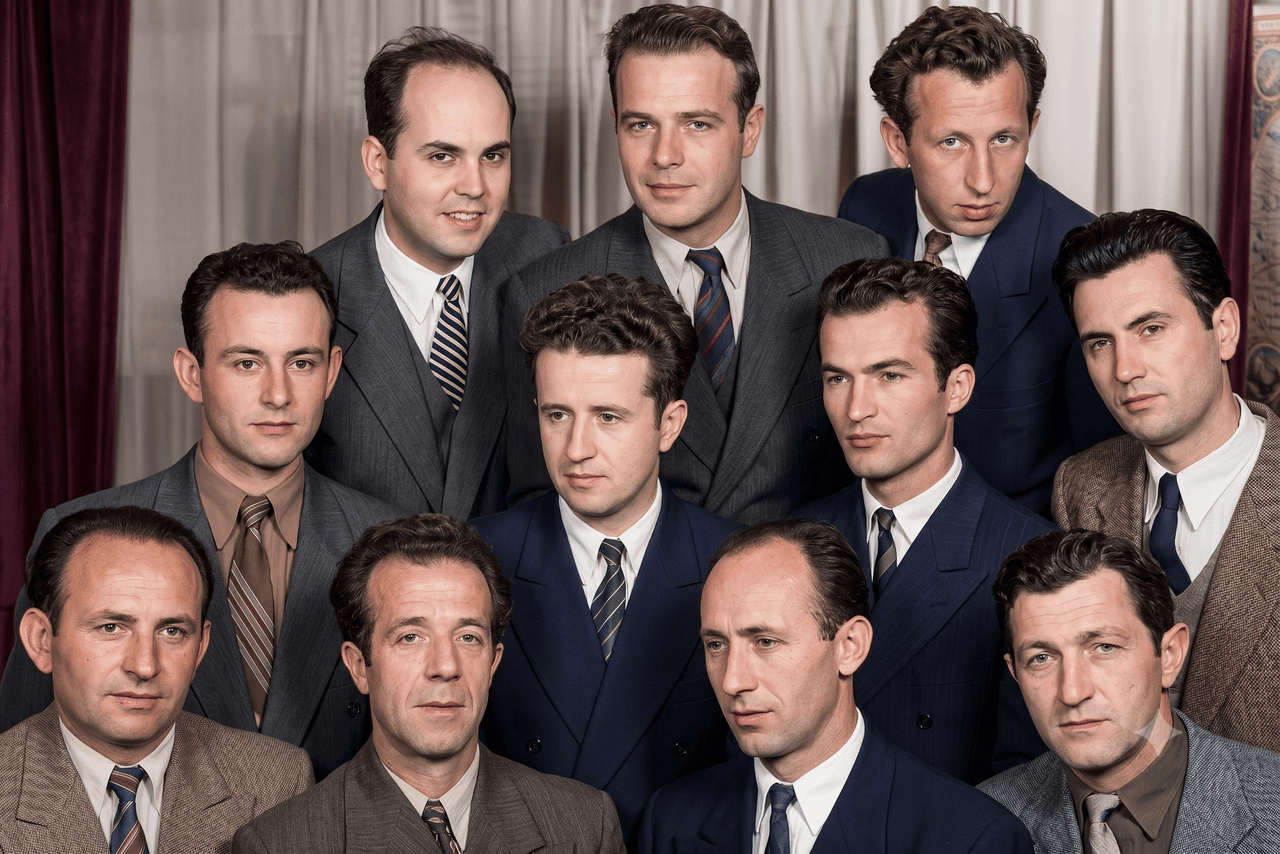
Yücelciler (Yücel Organization) is a secret Turkish organization established to preserve the national, cultural, and religious identity of the Turks living within the borders of the Socialist Federal Republic of Yugoslavia after World War II, particularly in Macedonia. Founded in 1941 with its center in Skopje, the organization aimed to foster national consciousness among Macedonian Turks primarily through educational, cultural, and media activities.【1】 Key figures in the founding of the organiz
ENZeyneb Kurun

Not to allow hair to be plucked from the nose
"Burnundan kıl aldırmamak" means that a person does not allow anyone to speak to them at all, indicating they are very moody and arrogant. Perhaps you have also encountered a friend who always sets the rules when playing games and refuses to accept any objection. Such situations are beautifully described by this expression. What Does It Mean? This expression is used to describe people who do not permit criticism from those around them and tolerate even the slightest rebuke. Imagine a friend is p
EN
Şehrinaz İrem Canbaba
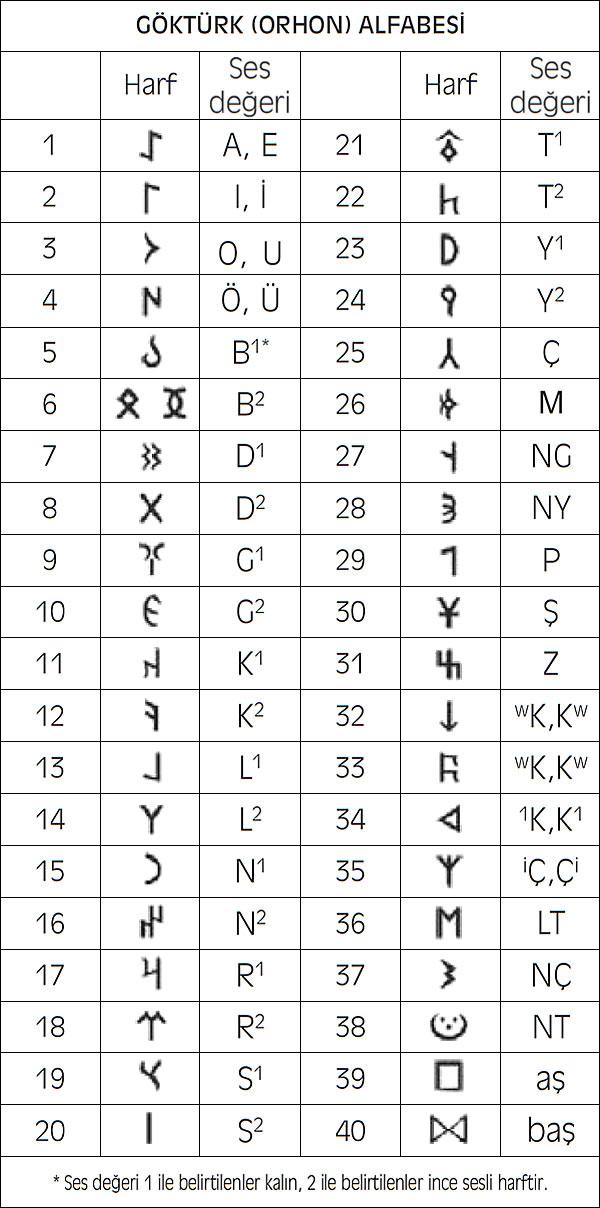
Göktürk Alphabet
The Köktürk alphabet is an ancient Turkic script developed by the Köktürks in Central Asia during the 8th century. It consists of 38 basic characters and was written from right to left using the incision technique on stone. Naming of the Alphabet Because the letters of this script resemble those of the ancient Scandinavian runic writing, Western Turkologists have named this writing system “Old Turkic Runic Script.” In Turkish sources, however, it is most commonly referred to as the “Köktürk Alph
EN
Tuğçe Kabakcı