

`teachingprocesses` Related Article Results
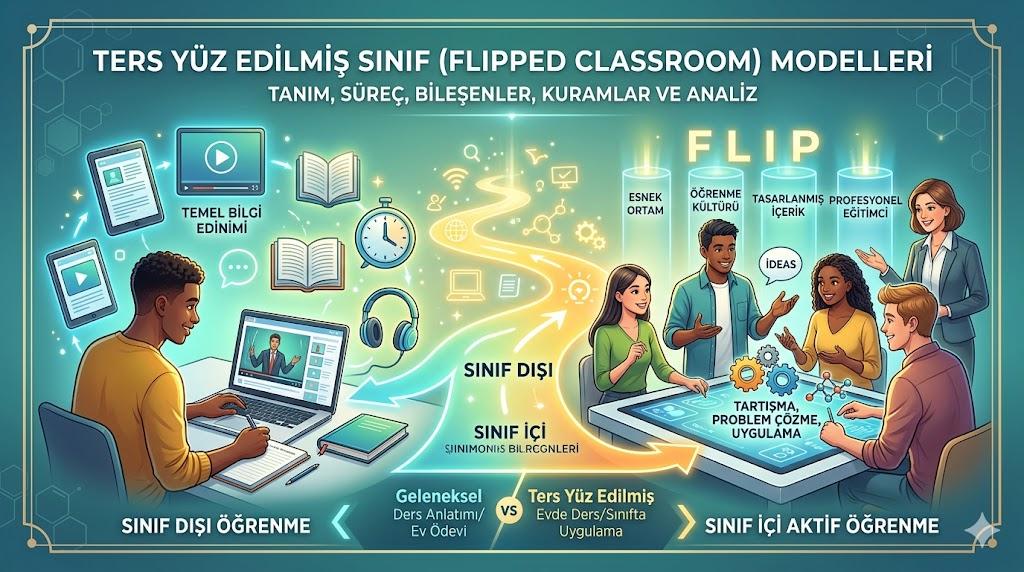
Flipped Classroom Model
The flipped classroom model is a student-centered pedagogical approach in which the traditional sequence of in-class instruction and out-of-class homework and practice is reversed in terms of time and place.【1】In this model, basic knowledge transmission is conducted outside the classroom through various technological materials and digital tools, while in-class time is dedicated to developing higher-order cognitive skills such as discussion, problem solving, analysis, and application. In the lite
EN
Büşra Tuğa
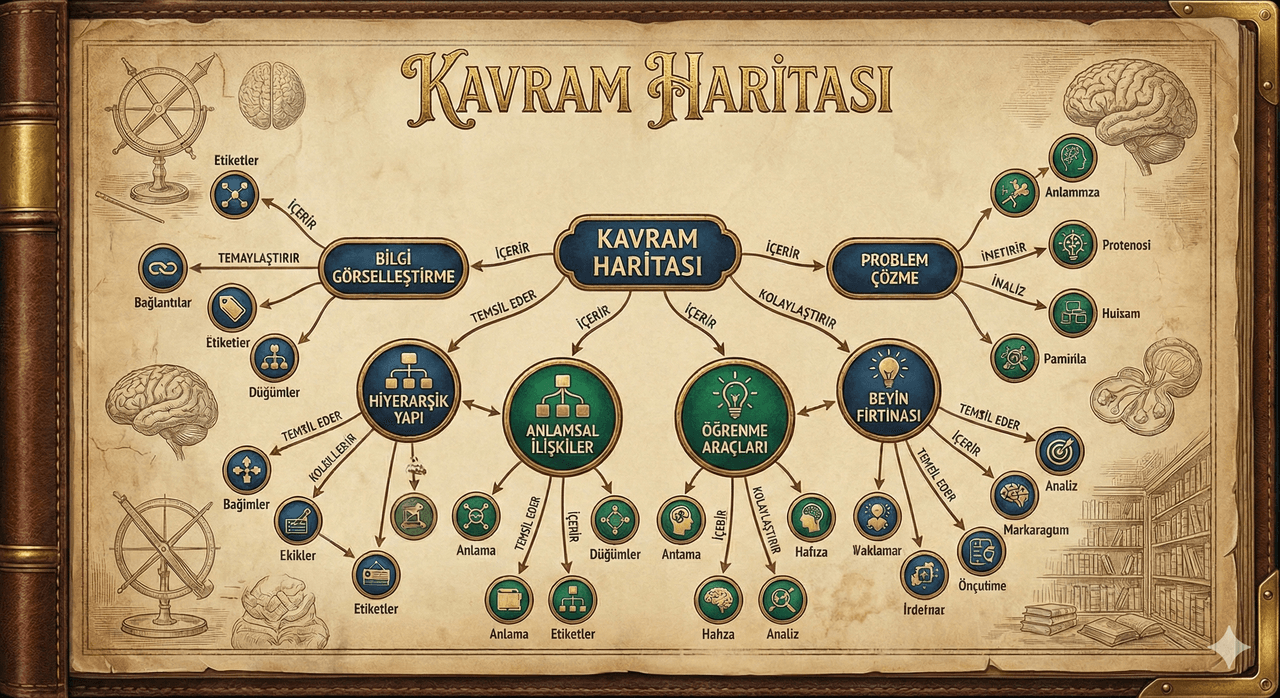
Concept Mapping Method
Concept mapping is a graphical teaching, learning, and assessment strategy that enables individuals to visualize concepts within their knowledge structures and the meaningful relationships between these concepts through two-dimensional diagrams. Developed initially in 1972 by Joseph D. Novak and his research team at Cornell University, this method emerged to track changes in students’ knowledge structures over extended educational processes. Concept maps, directly linked to constructivist learni
EN
Muhammed Samed Acar

Mind Map
Mind mapping is a graphical presentation technique developed by individuals to visualize, organize, and recall information about knowledge. This structure, in which concepts and ideas branch out from a central core idea, supports the externalization of perceptions, memories, and knowledge present in the individual’s mind. Mind maps are used as a tool that supports cognitive functions across diverse fields, from individual learning processes to urban memory analyses. Historical Development The mi
EN
Şevket Kaynar