

`tanzimat` Related Article Results
 İm
İmİmar Məclisləri (Tənzimat Dövründə)
İmar Məclisləri, 1845-ci ildə Tanzimat (1839-1876) islahatları çərçivəsində, Osmanlı vilayətlərində inzibati, iqtisadi və abadlıq məsələlərini araşdırmaq və onları mərkəzi hökumətə məruzə etmək üçün yaradılmış müvəqqəti nəzarət şuraları idi. Bu məclislər Osmanlı İmperiyasının vilayət idarəçiliyini modernləşdirmək səylərinin bir hissəsi kimi təşkil olunmuş, infrastruktur layihələrinin icrasına nəzarət, vergi sisteminin yenidən təşkili, təhsil və ticarət sahələrindəki çatışmazlıqların müəyyən edil
AZ
Mehmet Salih Çoban
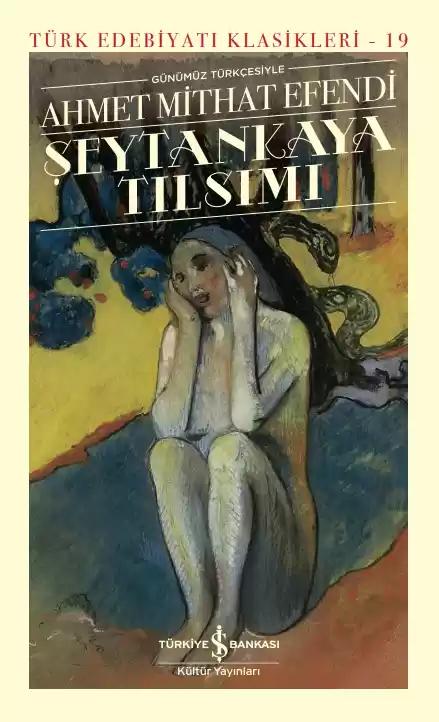
Shaytankaya Talisman
“Şeytankaya Tılsımı” is one of the Turkish author’s novels adorned with supernatural elements. The work draws attention through its supernatural themes, addressing evil, supernatural forces, and society’s stance against these powers. History of the Work While the novel reflects the social and cultural conditions of its time, it particularly highlights supernatural and mythological elements. Information regarding its publication process and subsequent editions is limited in the provided sources.
EN
Zeynep Şule Bingöl
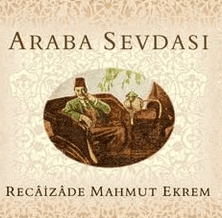
Araba Sevdası (Book)
Araba Sevdası is a novel written by Recaizade Mahmut Ekrem, one of the prominent authors of the Tanzimat period. It was first serialized with illustrations in the literary magazine Servet-i Fünun in 1895 and was published as a book in 1896. The work examines the cultural transformation of Ottoman society during the Westernization process. It focuses on the lifestyle and value system of the upper-class individuals of the period. Subject The main character of the novel, Bihruz Bey, represents the
EN
Elyesa Köseoğlu
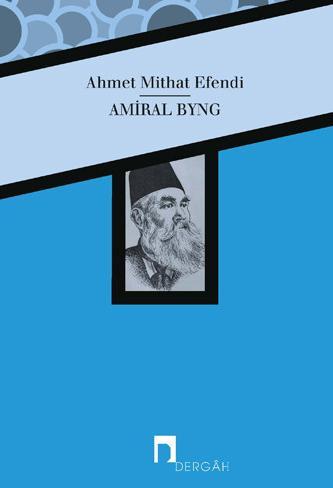
Admiral Byng (Book)
Amiral Byng is a historical novel authored by Ahmet Mithat Efendi (1844-1912), one of the prolific and prominent figures of Turkish literature. Prepared for publication by İnci Enginün and published by Dergâh Publications as part of its "Turkish Literature" series, the work addresses the trial process and execution of the British Admiral John Byng following his defeat against the French fleet at Minorca during the Seven Years' War, which took place in the mid-eighteenth Century. This work, which
EN
Muhammed Samed Acar
TeTefrik-i Tebaa
The Tefrik-i Tebaa Policy was a political instrument developed by the Ottoman State in response to the complex nationality issues that emerged during its accelerating decline and disintegration from the late 18th century onward. This policy took shape as a consequence of internal and external dynamics including the weakening of central authority the proliferation of capitulations and the increasing protective efforts of foreign states over Ottoman subjects. The state aimed to reestablish control
EN
Denizcan Taşci
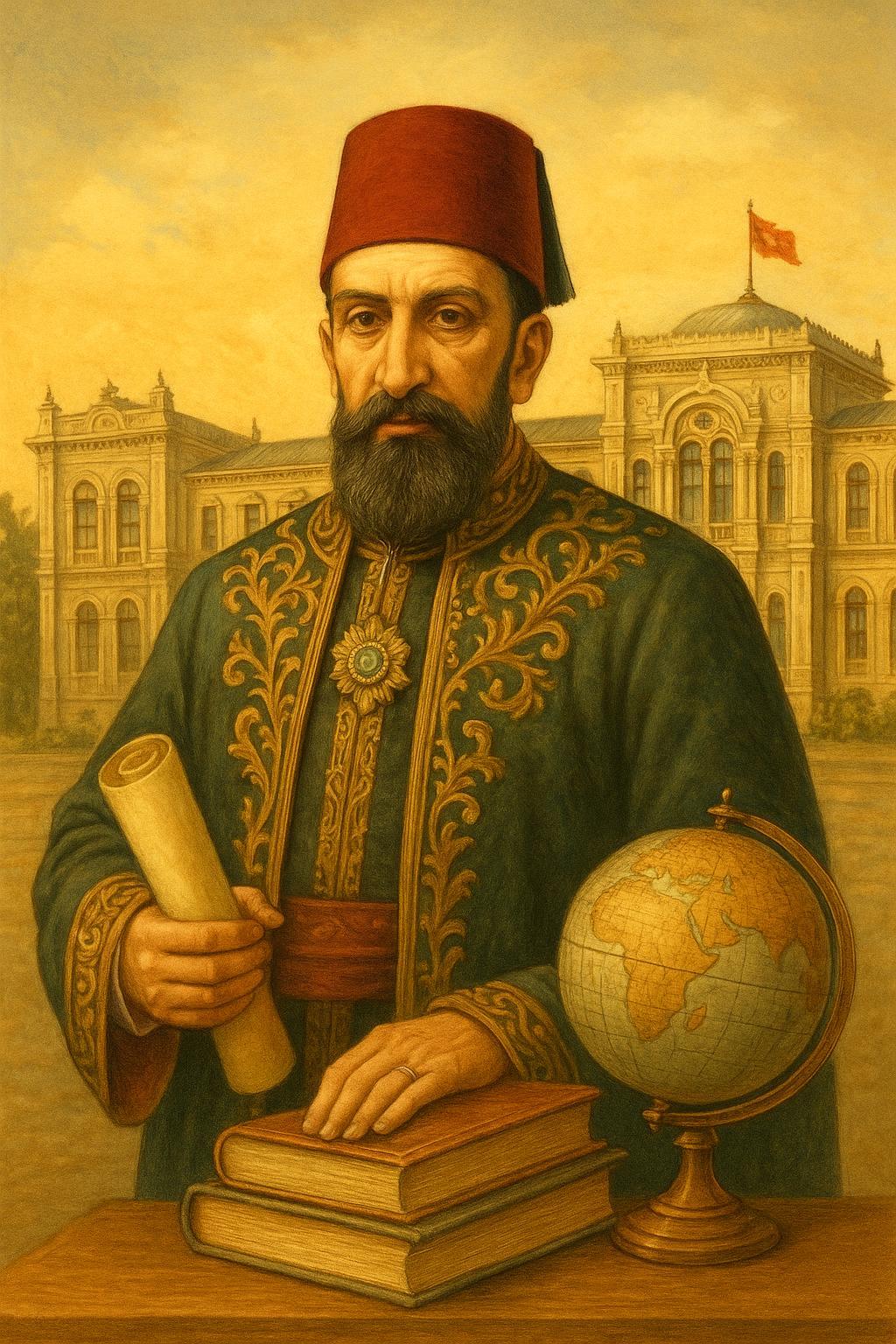
Abdülhamid II: An Intelligent and Patient Ottoman Sultan
Abdülhamid II was the 34th sultan of the Ottoman Empire. He reigned for exactly 33 years, from 1876 to 1909. During this long period of rule, the Ottoman Empire faced numerous challenges. Abdülhamid II was a patient, cautious and forward-thinking sultan. He worked tirelessly to ensure the survival of the state and placed great importance on education, science and communication. He is also known among the people as “Ulu Hakan”. The Sultan of a Difficult Era When Abdülhamid II ascended the throne,
EN
Mustafa Cem İnci
AnAn Evaluation of Emine Semiye's Novel Muallime
The novel *Muallime* was serialized in *Hanımlara Mahsus Gazete* between 1 March 1898 and 2 May 1901 and was published as a book after the author’s death. The novel has since been reissued by various publishers. Its content revolves around a network of complex relationships and intrigues. The narrative also highlights the educational methods employed by the protagonist, Muallime. Who is Emine Semiye? Emine Semiye was the daughter of Ahmet Cevdet Paşa and the sister of Ali Sedat and Fatma Aliye.
EN
Meryem Şentürk Çoban
Vilayet
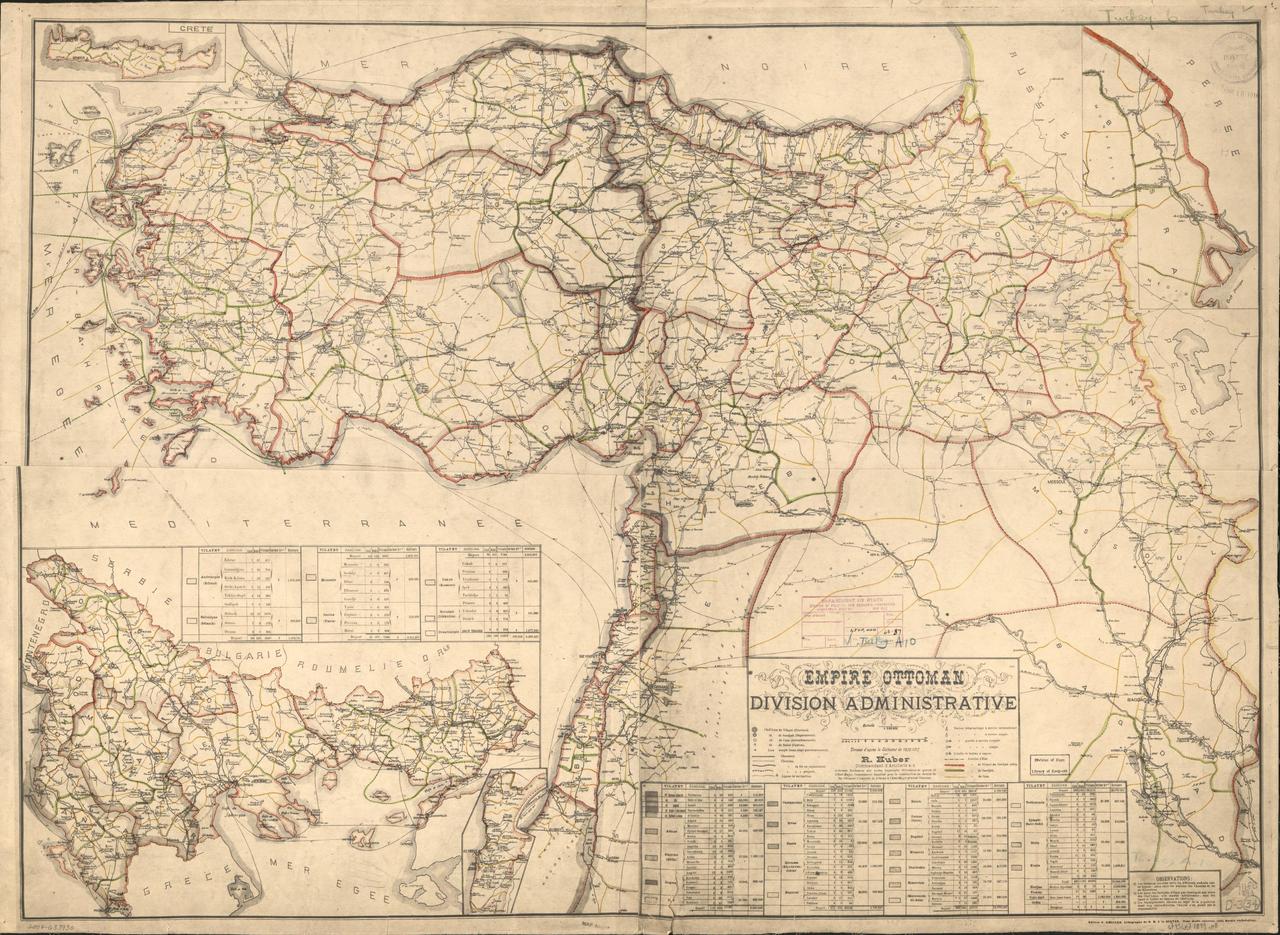
Vilayet (province) is the largest administrative unit, governed by a vali, and encompasses subordinate units such as sancak/liva, kaza, nahiye, and village, following the 1864 Vilayet Nizamnamesi. Mehmet Salih Çoban, "1864 Tuna Vilayet Nizamnamesi," KÜRE 19 July 2025, Access: 15 June 2026, https://kureansiklopedi.com/tr/detay/1864-tuna-vilayet-nizamnamesi-a010e. ">【1】 The everyday and dictionary meaning of the term is defined as "the largest administrative division under a vali, a province";
ENMehmet Salih Çoban
İlber Ortaylı’nın Gözünden "Osmanlı Toplumunda Aile"
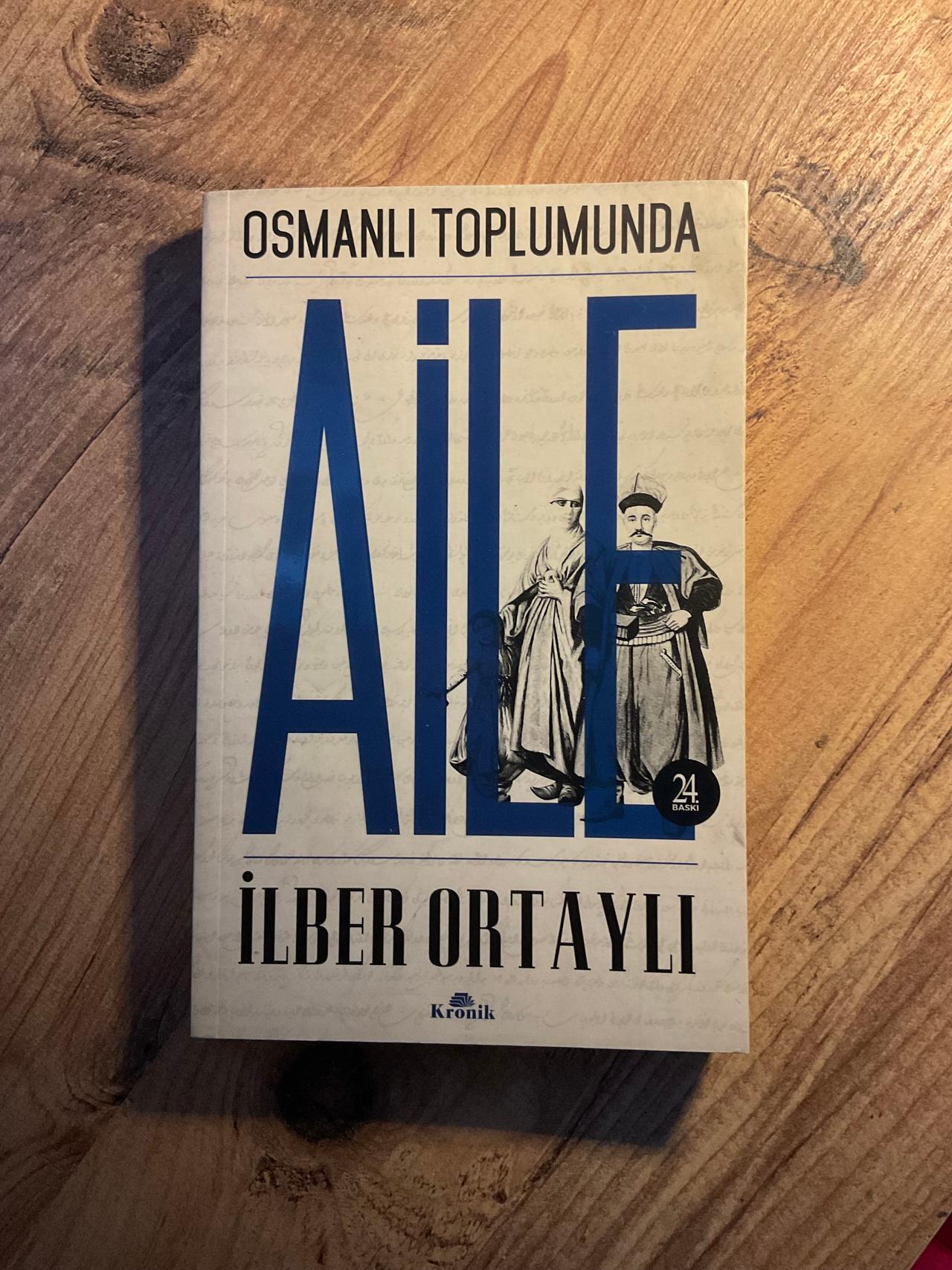
Osmanlı İmparatorluğu denince zihnimizde genellikle saraylar, fetihler, diplomatik mücadeleler ve devasa bir bürokratik mekanizma canlanır. Ancak koca bir imparatorluğun kalbi aslında saray odalarında değil; mahalle aralarındaki o ahşap evlerde, yani toplumu ayakta tutan en küçük hücrede, "aile" yapısında atıyordu. İlber Ortaylı’nın ufuk açıcı eseri "Osmanlı Toplumunda Aile", makro tarihin gölgesinde kalan bu mikro dünyaya ışık tutuyor. Şer’iyye sicillerinden, seyahatnamelerden ve zengin arşiv b
TRGökçe Baykurt
Ramazan Tenbihnameleri
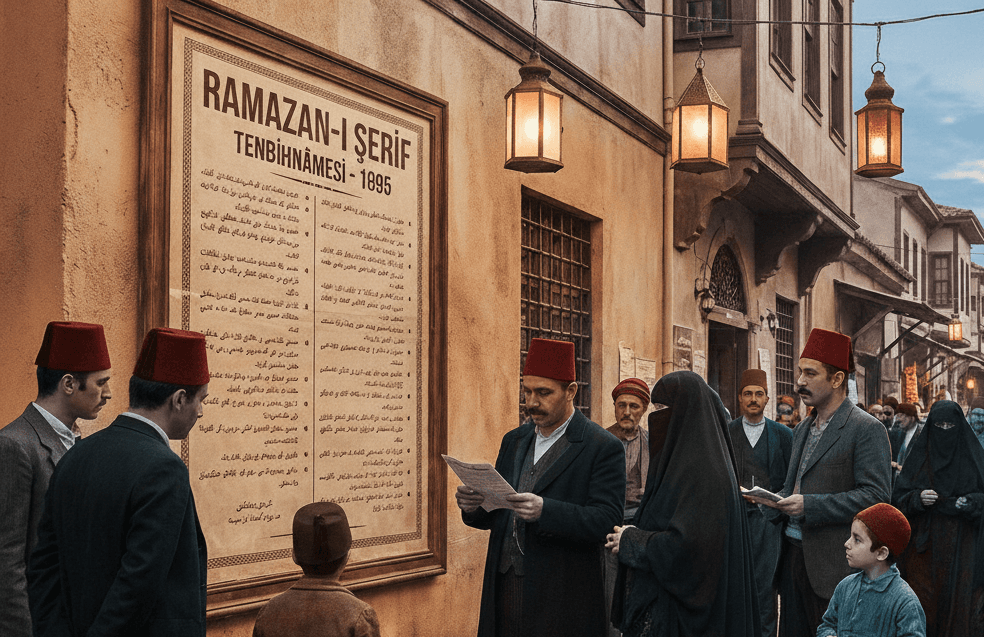
Ramazan tenbihnâmeleri, Osmanlı Devleti’nde Ramazan ayının toplumsal ve dinî önemine binaen, ibadet hayatının huzur içinde sürdürülmesini ve toplum düzeninin korunmasını sağlamak amacıyla yönetim tarafından yayımlanan resmî düzenlemelerdir. Bu belgeler, Ramazan’ın gündelik hayatı dönüştüren ritmi içinde ortaya çıkabilecek gerilim ve düzensizlik ihtimallerine karşı, devletin kamusal alanı “uyarı–denetim–yaptırım” ekseninde düzenleme iradesini görünür kılar. İbadet mekânlarının temizliği ve düzeni
TR
Nursena Şahin