

`stone-masonry` Related Article Results
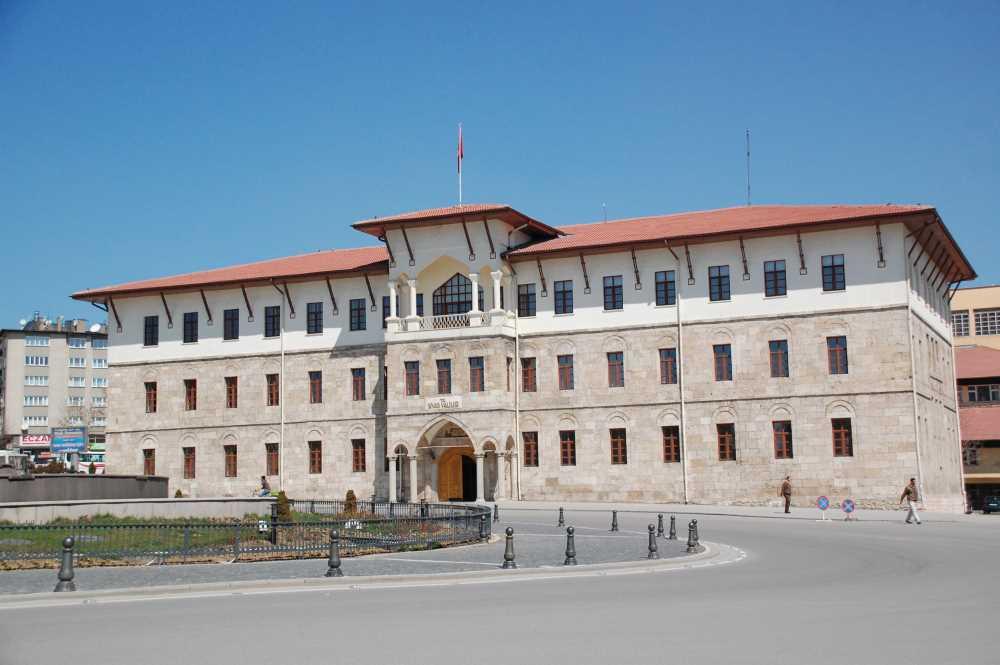
Sivas Government House
Sivas Government House is a significant public building located in the city center, reflecting the civil architectural characteristics of the Ottoman period. Constructed in 1884 by Governor Halil Rıfat Paşa, the building was originally designed as a two-story structure using cut stone. Measuring 50 meters in length and 20 meters in width, the house features aesthetic details that exemplify the stonemasonry of its era. Large entrance doors supported by pairs of columns are present on both the fro
EN
Yusuf İslam Tuğla
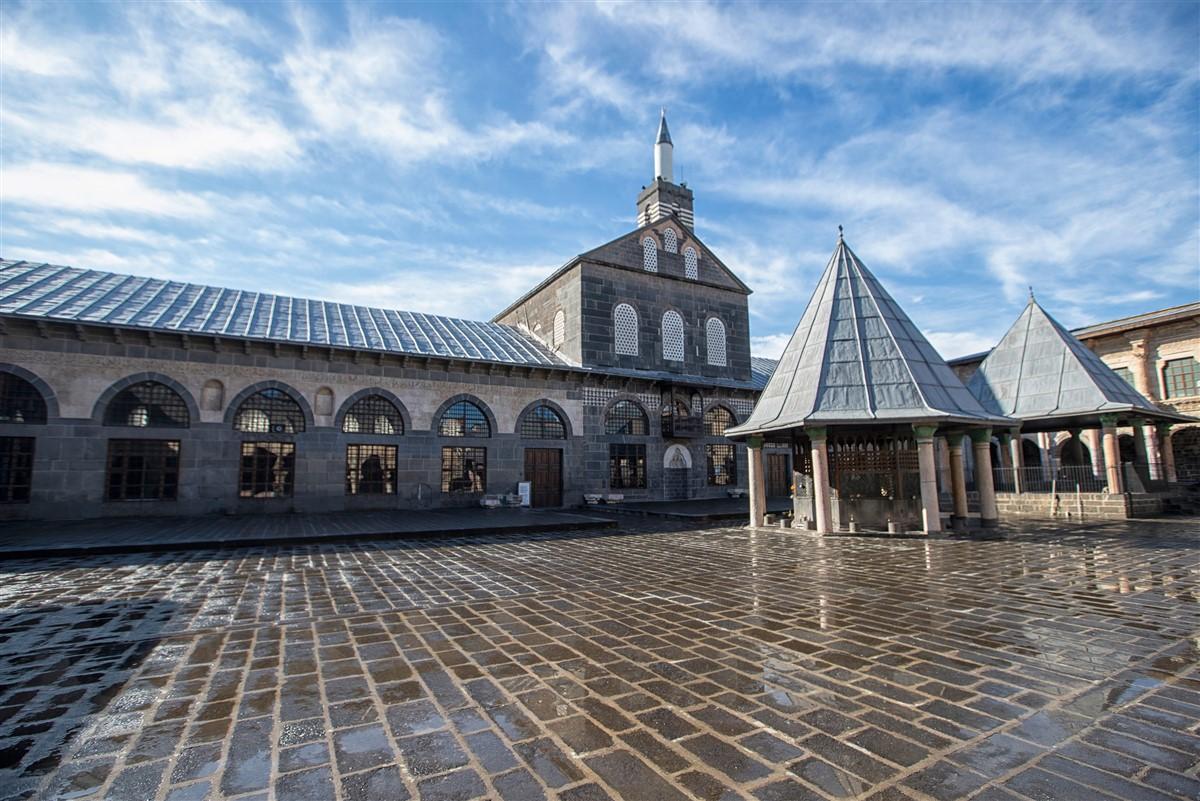
Diyarbakır Architecture
Diyarbakır architecture is an original and multilayered structure that developed over centuries under the dominance of multiple civilizations, reflecting the architectural sensibilities and local cultural dynamics of different periods. The city’s civil, religious and public buildings exhibit diverse architectural typologies shaped by regional materials, climatic conditions and social lifestyles. Walls, mosques, churches, madrasas, caravanserais, bathhouses, bridges and traditional dwellings are
EN
Zelal Çakar
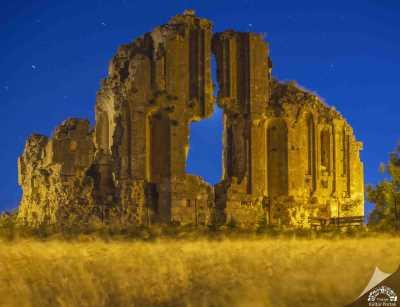
Ergen Church
Ergen Church is a church located in the village of Geçimli, within the Hozat district of Tunceli province. The exact period of its construction is not definitively known. It is described as a larger structure compared to other churches in the region and is considered one of the largest churches in Tunceli. Ergen Church (Culture Portal) " image-element-format="right" image-height="1200" image-source="https://cdn.t3pedia.org/media/uploads/2026/03/05/HFPsYhgWl3mHCkt4xKcF7jy7qVBsjD1o.png" image-widt
EN
Özlem Çetin
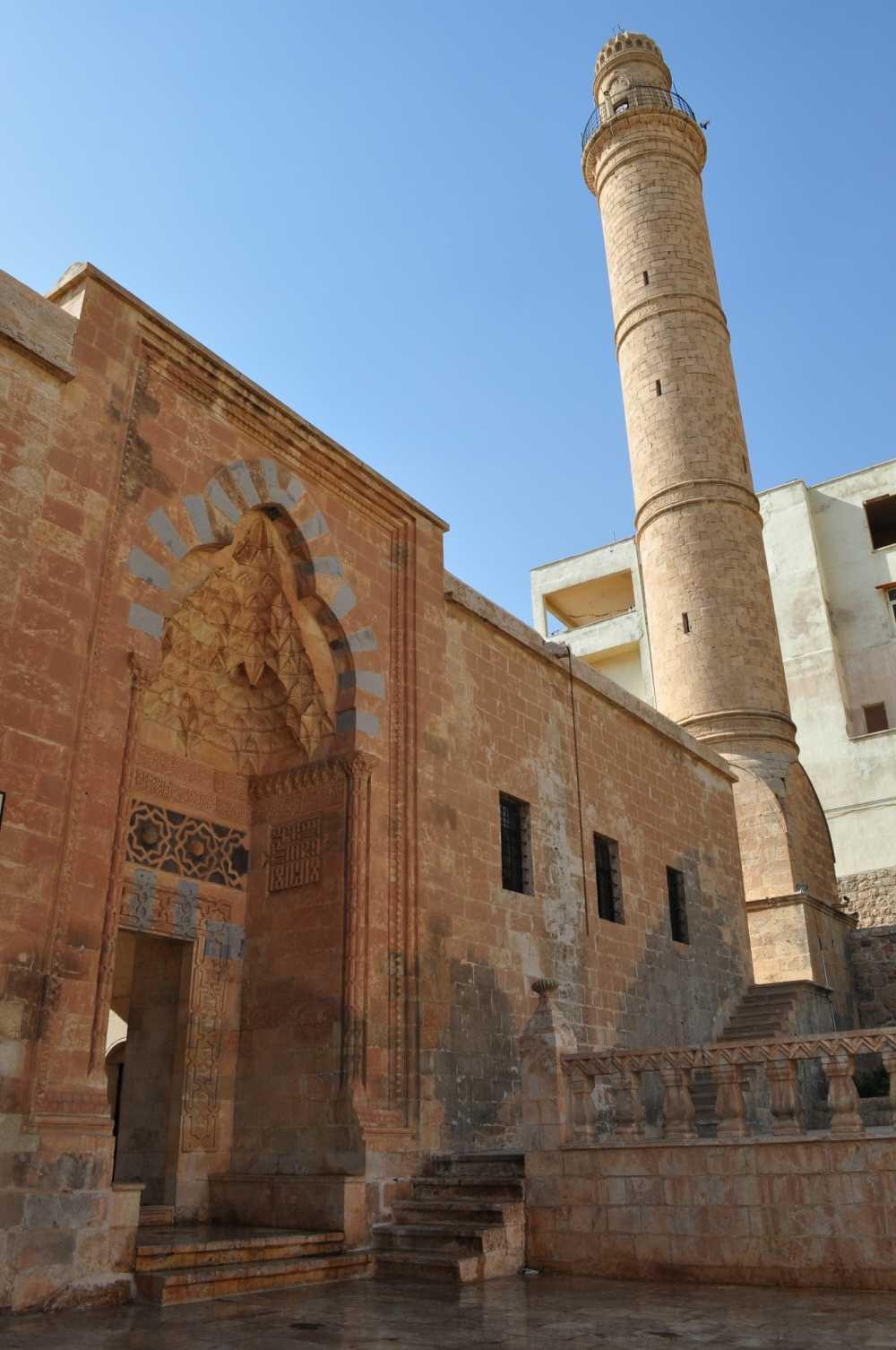
Abdulatif Mosque
Abdüllatif (Latifiye) Camii, Mardin city center, located south of Cumhuriyet Alanı, is a mosque built in 1371 during the Artuklu period by Abdüllatif bin Abdullah. Its transverse rectangular plan, dome over the mihrap area, stone decorations, and long foundation inscription reflect the late characteristics of Artuklu architecture. The structure, with its courtyard and medrese units and a minaret rebuilt in different periods, represents a multi-layered historical process. Named after its founder,
ENAynur Çankaya
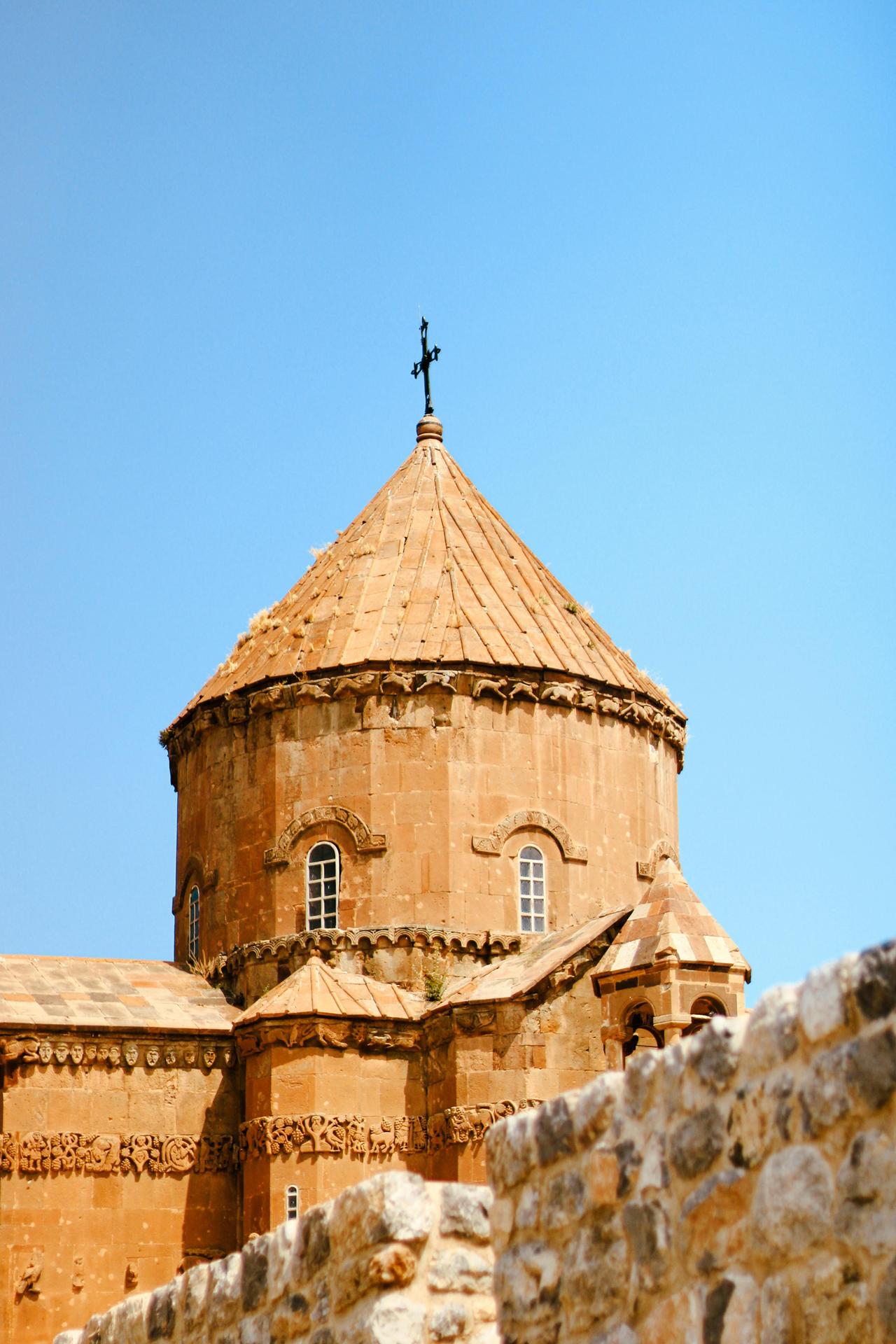
Armenian Church Architecture
Armenian church architecture is a religious building tradition defined by characteristic plan typologies, stonework, and decorative programs developed by Armenians in accordance with their Christianity faith. This architectural style evolved over time within the historical continuity of the Caucasus, Anatolia, Iran, and the Levant regions since the early periods of Christianity. Following the adoption of Christianity as the official state religion in the fourth century, religious buildings becam
EN
Esra Özkafa
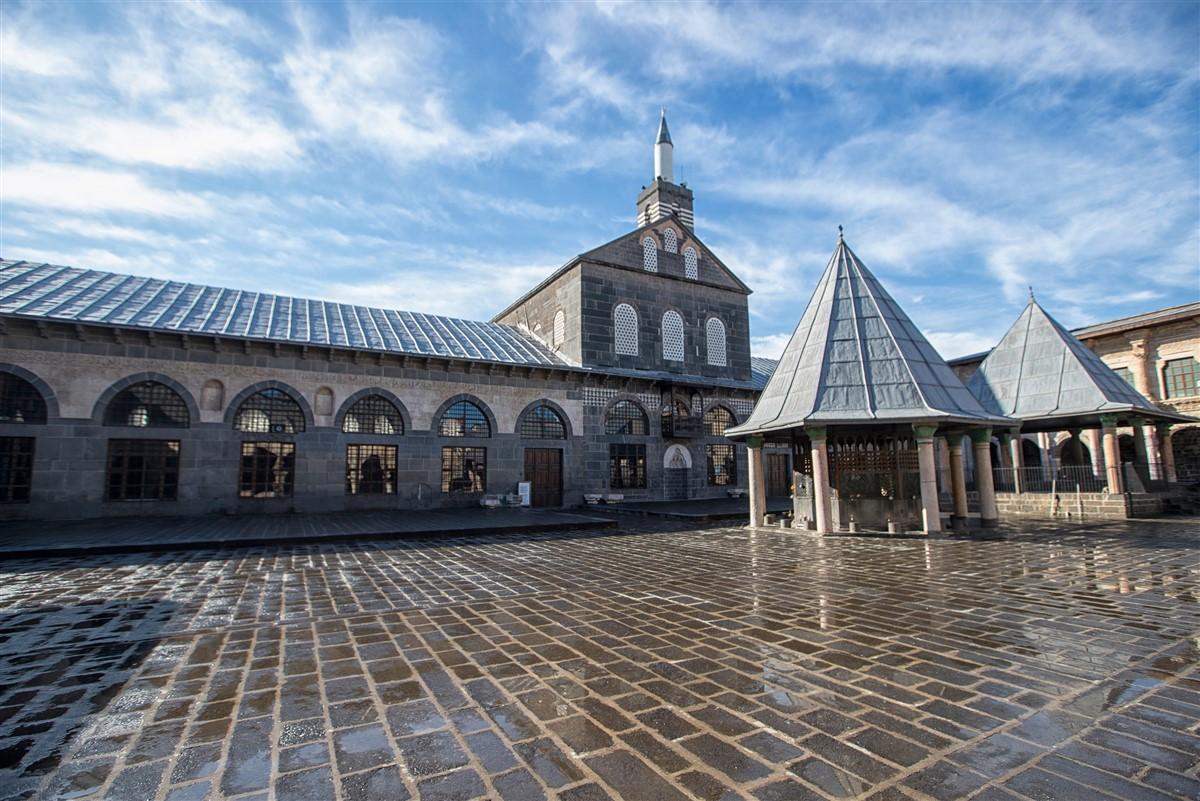
Diyarbakır Architecture
Diyarbakır architecture is an original and multi-layered structure that developed over centuries under the dominance of numerous civilizations, reflecting the architectural sensibilities and local cultural dynamics of different periods. The city’s civil, religious, and public structures present diverse architectural typologies shaped by regional materials, climatic conditions, and social lifestyles. Walls, mosques, churches, madrasas, caravanserais, bathhouses, bridges, and traditional houses ar
EN
Zelal Çakar

Sungur Bey Mosque (Pertek – Tunceli)
Sungur Bey Camii is a very old Ottoman mosque located in the Pertek district of Tunceli. It was built in the 1500s, approximately 450 years ago. The mosque is named after its patron, the administrator Sungur Bey. At that time, Pertek was one of the important settlements in eastern Anatolia under the Ottoman State. Originally, the mosque stood on the banks of the Murat River. However, after the construction of the Keban Dam, the old town of Pertek faced the threat of being submerged. As a result,
ENYusuf İslam Tuğla
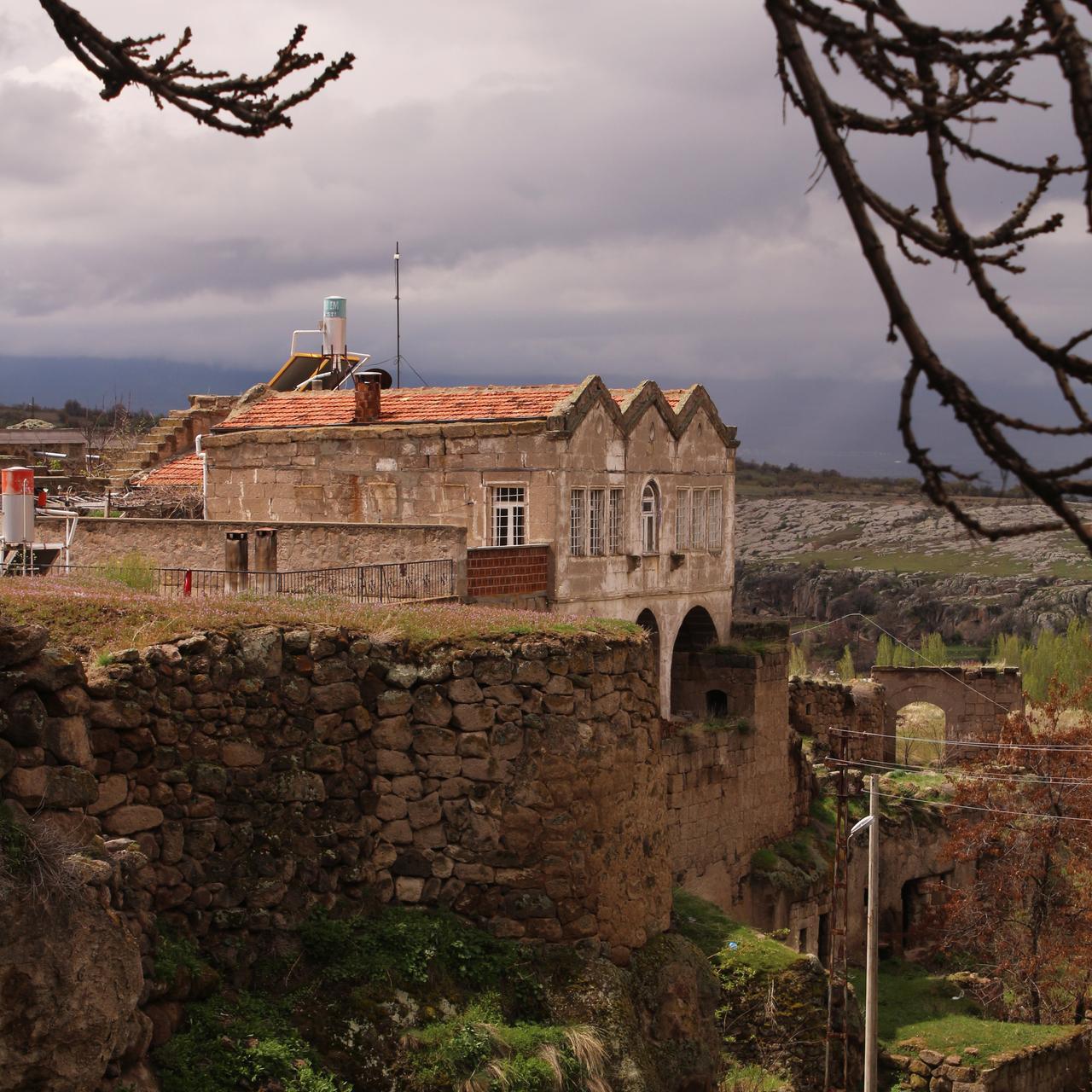
Güzelyurt (District)
Güzelyurt is a district of Aksaray Province in Türkiye’s Central Anatolia Region, known for its historical and cultural heritage. Located in the southwest of the Cappadocia region and northeast of Hasan Dağı, Güzelyurt has served as a settlement for various civilizations throughout history and stands out as a rare center notable for its Christian history and stonemasonry. History The history of Güzelyurt extends back to prehistoric times. Surface surveys conducted at the Gelveri Höyüğü, approxim
EN
Melahat Pamuk
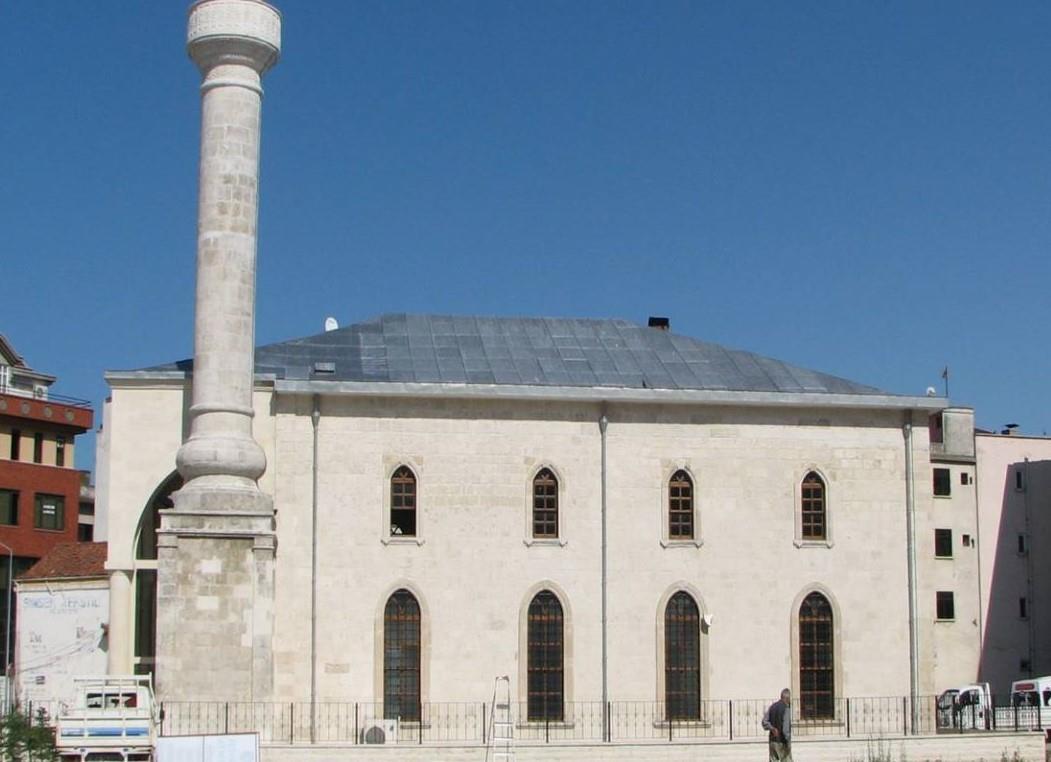
Atik İbrahim Paşa Camii
Atik İbrahim Paşa Camii is located on Fevzi Çakmak Street in the Selimiye Neighborhood of Altınordu District, Ordu Province. It is also commonly known among the public as Orta Camii. Originally constructed in 1770 by Atik İbrahim Paşa as a wooden log mosque, the structure, which had deteriorated over time, was rebuilt in 1802 using stone materials. Architectural Plan and Construction Material The mosque has a rectangular plan and was constructed using a rubble stone system. The material used is
EN
Hatice Senem Turan
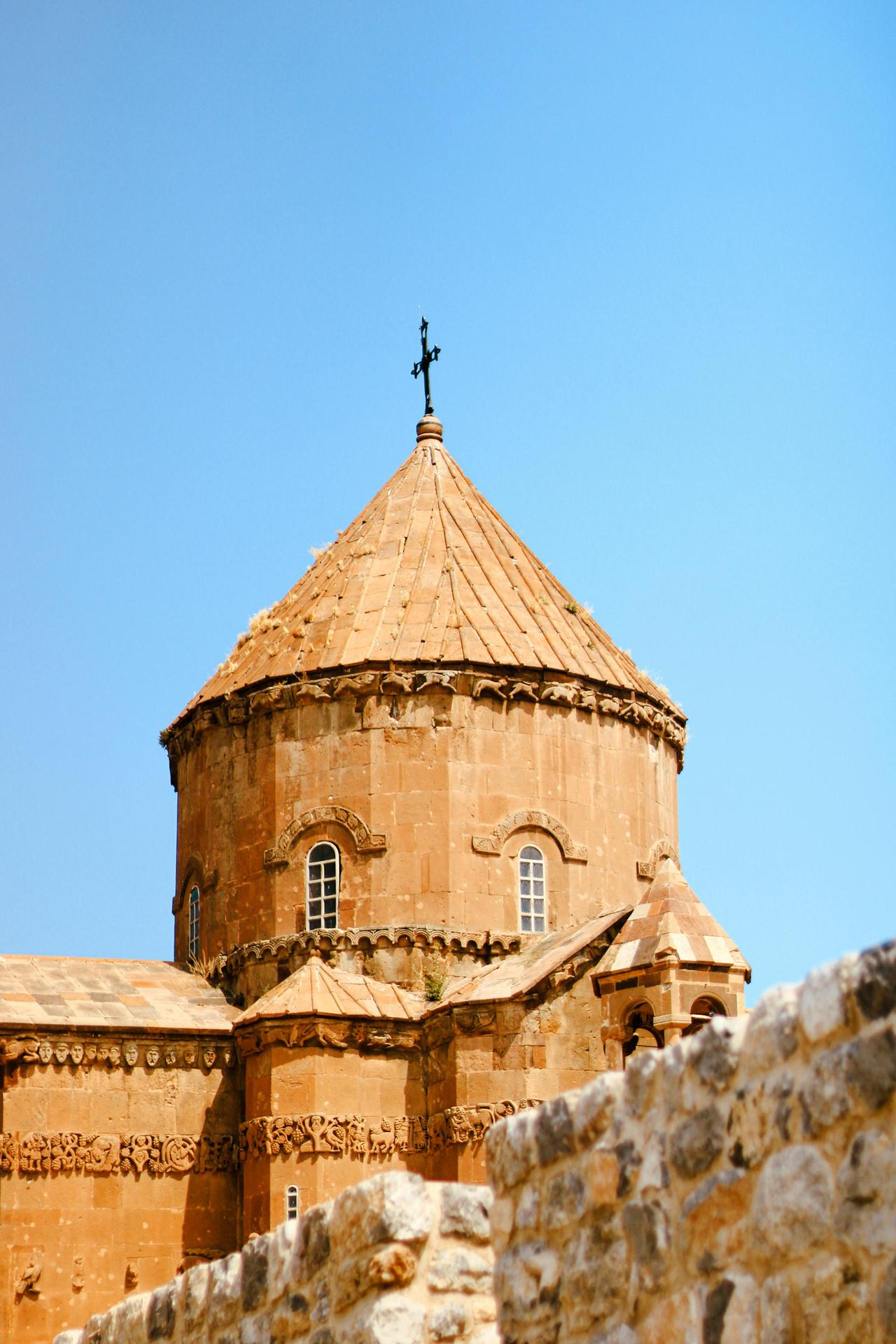
Armenian Church Architecture
Armenian church architecture is a religious building tradition defined by characteristic plan typologies, stonework and decorative programs developed by Armenians in accordance with their Christian faith. This architectural style evolved over historical continuity in the Caucasus Anatolia Iran and the Levant since the early periods of Christianity. Following the official adoption of Christianity as the state religion by Armenians in the 4th century religious structures became prominent in archit
EN
Esra Özkafa