

`spacetelescope` Related Article Results
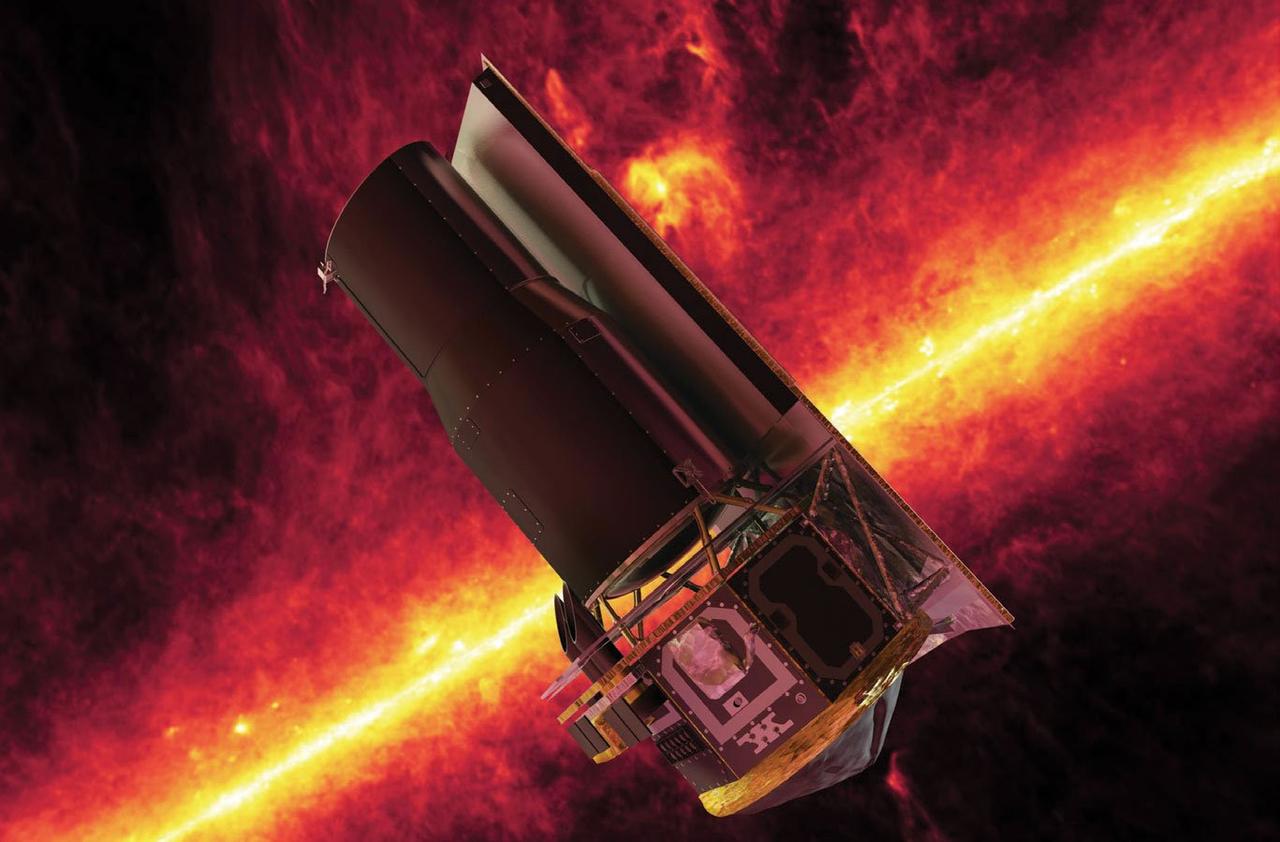
Spitzer Space Telescope
The Spitzer Space Telescope is an infrared observatory developed as part of NASA’s Great Observatories program and operated from 2003 to 2020 activity. It is named after astrophysicist Lyman Spitzer, a pioneer in infrared astronomy. Spitzer provided astronomers with valuable data on star formation galactic structure and the early universe through its unique capacity to observe cold and dusty regions of the cosmos important. Mission and Technical Specifications Mission Duration and Phases The Spi
EN
Osman Özbay

Potential Habitable Exoplanet HD 137010 b
Space research continues to expand our understanding of the universe each day. Most recently, astronomers announced the discovery of a new planet, relatively close to Earth, that may have potential for habitability. This planet, named HD 137010 b, has attracted scientific interest due to its characteristics. How Close Is It to Earth? HD 137010 b is located approximately 146 light years from Earth. Its radius is only 6 percent larger than Earth’s, placing it very close to the category of “Earth-l
EN
Oksana Gülünay
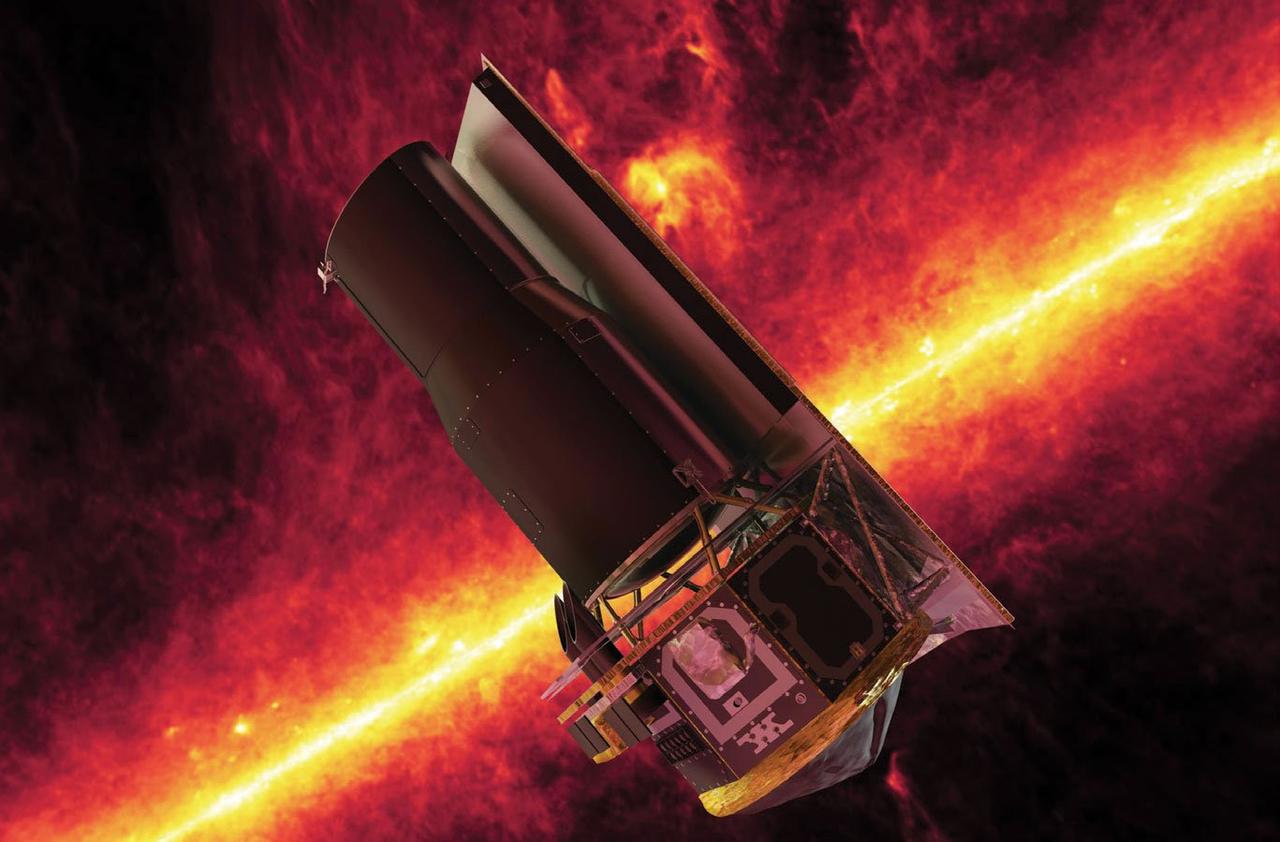
Spitzer Space Telescope
The Spitzer Space Telescope is an infrared astronomy telescope developed as part of NASA’s Great Observatories program and operated from 2003 to 2020. It is named after astrophysicist Lyman Spitzer, regarded as a pioneer in infrared astronomy. Spitzer provided astronomers with important data on star formation, galaxy structure and the early universe, particularly through its capacity to observe cold and dusty regions of the cosmos. Mission and Technical Specifications Mission Duration and Phases
EN
Osman Özbay
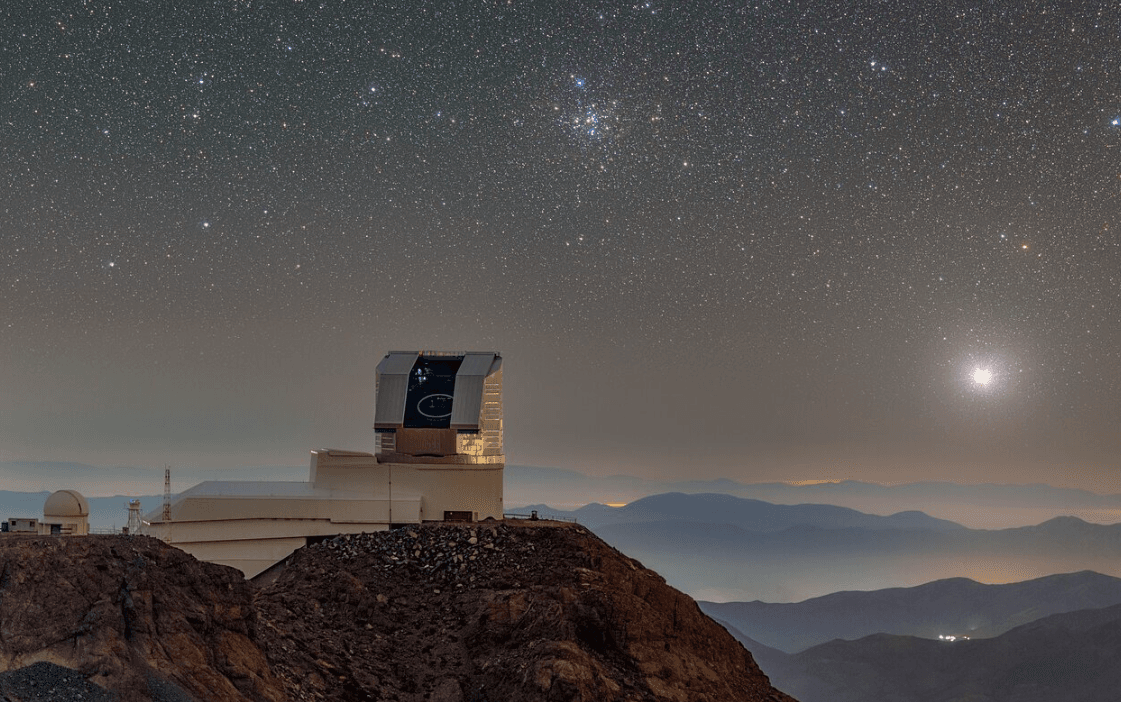
Vera Rubin Observatory
The Vera C. Rubin Observatory is an astronomical research facility jointly funded by the U.S. National Science Foundation (NSF) and the U.S. Department of Energy (DOE). The observatory is named after astronomer Vera C. Rubin, whose pioneering work on galaxy rotation rates provided some of the first evidence for the existence of dark matter. The facility is located on the summit of Cerro Pachón in Chile, in a region characterized by dry air and dark skies. The site selection process was conducted
EN
Yeşim Can