

`social-history` Related Article Results
 Ot
OtOttoman Coffeehouses
Ottoman coffeehouses, from the mid-16th century onward, became important public spaces in Ottoman social life. With the introduction of coffee from Yemen to Istanbul, these institutions quickly evolved beyond mere venues for beverage consumption to become centers of socialization, communication, entertainment, and even political debate. Emergence and Spread Coffee is believed to have first arrived in Istanbul in the early 16th century following Yavuz Sultan Selim’s campaign in Egypt. According t
EN
Yunus Emre Yüce
Social Changes in Medieval Europe: From Slavery to Serfdom
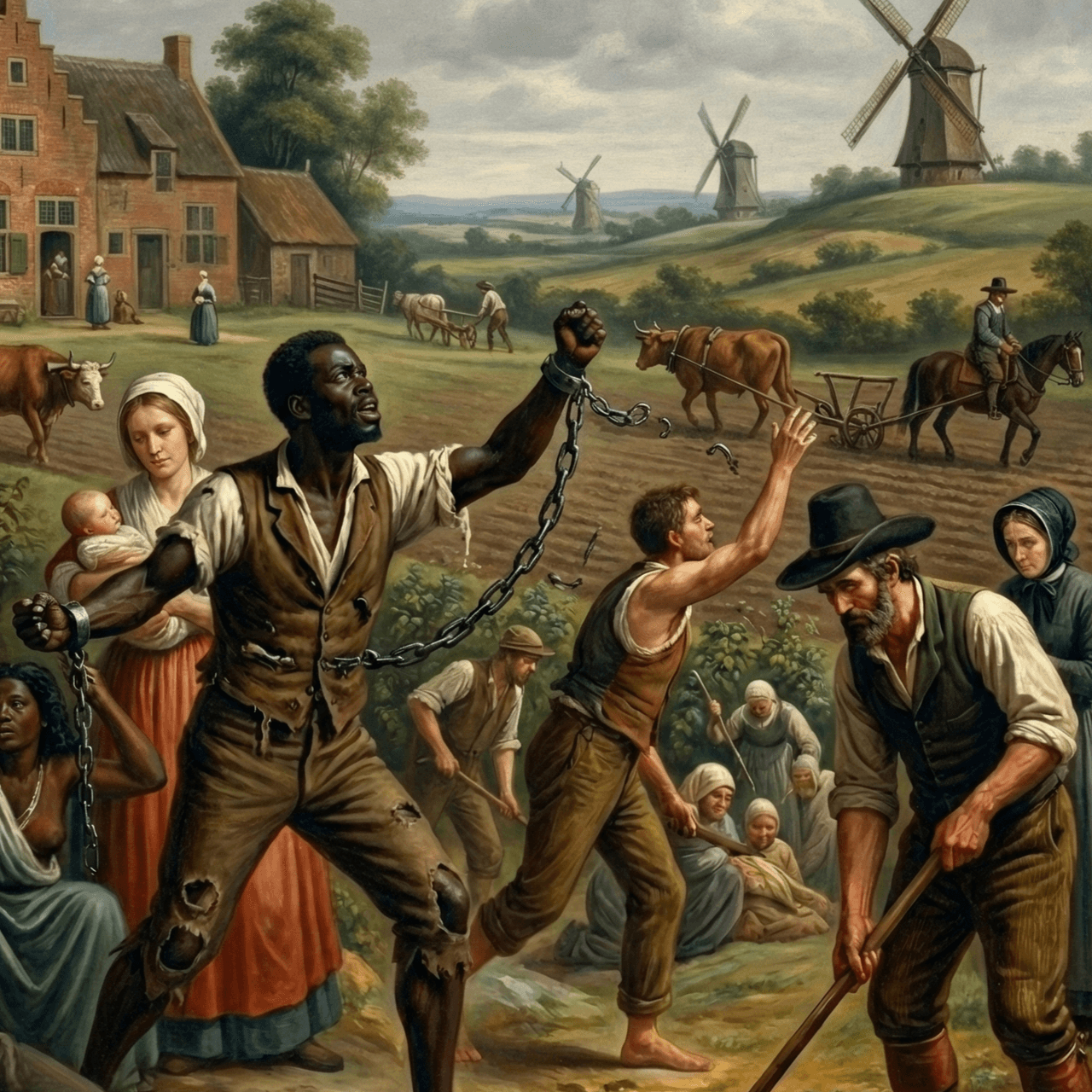
Terrible are these things! On a melancholy shore, I am becoming soulless, a dying slave. In the universe, I am utterly alone, before my eyes, My beloved is not, only a domineering master. They forbid me to weep, even to whisper; I have lost all the rights granted by nature; I feel myself subject to barbaric laws, To the fear unknown in the forest, to contempt. Since the third century CE, new social structures began to emerge. These societies were governed during the decline of the Roman Empire b
ENpınar ülgen

A Family in Süleymaniye Neighborhood (Book)
A Family in Süleymaniye is a memoir written by Fethi Erhan and published by Dergâh Yayınları in April 2024. The work provides a detailed account of the author’s family life between 1914 and 1969 in the Istanbul neighborhoods of Süleymaniye and Vefa, along with their neighborhood relationships and the social structure of the era. Summary The book recounts the life of Fethi Erhan’s family and their surroundings, beginning with his birth in Süleymaniye in 1944. The family resided in Vefa and Süleym
EN
Muhammed Samed Acar
The Pendle Witch Trials
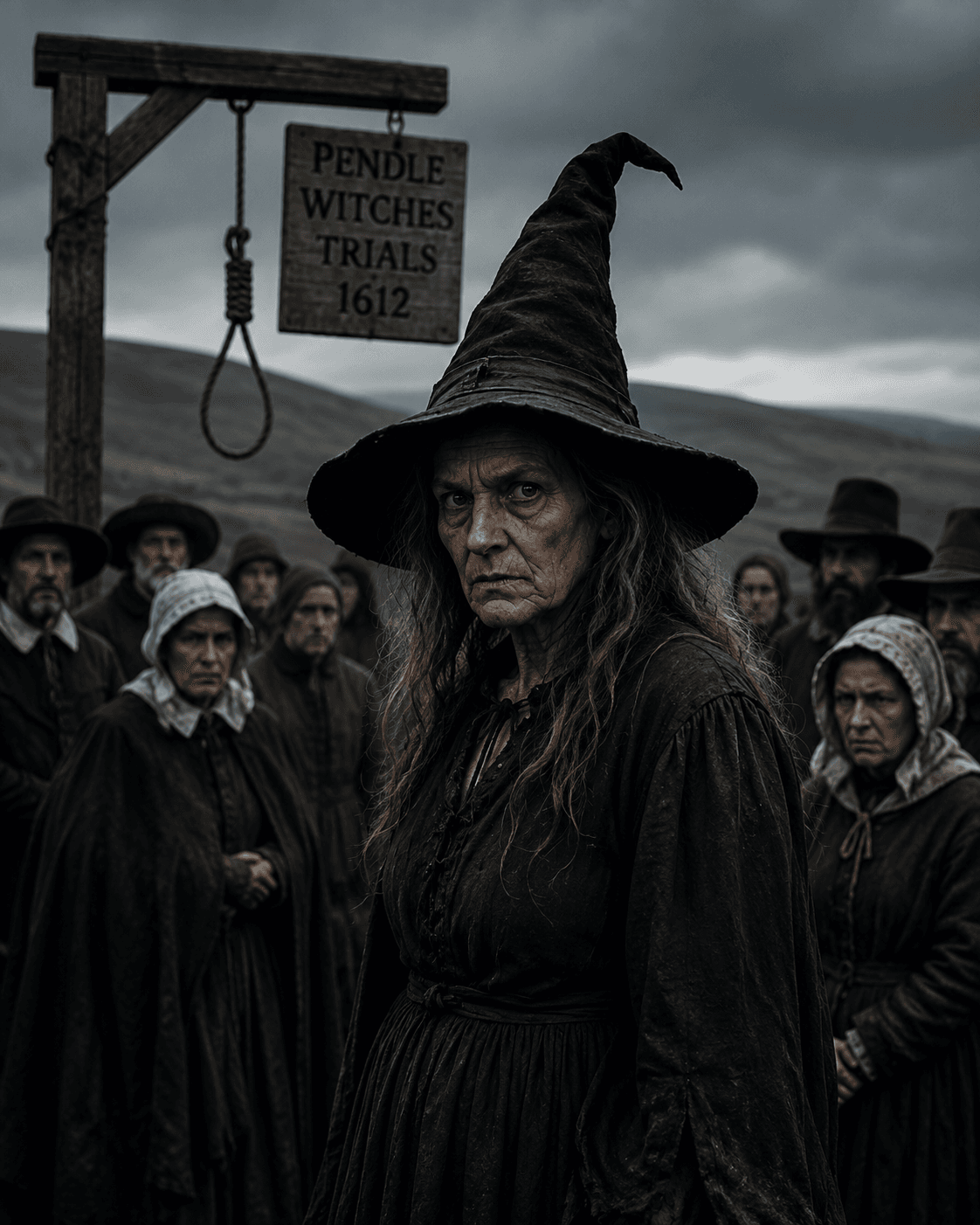
The Pendle Witch Trials, which took place in 1612 in the county of Lancashire, England, are among the most extensive witch trials in the country’s history. Considering that fewer than 500 people were executed for witchcraft over a period of more than 300 years in England, the death sentences handed down in the Pendle case alone accounted for approximately 2 percent of all witch executions in English history.【1】 Details of the case have reached us through the official records compiled and publish
EN
Nursena Şahin
Great Cat Massacre
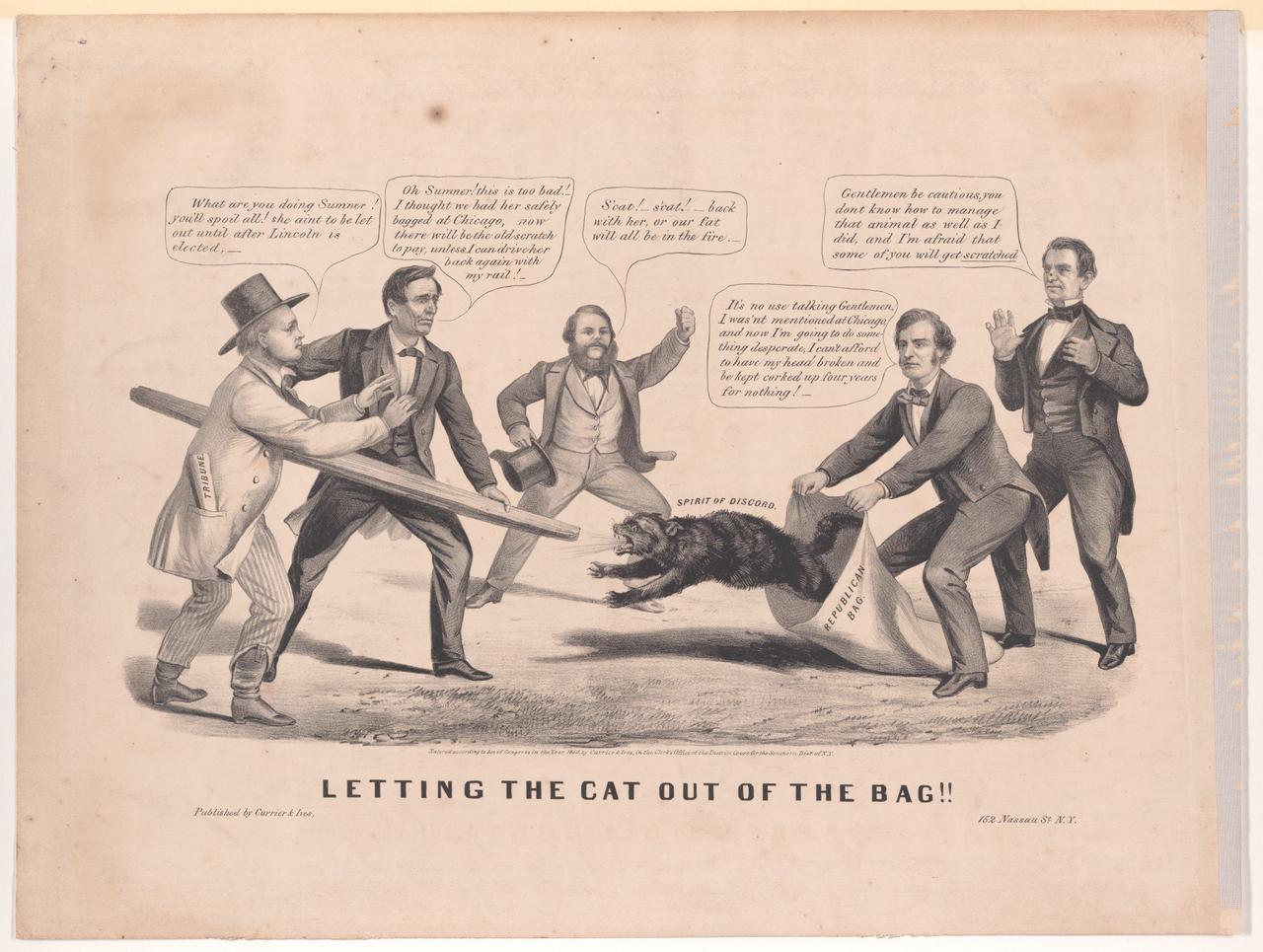
The Great Cat Massacre, was a mass killing carried out in the late 1730s around Rue Saint-Séverin in Paris by apprentices and journeymen at a printing workshop, targeting cats. The daily routine of workshop life sharply diverged between the master and the household on one side and the apprentices on the other. Apprentices worked under heavy burdens; the inequality in food and sleep arrangements intensified workshop tensions, as even the master’s cats lived in better conditions than the apprentic
EN
Onur Çolak