

`red` Related Article Results
Almila
Almila is a word with historical, cultural, and mythological contexts in Turkish, both in terms of its word origin and its literary usage. Today used as a female given name, it holds a historical place through its etymological roots and its Turkish literary usage. Almila (Generated by Artificial Intelligence.) " image-alternate="" image-element-format="right"> Origin and Etymology The earliest form of the word Almila, as alımla, appears in Old Uyghur Turkish texts. In this usage, alımla means
EN
Muhammed Aşıroğlu
Almila
Almila is a word with historical, cultural, and mythological contexts, both in terms of its linguistic origin and its literary usage in Turkish. Today used as a female given name, it holds a historical place due to its etymological roots and its usage in Turkish literature. Origin and Etymology The earliest form of the word Almila is alımla, found in Old Uyghur Turkish texts. In this usage, alımla means “apple,” and the word has persisted in various forms across different Turkish dialects over t
EN
Muhammed Aşıroğlu
My golds, episode by episode, don't envy our decadence!
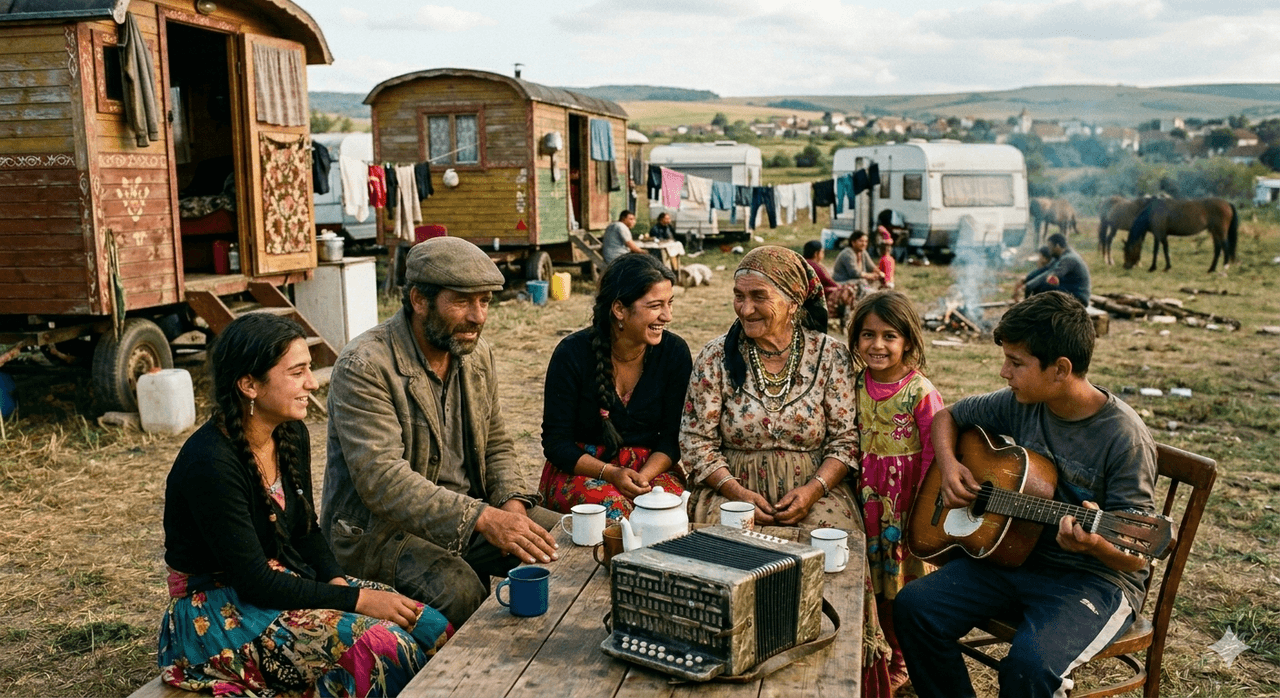
When you hear something constantly, after a while you begin to think it has always been there. As if it had no beginning. Some poems, some songs, certain music genres are like this. They play at a wedding, appear in a film, linger in your ear on a street corner… They are everywhere. So we accept them as “always present,” and some even call them “universal.” But in truth, of course, everything has a beginning—in someone’s life, in someone’s story… Today, if you are reading this, it means we are a
EN
Ayşe Aslıhan Yoran
Red Mansion: Change and Continuity of the Space
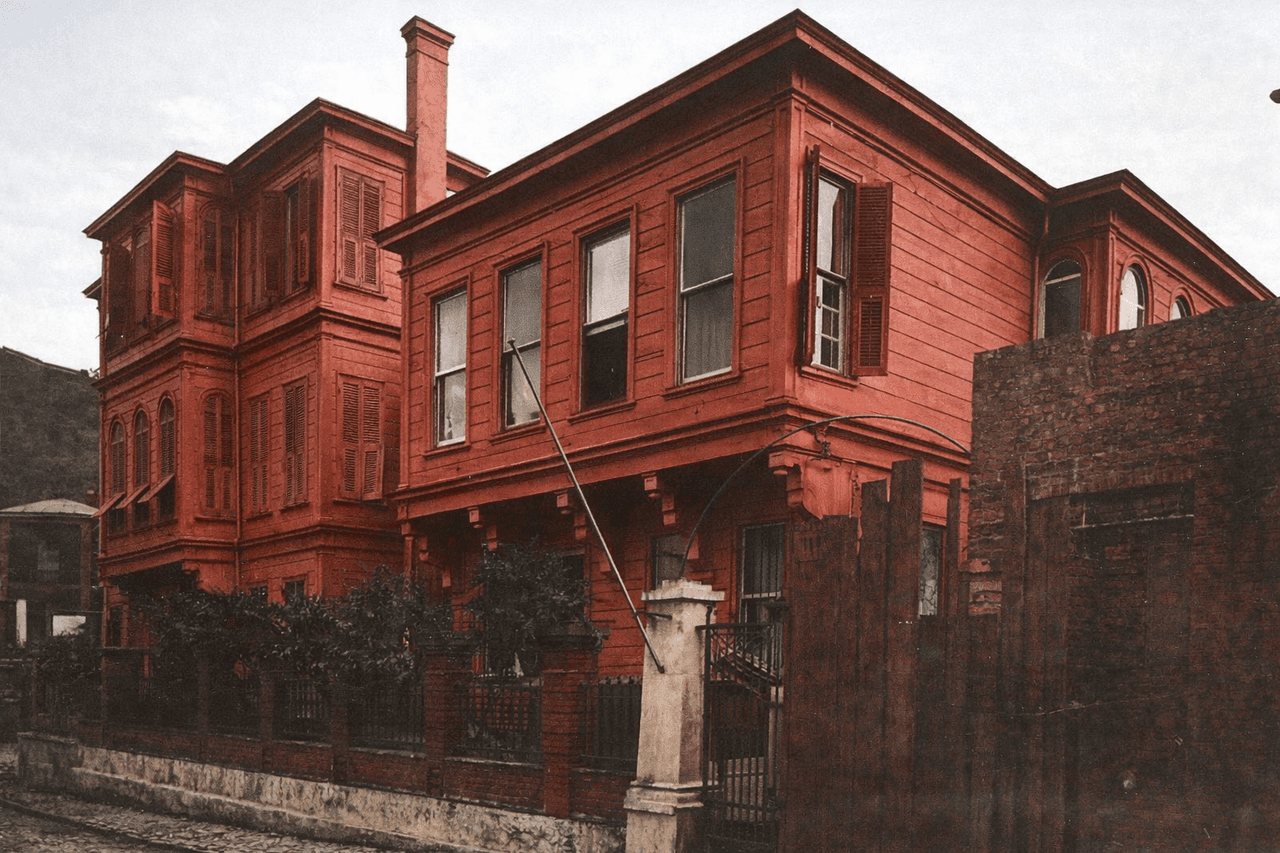
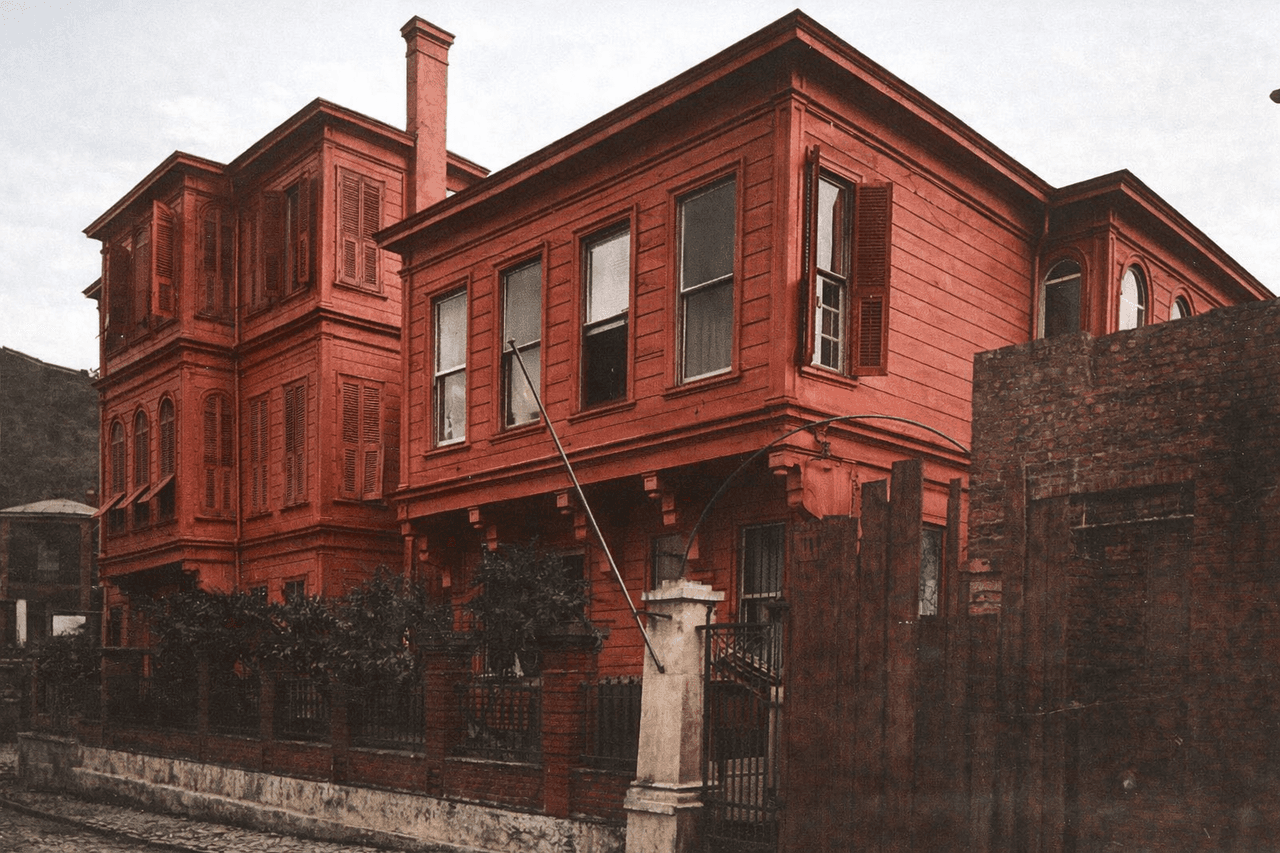
In historical writing, understanding a period, a process, or a historical transformation has long been largely constructed through events, political ruptures, and leading individuals. Classical and positivist historiography shaped history mostly as chronological sequences of events and around “great men”; space, by contrast, occupied a passive role as background in these narratives. Yet from the second half of the 20th century onward, new historiographical approaches revealed that space is not m
EN
Mehmet Salih Çoban
Red Mansion: Change and Continuity of the Space
Understanding a historical period, process, or historical transformation has long been constructed primarily through events, political ruptures, and prominent individuals. Classical and positivist historiography shaped history largely as a chronological sequence of events centered around “great men”; space, by contrast, occupied a passive background role in these narratives. However, from the second half of the 20th century onward, new historiographical approaches revealed that space is not mere
EN
Mehmet Salih Çoban
Poppy (Papaver rhoeas)
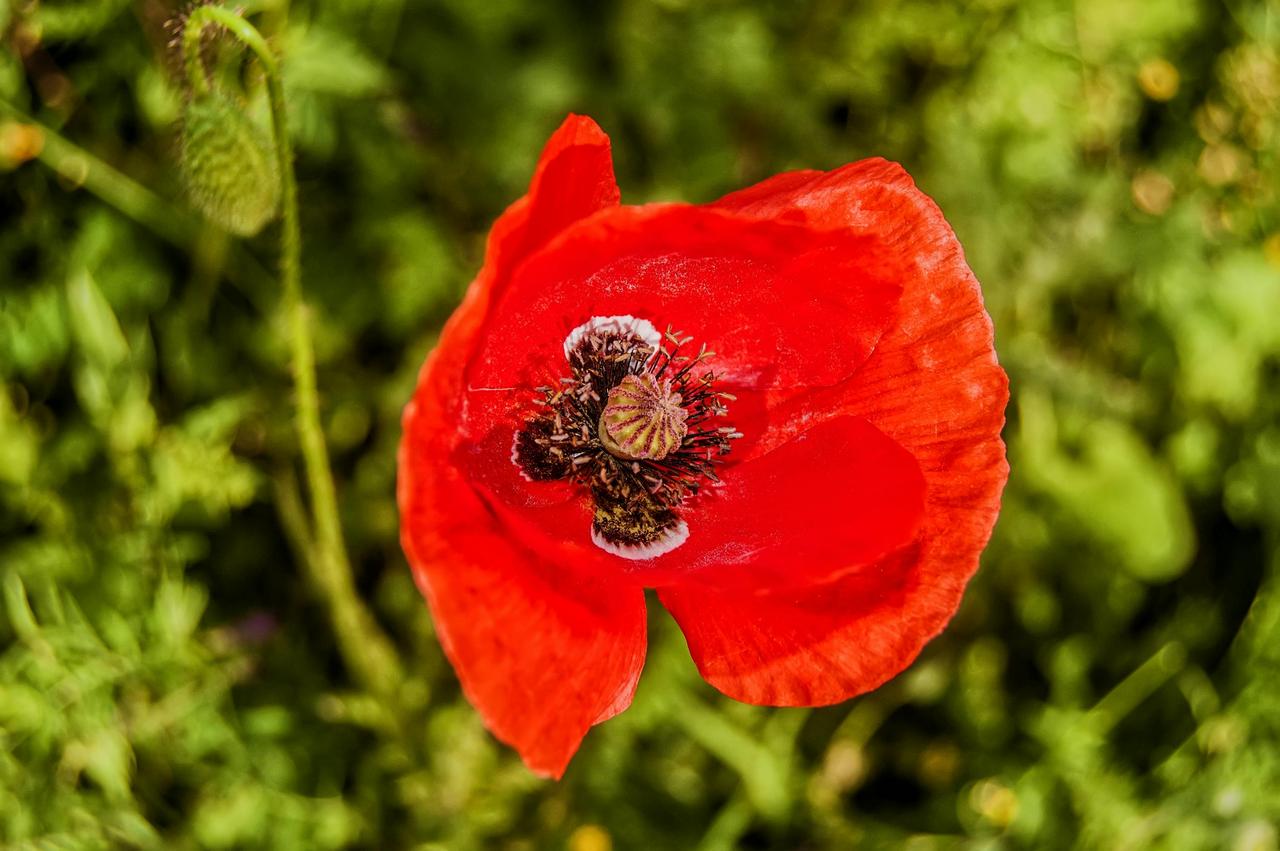
The poppy (Papaver rhoeas) is an annual herbaceous plant from the Papaveraceae family, recognized for its bright red flowers. It typically grows in fields and grain crops. Although it is considered a weed that is harmful to agriculture, its flowers are also used as ornamental plants. Due to the components it contains, the poppy is used in the treatment of diseases such as shortness of breath, asthma, bronchitis, and whooping cough. It is also known for its mild narcotic and soothing effects. Bot
AZ
Ahsen Buyurkan
Sweet William (Plant)
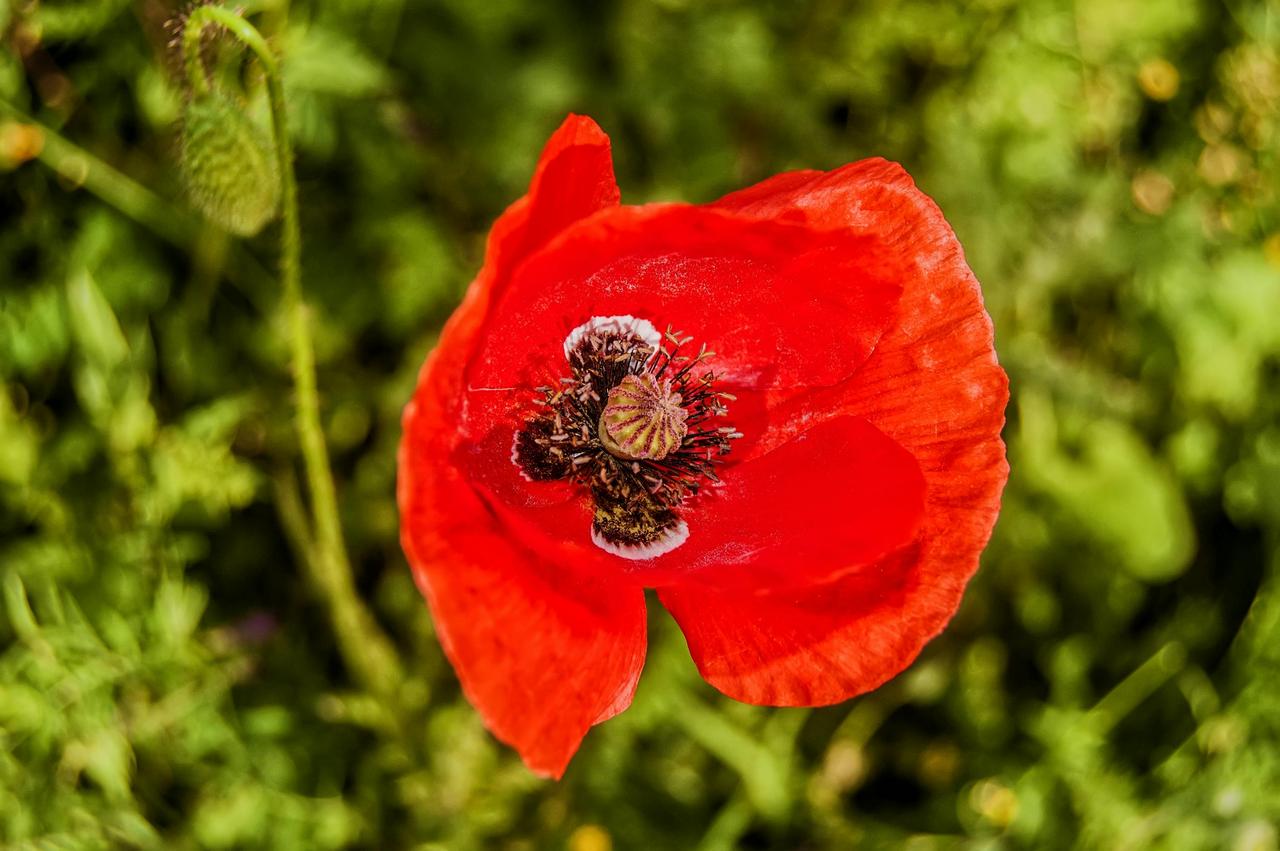
Gelincik (Papaver rhoeas) is an annual herbaceous plant belonging to the Papaveraceae family, known for its bright red flowers. It commonly grows in fields and cereal crops. Although regarded as a weed in agriculture harmful, its flowers are also used as ornamental plants. Due to its constituent compounds, breath deficiency, asthma, bronchitis and whooping cough like are treated with it. It is also known to have mild sedative and calming effects. History and Origin The name "gelincik" is derived
EN
Ahsen Buyurkan
Sweet William (Plant)
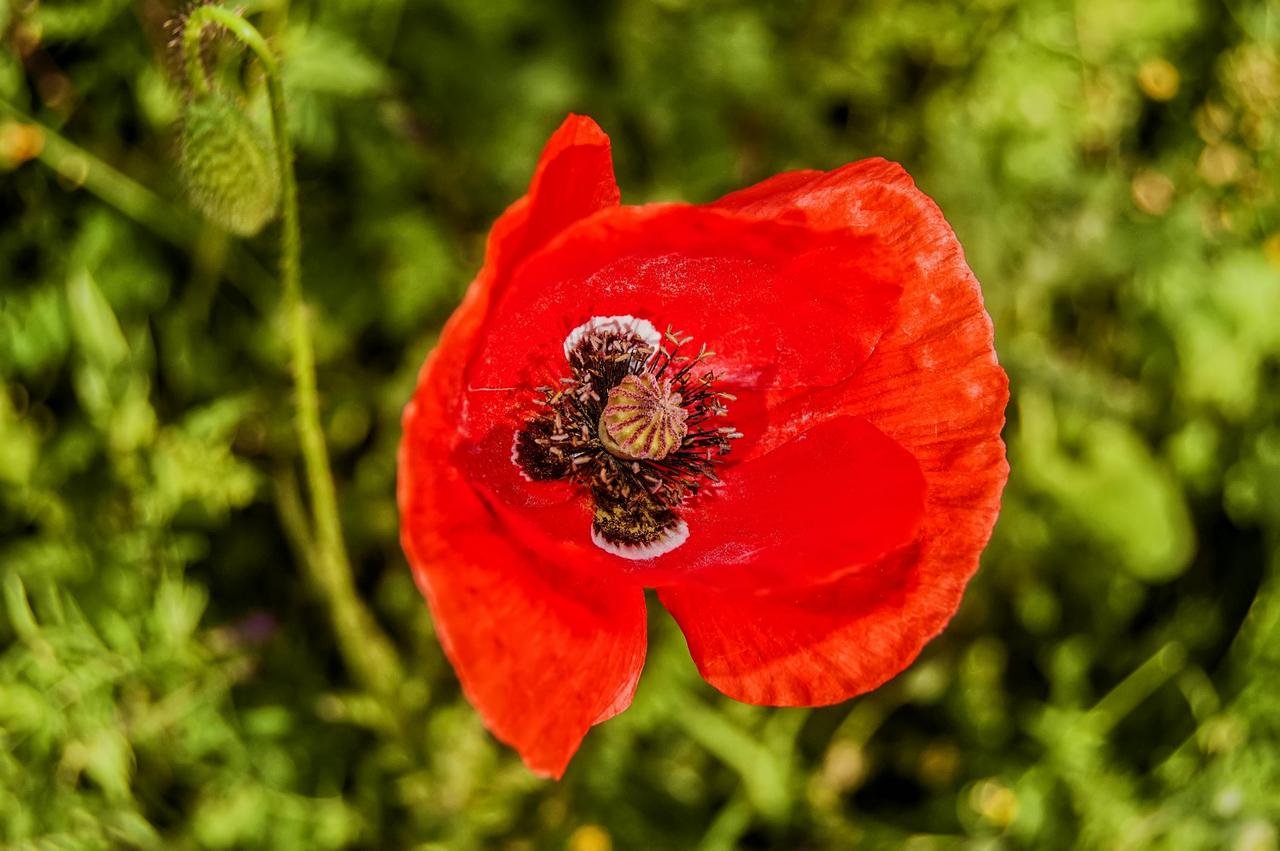
Poppy (Papaver rhoeas) is an annual herbaceous plant belonging to the Papaveraceae family, known for its bright red flowers. It typically grows in fields and cereal crops. Although regarded as a weed in agriculture, its flowers are also used as ornamental plants. Due to its constituent compounds, it is used in the treatment of respiratory conditions such as breathlessness, asthma, bronchitis and whooping cough. It is also known to have mild sedative and calming effects. History and Origin The na
ENAhsen Buyurkan