

`probability` Related Article Results
 La
LaLaw of Large Numbers
Probability theory is a field that enables the mathematical analysis of random events and forms the foundation of statistics and data science such as. One of the most fundamental theorems of Probability theory is the Law of Large Numbers. This law states that the average outcome of an event over a large number of trials will approach its expected value. Law of Large Numbers The Law of Large Numbers (LLN) states that when a random experiment is repeated a sufficiently large number of times, the a
EN
Emre Odabaş
Probability Theory
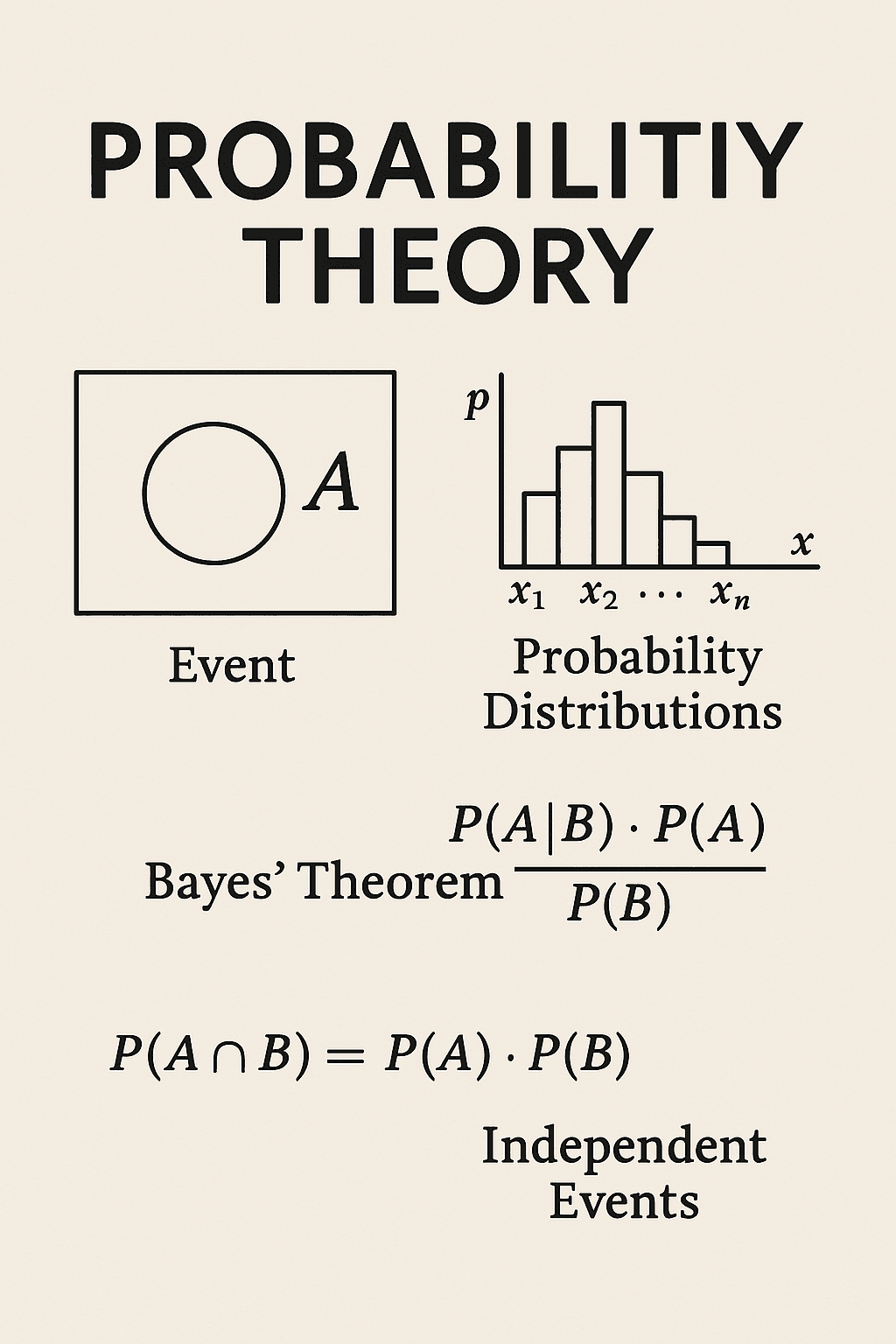
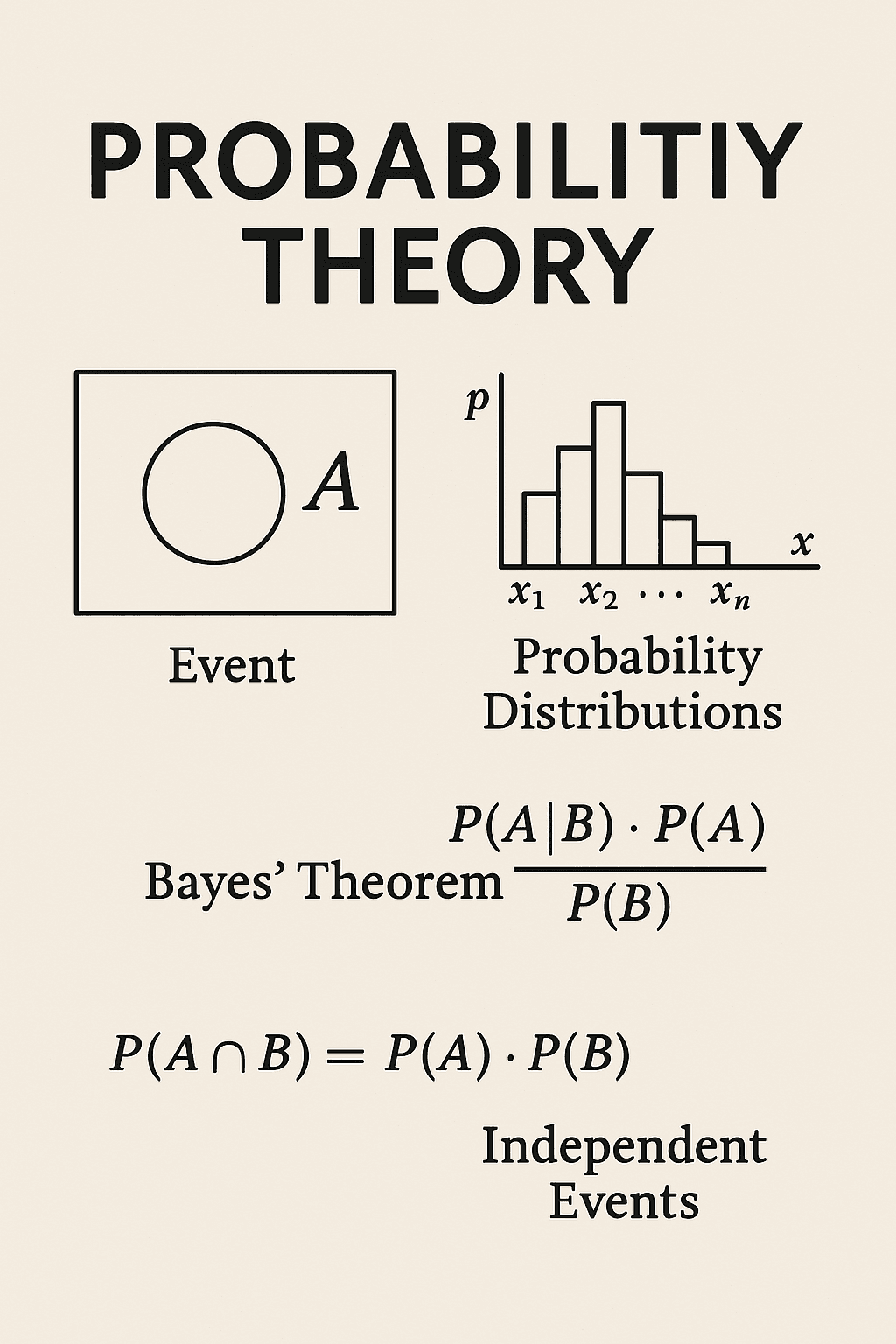
Probability is commonly used to express the likelihood of an event occurring. Probability theory is a mathematical modeling tool that helps predict the future states or events of a specific system. Probability theory fundamentally consists of three main components: events, probability distributions, and random variables. A visual representing Probability Theory (generated by artificial intelligence.) " image-alternate="" image-element-format="right"> Events An event is the occurrence of a spe
EN
Zehra Yayla
Combinatorics
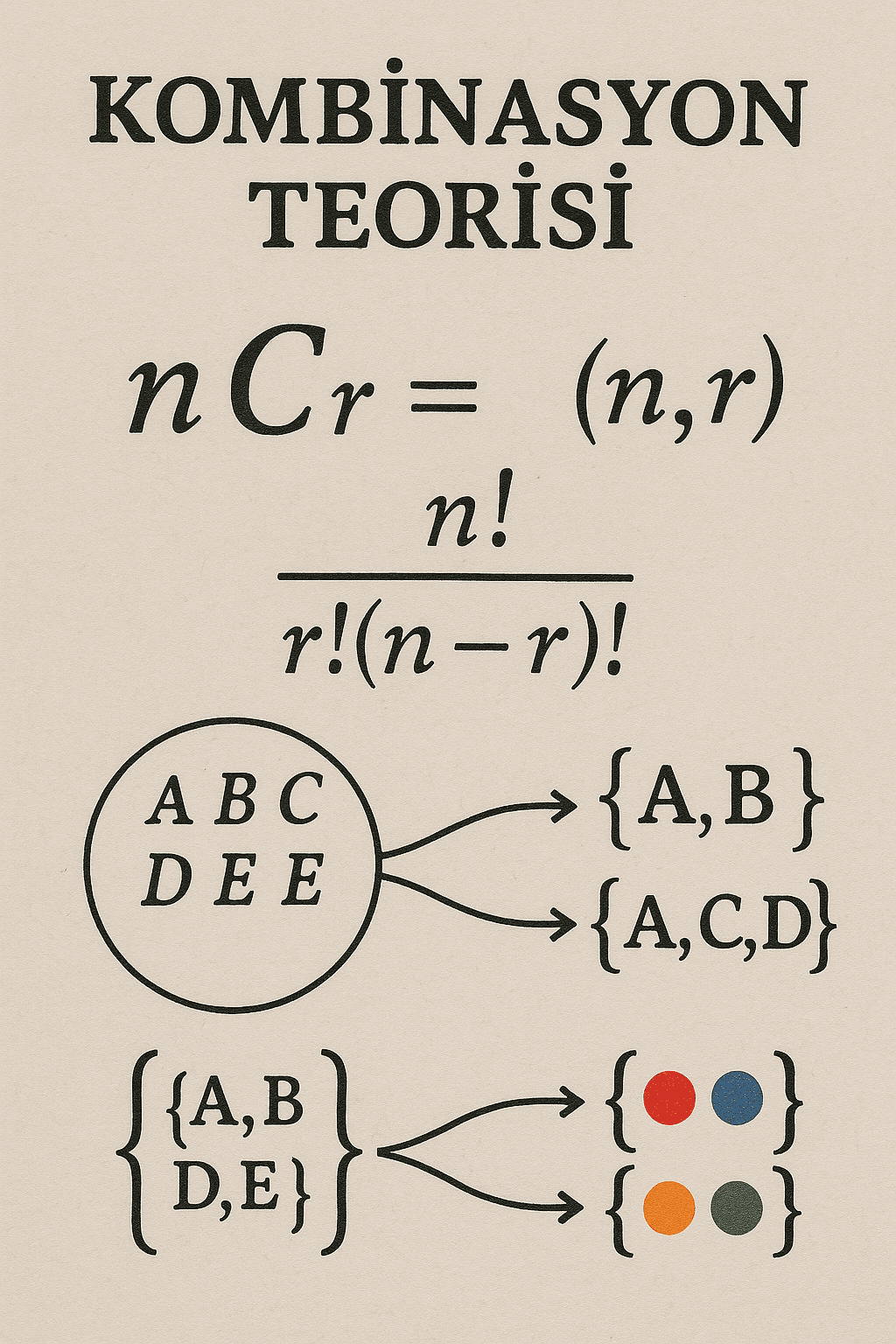
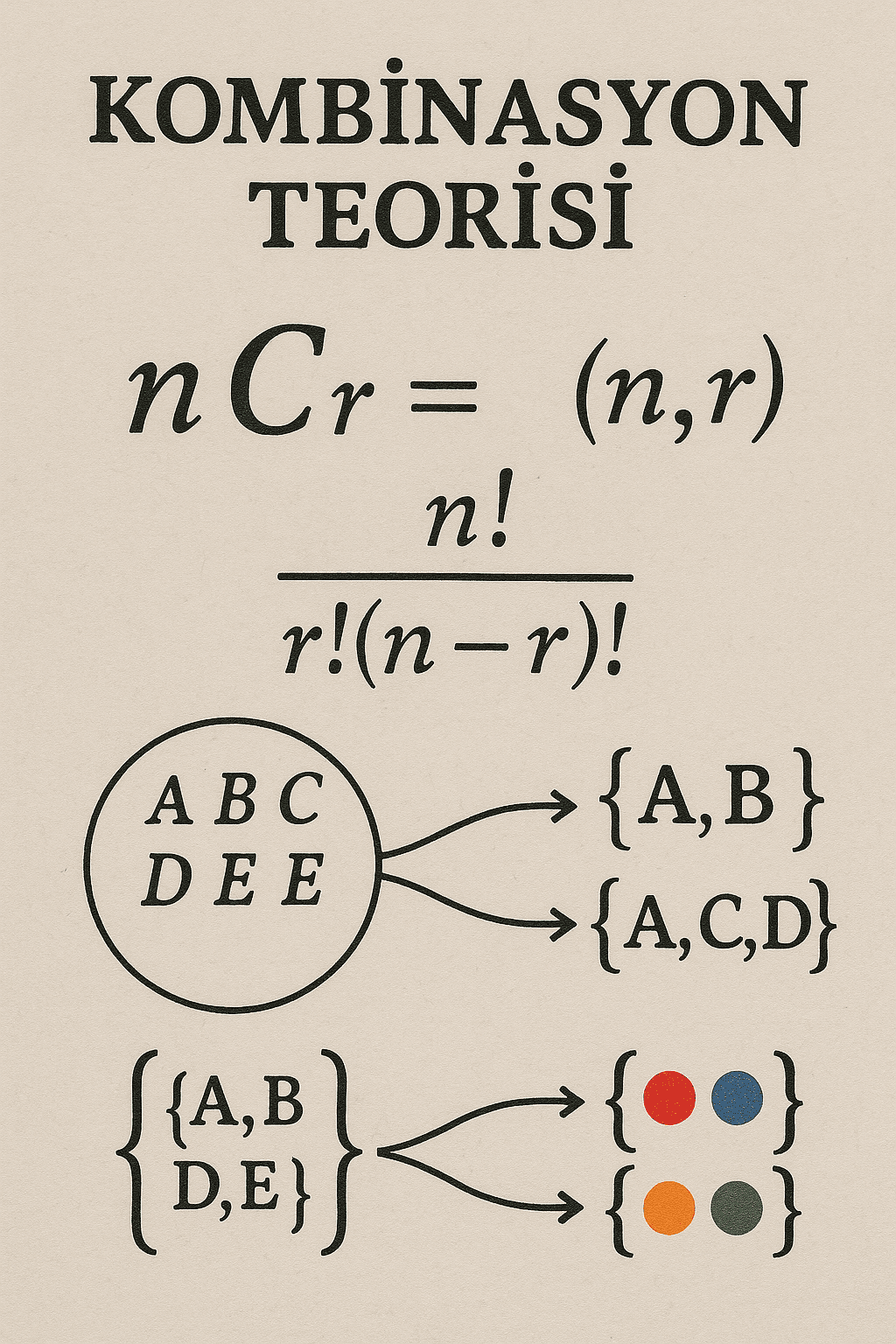
Combinations are a mathematical concept used to calculate the number of ways to select unordered elements from a given set. Combination theory is a fundamental branch of enumerative combinatorics and is closely related to mathematical tools such as binomial coefficients, Pascal’s Triangle, and generating functions gibi. These theories are applied in biology, computer science, statistics, and many other disciplines. Combination Theory (generated by artificial intelligence). " image-element-format
EN
Zehra Yayla
Permutation
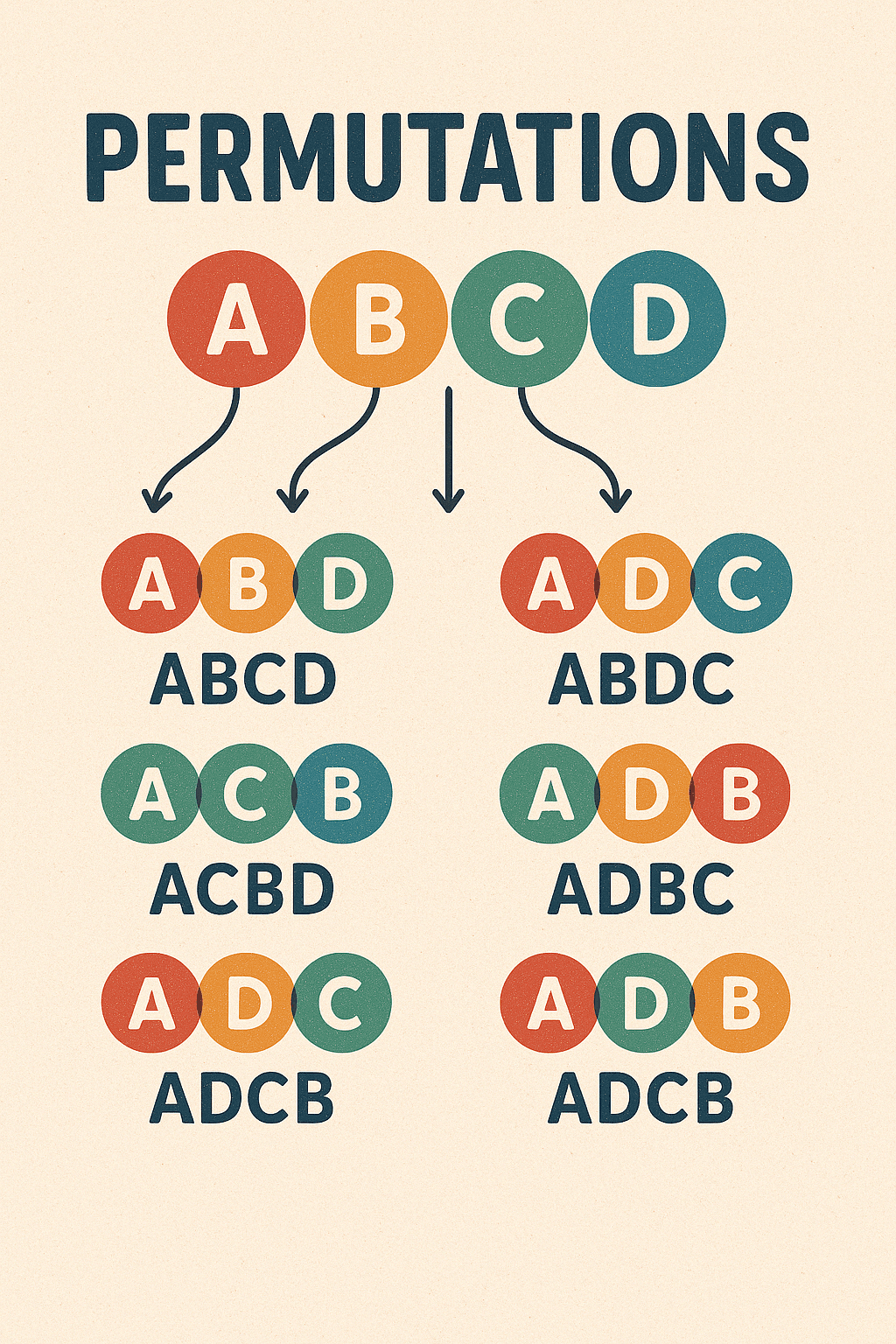
Permutation is the ordered arrangement of elements within a specific set. Mathematically, permutations are operations sensitive to ordering and constitute one of the fundamental building blocks of combinatorial theory. Permutations are frequently used not only in pure mathematics but also in applied fields such as statistics, computer science, and cryptography. Mathematical Definition and Fundamental Concepts The number of different arrangements that can be formed by rearranging n distinct eleme
ENZehra Yayla
InInfinite Monkey Theorem
Infinite Monkey Theorem is a mathematical thought experiment proposing that, given an infinite time interval or an infinite number of monkeys, a monkey randomly typing on a typewriter will almost certainly produce a specific meaningful text such as the complete works of William Shakespeare (with probability 1). Although its origins are not precisely defined, its conceptual foundations can be traced back to Aristotle’s work Metaphysics; its modern formulation is commonly associated with Émile Bor
EN
Yunus Emre Yüce
Normal Distribution
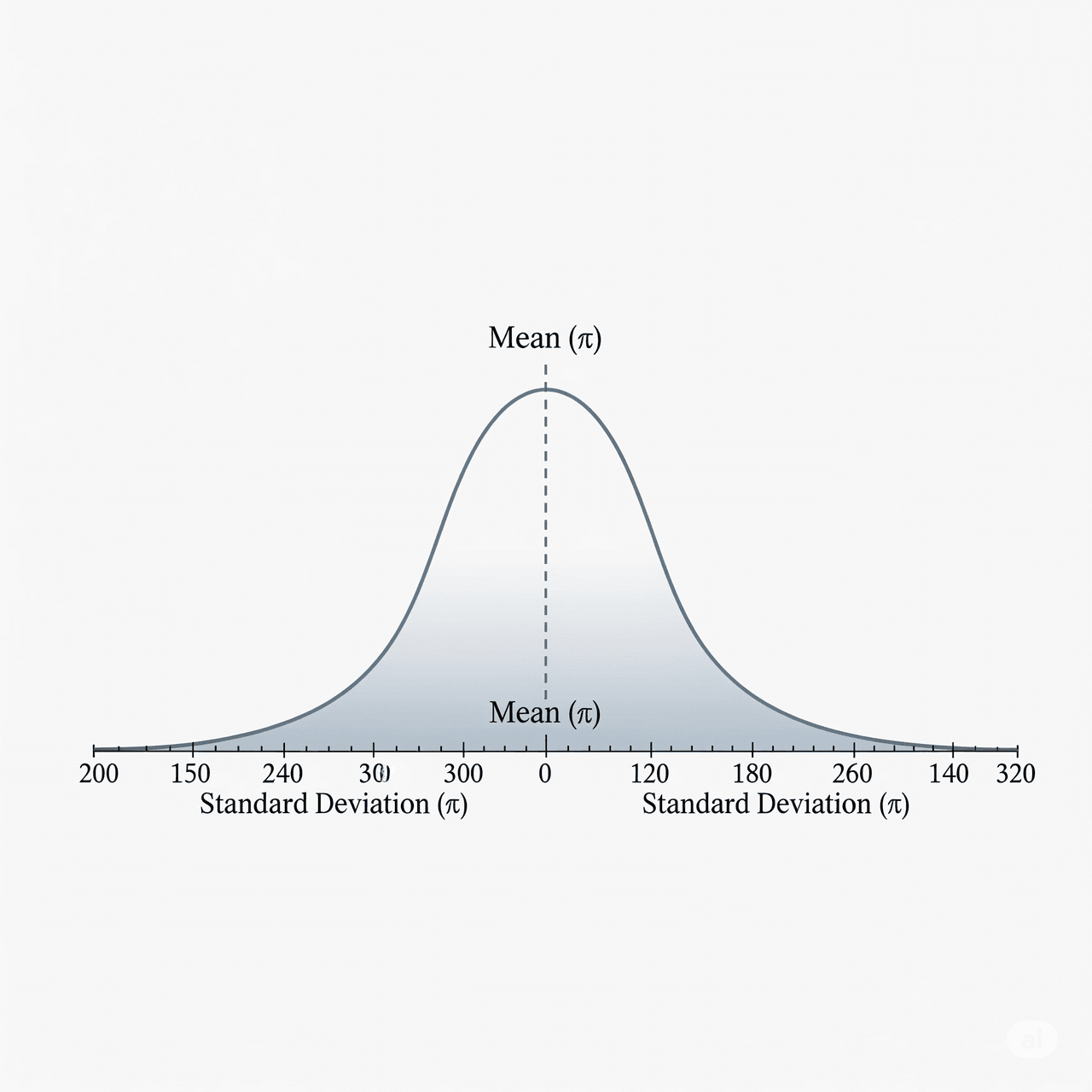
The normal distribution is one of the most fundamental concepts in statistics and probability theory. Also known as the Gaussian distribution or the bell curve, it is used to mathematically model many phenomena observed in nature, society, and engineering sciences. In particular, in fields such as biology, economics, psychology, engineering, and quality control, the normal distribution serves as the primary reference point for understanding the behavior of data sets. Definition and Mathematical
EN
Mücahit Bayraktar
MoMonty Hall Problem
The Monty Hall Problem is one of the most striking and counterintuitive examples in probability theory. It is named after Monty Hall, the host of the American television program Let's Make a Deal, which aired in the 1960s. This problem goes beyond being a mere mathematical puzzle; it vividly reveals the limitations of human intuition when faced with probability calculations. Problem Definition The Monty Hall Problem is defined as follows: A contestant is presented with three doors. Behind one do
ENEnes Dilsiz
Combinatorics
Combinations are a mathematical concept used to calculate the number of ways to select unordered elements from a given set. Combination theory is a fundamental branch of enumerative combinatorics and is commonly associated with mathematical tools such as binomial coefficients, Pascal’s Triangle, and generating functions such as. These theories are applied in biology, computer science, statistics, and many other disciplines. Combination Theory (generated by artificial intelligence). " image-alter
ENZehra Yayla
Probability Theory
Probability is commonly used to express the chance of an event occurring. Probability theory is a mathematical modeling tool that helps predict the future states or events of a specific system. Fundamentally, probability theory consists of three main components: events, probability distributions and random variables. Events An event is the occurrence of a specific condition. For example, rolling a die and obtaining a particular number is such an event. Probability Distributions A probability dis
ENZehra Yayla