

`ottoman-period` Related Article Results
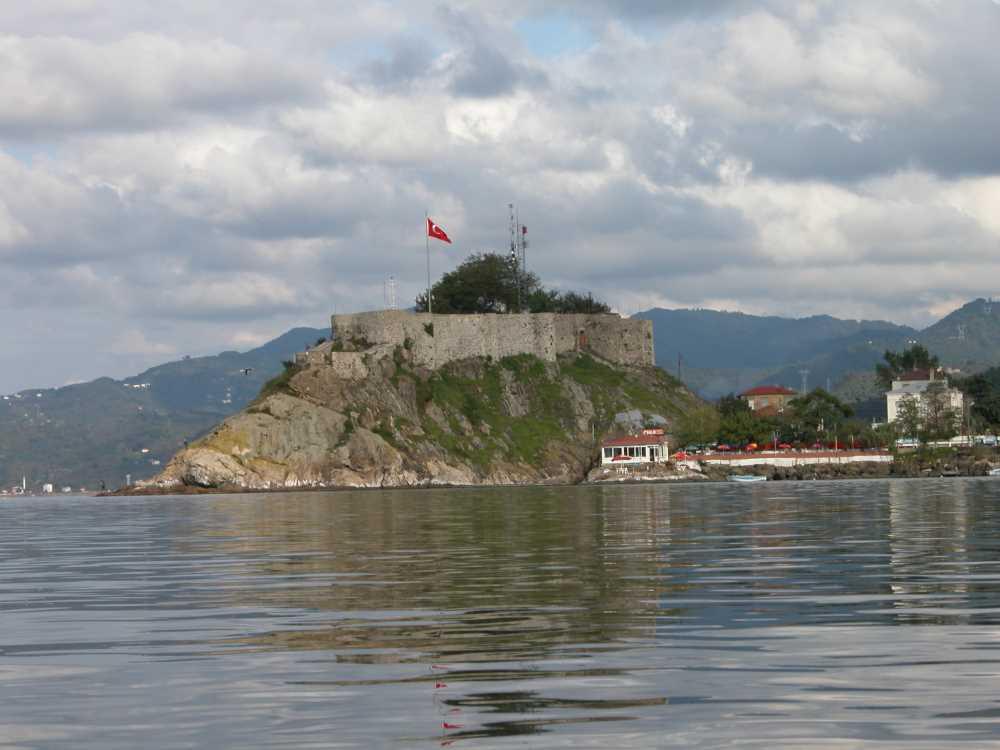
Tirebolu Castle
Tirebolu Castle is a defensive structure located in the center of Tirebolu district, within Giresun province, on the eastern Black Sea coast of Türkiye. Built atop a natural peninsula extending toward the Black Sea, the castle occupies a strategically protected position against threats coming from both sea and land. Originally constructed during the Hellenistic or Roman period, the castle underwent repairs and renovations during the era of the Pontic Kingdom and the Trapezuntine Komnenoi. Throug
EN
Nursena Güller
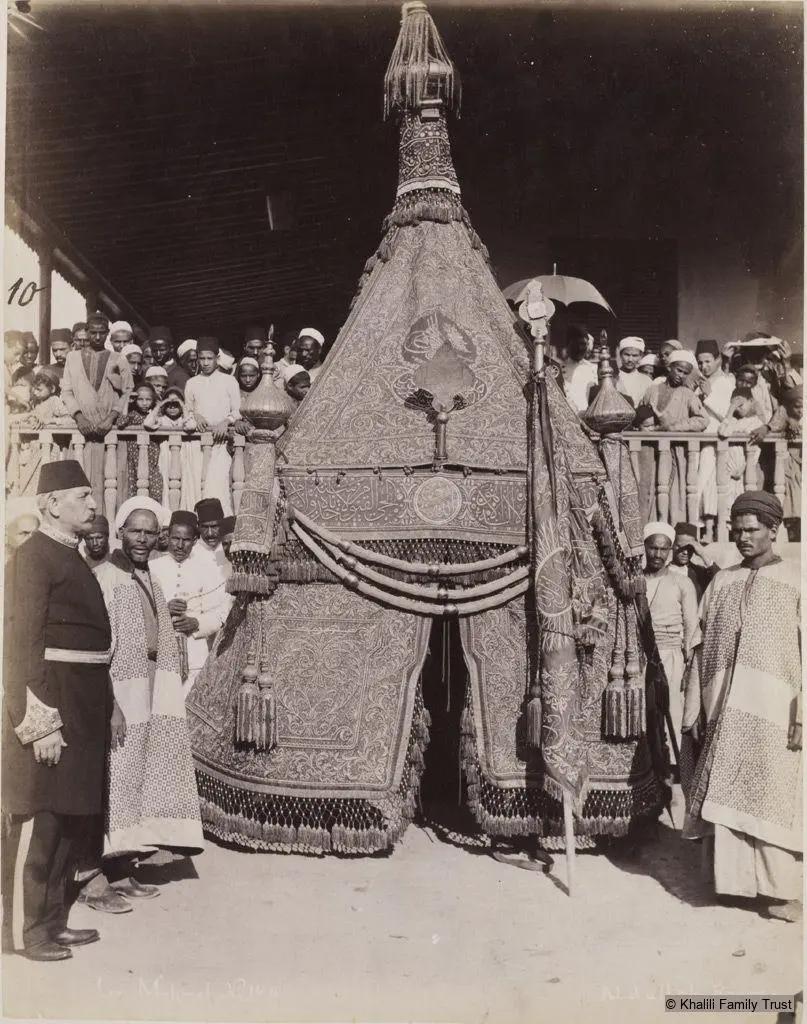
Mahmal
Mahmal (Arabic: مَحْمَل) is a ceremonial palanquin carried on the back of a camel as part of the Hajj caravans. Although no one rides in it during the journey, it symbolically represents the protection and patronage of the sultan or the state. The coverings of the mahmal are typically regarded as sacred and are adorned with decorative embroidery. Mahmal (PICRYL) " image-element-format="right" image-source="https://cdn.t3pedia.org/media/uploads/2025/05/21/tUEG451KjghIESpeMvQfLLNugsSfaExy.png">
EN
Sümeyye Akkanat Terzioğlu
 Ma
MaManisa Castle
Manisa Castle is located on the northern slopes of Spil (Sipil) Mountain, south of the city center of Manisa, and consists of two main sections: the “Inner Castle” (Sandıkkale) and the “Outer Castle”. The castle’s design harmonizes with the region’s historical and topographical structure, both in terms of its natural setting and construction techniques. Historical Background The exact date of the castle’s construction is unknown, but it is known that during the Hellenistic period an acropolis ex
EN
Melike Saraç

Siirt Clock Tower
In the heart of Siirt, rising along Hükümet Caddesi, the Siirt Clock Tower feels like a friend who has been watching over the city for years! Inside, the approximately 250-year-old historical clock tells not only the time but also the stories of Siirt’s bygone days. Where Did the Clock Come From? -The clock in this tower is actually very old! -It was made during the Ottoman era. -Originally, it operated on the wall of the 889-year-old Siirt Ulu Camii. -But in 1974, when it was decided to build a
EN
Yunus Emre Sağlam
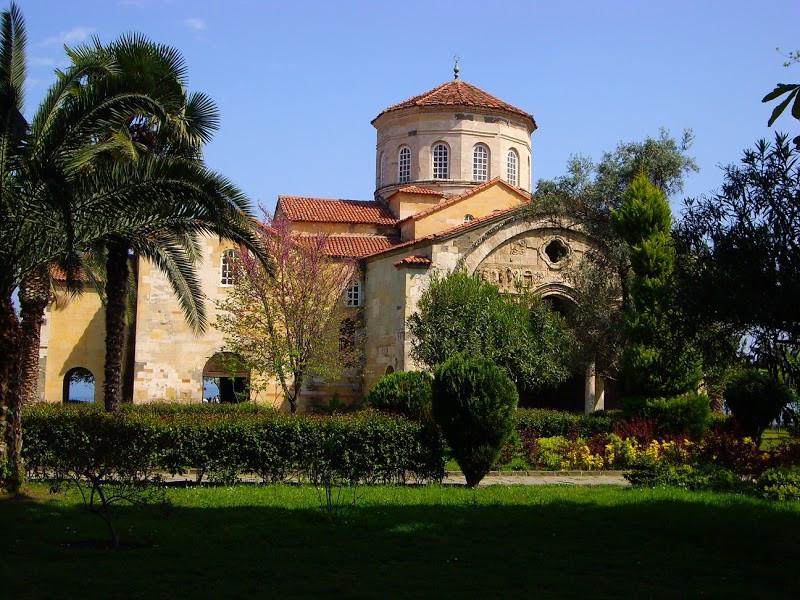
Trabzon Hagia Sophia Museum
The Trabzon Hagia Sophia Museum is a Byzantine church built in the mid-13th century by Manuel I Komnenos of the Komnenos dynasty of Trebizond (reigned 1238–1263). Its construction date is also recorded in various sources as 1250–1260. This structure is one of the most important examples of medieval Byzantine provincial architecture and was converted into a mosque after Trabzon joined Ottoman territories in 1461. According to Evliya Çelebi, this conversion took place in 991 AH (1583 CE) through t
EN
Neriman Çalışkan
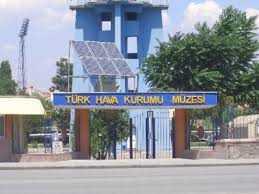
Turkish Aeronautical Association Museum
Türk Hava Kurumu Müzesi is located in the Ulus neighborhood of the Altındağ district in Ankara and is one of Turkey’s civil aviation institutions. The museum began operations on 19 May 2002. Its complex also includes the historic Parachute Tower. Complex The museum complex comprises 287 square metres of indoor space and 5,294 square metres of outdoor exhibition area. The main collection includes documents and photographs related to civil aviation, pilot uniforms, parachute samples, aviation engi
EN
Ayşenur Yazıcı
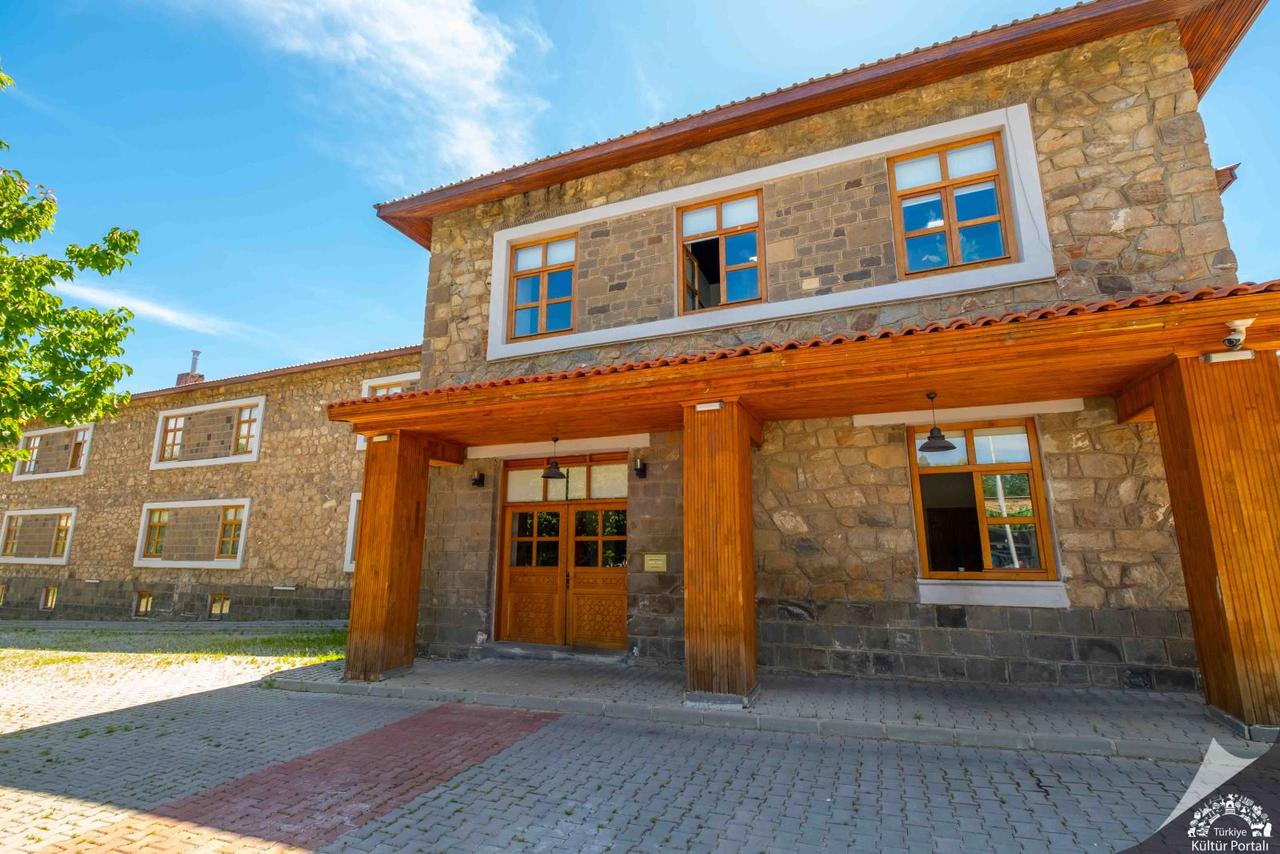
Muş Museum
Muş Museum is a museum established in Muş Province, in Türkiye’s Eastern Anatolia Region, with the aim of preserving, researching, and exhibiting the region’s archaeological and ethnographic heritage. The museum opened in 2021 after the restoration of the Atatürk Primary School building, which was constructed in 1937 and completed in 1938. Operating under the Ministry of Culture and Tourism, the institution presents the region’s historical continuity through its chronological archaeological coll
EN
Sevgi Kıraç
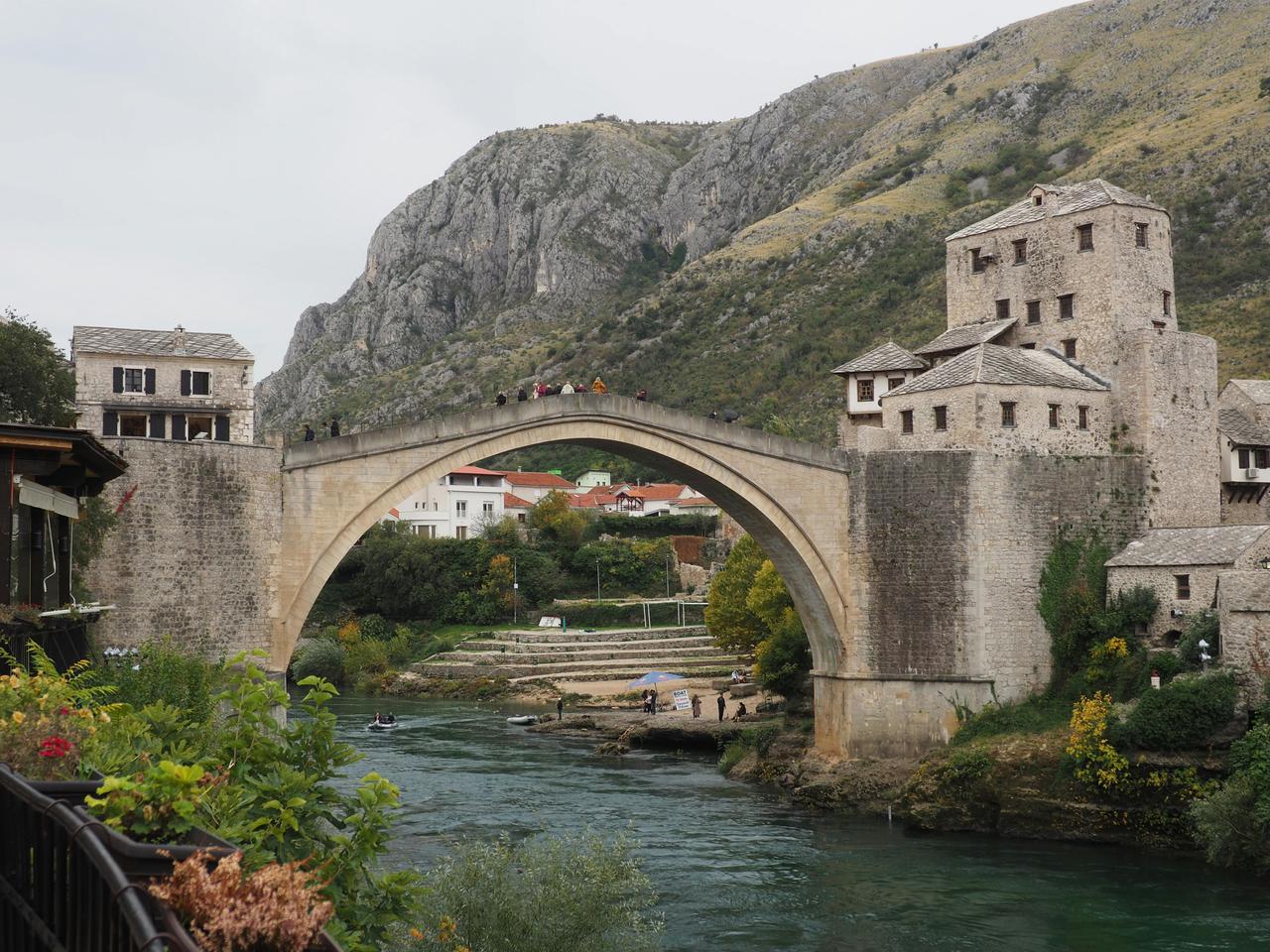
Balkan Architecture
Balkan architecture is a building tradition in Southeast Europe shaped over centuries by the convergence of diverse cultural, religious, and political influences. The region has been under the rule of various powers, from the Roman Empire to Byzantine, and from the Ottoman Empire to Austria-Hungary. This historical layering created fertile ground for the development of distinct architectural types and forms across the region. Different belief systems, ethnic diversity, and geographic conditions
EN
Esra Özkafa
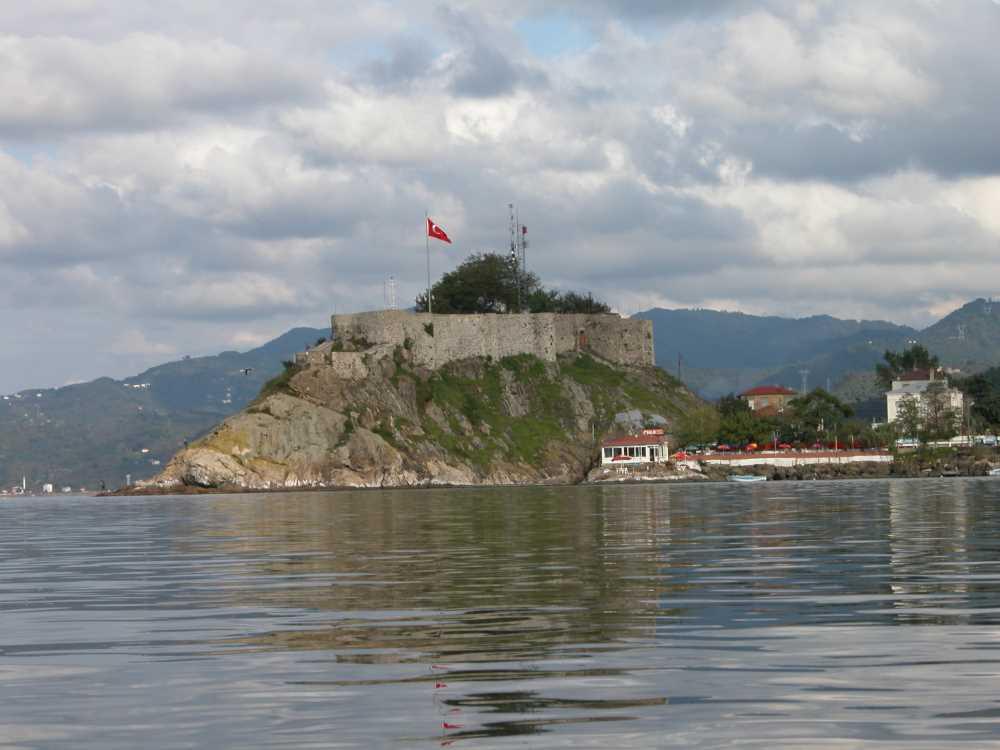
Tirebolu Castle
Tirebolu Kalesi is a defensive structure located in the center of Tirebolu district, within Giresun province on the eastern Black Sea coast of Türkiye. The castle is built on a natural promontory extending toward the Black Sea, providing a secure position against threats coming from both sea and land. Originally constructed during the Hellenistic or Roman period, the castle underwent repairs and renovations during the Pontic Kingdom and Trabzon Komnenos periods. During the Ottoman era, it retain
EN
Nursena Güller
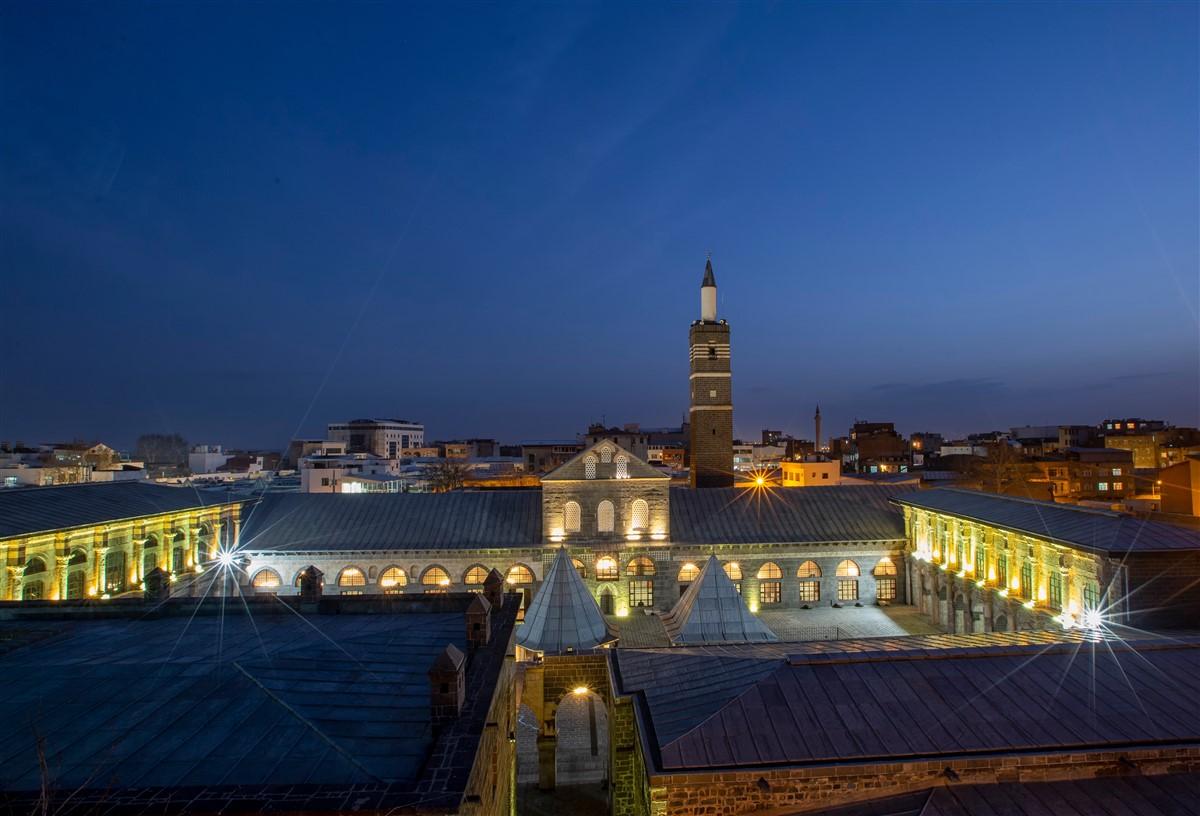
Diyarbakır Ulu Camii
Diyarbakır Ulu Camii is one of the oldest mosques in Anatolia and the largest among the historic mosques in the city. Although its exact construction date is unknown, it was established after the Islamic conquest of the city in 639 CE during the reign of Caliph Umar, when the largest church of the settlement, the Mar Toma Church, was converted into a mosque. In the Islamic world, it is regarded as the fifth Harem-i Şerif (Holy Sanctuary), following Kaaba, Mescid-i Nebevi, Al-Aqsa Mosque and Dama
EN
Mehmet Tahir Özbey