

`orkhon-inscriptions` Related Article Results
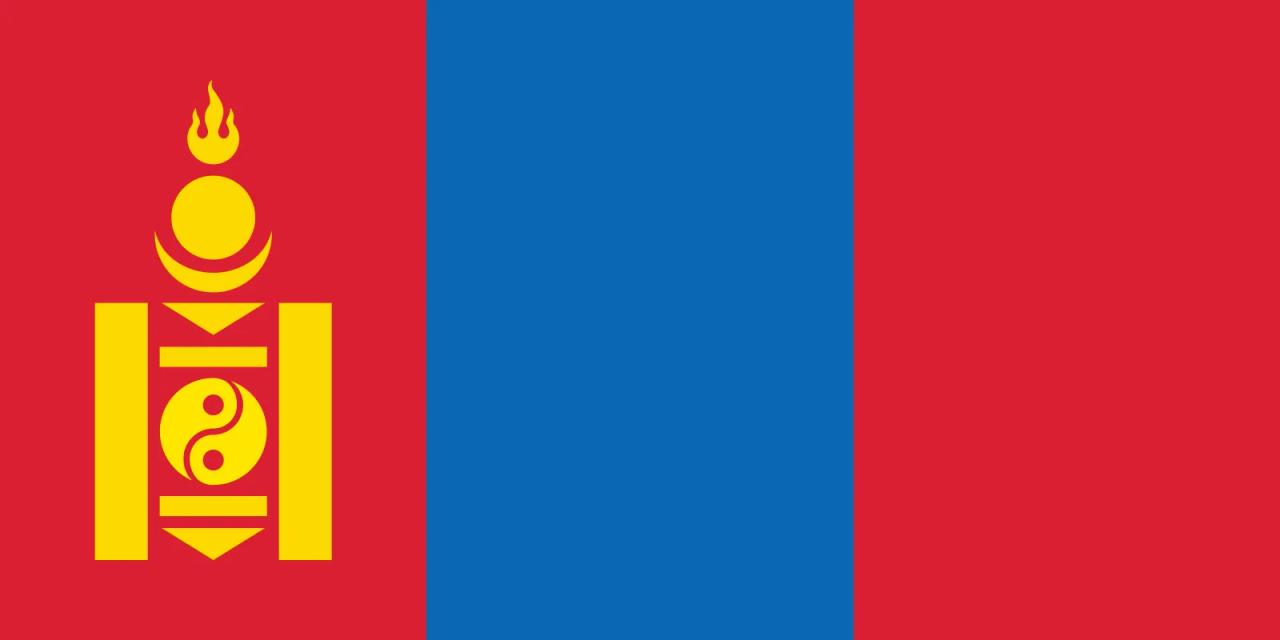
Mongolia
Mongolia is a vast landlocked steppe country located in the interior of East Asia. Throughout history it has been one of the political and cultural centers of Central Asia. Bordered by Russia to the north and China to the south this country with an area of 1,564,116 square kilometers ranks among the world’s largest landlocked nations. With a population of around 3.5 million it is also the least densely populated country on Earth. Most of its territory has been inhabited for thousands of years by
EN
Berk Büyükarslan
 Kü
KüKültöbe Inscription
Kültöbe Inscription is an important archaeological and philological find in the context of Central Asian Turkic history and epigraphy. It is the only known single-line runic Turkic inscription attributed to the early Oghuz Turks, dated to the 9th–10th centuries. The inscription was discovered within the historical Oghuz settlement of Kültöbe, located within the boundaries of the village of Orañğay (Oranğay), near the city of Turkistan, in southern Kazakhstan. Image of the Kültöbe Inscription (TR
EN
Duygu Şahinler
TuTurkish Language Family
Turkic language family (Turkic languages) is a language family consisting of languages with a common origin, spoken across the vast geography of Eurasia throughout history and still used today by numerous communities. This family is defined as a whole characterized by structural similarities evident from both historical documents and modern linguistic data, accepted as sharing a common origin, and classified through various approaches in different periods. The Turkic languages have spread over a
EN
Meryem Şentürk Çoban