

`minaret` Related Article Results
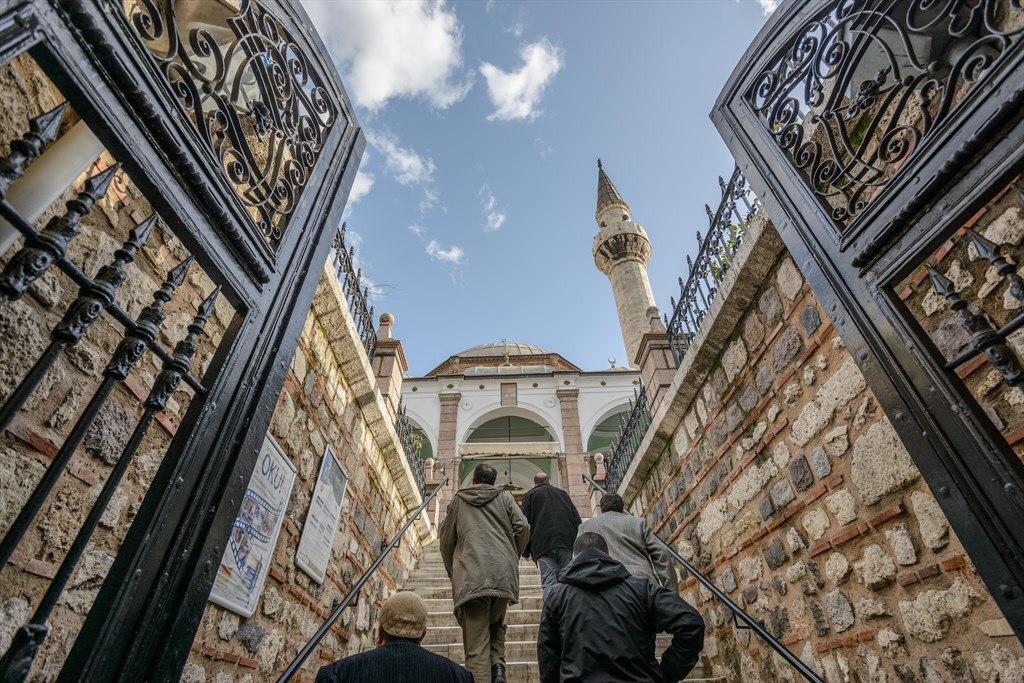
Başdurak (Hacı Hüseyin) Camii
Basdurak Camii, during the Ottoman period known as Hacı Hüseyin Ağa Camii, is a historical mosque located in the city center of İzmir. The structure derives its name from its founder, Hacı Hüseyin Ağa ibn Muharrem el-Cündî, and was constructed in the mid-17th century. Endowment records and travel accounts confirm that during the Ottoman era, the mosque was among the principal mosques in İzmir where Friday prayers were held. History Basdurak Camii (Hacı Hüseyin Camii) is an Ottoman-era mosque of
EN
Fatmanur Mavibaş
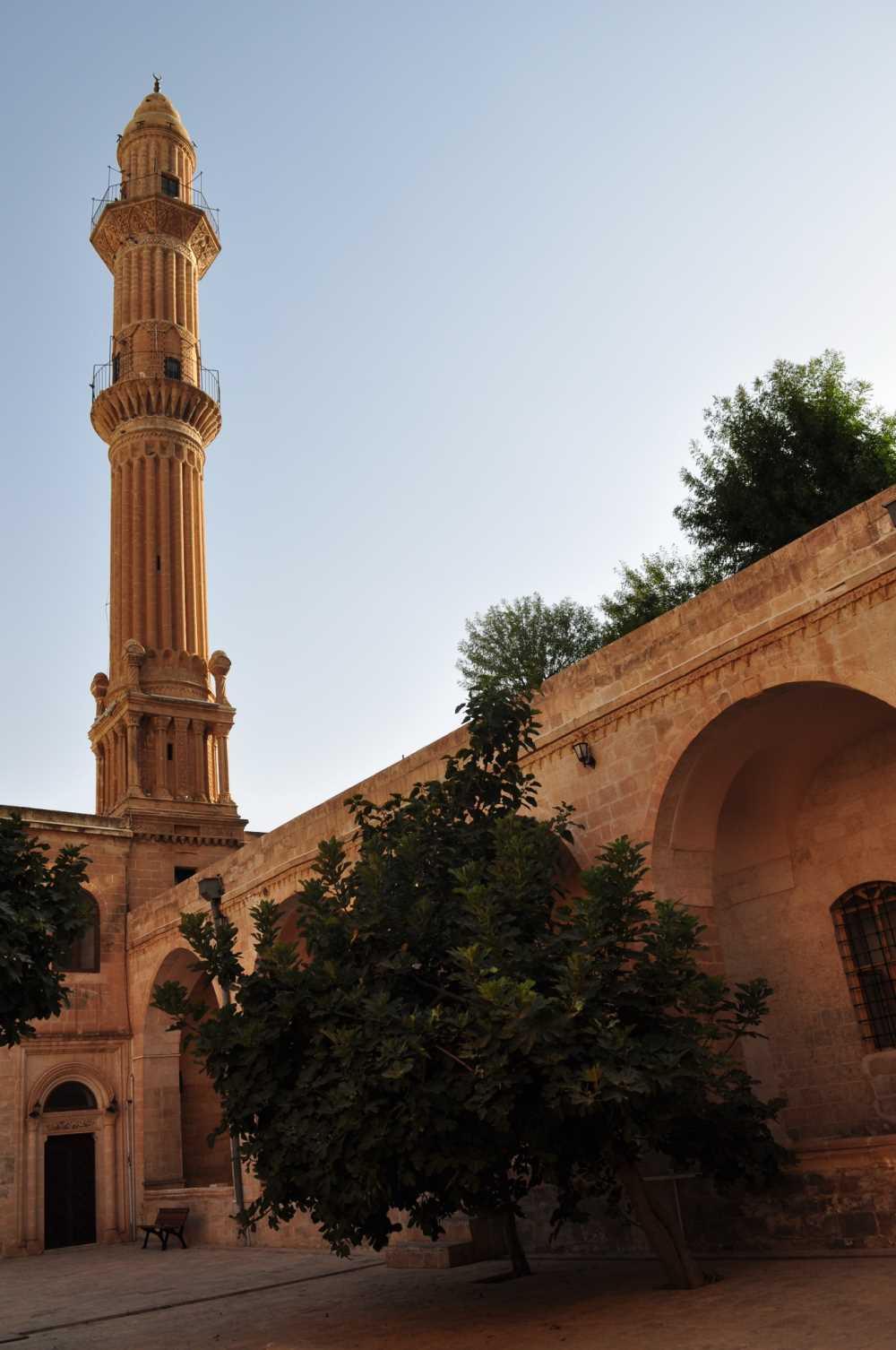
Şehidiye Medresesi
Şehidiye Medresesi, located in the city center of Mardin in southeastern Türkiye, is part of the same külliye as the Şehidiye Camii. This structure, situated within Mardin’s traditional architectural fabric, stands out for its historical and architectural features. History The medrese is generally believed to have been constructed in the early 13th century by Artuklu Sultan Melik Nasreddin Artuk Aslan. Some sources indicate that the building was completed in 1214, and it is also reported that th
EN
Bilge Öztürk
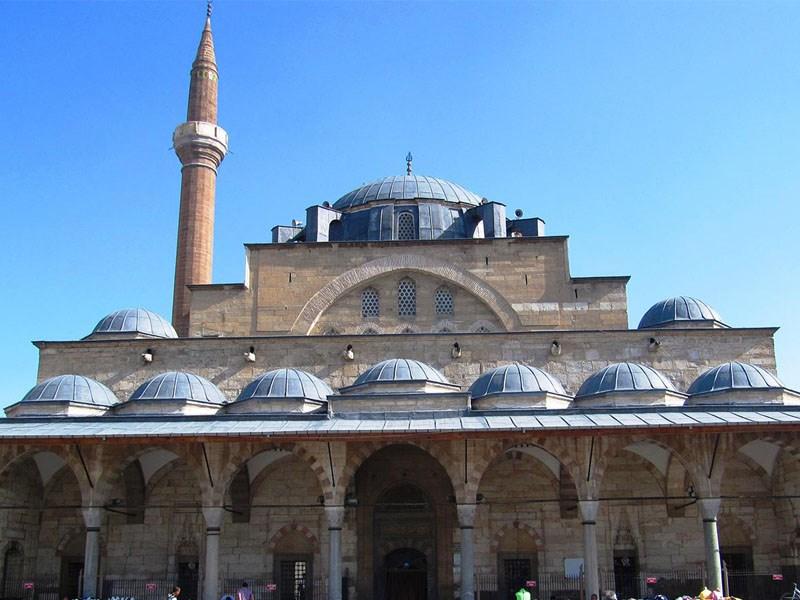
Şerafeddin Mosque
Şerafeddin Mosque is an architecturally Classical Ottoman style mosque located in Konya city center, north of the government house. The building was rebuilt in different periods in the historical process, and its first construction dates back to the Anatolian Seljuk State period. The name of the mosque has been recorded variously as Şerefeddin, Şerafeddin or Şerefşirin over time. History The earliest record of the first construction of the mosque is the Devlet Hatun Vakfi dated 611 H/1214 M. In
AZ
Ayşe İkbal Özsakın
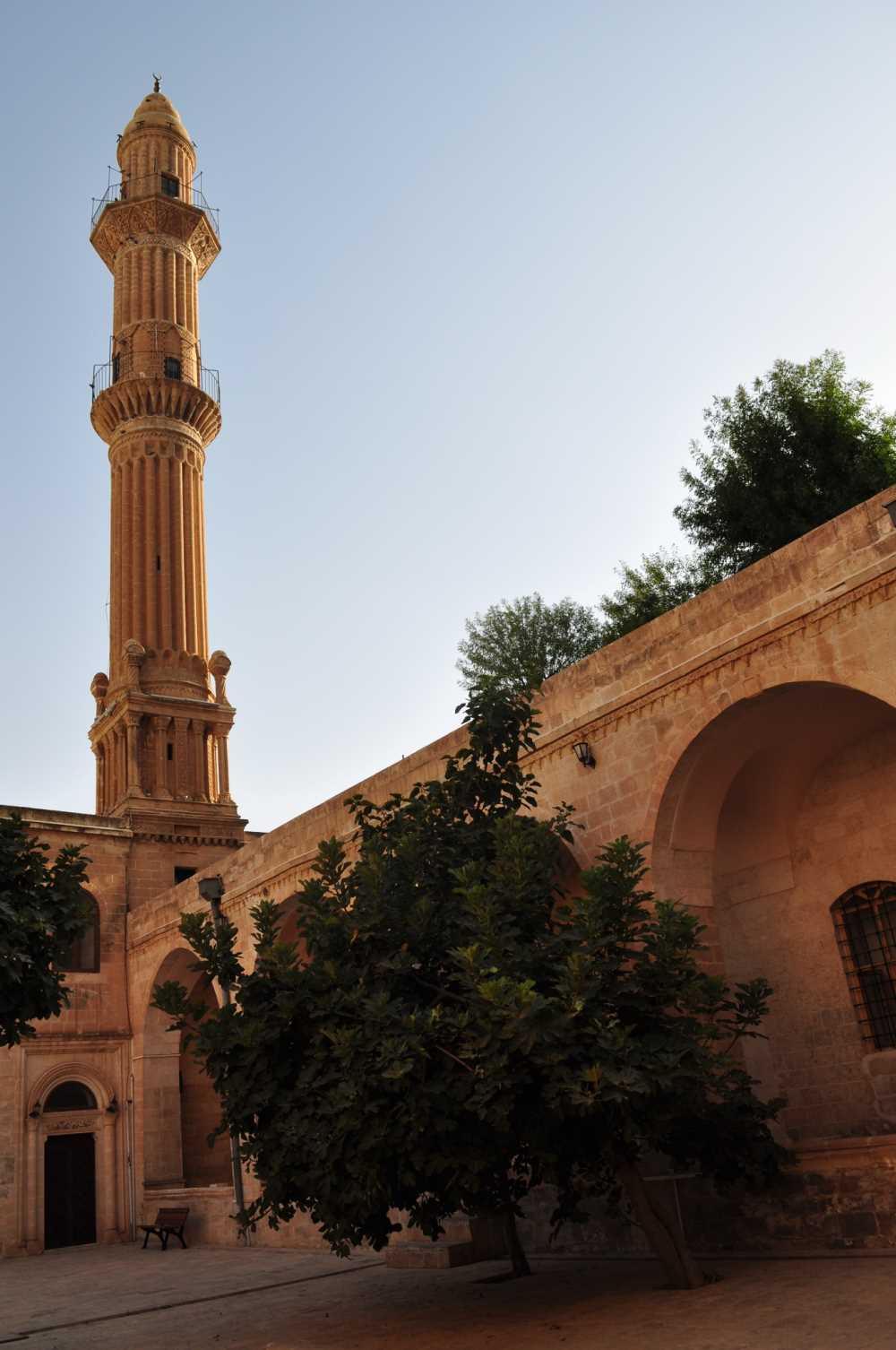
Şehidiye Medresesi
Şehidiye Medresesi is located in the city center of Mardin, in southeastern Türkiye. The building is part of the same külliye as the Şehidiye Camii. Situated within Mardin’s traditional architectural fabric, this structure stands out for its historical and architectural features. Şehidiye Medresesi.(Ministry of Culture and Tourism of Türkiye) " image-alternate="" image-element-format="right"> History The medrese is generally believed to have been built in the early 13th century by Artuklu Sul
EN
Bilge Öztürk
Rahmaniye Camii
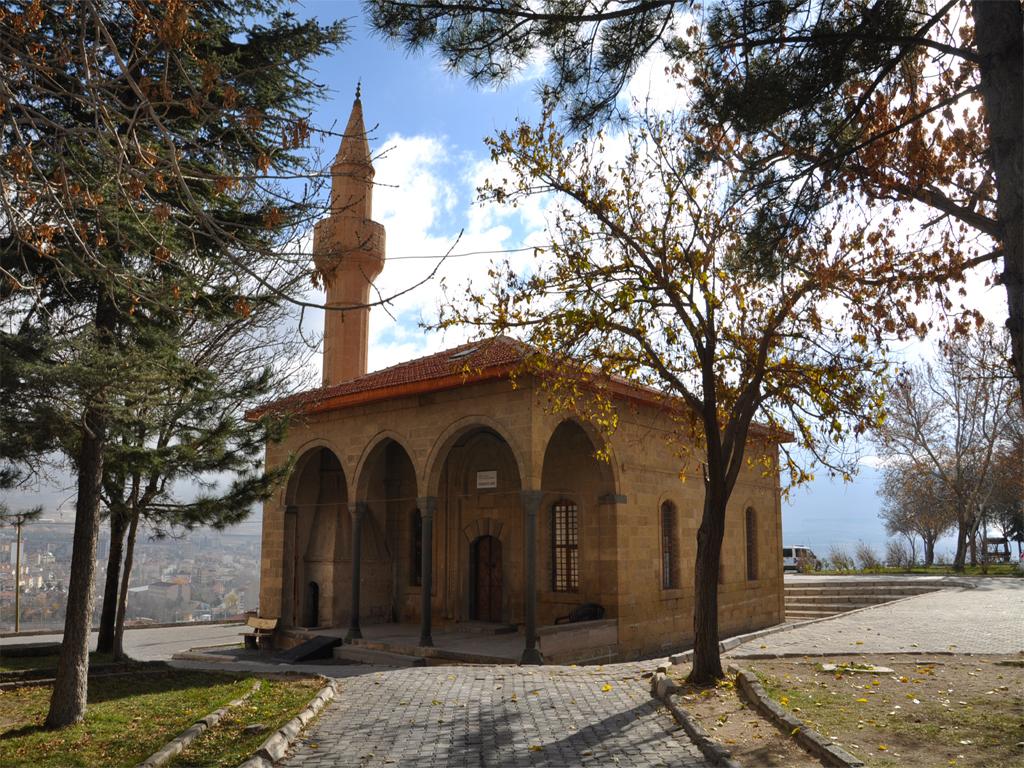
Rahmaniye Camii was built in 1747 by Abdurrahman Pasha, a statesman of the Ottoman period. According to the foundation inscription, it was constructed by expanding and renovating an existing mosque. Rahmaniye Camii (Türkiye Culture Portal) " image-alternate="" image-element-format="right"> Architectural Plan and Dimensions The mosque is designed with a rectangular plan and a flat roof. The prayer hall measures 9.25 by 12.20 metres externally. Adjacent to the northern facade is a three-bay rea
EN
Meltem Saraç

Adhan
You have surely heard this voice rising from the minarets five times a day. The adhan is a special call that invites Muslims to prayer and announces the arrival of prayer time. In its literal meaning, it signifies "to proclaim," "to announce," or "to call." Let us examine together how this important tradition began and what its characteristics are. How Did the History of the Adhan Begin? In the early years of Islam, there was no common method to announce the times of prayer. After the Muslims mi
ENRabia Çiftci

What is Mahya?
Mahya are illuminated texts and shapes hung between the minarets of mosques during the month of Ramadan. Traditionally made with oil lamps, today they are typically created using light bulbs. The word “mahya” derives from the Persian term “mâhiyye,” meaning “monthly,” as these displays are used exclusively during Ramadan. These luminous inscriptions adorn the nights of Ramadan and offer people beautiful messages and reminders. How Did Mahya Originate? During the Ottoman period, mosques were deco
EN
Melahat Pamuk
Hisar Camii
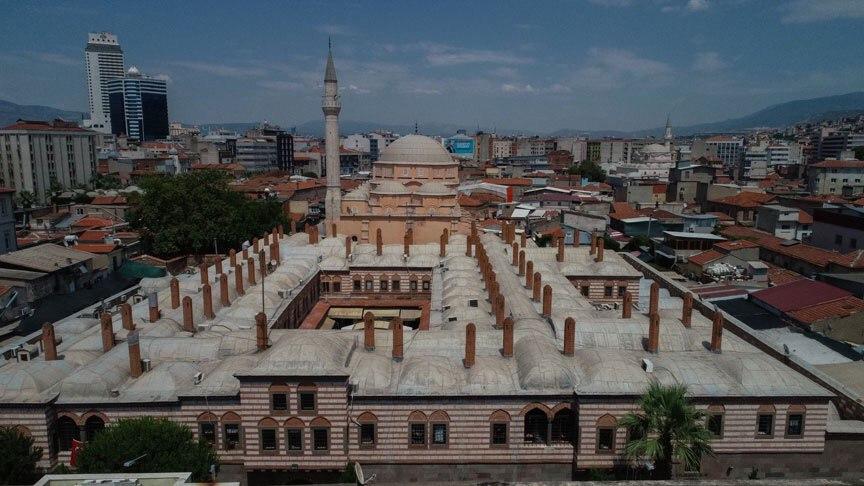
Hisar Camii is a historical mosque located in the Hisarönü neighborhood of İzmir’s Konak district, featuring architectural characteristics of the Ottoman period. Although there are differing views regarding its construction, the generally accepted view is that the mosque was built or converted from a Latin church in the late 16th century by a benefactor named Molla Yakup. The mosque derives its name from its proximity to the hisar (fortress) at the mouth of the harbor and has undergone various r
EN
Fatmanur Mavibaş
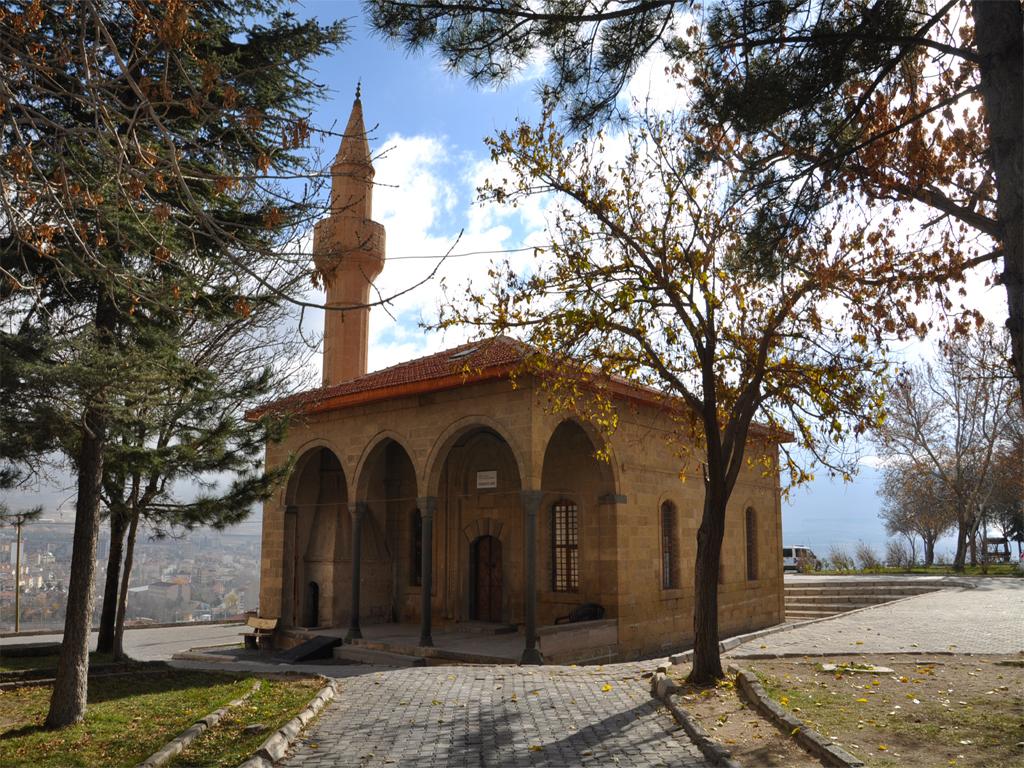
Rahmaniye Camii
Rahmaniye Camii was built in 1747 by Ottoman state official Abdurrahman Pasha. According to the foundation inscription, it was constructed by expanding and renovating an existing mosque. Rahmaniye Cami (Türkiye Kültür Portalı) " image-element-format="right" image-source="https://cdn.t3pedia.org/media/uploads/2026/02/11/rahmaniye-camii-be89f-20160215112506738_RAHMANIYE%20CAMI_2.JPG"> Architectural Plan and Dimensions The mosque is designed with a rectangular plan and a flat roof. The prayer ha
EN
Meltem Saraç