

`islamicart` Related Article Results
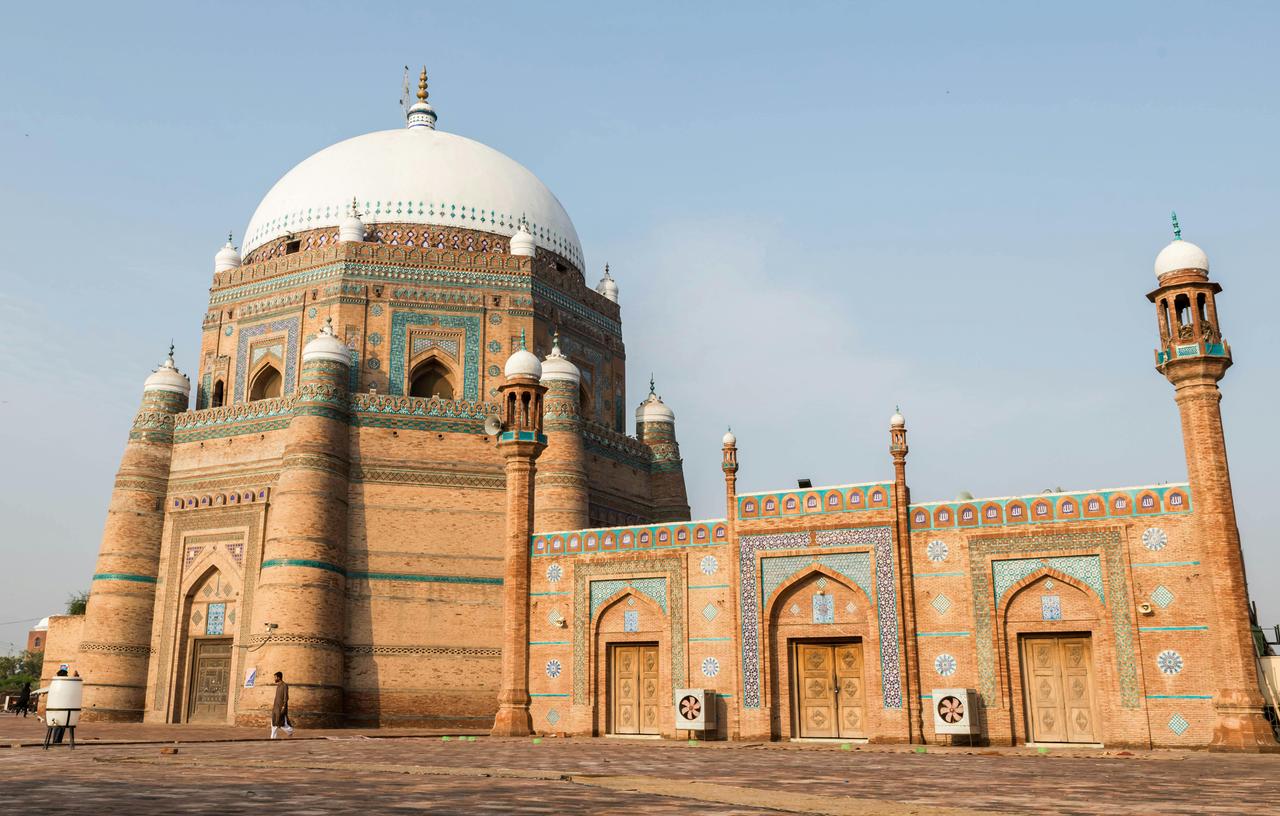
Tomb of Shah Rukn-i Alam
Shah Rukn-i Alam Turbe is a historical structure located in the city of Multan, in the Punjab province of Pakistan, constructed in 1324. Built during the Delhi Sultanate period, the turbe was dedicated to the family of Rukn al-Din Abu al-Fath (Shah Rukn-i Alam), a member of the Suhrawardiyya Sufi order. Among the earliest examples of Tughluq architecture, the structure stands out for its monumental dome, architectural ornamentation, and original use of materials. It was awarded the Aga Khan Awar
EN
Nazlı Kemerkaya
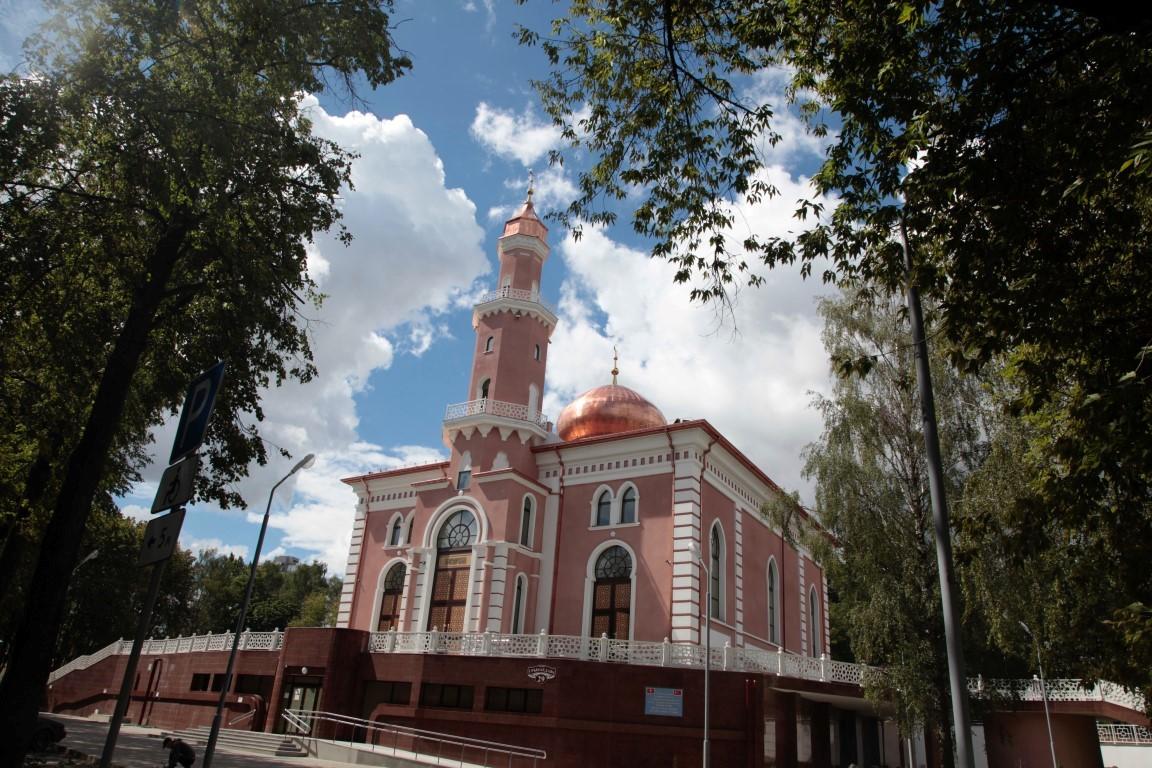
Minsk Mosque
Minsk Mosque is a mosque located in Minsk, the capital of Belarus, with a historical origin dating back to the 15th century. The structure was initially built of wood and later reconstructed in 1890 using stone and brick materials, becoming one of the city’s prominent landmarks. During the Soviet Union era, it was demolished in 1962. Reconstruction efforts initiated by the Turkish Diyanet Foundation began in 2014 and were completed in 2016, after which the mosque was opened for worship. History
EN
Nurten Yalçın
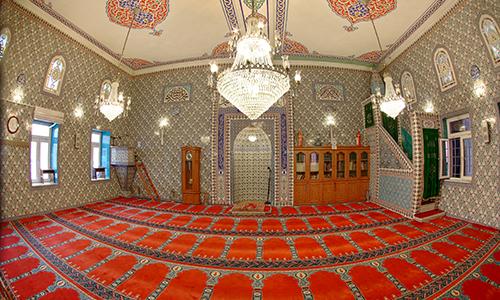
Bali Baba Mosque
Bali Baba Camii is a place of worship located in the Eyüpsultan district of Istanbul, constructed in the 16th century by Abdullah Bali Efendi and reaching the present day after undergoing various architectural transformations throughout its historical development.【1】 Location and Founder The structure is situated at the intersection of Yusuf Muhlis Paşa Street (Eski-yeni Cadde) and Kemikçi Çıkmazı Alley, on the left corner of the alley. Its founder is Abdullah Bali Efendi, who lived during the r
EN
Gözde Cabadak
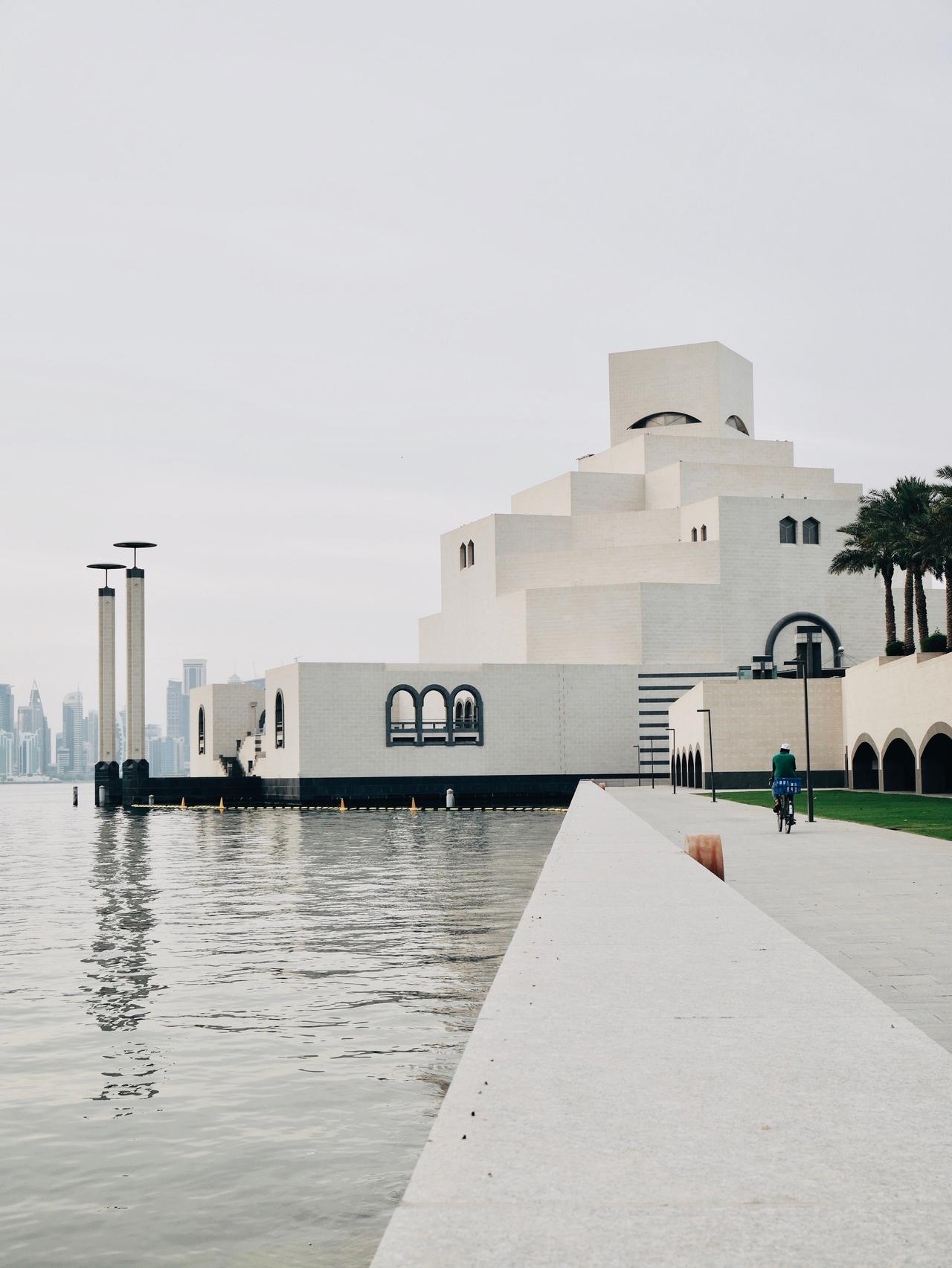
Museum of Islamic Art (Doha)
Museum of Islamic Art, located in Doha, Qatar, is a museum dedicated to preserving, exhibiting, researching, and making accessible to the public artworks of Islamic art spanning from the 7th to the 20th century. The museum houses one of the world’s most comprehensive collections of Islamic art, including manuscripts, ceramics, metalwork, woodwork, textiles, jewelry, glassware, coins, and precious stones. Among the first projects undertaken by Qatar Museums, the museum was designed by Chinese-Ame
EN
mesude zor
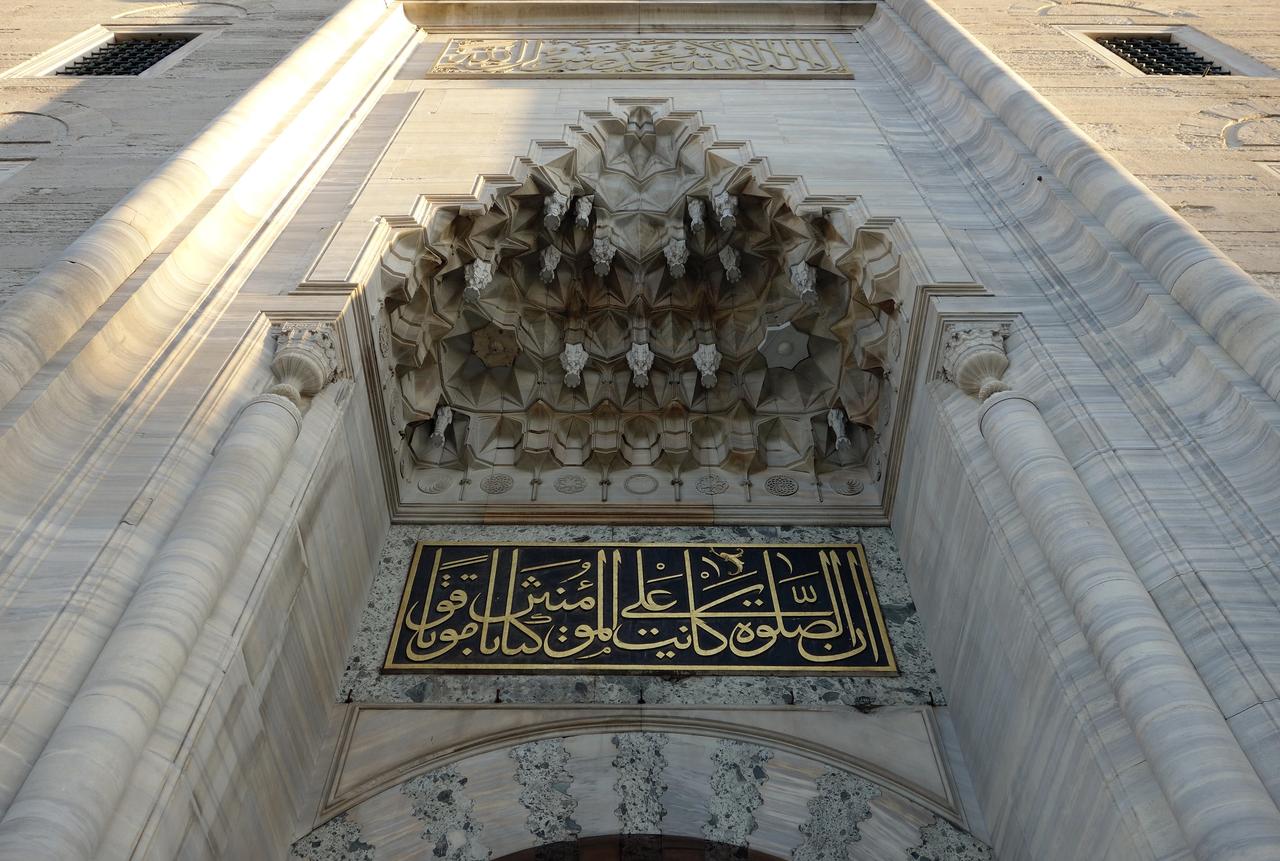
Muqarnas
Muqarnas are three-dimensional architectural elements commonly found in Islamic architecture, serving both decorative and structural purposes. These tiered, honeycomb-like forms are used in domes, pendentives, arches, and niches, and are notable for their intricate geometric designs. Muqarnas have been widely utilized across the Islamic world since their emergence during the medieval period. Origins and Historical Development The origins of muqarnas are debated among architectural historians, as
EN
Bilal Utku Karakoç