

`islamicarchitecture` Related Article Results
 Re
ReRed Mosque: Jami Ul-Alfar Camii
Sri Lanka’s capital, Colombo, is home to the Jami Ul-Alfar Camii, a structure renowned for its architectural, historical, and religious significance. Locally known as the “Red Mosque,” it reflects the cultural influence of Islam in Sri Lanka. Built in the early 20th century, the mosque has since become both a religious and tourist landmark. Located in the bustling Pettah district of Colombo, the Jami Ul-Alfar Camii stands out with its red-and-white geometric patterns and is regarded as one of th
EN
Ahsen Karakaş

Masjid Putra
Masjid Putra, also known as Putra Mosque, is located in Putrajaya, Malaysia. The mosque was constructed as part of the development of the new federal government administrative center. Its construction began on March 15, 1996, and the mosque was officially opened on August 30, 2000. It is named after Malaysia’s first Prime Minister, Almarhum Tunku Abdul Rahman Putra Al Haj. Masjid Putra - Putrajaya Corporation " image-alternate="" image-element-format="right"> History and Construction The mosq
EN
Bilal Utku Karakoç
Hacı Bayram Camii
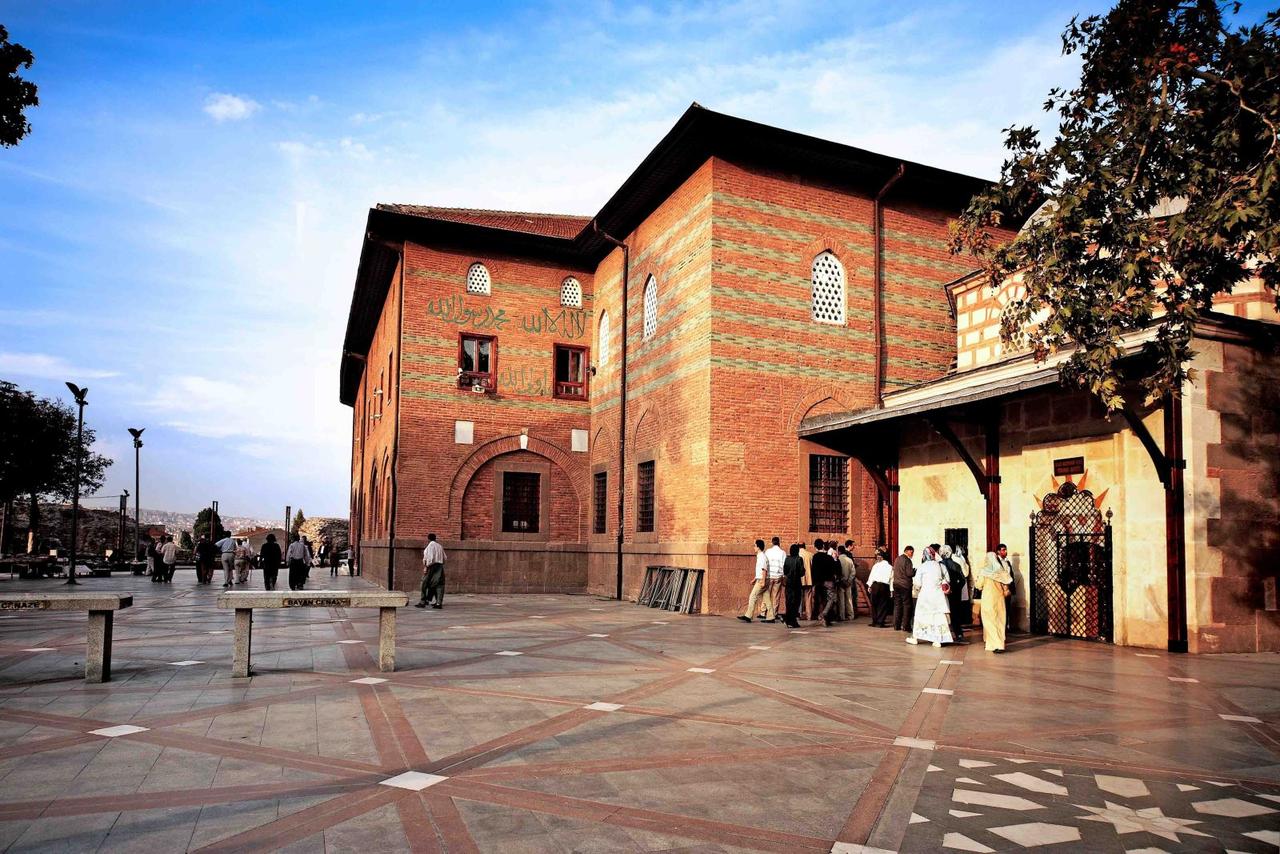
Hacı Bayram Veli Camii is a historic mosque located in the Ulus district of Türkiye’s capital Ankara, on Augustus Square. This brick-walled, tile-roofed mosque with a stone base has a longitudinal plan. The qibla side of the mosque rests against walls dating from the Roman period, while its southern side supports the Hacı Bayram Veli Türbesi. Originally constructed in 1427–1428 (Hijri 831), the mosque today reflects the architectural characteristics of late 17th and early 18th century Ankara mos
EN
Muhammed Samed Acar
Hacı Bayram Camii
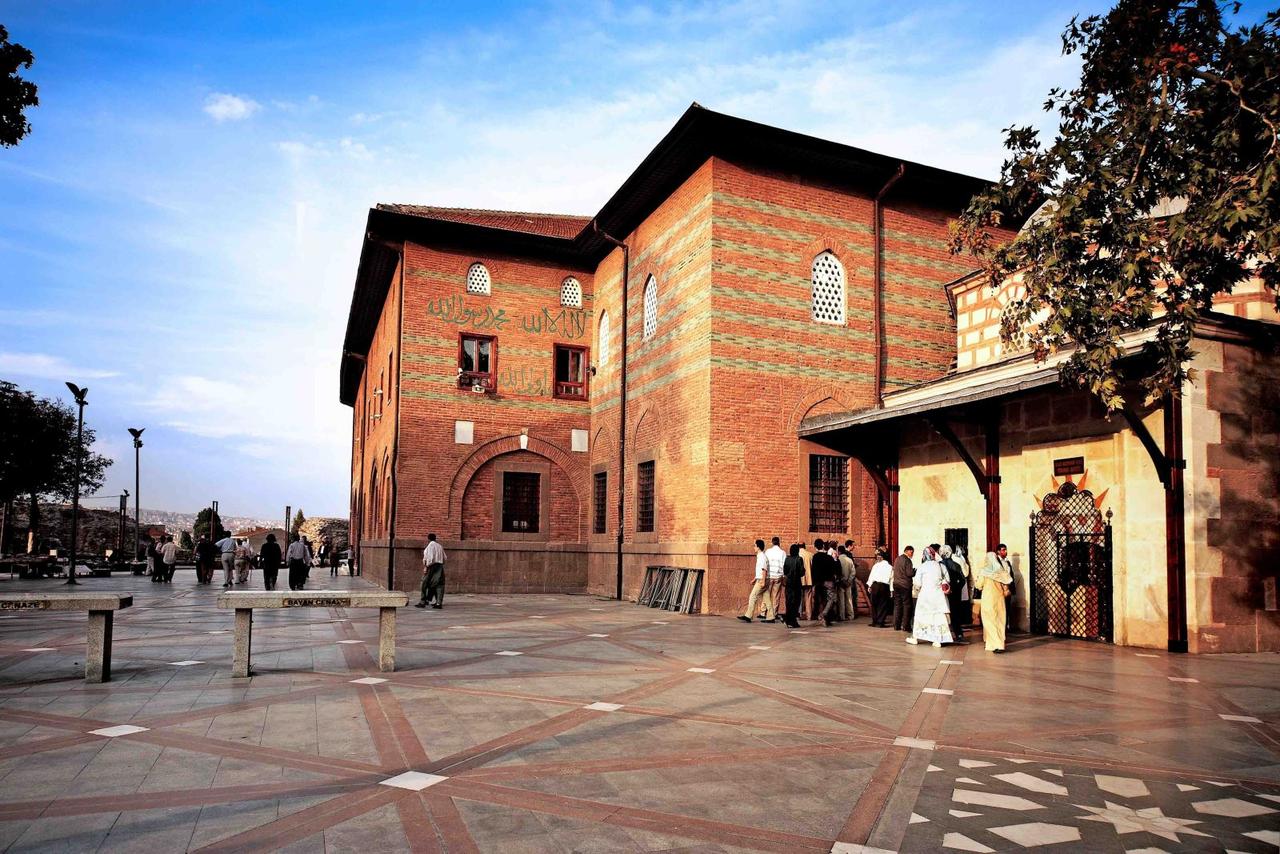
Hacı Bayram Veli Camii is a historical mosque located in the Ankara district of Ulus, on Augustus Square in the capital of Türkiye. This structure features a stone base, brick walls and a tiled roof. It has a longitudinal rectangular plan. The eastern side of the mosque rests against the walls of the Augustus Tapınağı from the Roman period while its southern side leans against the Bayram Veli Türbesi. Originally constructed in 1427–1428 (Hijri 831), the mosque retains the architectural character
EN
Muhammed Samed Acar
Moscow Central Mosque
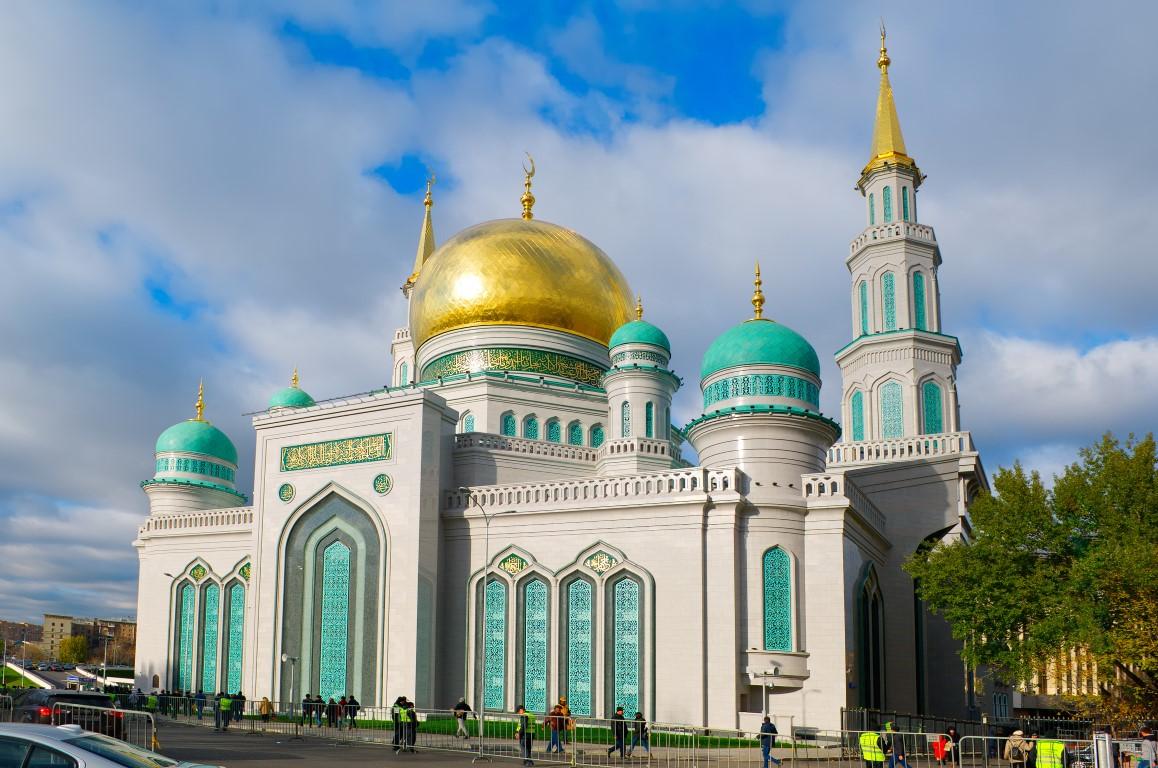
The Moscow Central Mosque is a structure located in Moscow, the capital of Russia, and is regarded as one of the country’s most important Islamic places of worship. Built by the Russian Muslim Religious Administration, the mosque draws attention through its architectural features, interior decorations, and large capacity. Construction and Inauguration The construction of the Moscow Central Mosque lasted seven years and the mosque was opened for worship on 23 September 2015. The inauguration cere
EN
Nurten Yalçın
Sultan Qaboos Grand Mosque
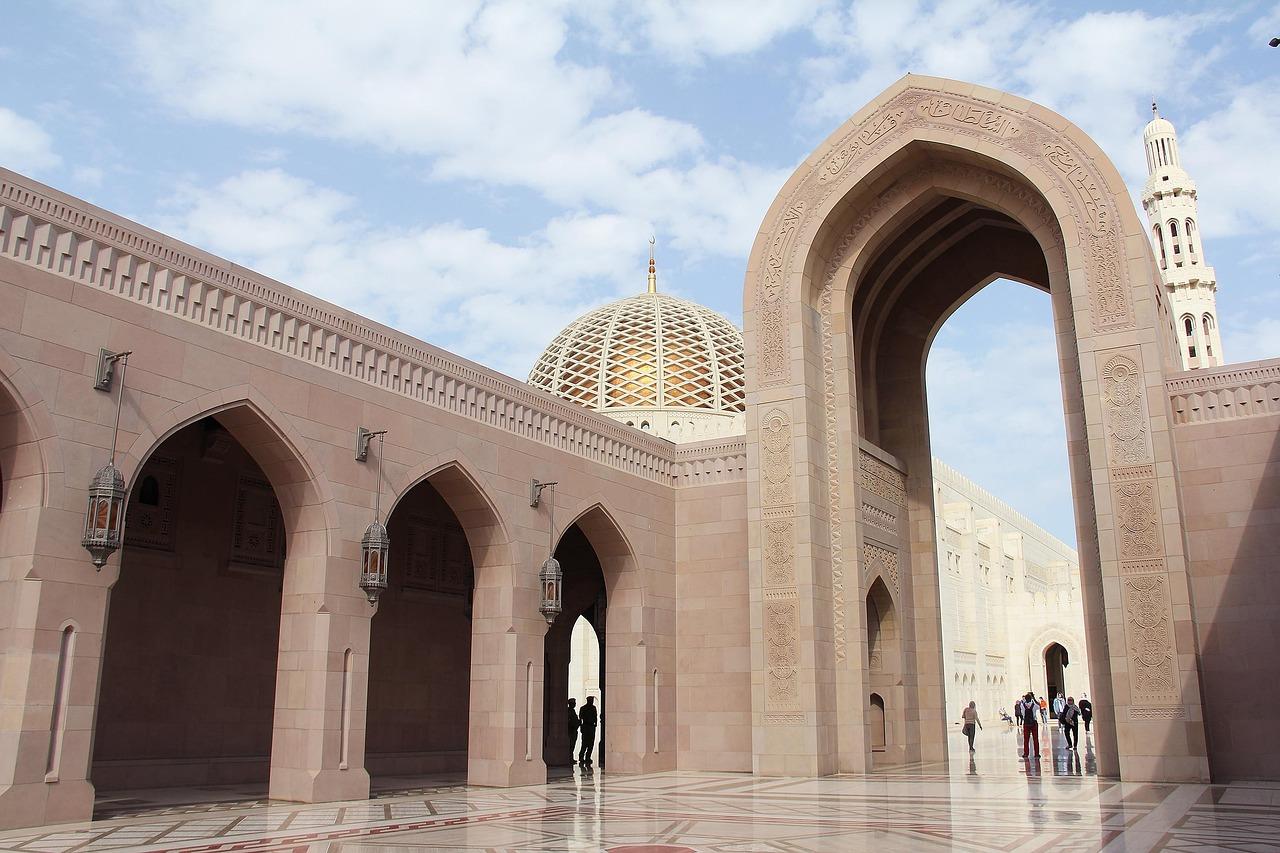
Sultan Qaboos Grand Mosque (Eng. Sultan Qaboos Grand Mosque), located within the boundaries of the Bawshar Governorate in Oman’s capital Muscat, is a place of worship. The mosque is situated along one of Muscat’s main transportation routes and serves as a central structure both physically and functionally within the capital. The building was designed to function as a center for worship, scholarship, and education within the context of Islam. History and Construction The construction of the mosqu
EN
Miray GÜR
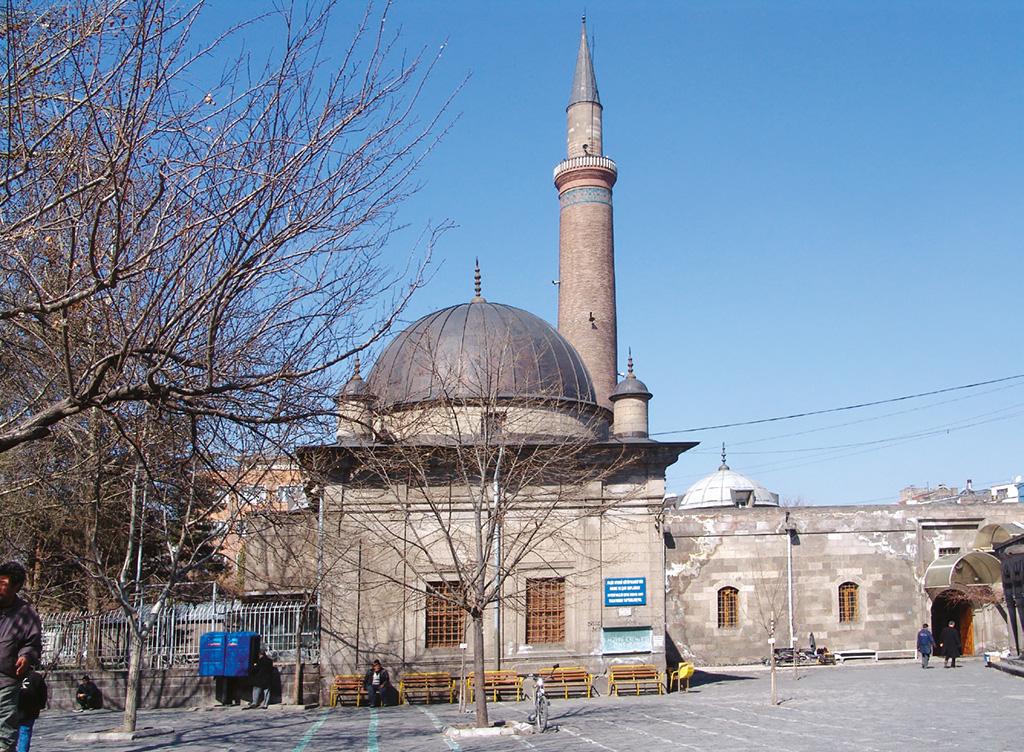
Cami Kebir (Kayseri Ulu Cami)
Cami Kebir is a historic mosque located in the center of Kayseri, next to the Kapalıçarşı. It is commonly known among the public as Ulu Cami, and is also referred to in various sources as Cami-i Kebir or Sultan Cami. Built in 530 AH/1135 CE by Danişmendlid ruler Melik Mehmet Gazi, this mosque is one of the simplest yet elegant examples of Seljuk architecture. History and Restorations The mosque was originally constructed by Melik Mehmet Gazi, and an inscription on the wall beside the northern en
ENMuhammed Samed Acar
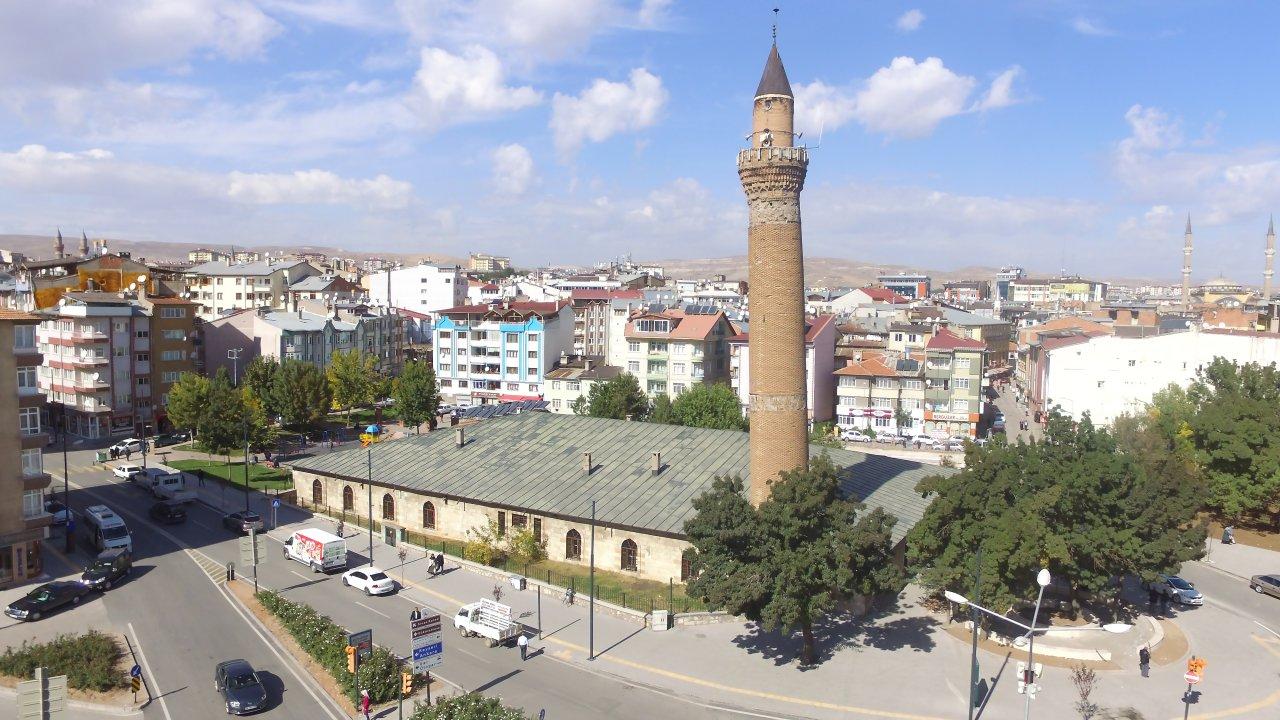
Sivas Ulu Mosque
Sivas Ulu Mosque is one of the oldest mosques in Anatolia, located in the city center of Sivas, Turkey. The structure was built in 1196–1197 during the reign of Kutb al-Din Melikshah by Kızılarslan bin İbrahim, and designed by the architect Kul Ahi. Due to its architectural style and historical context, it is considered one of the early examples of Anatolian mosque architecture. Exterior View of Sivas Ulu Mosque (Sivas Municipality) " image-element-format="justify" image-source="https://cdn.t3pe
EN
Hikmet Can Urhan
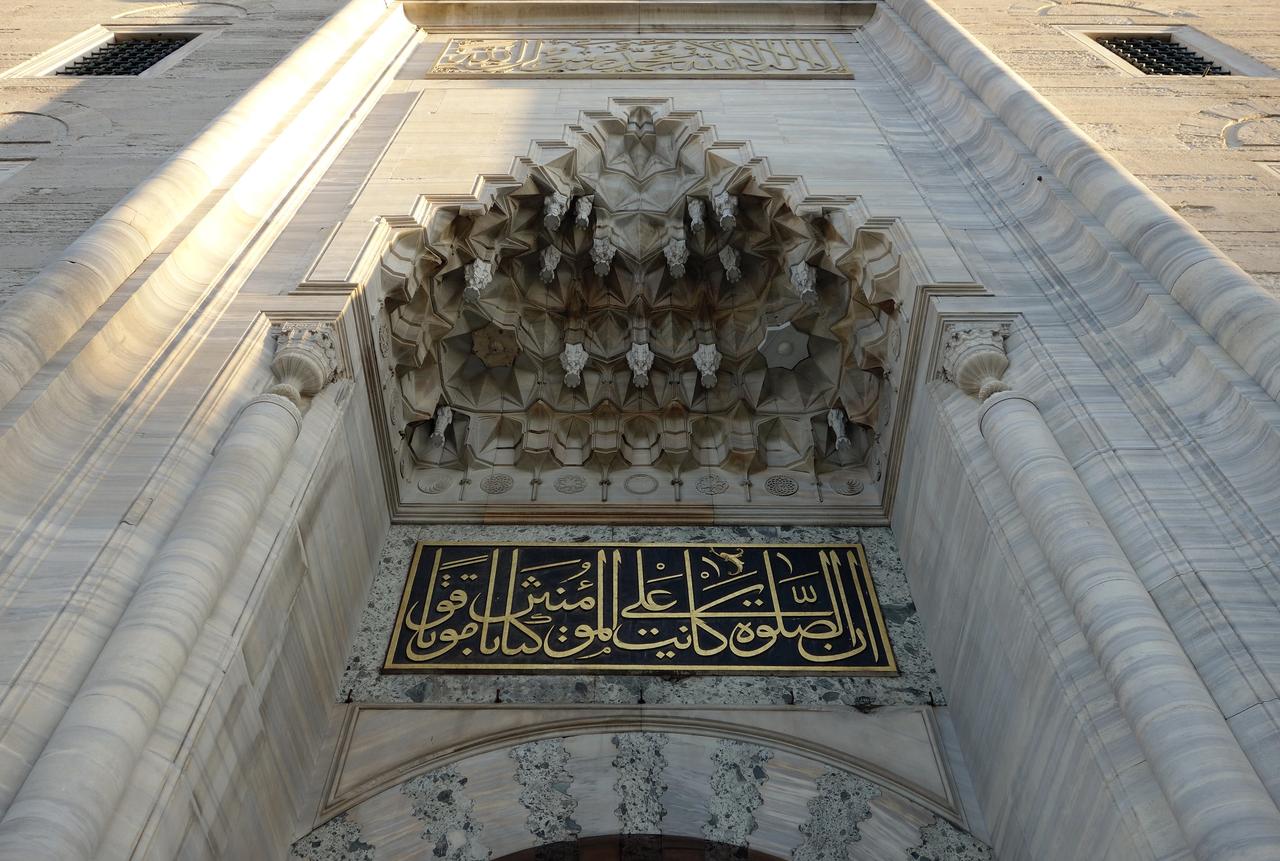
Muqarnas
Muqarnas are three-dimensional architectural elements commonly found in Islamic architecture, serving both decorative and structural purposes. These tiered, honeycomb-like forms are used in domes, pendentives, arches, and niches, and are notable for their intricate geometric designs. Muqarnas have been widely utilized across the Islamic world since their emergence during the medieval period. Origins and Historical Development The origins of muqarnas are debated among architectural historians, as
ENBilal Utku Karakoç