

`informationliteracy` Related Article Results

After It Appears in Writing, Don't Say "Sir, We Didn't Cover This Area": The Sokal Affair
In 1996, a physics professor pulled a prank on the academic world whose echoes still resonate today. Moreover, this was not a joke told in a conference hall or a witty remark among colleagues. It was a serious-looking academic article, filled with footnotes, adorned with elaborate titles, and published in a respected journal. Even the title alone was eye-catching: “Transgressing the Boundaries: Towards a Transformative Hermeneutics of Quantum Gravity.” The author was physicist Alan Sokal from Ne
EN
Ayşe Aslıhan Yoran
 Di
DiDigital Stacking
Digital Hoarding is defined as a condition in which individuals continuously acquire digital content such as emails, digital images, videos, electronic documents, and software, experience significant difficulty in deleting or organizing these contents, and suffer stress or psychological distress due to the accumulation of data creating an unmanageable disorder. This phenomenon, also referred to in the literature as "e-hoarding," "data hoarding," or "cyber hoarding," is regarded as the digital ma
EN
Yunus Emre Yüce
Shopping
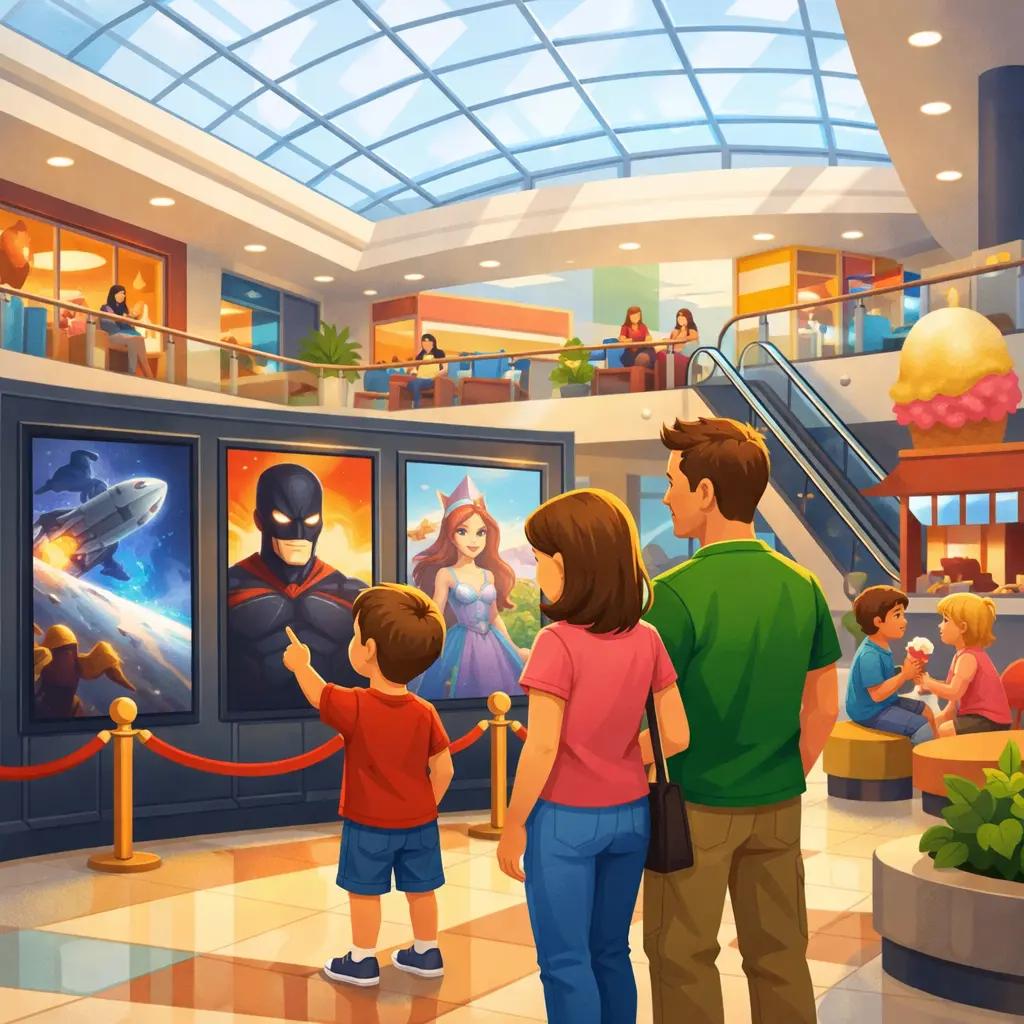
Shopping refers to any activity we undertake to acquire something we need, such as a toy, fresh fruit, or new clothing. The process is completed when a person sells a product and we pay money in return. Shopping is not only about acquiring goods; it is also a bond and form of communication between people. A Journey Through Time The word “shopping” is actually very old and was used in Uyghur texts around 1,300 years ago as “alış bėriş.” The ancient Turks also used different terms such as “alı sat
EN
Seda Nur Nacar