

`historical-analysis` Related Article Results
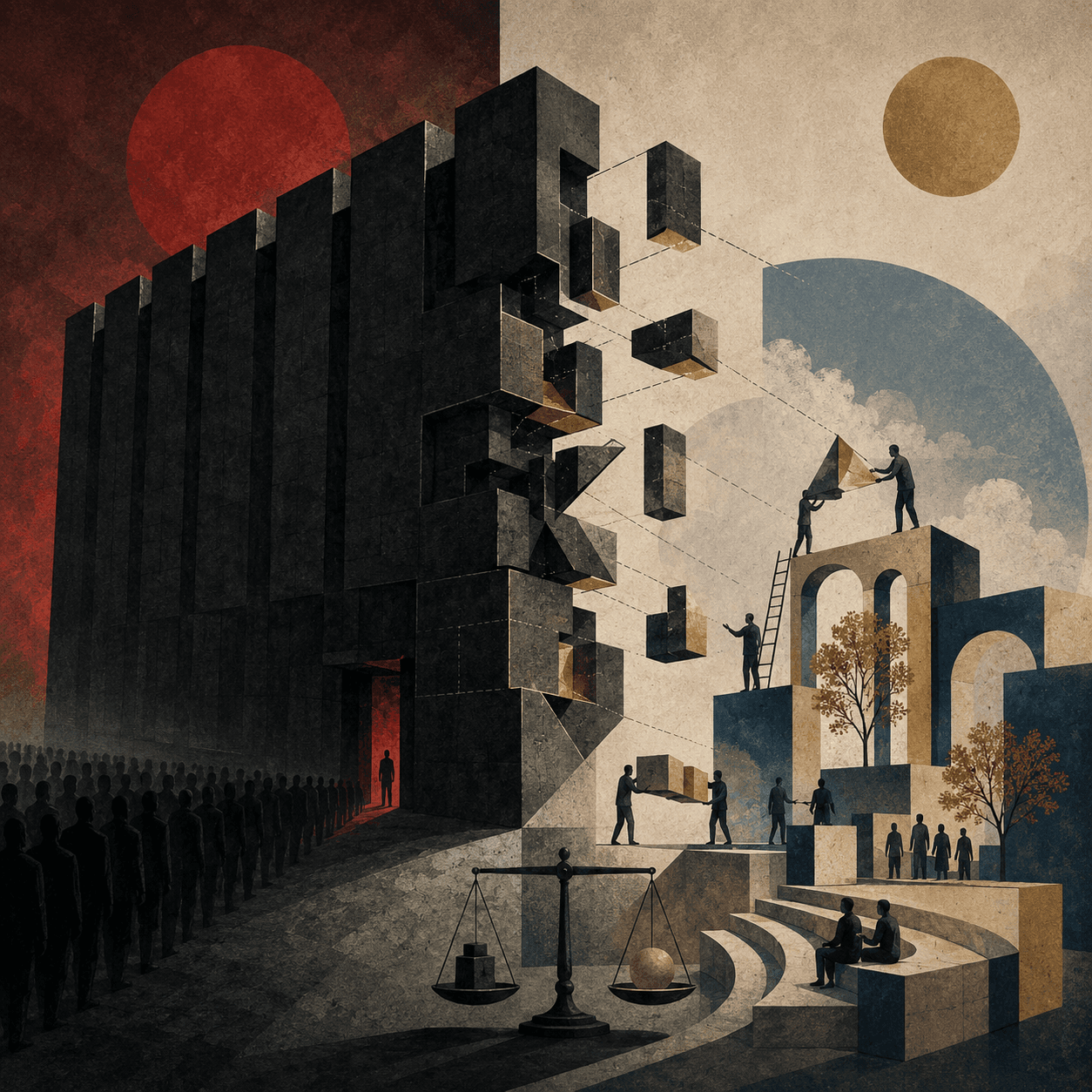
Is Fascism Absolutely Evil?
Some concepts exist that, the moment they are uttered, do not spark debate but end it. Fascism is one such concept in many contexts. So many沉重 meanings are attached to the word that people often feel no need to examine any idea associated with it. “Fascism is evil; therefore, every institution, every economic policy, every social arrangement linked to fascism must also be evil.” At first glance, does this inference not seem reasonable? Even today, opposition parties accuse governments of being f
EN
Mehmet Salih Çoban

The Tokyo Rose: A Propaganda Figure in World War II
World War II was a struggle waged not only on battlefronts but also through mass media. During this period, radio served as a central instrument in both information dissemination and psychological warfare. Propaganda aimed not only to undermine the morale of enemy forces but also to shape domestic public opinion. Within this framework, media campaigns between Japan and the United States laid bare the ideological tensions of the era. Tokyo Rose: An Emotional Strategy in the Voice of War In the fi
EN
Elif Nur Çetinkaya
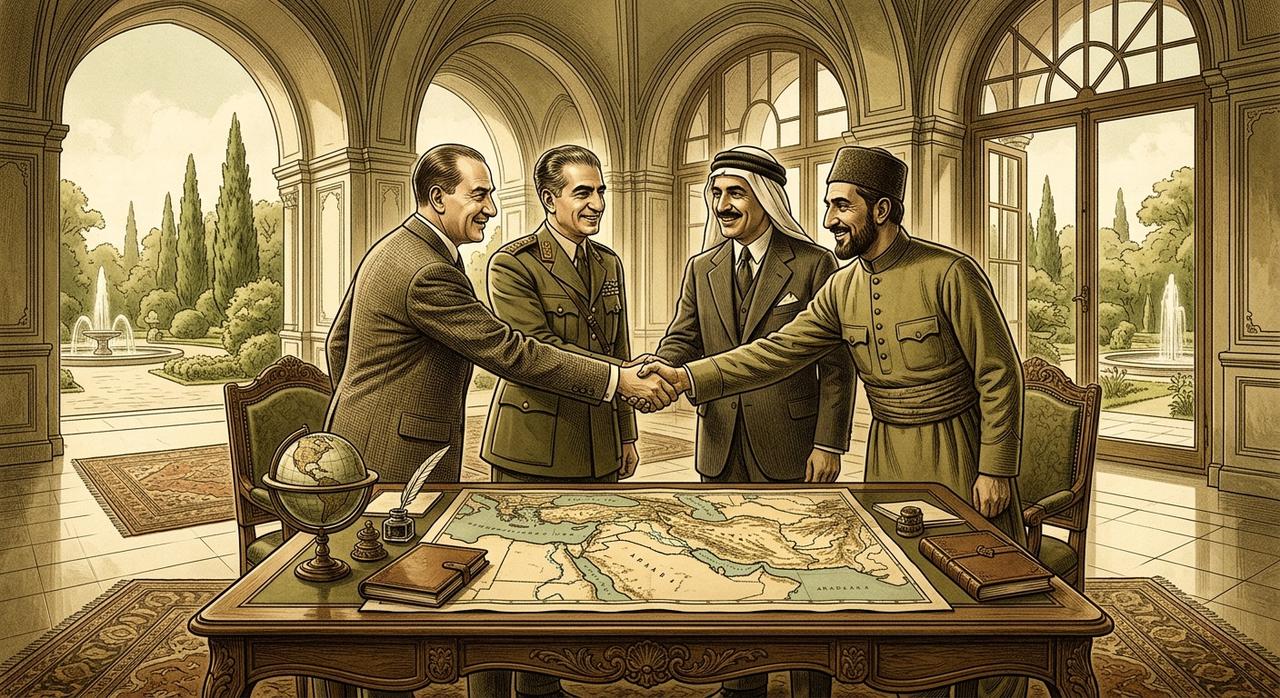
Sadabad Pact
Sadabad Pact, signed on 7 July 1937 at the Sadabad Palace in Tehran, the capital of Iran, is a regional agreement on friendship, security and non-aggression between Türkiye, Iran, Iraq and Afghanistan.【1】 In nature, it is not a military defense alliance or a common military bloc but a political treaty in which the parties commit to mutually safeguarding border security, refraining from interference in each other’s internal affairs, consulting on matters of common interest and pledging non-aggres
EN
Mustafa Cem İnci

To Be the Poet of a Story
Is it possible to be the poet of a story? Historiography is often presented as a structured answer to the question “what happened?” Documents are found, events are ordered, individuals and dates are placed in their proper context. This framework is not entirely wrong; but it is incomplete. For history is not merely a conduit for information. We cannot access the past directly; the past reaches us mostly through texts, records, labels, and other mediating tools. Therefore, in historiography, lang
ENMehmet Salih Çoban
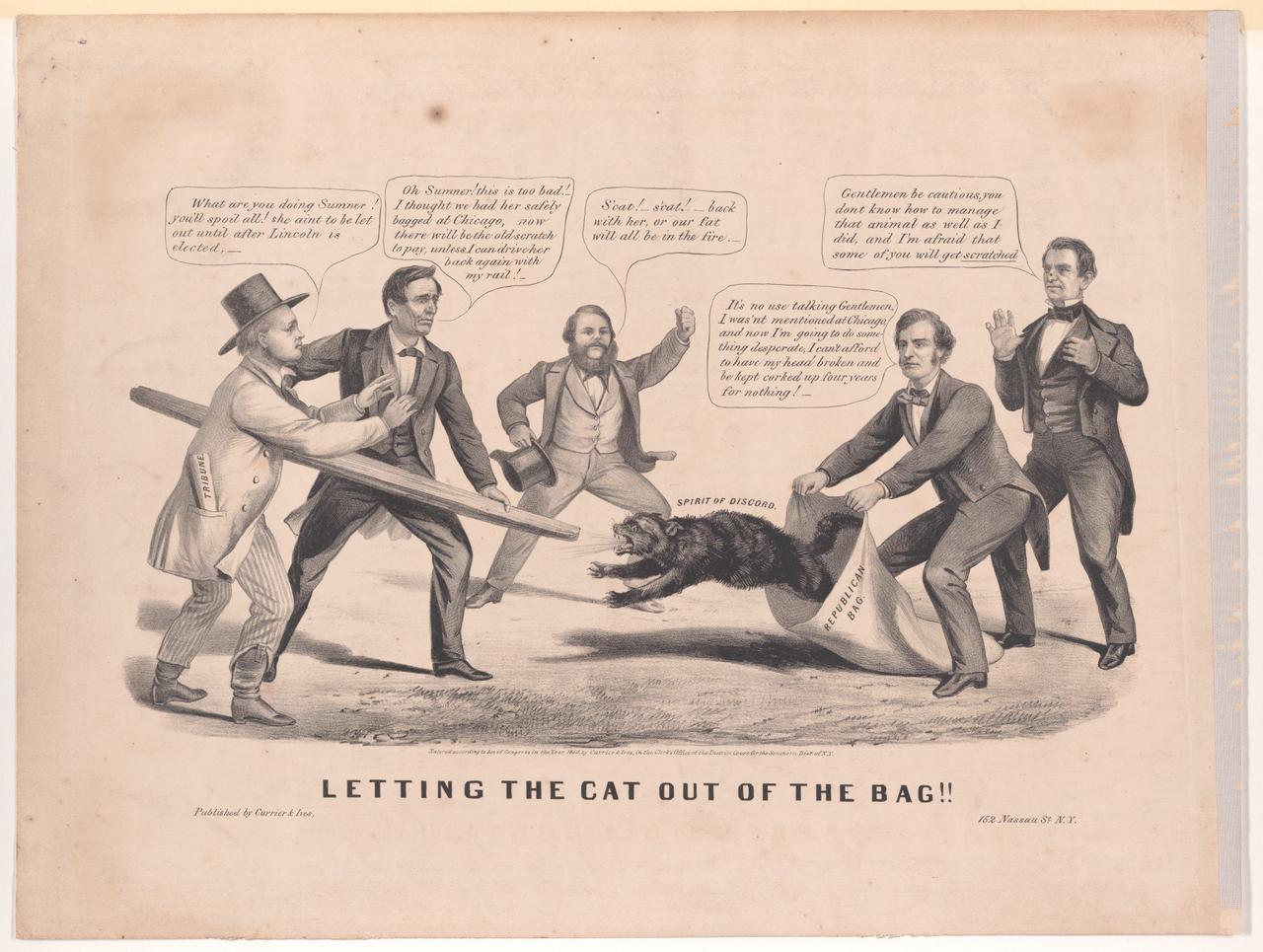
Great Cat Massacre
The Great Cat Massacre, was a mass killing carried out in the late 1730s around Rue Saint-Séverin in Paris by apprentices and journeymen at a printing workshop, targeting cats. The daily routine of workshop life sharply diverged between the master and the household on one side and the apprentices on the other. Apprentices worked under heavy burdens; the inequality in food and sleep arrangements intensified workshop tensions, as even the master’s cats lived in better conditions than the apprentic
EN
Onur Çolak
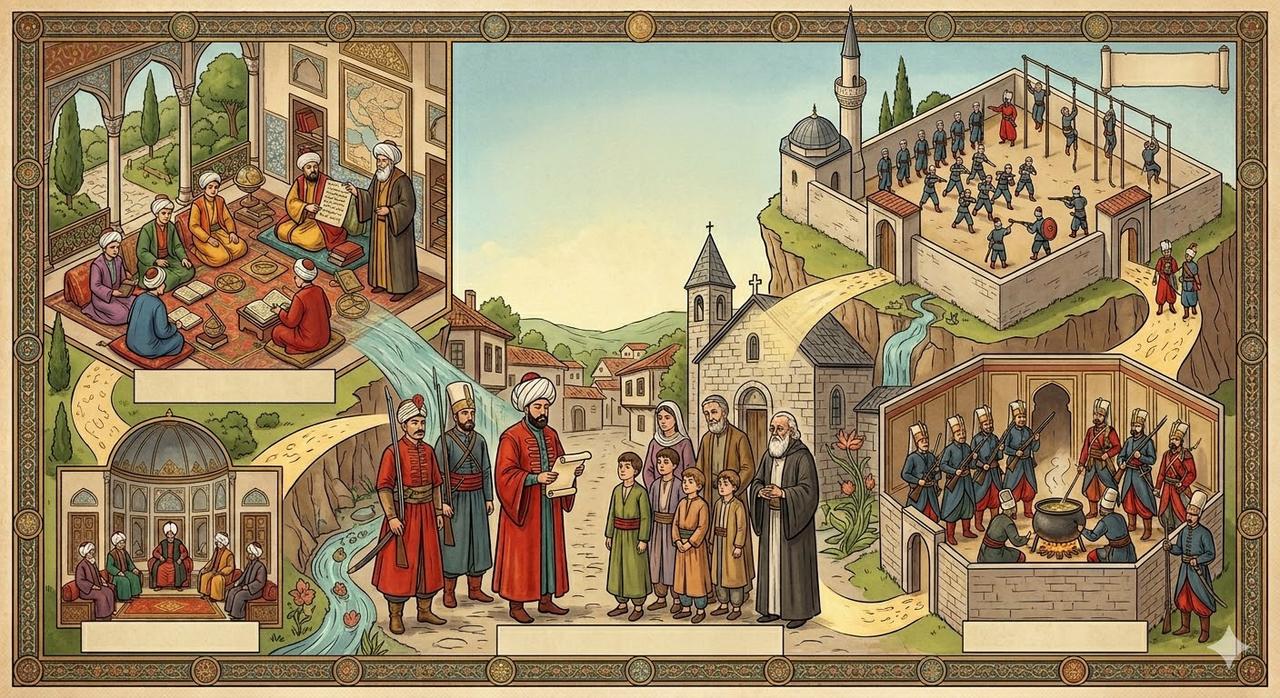
Devshirme System
Have you ever wondered how the Ottoman Empire remained so powerful for such a long time? One of its most important secrets was the Devşirme System, which trained talented children from all corners of the world to become heroes. Let’s explore how this fascinating process worked! Devşirme sistemini temsil eden görsel (Yapay zeka ile oluşturulmuştur) " image-element-format="right" image-height="559" image-source="https://cdn.t3pedia.org/media/uploads/2026/06/13/QlynQhJbjShad0u3bye02nV4yZNKa9jf.jpg"
EN
Tülin Kara