

`greek-mythology` Related Article Results
 Ar
ArAres
Ares is the god of war and destruction in Greek mythology. Born as the son of Zeus and Hera, Ares represents pure violence, chaos, and destruction, in contrast to Athena, who embodies the strategic and disciplined aspects of war. Although known for his physical strength and martial prowess, he is seldom favored by the other Olympian gods due to his thoughtlessness and aggression. In Greek mythology, Ares embodies the bloodiest and cruelest face of war. Despite being a brave and fearless warrior,
EN
Kübra Elçi
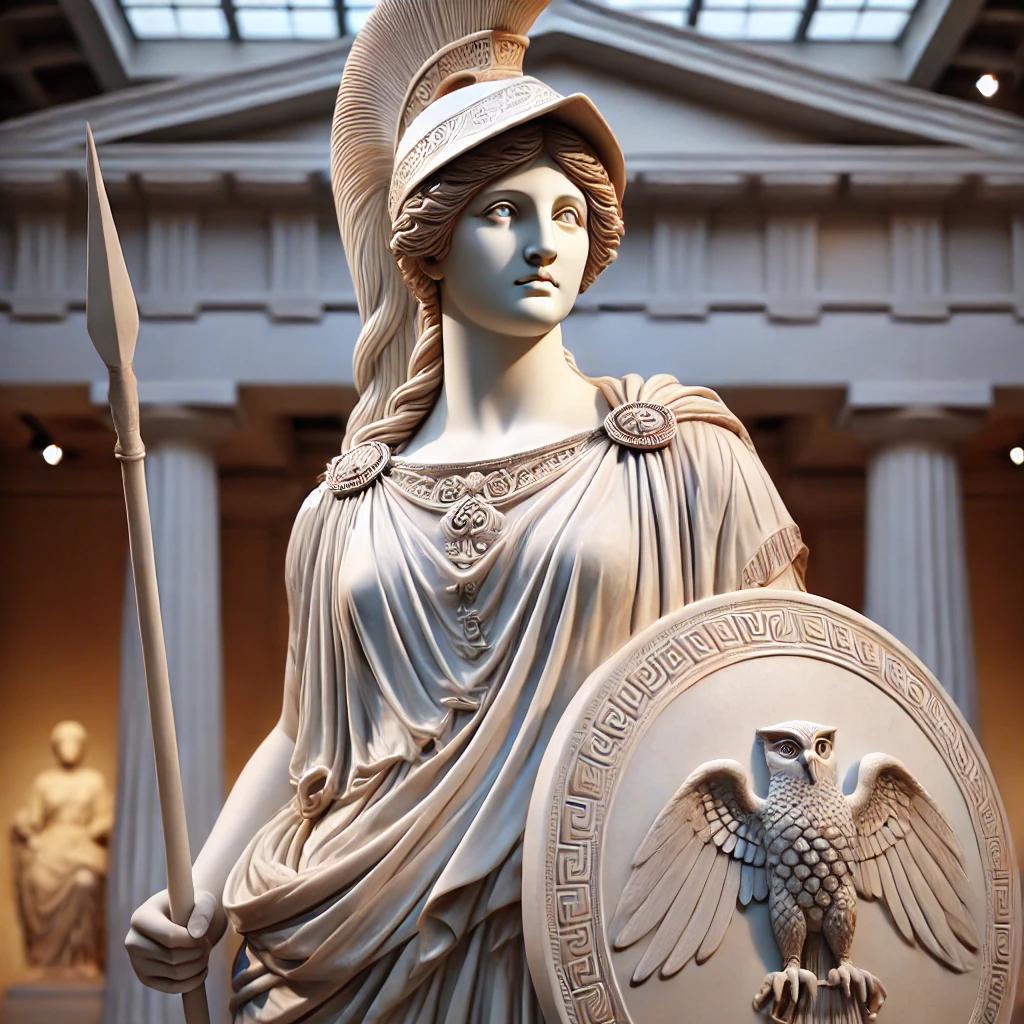
Athena
Athena is the goddess of wisdom, strategy, intelligence, war, art and craft in ancient Greek mythology. She is a figure revered by both gods and humans. In Ancient texts, Athena is described as rational, independent and masculine, making her one of the most powerful and original female figures in the Greek pantheon. She is also a notable figure in terms of the representation of women in mythology. Origin and Birth Athena’s birth is one of the most intriguing myths in Greek mythology. The goddess
EN
Eda Şengüler
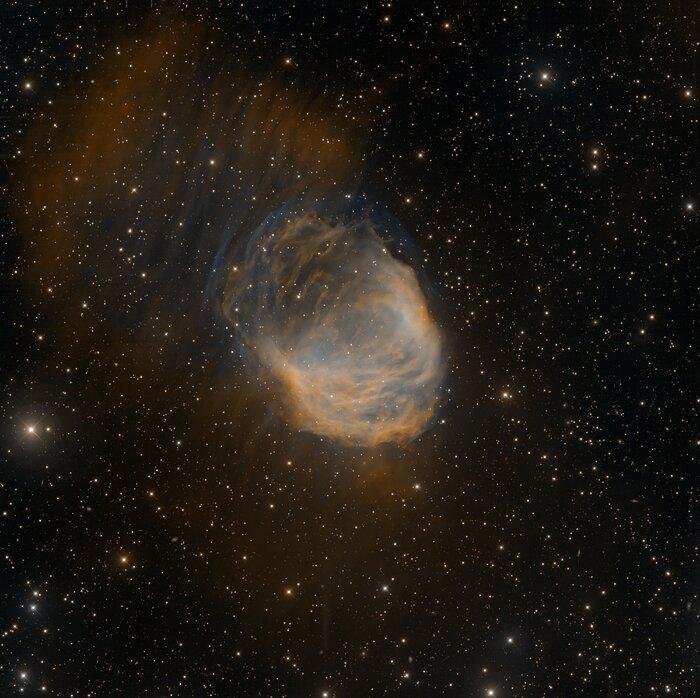
Medusa Nebula (Abell 21)
The Medusa Nebula, cataloged as Abell 21, is a planetary nebula located approximately 1,500 light-years from Earth in the direction of the Gemini constellation. It was first identified in 1955 by George O. Abell as part of his catalog of low-surface-brightness nebulae. The name "Medusa Nebula" derives from its visual resemblance to the snake-haired Gorgon Medusa from Greek mythology. However, this designation is symbolic and not used in scientific classification. Medusa Nebula. (NOIRLab) " image
EN
Osman Özbay
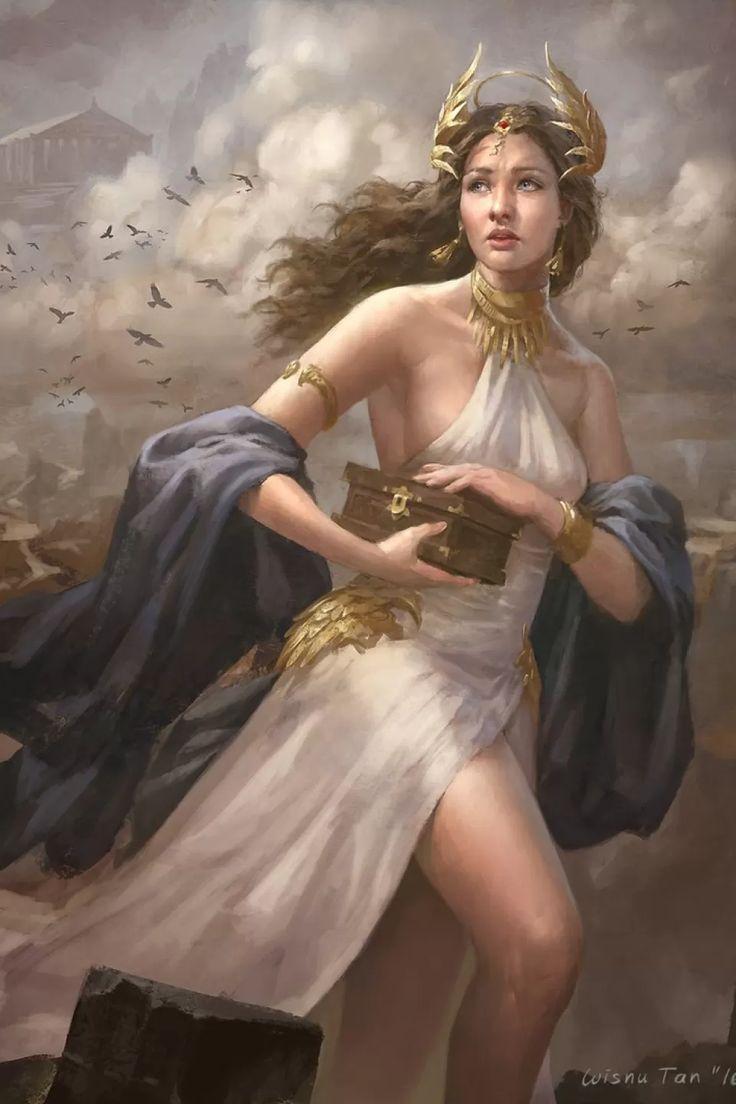
From Troy to the Present
There was a time when people spoke with gods, fate was written in the stars, and everything turned into myth… Greek mythology is not merely the story of the gods; it is also the tale of human passions, fears, weaknesses, and hopes. Beneath every stone lay a secret; behind every tree’s shadow hid a deity. Ancient Greece became the homeland of those who sought meaning beyond what was visible. Imagine once: The sky was filled with gods, the seas stirred by the prayers of mortals, and the winds whis
EN
Nefise Karabacak
ArAres
Ares is the god of war and destruction in Greek mythology. Born as the son of Zeus and Hera, Ares embodies pure violence, chaos, and devastation, in contrast to Athena, who represents the strategic and calculated aspects of war. Although known for his physical strength and martial prowess, he is disliked by the other Olympian gods due to his thoughtlessness and aggression. Ares represents the bloodiest and cruelest face of war in Greek mythology. Although a brave and fearless warrior, he often f
ENKübra Elçi
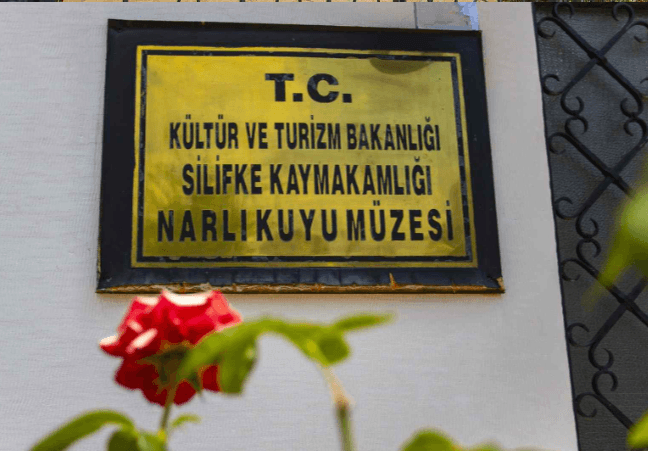
Narlıkuyu Mosaic Museum
Narlıkuyu Mosaic Museum is located in the village of Narlıkuyu, within the Silifke district of Mersin, Türkiye. The museum was constructed to preserve the mosaic floor of a Roman-era bathhouse uncovered during archaeological excavations carried out between 1975 and 1976. Situated approximately 20 kilometers from the center of Silifke, the structure contains both historically significant architectural remains and depictions from Greek mythology. The mosaic is preserved within the museum building
EN
Ahsen Güneş
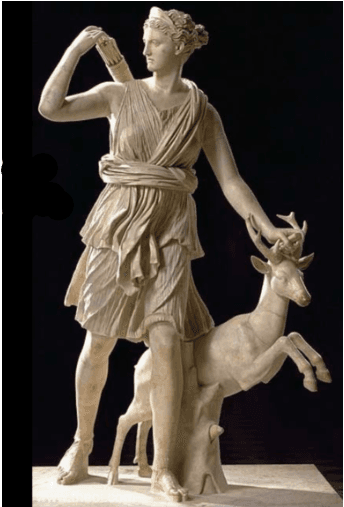
Aura Legend
Aura is a Titaness or nymph in Greek mythology personifying the wind, breeze, and fresh morning air. The daughter of the Titan Lelantos and Periboia, Aura appears in ancient texts primarily through her identity as a huntress, her emphasis on virginity, and her tragic fate. According to the detailed account in Nonnos’s Dionysiaca, Aura lived in the lands of Phrygia and accompanied the goddess of the hunt, Artemis. This figure, known for her physical speed and purity, represents in ancient literat
ENFerhat Çelik
PrPrometheus (English)
Prometheus is a central figure in Greek mythology, celebrated as a symbol of foresight, defiance, and the human quest for knowledge. A Titan by birth but a rebel in spirit, Prometheus is most renowned for stealing fire from the gods and giving it to humanity—an act that both empowered mortals and triggered divine retribution. His myth has been interpreted for centuries as an allegory of innovation, sacrifice, and the tension between authority and enlightenment. Gilded cast bronze sculpture of Pr
EN
Doğan Eşkinat
AmAmbrosia
Etymology The word ambrosia comes from the Greek root "ambrotos" (ἀμβρόσιος), which means “immortal” or “incorruptible.” In ancient Greek culture, ambrosia was exclusively consumed by the gods and was forbidden to mortals. Usage Mythology: In Greek mythology, ambrosia is frequently mentioned in Homer's Iliad and Odyssey as the primary sustenance of the gods. Literature: In ancient Greek and Roman texts, ambrosia symbolizes the divine and unattainable. Gastronomy: Today, some desserts or exotic d
EN
İsmail Aykurt
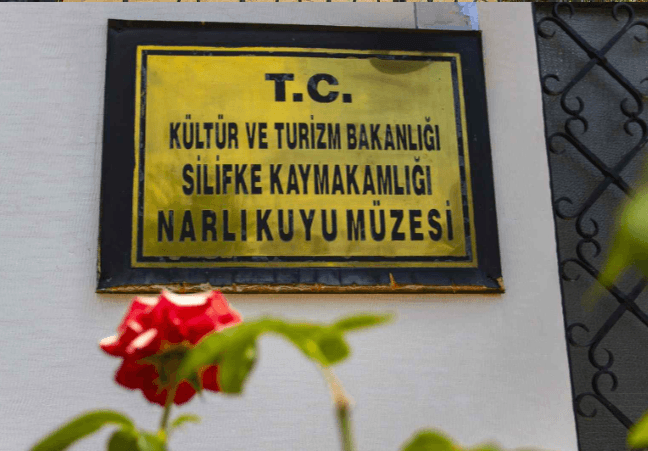
Narlıkuyu Mosaic Museum
Narlıkuyu Mosaic Museum is located in the village of Narlıkuyu, within the Silifke district of Türkiye’s Mersin province. The museum was constructed to preserve the mosaic floor of a Roman-era bathhouse uncovered during archaeological excavations carried out between 1975 and 1976. Situated approximately 20 kilometers from the center of Silifke, the structure contains both historically significant architectural remains and depictions from Greek mythology. The mosaic is protected within the museum
EN
Ahsen Güneş