

`flower` Related Article Results
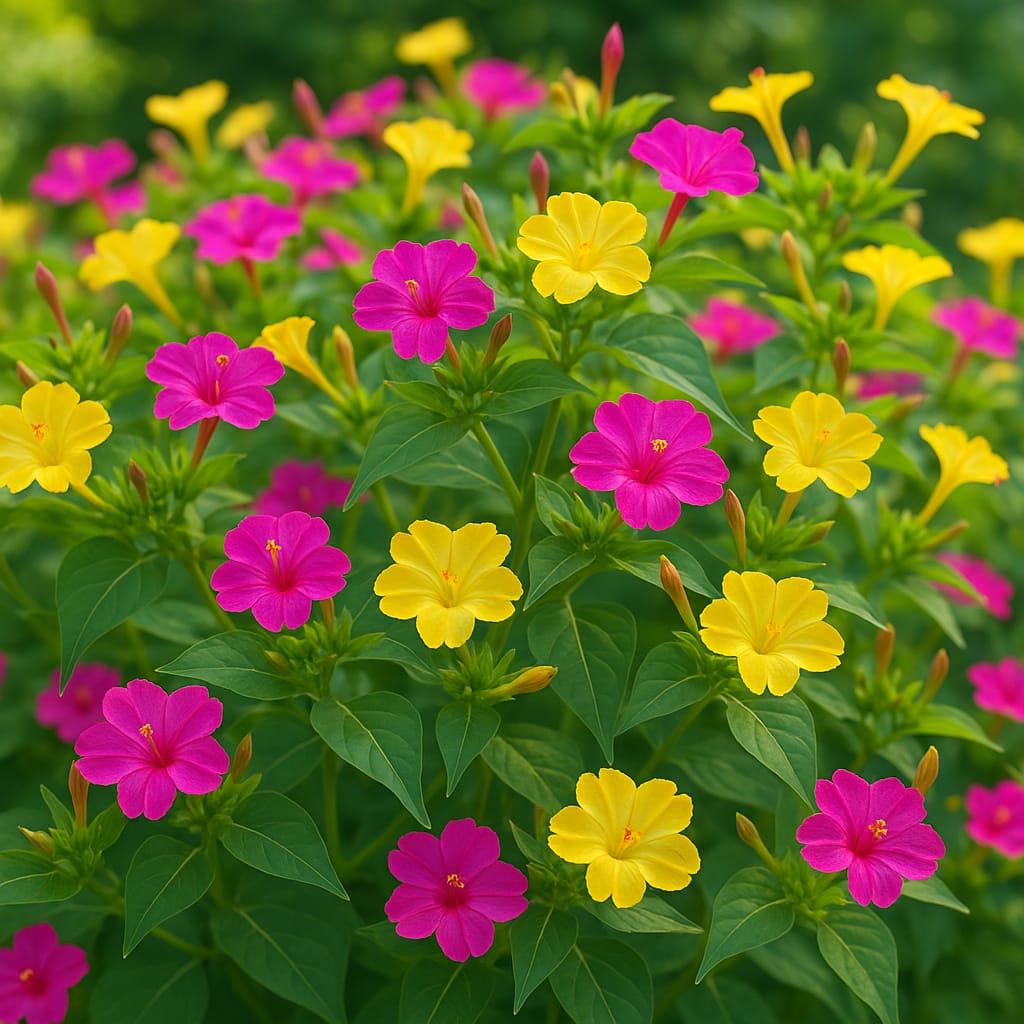
Evening Beauty (Mirabilis Jalapa)
Mirabilis jalapa L. (Nyctaginaceae) is a species that attracts interest from both botany and pharmaceutical sciences due to its morphological diversity biochemical composition and traditional medicinal applications. Cultivated as an ornamental plant in tropical and subtropical regions common, Mirabilis jalapa L. is known as “Four o’clock flower” people. Plant draws attention through its flowers opening in the later hours of the day its ability to display multiple flower colors on the same plant
EN
Emine Nur Demir
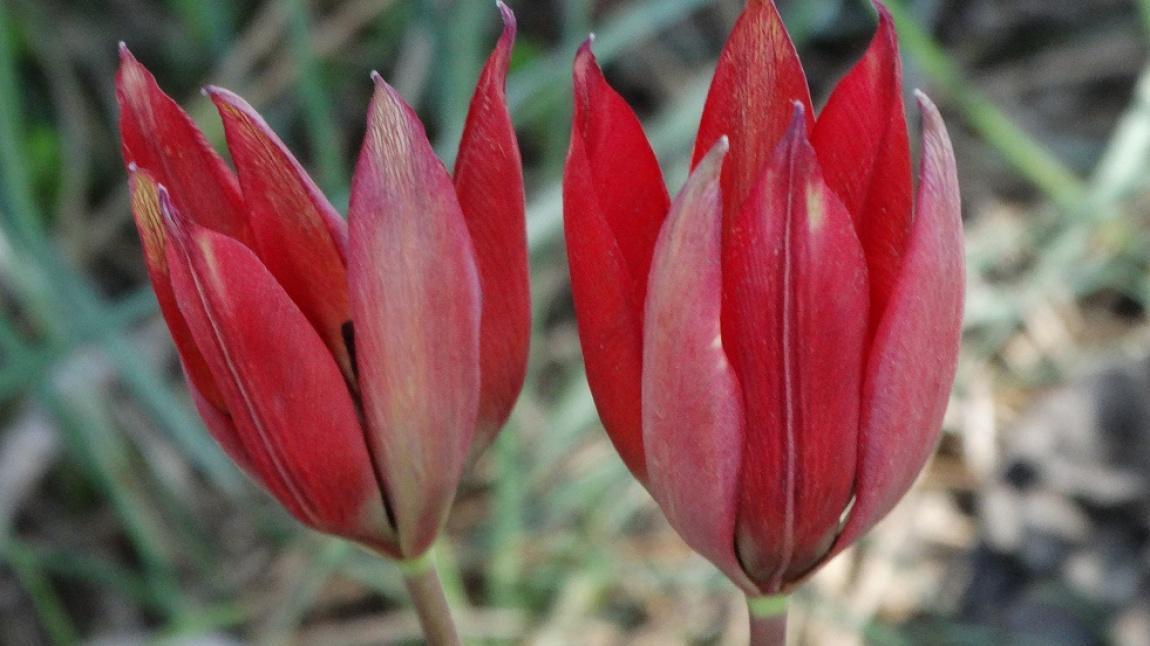
Manisa Lily (Tulipa orphanidea)
Manisa Tulip (Tulipa orphanidea) is an endemic plant species native to western Türkiye. It has a limited distribution, primarily growing in the Spil Mountain National Park. It blooms only once a year, during April and May, with a flowering period lasting approximately 15 to 20 days. Morphological Characteristics The Manisa Tulip reaches a height of 15 to 25 centimetres and typically has a slender, upright stem. Its leaves are greyish-green and strap-shaped. The flowers are usually orange, reddis
EN
Helin Aksoy
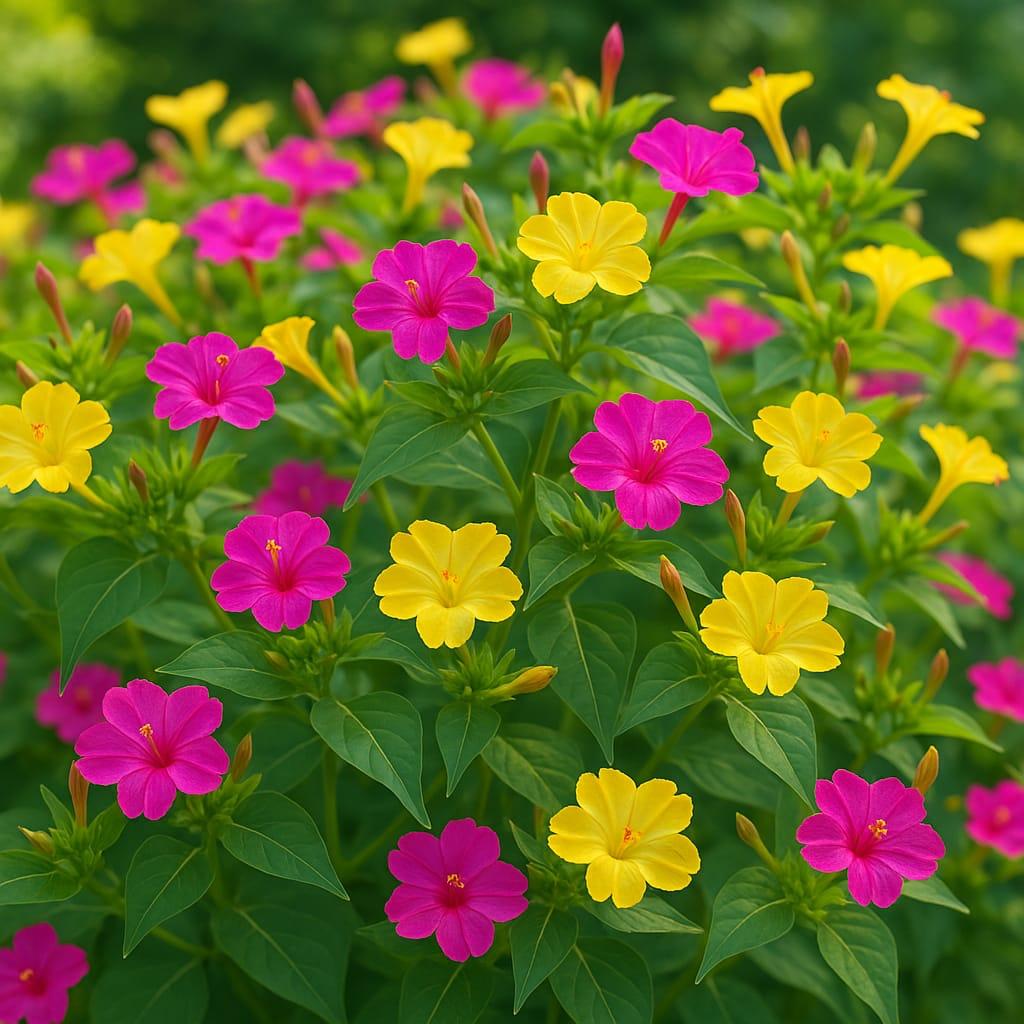
Evening Beauty (Mirabilis jalapa)
Mirabilis jalapa L. (Nyctaginaceae) is an important species that has attracted interest in both botany and pharmaceutical sciences due to its morphological diversity, biochemical composition, and traditional medicinal applications. Widely cultivated as an ornamental plant in tropical and subtropical regions, Mirabilis jalapa L. is known locally as “Evening Glory” (Four o’clock flower). The plant draws attention through its flowers that open in the late hours of the day, its ability to display mu
EN
Emine Nur Demir
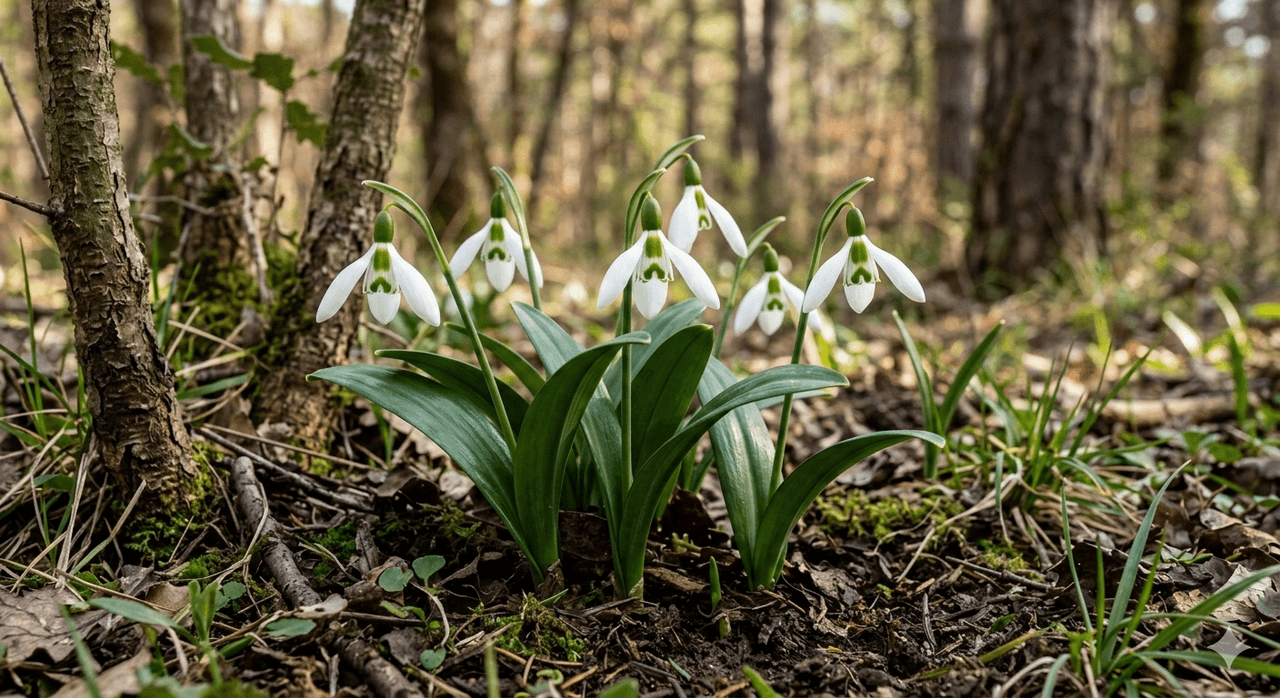
Trojan Snowdrop (Galanthus trojanus)
Troyan snowdrop (Galanthus trojanus) is a perennial, bulbous and endemic plant species belonging to the Amaryllidaceae (Narcissaceae) family. First described to the scientific community in 2002, this species is distinguished from other snowdrop species by its morphological characteristics. Particularly its broad and bright green leaves and the characteristic green markings on the inner tepals form the defining features of the species. With a limited distribution range, the Troyan snowdrop snowdr
ENElifnur Döker
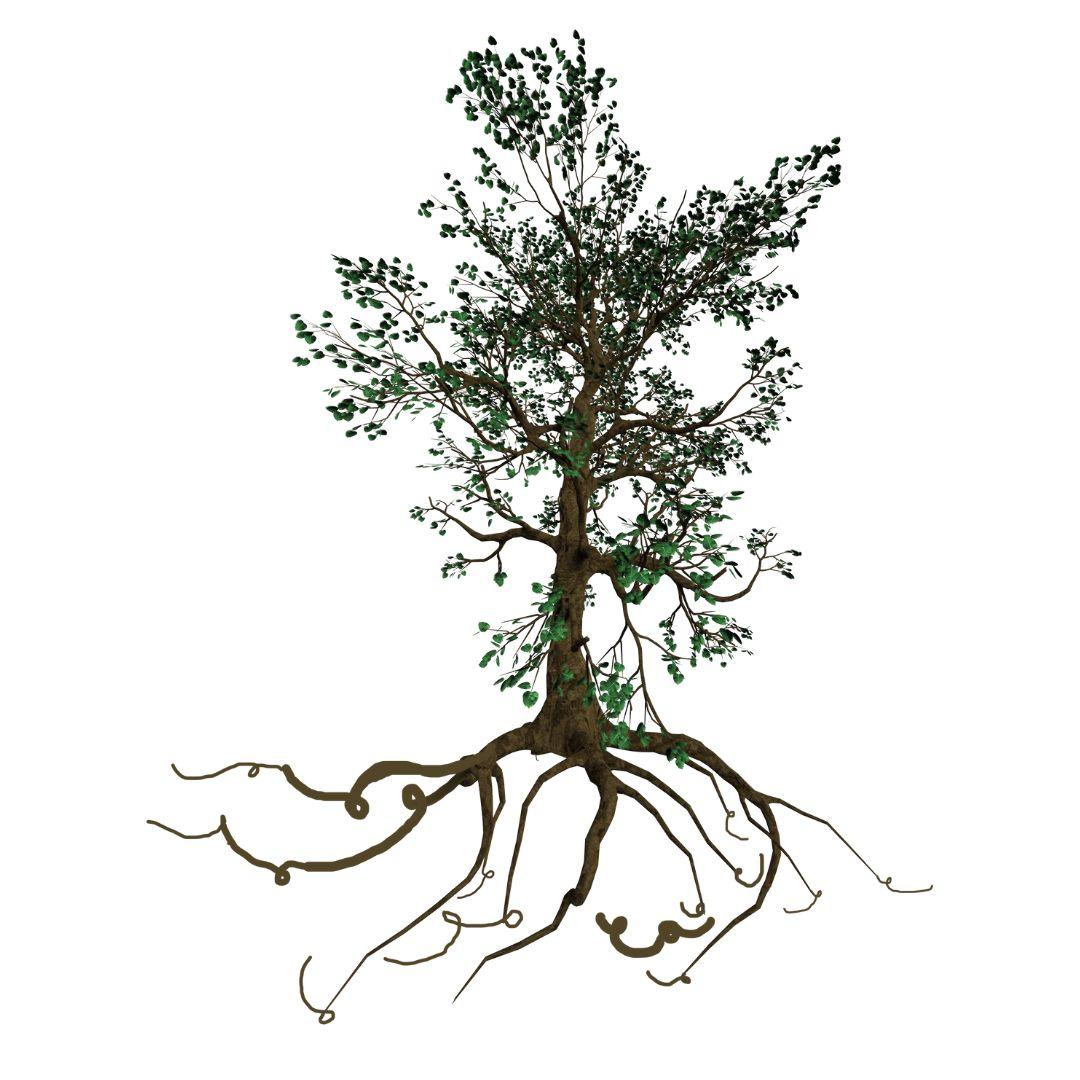
Structure of Plants
The structure of plants consists of multiple layers made up of various organs and tissues, designed to enable interaction with environmental factors and ensure survival. Each structural component assists the plant in meeting its fundamental needs for nutrients, water, light, and air like, while also regulating essential life processes such as growth, development, and reproduction. The interaction among Root, body, leaf, flower, and fruit among main organs ensures that all plant functions operate
ENKazım Can Özdemir
 Ka
KaKasımpatı flower
Chrysanthemum morifolium ramat., a perennial herbaceous ornamental plant belonging to the Asteraceae (Compositae) family, is commonly known as chrysanthemum. Its natural distribution area is Asia, where it has played a particularly important role in Japan and China. Due to its aesthetic value and commercial potential, it is widely used in cut flower and landscape applications. Plant is known for flowering under short day conditions, and for this reason it is also called the "November flower". Bo
EN
Burcu Sandıkçı

Ottoman Flower Culture
Flowers in the Ottoman State have been an inseparable part of social life, art, and daily communication. Especially from the 16th century onward, the appreciation of flowers that developed within the palace circles and among the general public transcended mere aesthetic value and acquired profound symbolic meanings. Flowers were used as motifs across a wide range of domains—from book arts to architecture, from textiles to tombstones—and simultaneously formed the foundation of a secret symbolic l
EN
Yağmur Binici

Arife Flower
Arefe Çiçeği is defined as a social and cultural practice directed toward children on the Arefe day, which occurs just before Ramadan and Eid al-Adha. This practice is shaped around various activities and assistance aimed at enhancing children’s participation in the festive joy of the holidays. The concept of Arefe Çiçeği is addressed both within traditional cultural practices and within social responsibility projects carried out by civil society organizations today. The Concept and Meaning of A
EN
Ayşe Gül Bora
KaKasimpata flower
Kasimpati, Latin adıyla Chrysanthemum morifolium Ramat., Asteraceae (Compositae) familyasına ait, çok yıllık ve otsu bir süs bitkisidir. Doğal yayılış alanı Asia olup, özellikle Japonya ve Çin’de important rol oynamıştır. Estetik değerleri ve ticari potansiyeli nedeniyle kesme flower ve landscape uygulamalarında common olarak kullanılmaktadır. Plant, short day koşullarında çiçeklenmesiyle bilinir ve bu özelliği nedeniyle “kasım çiçeği” olarak da adlandırılmıştır. Botanik Özellikleri Kasimpati bi
EN
Burcu Sandıkçı
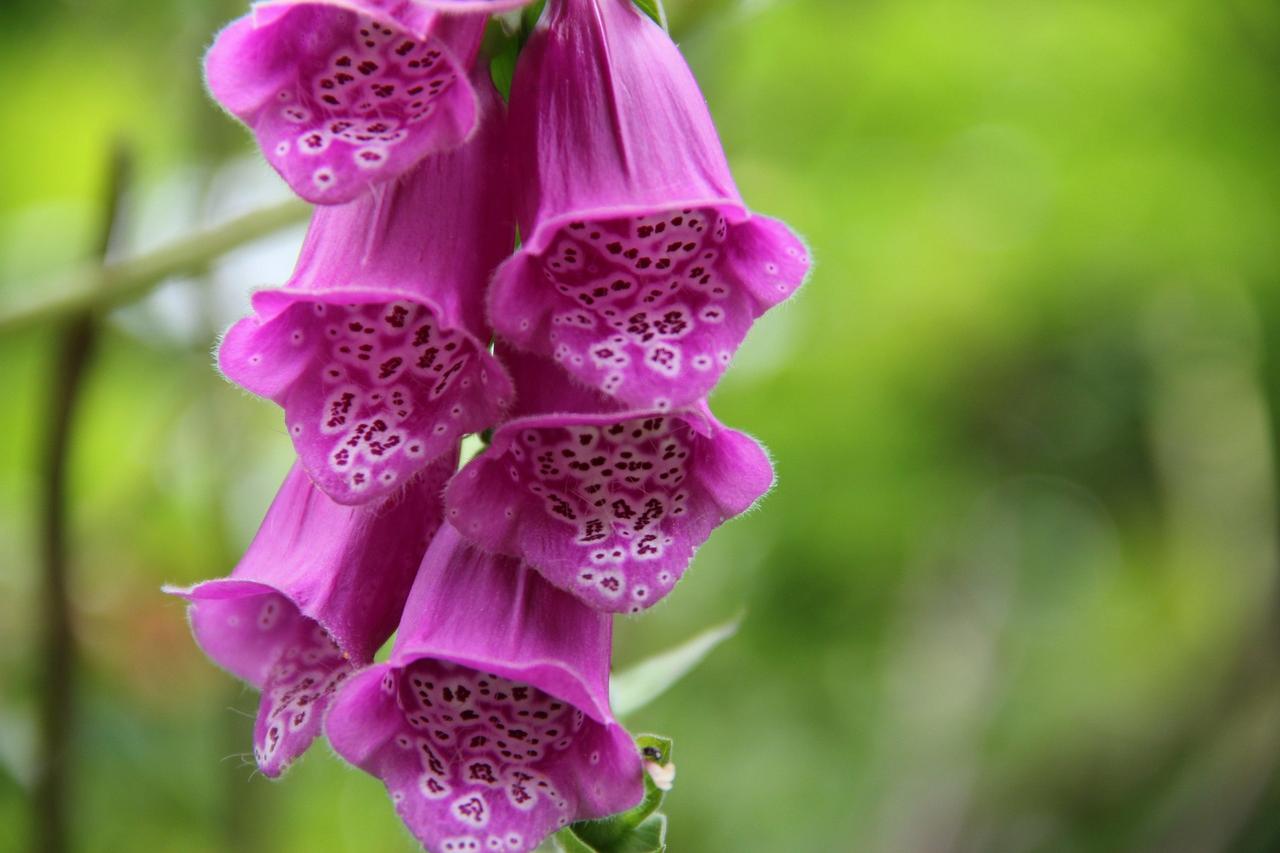
Yüksük Otu
Digitalis, scientifically known as Digitalis, is a herbaceous flowering plant genus primarily used as a raw material for heart medications. It typically features flowers in colors such as purple, pink, and white, with bright yellow buds at the tips of long, thick flower stalks, pendulous flowers arranged in a row along one side of the stalk, and broad, hairy leaves at the base. The compounds digitoxin and digoxin contained in the plant are used to regulate heart rhythm. However, due to its toxic
ENGülhan Dağ