

`economichistory` Related Article Results

Investment
Today you can eat the apple in your hand right away, or you can plant its seeds in the soil and patiently wait to one day own a vast apple orchard. This is exactly what investment is: the process of using our current resources—usually money or time—to generate greater returns in the future. It is not only the wealthy who can invest; even children with small savings in their piggy banks can invest for their future dreams. Visual representing investment. (Generated by artificial intelligence.) " i
EN
Seda Nur Nacar
Exchange
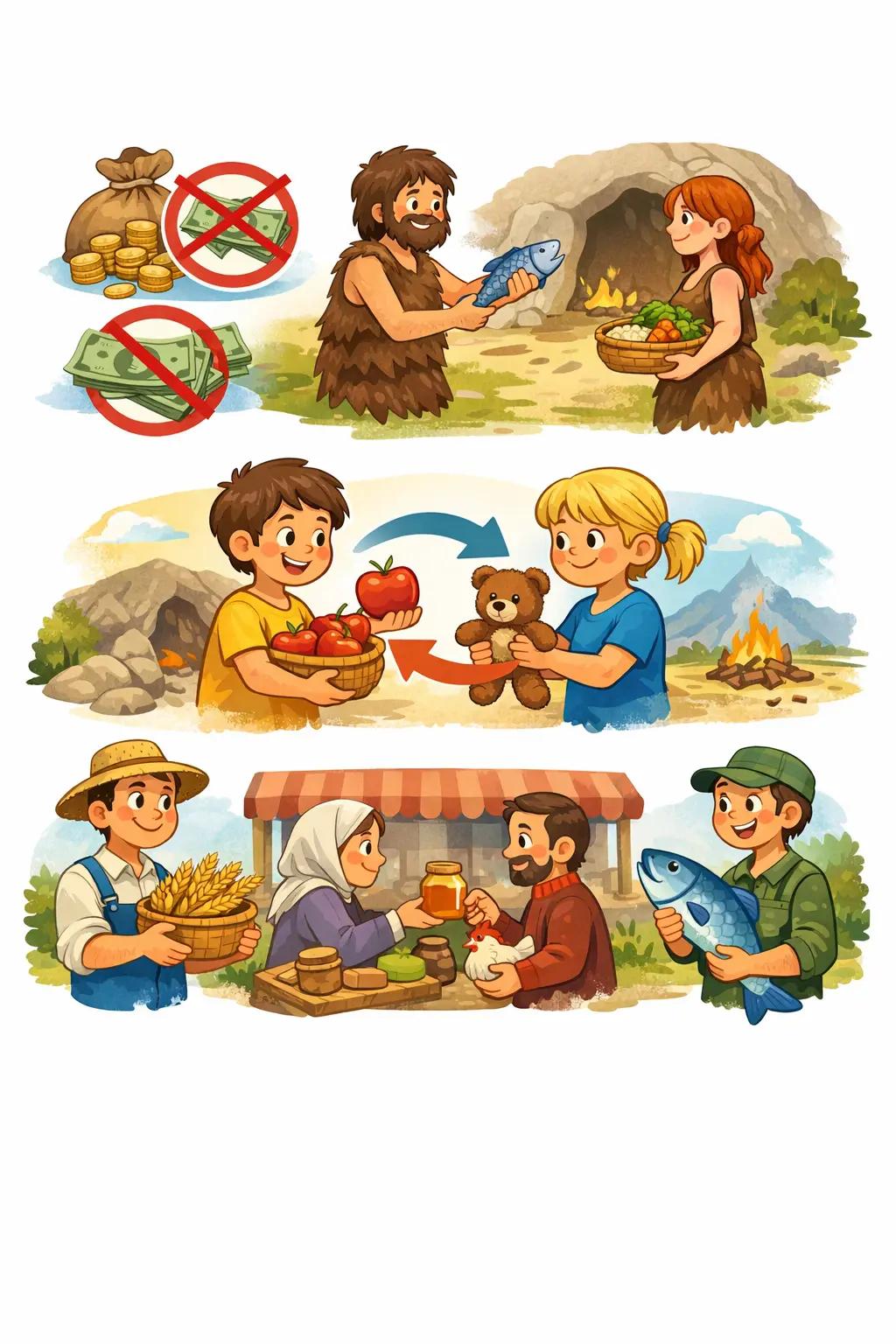
Have you ever traded a toy with a friend for something you really loved? What you just did is actually the world’s oldest method of exchange: barter! Let’s travel back to a time before money was invented and explore this fascinating journey of goods together. The Friendship of Goods: What Is Barter? Barter is the exchange of a good or service for another good or service without using money. In ancient times, people could not produce everything they needed themselves. For example, a skilled fishe
ENSeda Nur Nacar
Urbanization
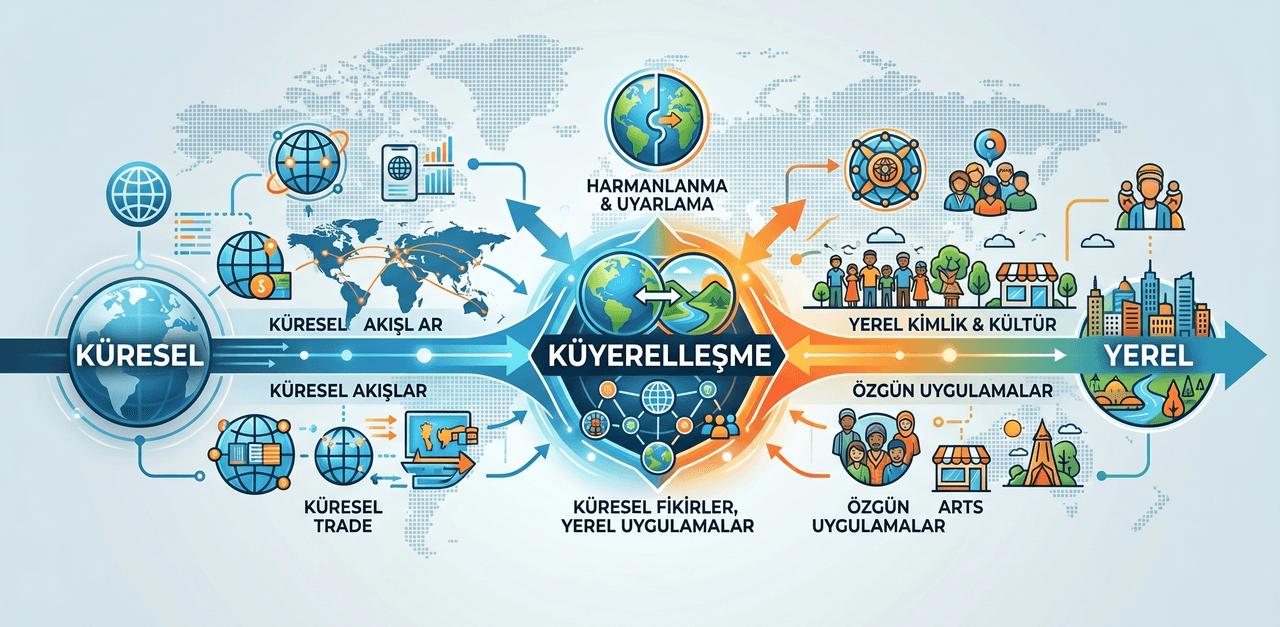
Glocalization is a sociological and economic concept that refers to the adaptation and reproduction of global products, services, ideas, and structures according to local conditions, needs, and cultural values. The term is derived from the combination of the English words "globalization" and "localization" and is fundamentally formulated as "think globally, act locally." The glocalization process assumes that global and local dynamics do not exclude or eliminate each other but rather interlock t
EN
AYŞE TUBA KESKİL
Bender Abbas Port
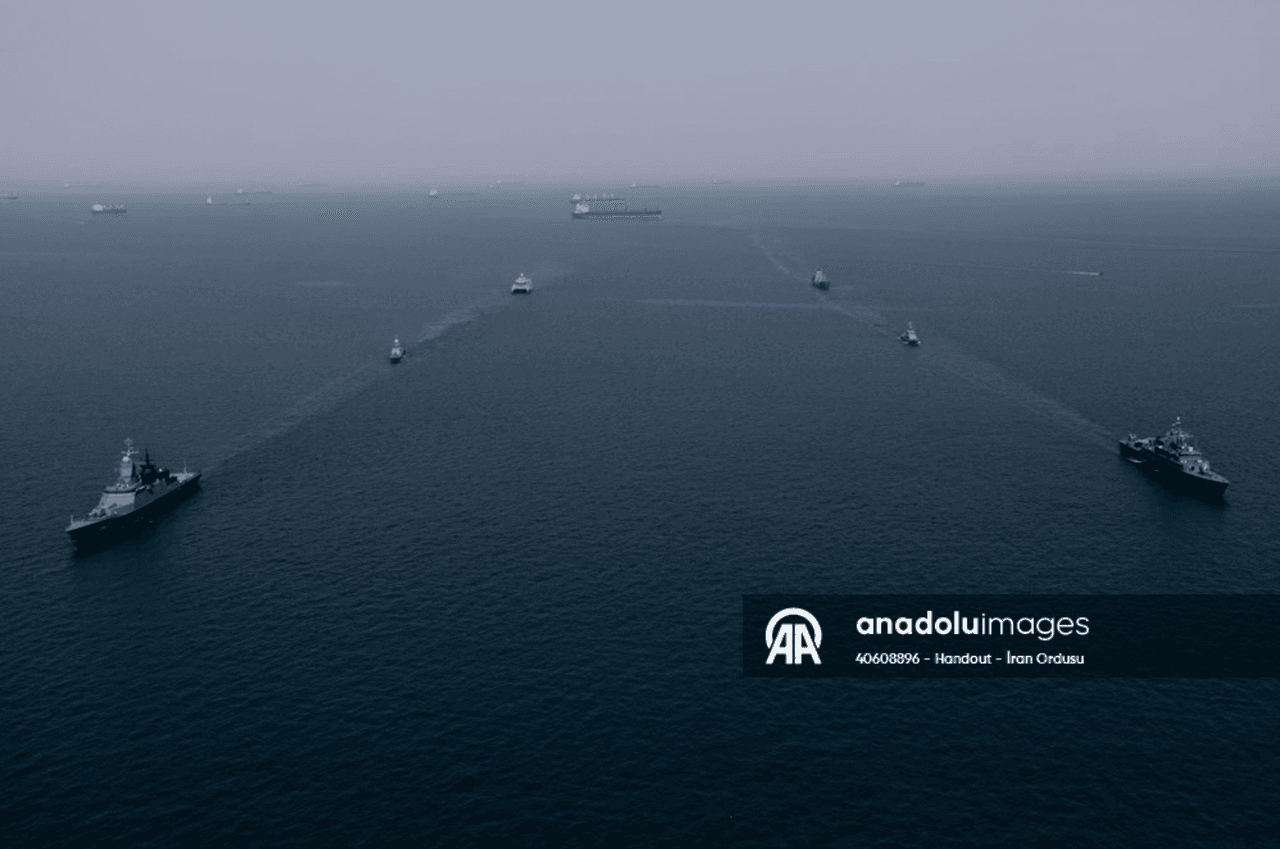
Bender Abbas is a strategic port city located in southern Türkiye, at the Strait of Hormuz, which has historically served as a crossroads of global maritime trade routes. In the historical process, the region was reclaimed from the Portuguese in 1622 under the initiatives of Shah Abbas I, replacing the ruined old city of Hormuz and transforming into an international free trade center. During the 19th century, as part of Britain’s strategy to expand its commercial hinterland, the city became a fo
EN
Azra Karaca
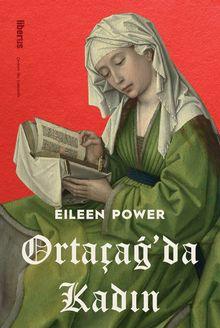
Invisible Women of the Middle Ages: Hidden Actors in History from Eileen Power’s Perspective
When flipping through the pages of history, especially when the Middle Ages are concerned, we are often confronted with two extreme figures: noble ladies awaiting rescue in their towers, immortalized in poetry (the queens of courtly love literature), or saints cloaked in divine silence along the dim corridors of monasteries. But what about the rest? Where are the millions of “ordinary” women who toiled in the fields with the plow, wove cloth in town markets, traded silk, and struggled day and ni
EN
Gökçe Baykurt

Shopping
Shopping refers to any activity we undertake to acquire something we need, such as a toy, fresh fruit, or new clothing. The process is completed when a person sells a product and we pay money in return. Shopping is not only about acquiring goods; it is also a bond and form of communication between people. A Journey Through Time The word “shopping” is actually very old and was used in Uyghur texts around 1,300 years ago as “alış bėriş.” The ancient Turks also used different terms such as “alı sat
ENSeda Nur Nacar