

`culturalidentity` Related Article Results
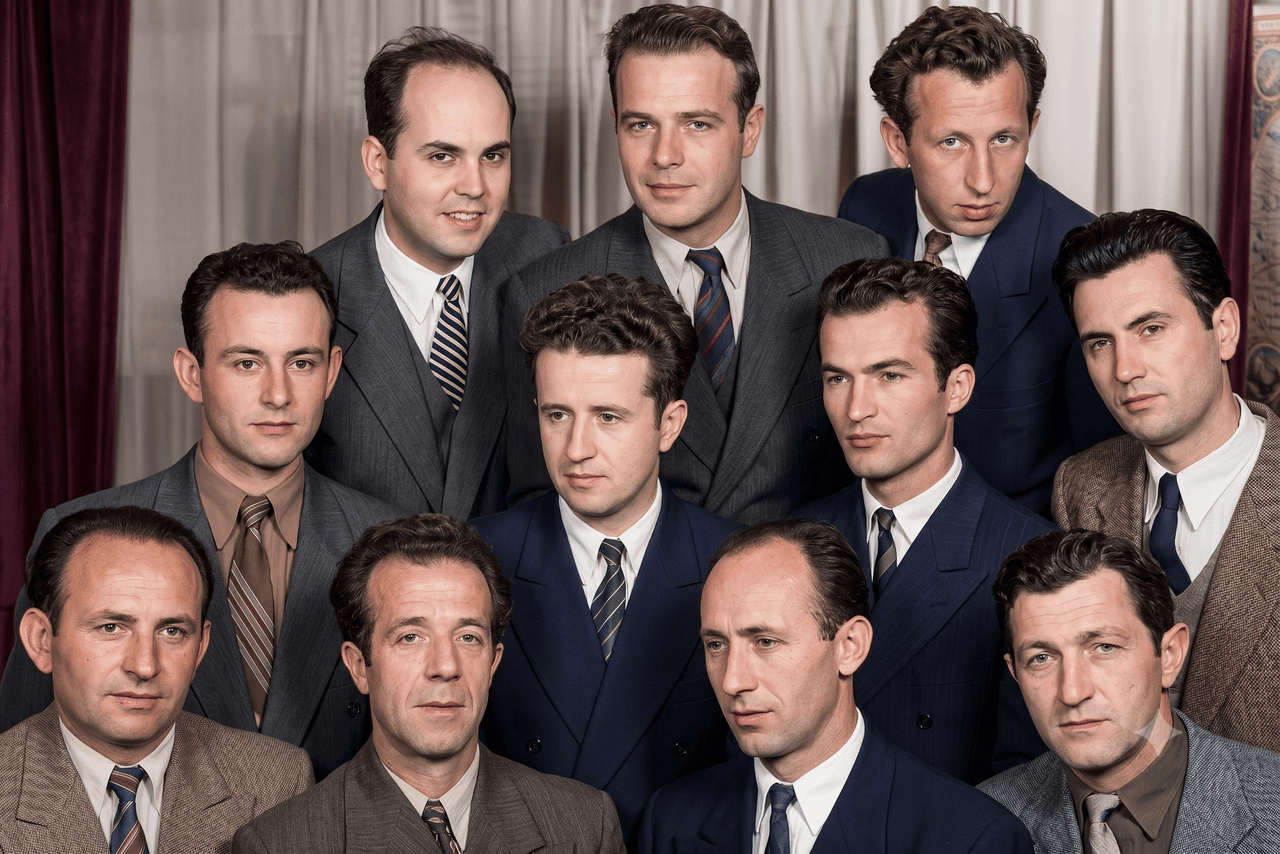
Yücelciler
Yücelciler (Yücel Organization) is a secret Turkish organization established to preserve the national, cultural, and religious identity of the Turks living within the borders of the Socialist Federal Republic of Yugoslavia after World War II, particularly in Macedonia. Founded in 1941 with its center in Skopje, the organization aimed to foster national consciousness among Macedonian Turks primarily through educational, cultural, and media activities.【1】 Key figures in the founding of the organiz
EN
Zeyneb Kurun
Say "Hello": A Meaningless Rebellion Against Cultural Imperialism
Cultural imperialism may sound at first like a grandiose political concept, but when we look at how it manifests in everyday life, it often plays out like a tragicomic scene: we sing along to English songs whose meanings we don’t understand, we yearn to live amid the sets of Netflix series filmed in cities we’ve never visited, and so on... So yes, cultural imperialism is a huge absurdity. But precisely because of this absurdity, it works so effectively: it shapes our minds, our desires, our tast
EN
Ayşe Aslıhan Yoran

Matraka
Matraka (or its Spanish spelling, matraca) is a traditional percussive instrument and noisemaker belonging to the idiophone family. Typically made of wood, it produces sound through the mechanical interaction of a toothed wheel mounted at the end of a handle and one or more wooden hammers or flexible elements that strike the wheel as it rotates. When spun manually in a circular motion, the matraka generates a high-pitched, clattering, and continuous noise. Historically, it has been used in relig
EN
Burak Enes
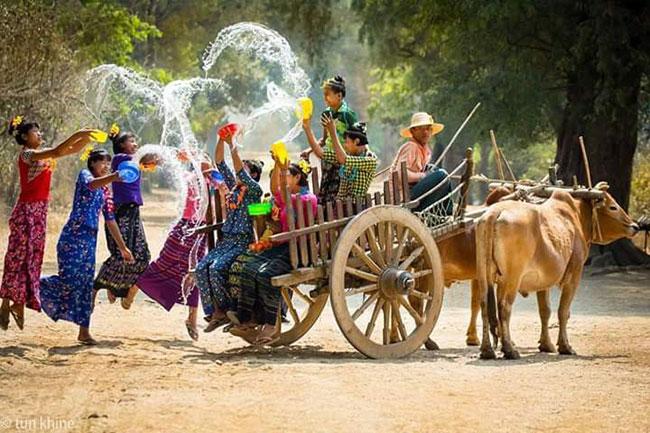
Atã Thingyan Festival
Thingyan (officially Atā Thingyan), is the traditional Water Festival of the New Year in Myanmar. One of the country’s oldest and most widespread cultural events, the festival centers on the themes of purification, renewal, and social unity as the new year begins. For the people of Myanmar, Thingyan is not merely a calendrical transition but a collective cultural practice symbolizing the symbolic cleansing from the negativity of the past year and preparation for a fresh start. In this sense, the
EN
Fatma Fırat
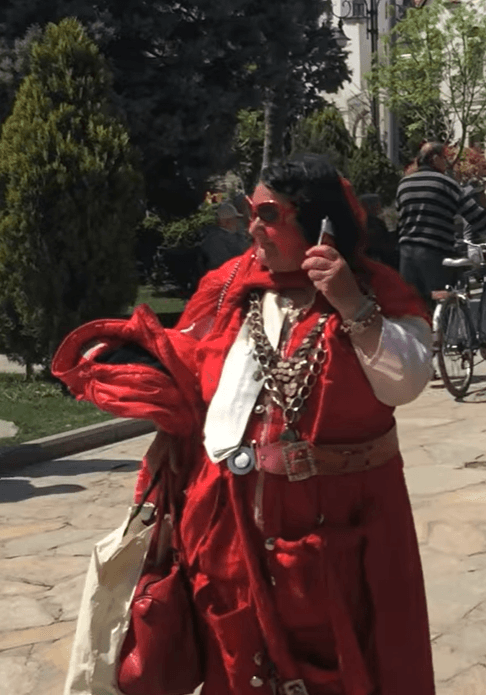
I wore a dress of blood; I would never have wanted them to change it.
The title of our article is taken from a poem written by Sezai Karakoç in February 1959. However, in this piece we will address a different subject than a poetic analysis: wearing a dress stained with blood and never wanting to change it… The poem begins with these lines: “You added something of yourself You made death beautiful”【1】 Today I learned of the death of Sultan Özcan, known on social media as “the red-clad woman.” Who was this red-clad woman and why were they calling her that? I first
EN
Nurten Yalçın
Urbanization
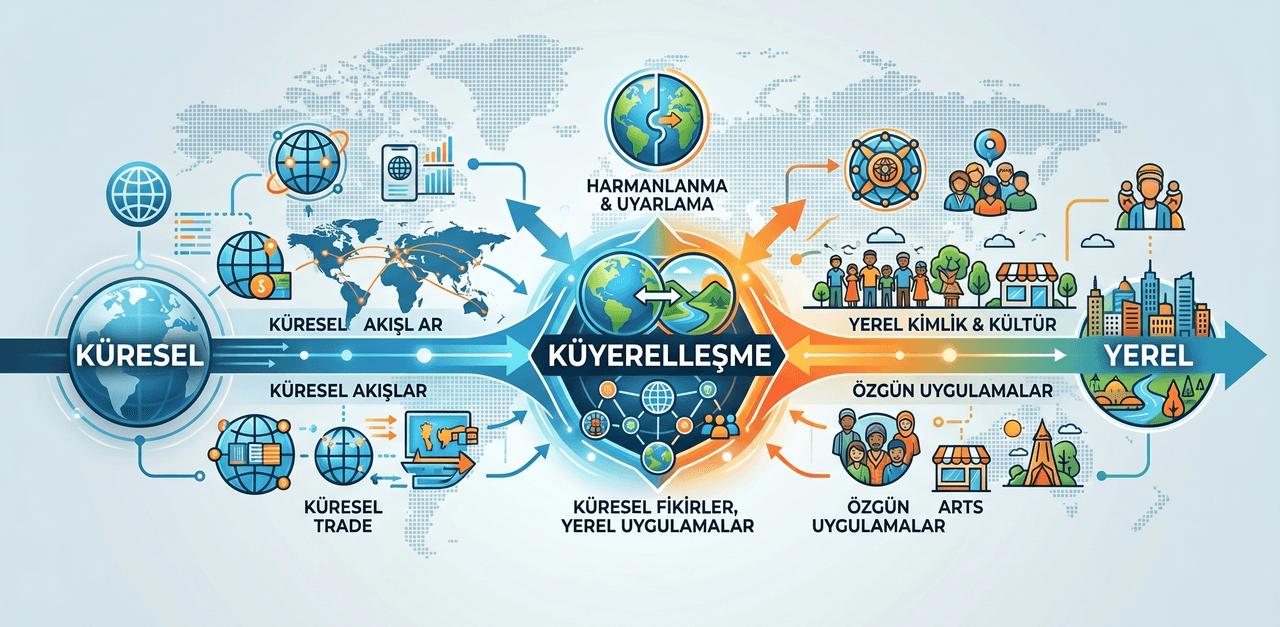
Glocalization is a sociological and economic concept that refers to the adaptation and reproduction of global products, services, ideas, and structures according to local conditions, needs, and cultural values. The term is derived from the combination of the English words "globalization" and "localization" and is fundamentally formulated as "think globally, act locally." The glocalization process assumes that global and local dynamics do not exclude or eliminate each other but rather interlock t
EN
AYŞE TUBA KESKİL
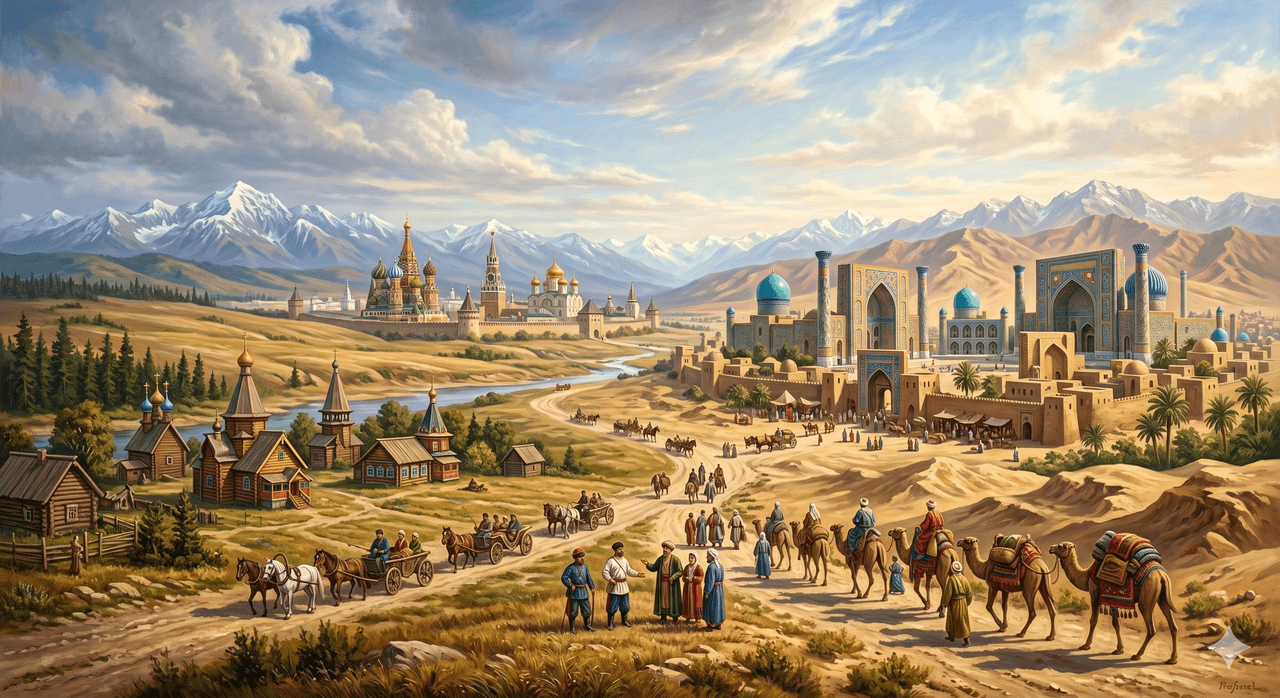
Russians and Turkistan
When the Russians first appeared on the historical stage, they generally faced the dominance of Turkic peoples in Europe in both geographical and military terms. This social structure, which was minimally developed in early periods, has even been described in some sources as culturally quite primitive. Indeed, it is well known that the earliest Russian communities significantly benefited from and were influenced by the culture and civilization of the Turkic peoples in the region. Struggling to s
EN
Mustafa Cem İnci
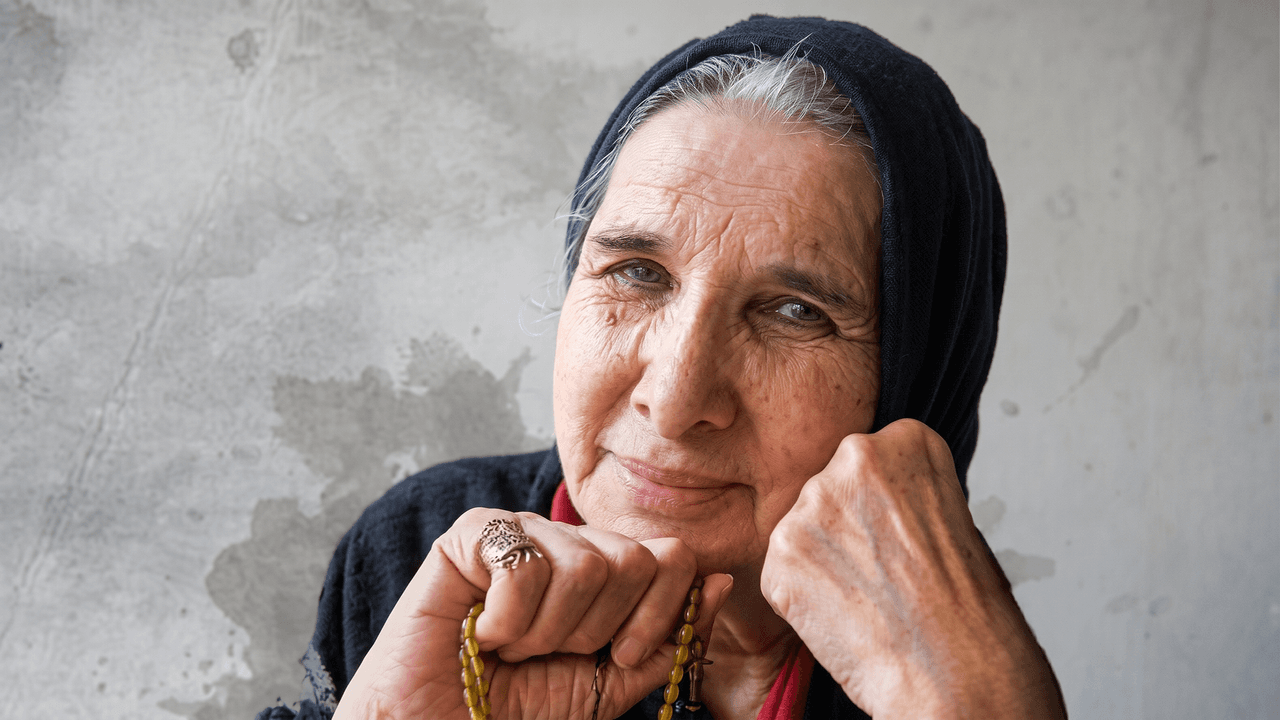
Ayşe Şasa
Ayşe Mihriban Şasa (1 February 1941, Istanbul – 16 June 2014, Istanbul) was a Turkish screenwriter and writer. She authored screenplays for numerous films during the Yeşilçam era and played a significant role in Turkish cinema and cultural life through her cinematic writings memoirs interview books and literary works. Her life was shaped around her childhood years education journey transition to cinema period of psychological distress years of seclusion and her relationship with Sufi thought. Li
ENNurten Yalçın