


This article was automatically translated from the original Turkish version.
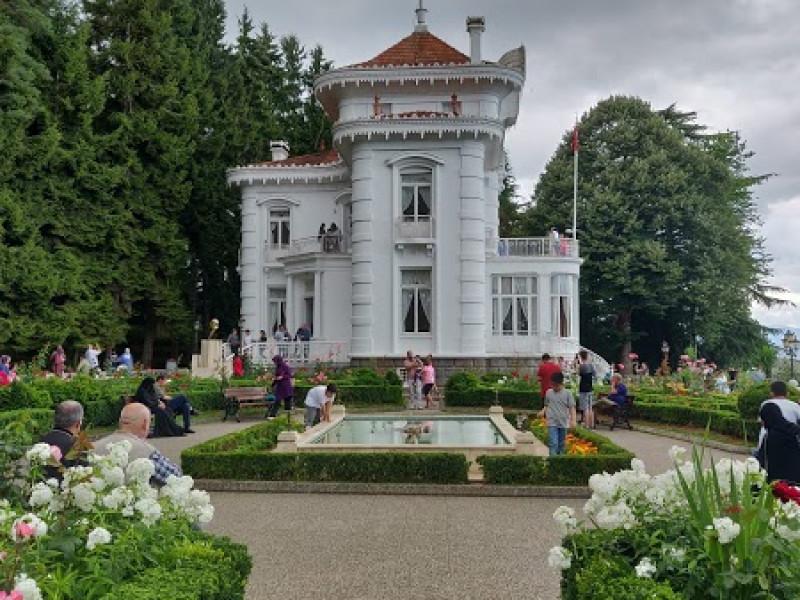
Trabzon Atatürk Pavilion
Location | Soğuksu Trabzon | ||||||||
|---|---|---|---|---|---|---|---|---|---|
Construction Date(s) | late 19th century | ||||||||
Architectural Design | Western Renaissance | ||||||||
Trabzon Atatürk Köşkü is a structure located in the Soğuksu neighborhood of Trabzon province, place distinguished by its historical fabric and important significance. This pavilion, where Atatürk stayed during his visits to Trabzon in the Republican era, draws attention through its architectural features and historical background. Today, serving as museum, Atatürk Köşkü is an important destination for both domestic and foreign tourists.
Atatürk Köşkü was constructed in the late 19th century and exhibits influences of West Renaissance architecture. The villa is a three-story building notable for its spacious balconies and ornamental details. The use of Wood and stone materials gives the structure decorative elements that reflect the aesthetic sensibilities of its time.
Mustafa Kemal Atatürk stayed at this villa during his visits to Trabzon in the 1930s and made several decisions related to country administration here. After Atatürk’s death, the villa was converted into a museum and opened to the public.
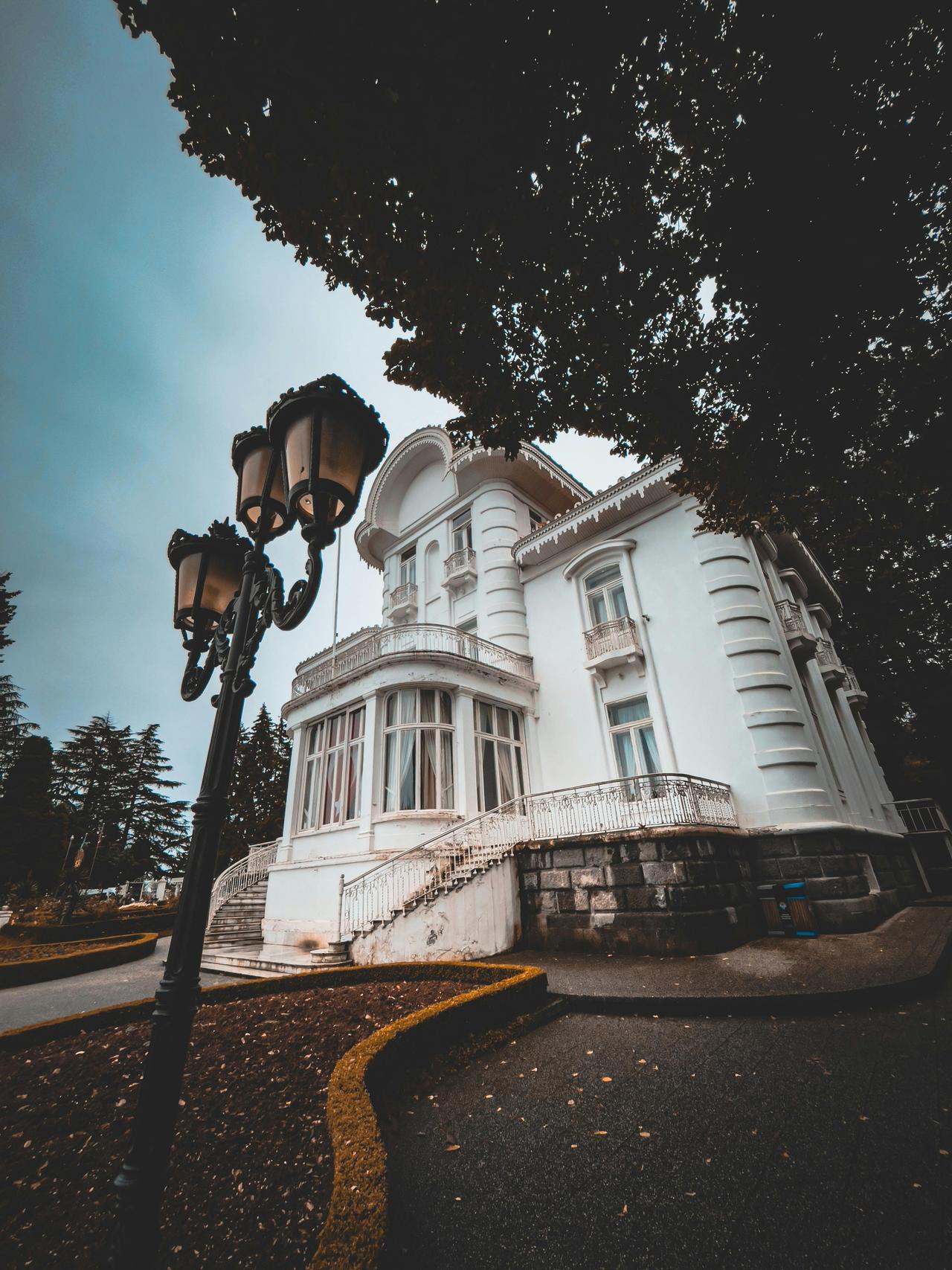
Inside Atatürk Köşkü, personal belongings of Atatürk, period documents and furniture are displayed. Additionally, various photographs and artifacts shedding light on the history of the Republic are exhibited within the museum. The interior spaces feature paintings and decorative elements that reflect the artistic sensibilities of the era. One of the most significant sections of the museum is the room believed to be where Atatürk wrote his will. This room holds special emotional value for visitors and reinforces the historical importance of the villa.
Atatürk Köşkü is among Trabzon’s key tourist destinations and serves as an important gravity center for history and culture enthusiasts. Its close location near the city center ensures easy access for visitors. In addition, the Soğuksu neighborhood where the villa is situated attracts interest with its natural beauty and panoramic views of Trabzon.
Visitors can gain detailed information about Trabzon’s history and Atatürk’s memories here through guided tours of the villa and its surroundings. Furthermore, souvenir sections within the villa allow visitors to take home mementos of their visit.
Anadolu Ajansı. "Trabzon'daki Atatürk Köşkü 2024'te 300 Bin'in Üzerinde Ziyaretçi Ağırladı." Anadolu Ajansı, January 10, 2024. Accessed March 12, 2025. https://www.aa.com.tr/tr/kultur/trabzondaki-ataturk-kosku-2024te-300-binin-uzerinde-ziyaretci-agirladi/3453311
Photograph https://www.pexels.com/tr-tr/fotograf/turkiye-hindi-dar-acili-cekim-trabzon-9665019/
T.C. Kültür ve Turizm Bakanlığı. "Atatürk Köşkü." Accessed March 12, 2025. https://trabzon.ktb.gov.tr/TR-57781/ataturk-kosku.html
T.C. Kültür ve Turizm Bakanlığı. "Trabzon - Atatürk Köşkü." Accessed March 12, 2025. https://www.ktb.gov.tr/TR-96386/trabzon---ataturk-kosku.html
Trabzon Atatürk Pavilion
Location | Soğuksu Trabzon | ||||||||
|---|---|---|---|---|---|---|---|---|---|
Construction Date(s) | late 19th century | ||||||||
Architectural Design | Western Renaissance | ||||||||
No Discussion Added Yet
Start discussion for "Trabzon Atatürk Pavilion" article
Architectural and Historical Features
Museum and Exhibition Spaces
Touristic and Cultural Values