

`childdevelopment` Related Article Results
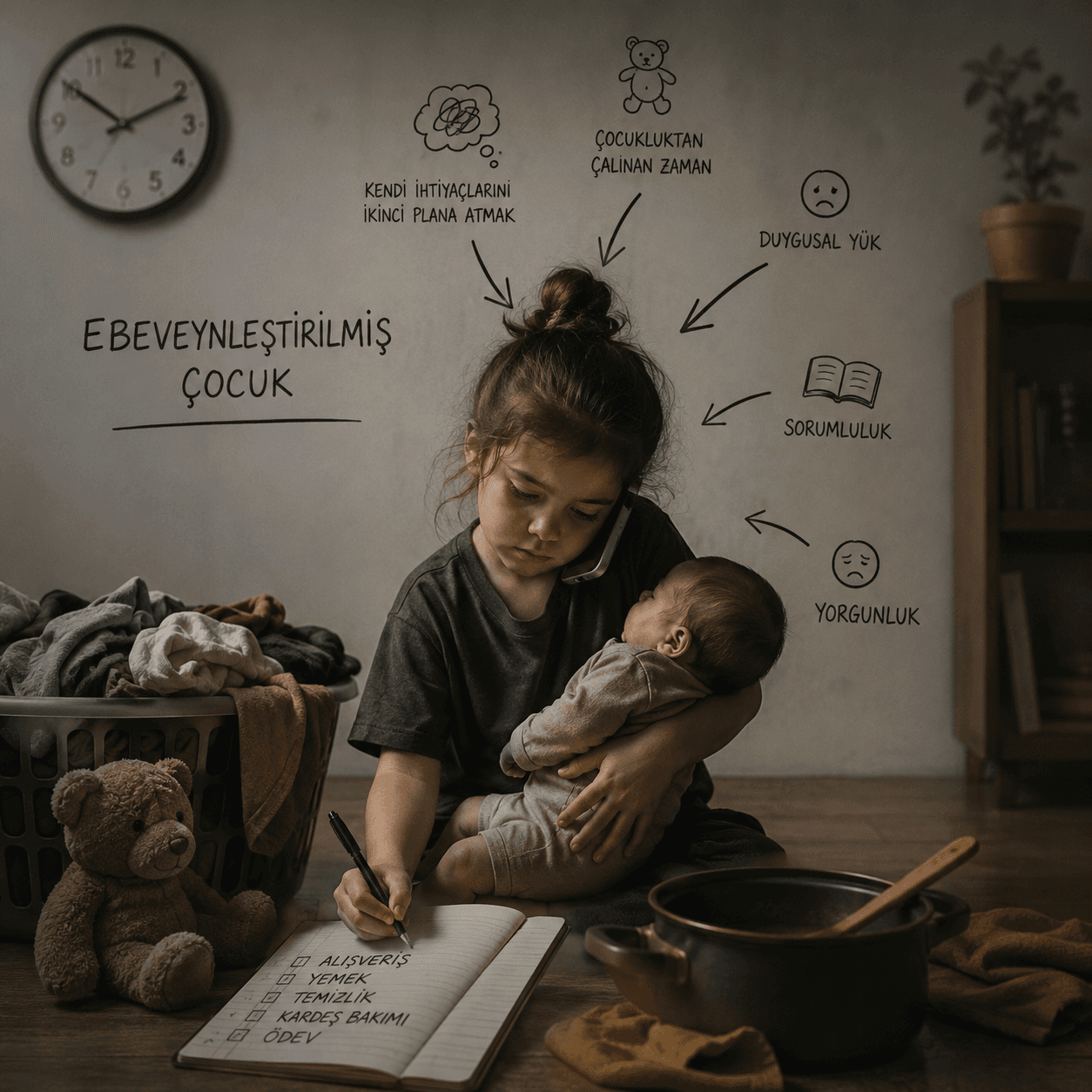
Parenting
Parentification is a disrupted family interaction pattern in which a child assumes roles and responsibilities inappropriate for their developmental level and age in an attempt to meet the physical or emotional needs of their parents. In psychological and family systems literature, this concept, also known as role reversal, dissolution of intergenerational boundaries, or overburdened child, was first defined by Minuchin and colleagues under the term parent-child. 【1】 Later, representatives of con
EN
Nida Üstün

Electronic Nanny
The term electronic nanny refers to the role assumed by electronic and digital media tools, particularly television, in the care and supervision of children. This concept describes how children are occupied by media devices during times when they are not meeting biological needs, replacing direct adult involvement. Originally emerging in the context of television, the concept of the electronic nanny has expanded to include the internet, smartphones, tablets, and other digital devices alongside t
EN
Meltem Özmen
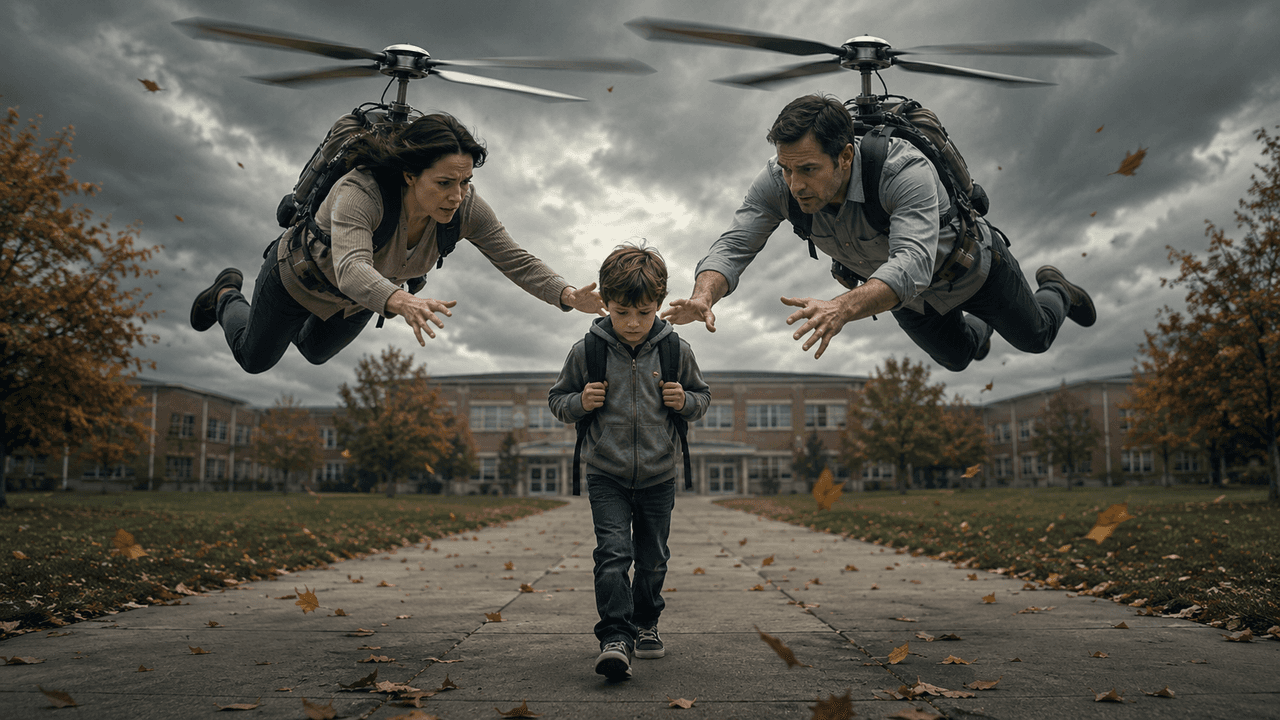
Helicopter Parenting
Helicopter parenting; is a concept describing a parenting style characterized by excessive focus on children’s lives, constant planning on their behalf, immediate intervention in every problem, and denial of autonomy for children to act independently. The term was first used in 1969 by psychotherapist Haim Ginott, after a teenager compared his mother to a helicopter constantly circling above him. 【1】Today, this concept is also referred to by different names depending on the intensity and nature
ENNida Üstün

Teletabilers (Television Series)
Teletubbies (Original title: Teletubbies) is a British television series specifically designed to support the mental, physical, and social development of preschool-aged children and has achieved a wide global audience. The production focuses on the daily lives, play, and interactions of four human-like characters known as the Teletubbies, each distinguished by a unique color, antenna shape, and personality trait in the world of Teletubbie Land. The program’s core concept is structured with a sim
EN
Beyza Başar
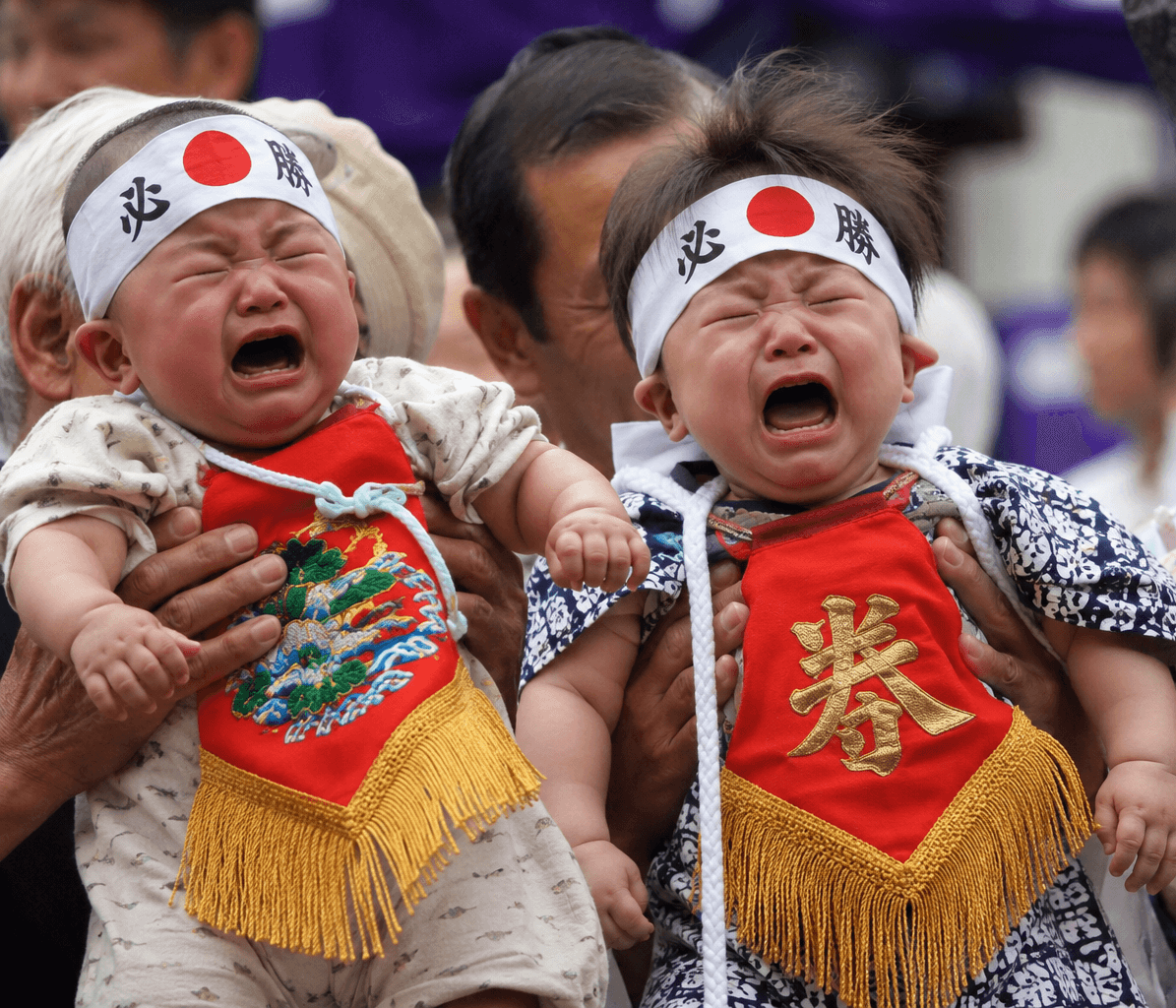
Crying Baby Festival (Naki Sumo)
The Crying Baby Festival (Naki Sumo) Japan is a traditional festival and ritualistic competition held to encourage and sustain infants’ crying. This event, with a history spanning nearly 400 years, is conducted annually at Shinto shrines throughout Japan. Origins Naki Sumo is a rite of purification and transition rooted in the intersection of Shinto belief and Japanese folk philosophy. Its fundamental premise is the longstanding belief that an infant’s cries possess the power to drive away evil
EN
Nursena Şahin
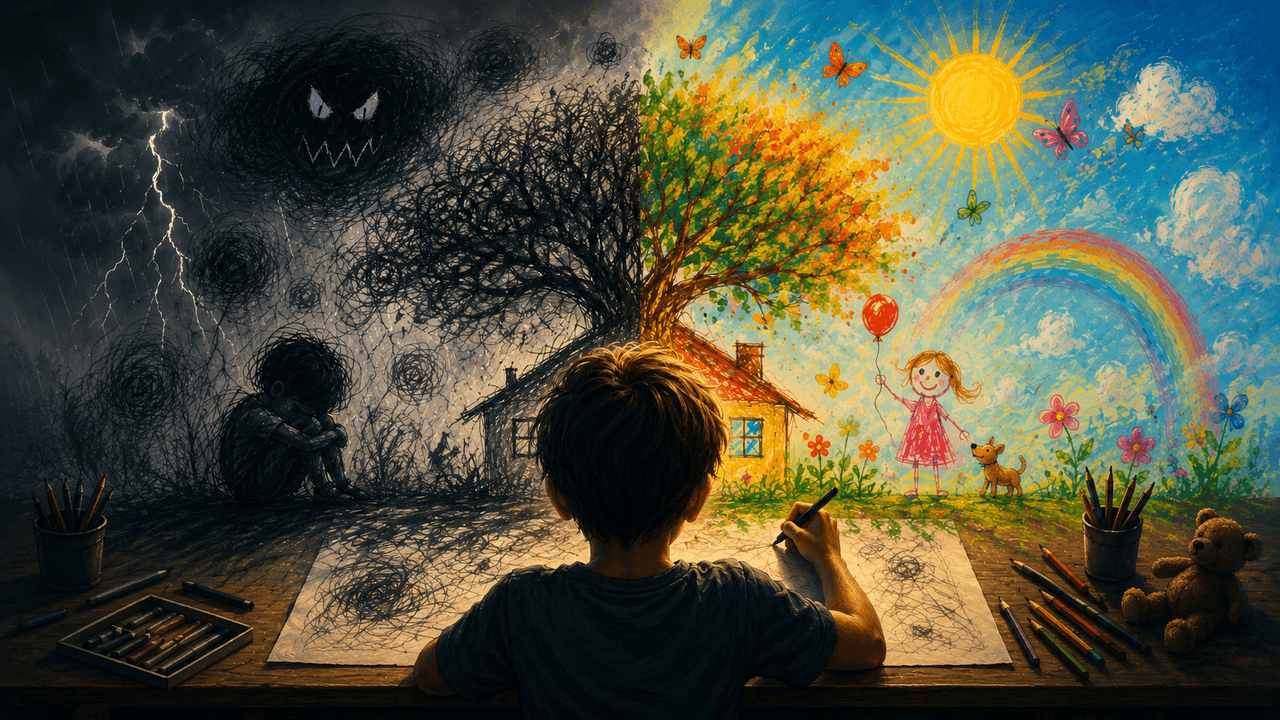
Children's Drawings: A Piece of Paper, a Pen, and Thousands of Unspoken Emotions
When you give a child paper and a pencil, what emerges is not merely a drawing. Those lines, those colors, those arrangements are in fact a map of the child’s emotions, fears, and hopes—things they cannot yet express in words. Young children cannot articulate their feelings in sentences the way adults do. Instead of saying “I feel insecure today,” they might draw a tiny house or forget the windows. Instead of saying “I feel alone in my family,” they position themselves in the corner of the famil
ENNida Üstün
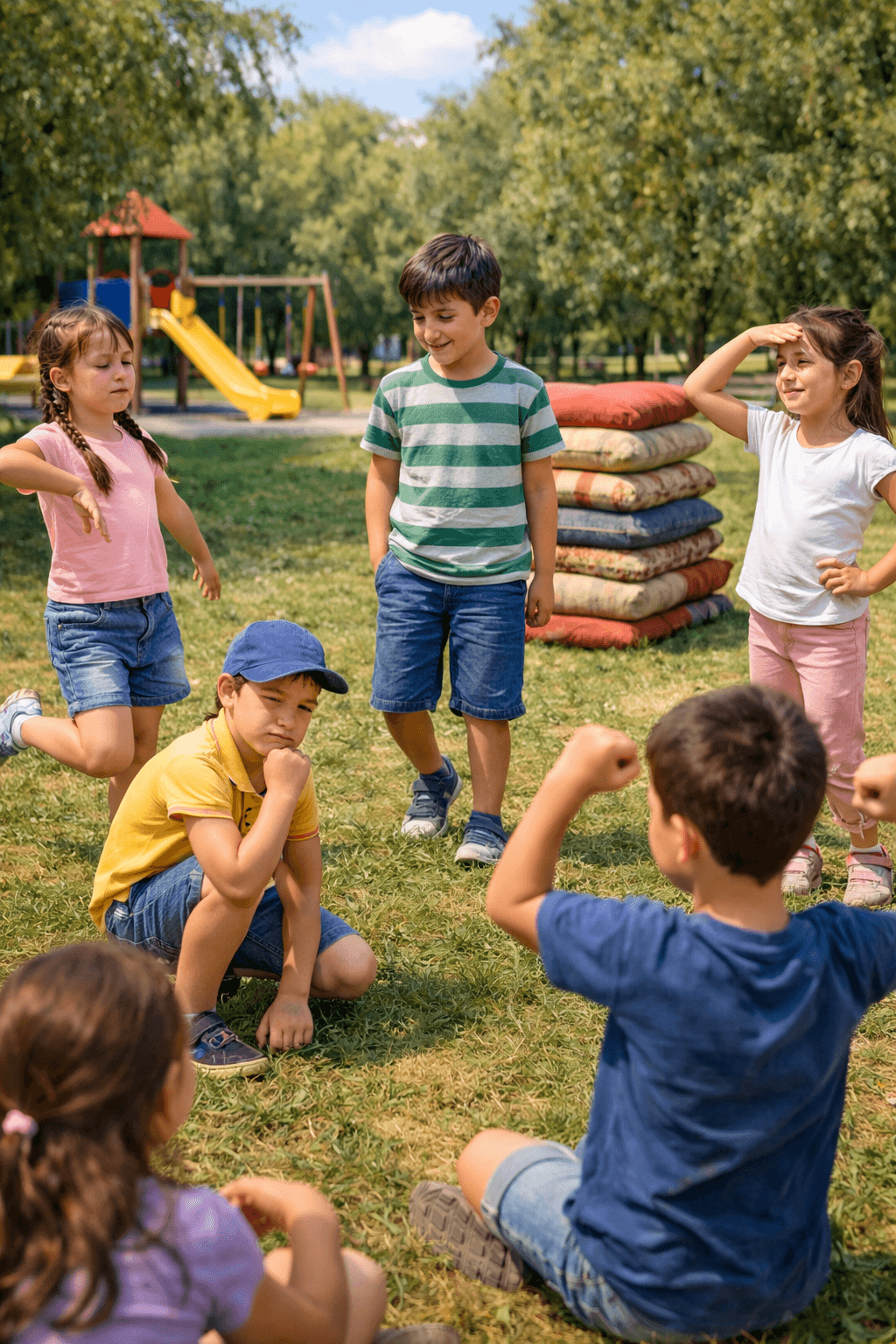
Old Minder Game
Eski Minder, one of the most beloved traditional children’s games passed down through generations, is played joyfully in nearly every corner of Türkiye. It is not only a source of fun but also an excellent opportunity to stimulate creativity and instantly assume a different character. Have you ever wondered why this game has remained unchanged for centuries and what it offers you? Let us explore this delightful world in more detail. Preparation and Start of the Game To play Eski Minder, you need
ENgamze halil