

`byzantine-architecture` Related Article Results
 El
ElEl Nazar Church
El Nazar Church is an important early Christian structure carved into a rock formation located east of Göreme town and west of the Göreme Open Air Museum, within the Zemi Valley in Nevşehir. The church is considered one of the distinguished examples of the characteristic rock-cut architecture of the Cappadocia region. Architectural Features El Nazar Church is constructed with a ‘T’-shaped free cross plan, featuring three apses and a central dome. The arms of the cross are covered with barrel vau
EN
Meltem Saraç
ChChurch with Bells
Çanlı Kilise is located on a dominant hill approximately 12–17 kilometres southeast of the city centre of Aksaray in the Central Anatolia Region, and about 4–5 kilometres northeast of Akhisar village. The church faces the landscape of Hasan Dağı. The structure was built using a composite wall technique that combines brick and cut stone. It forms part of an extensive settlement pattern that includes dwellings carved into the rock. Çanlı Kilise (Anadolu Agency) " image-element-format="right" image
EN
Melike Saraç
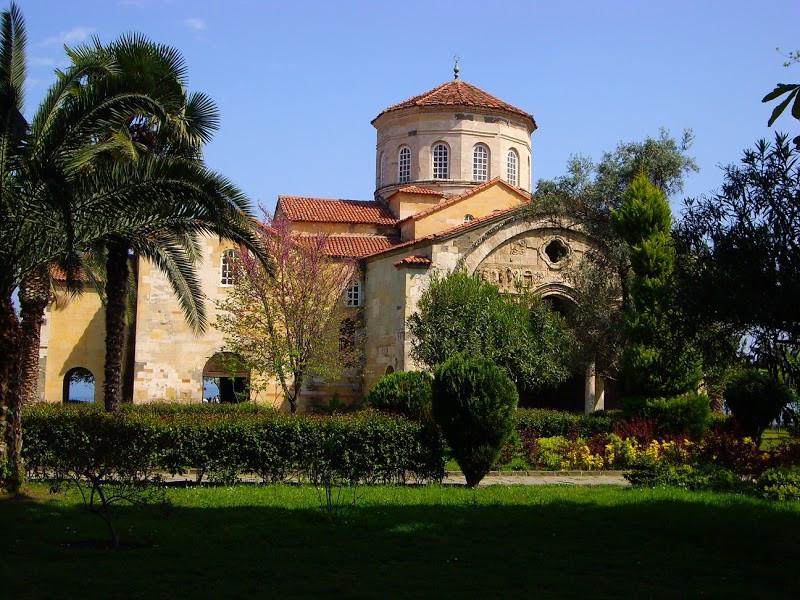
Trabzon Hagia Sophia Museum
The Trabzon Hagia Sophia Museum is a Byzantine church built in the mid-13th century by Manuel I Komnenos of the Komnenos dynasty of Trebizond (reigned 1238–1263). Its construction date is also recorded in various sources as 1250–1260. This structure is one of the most important examples of medieval Byzantine provincial architecture and was converted into a mosque after Trabzon joined Ottoman territories in 1461. According to Evliya Çelebi, this conversion took place in 991 AH (1583 CE) through t
EN
Neriman Çalışkan
ByByzantine Architecture
Byzantine architecture is an architectural tradition that transformed both public and sacred spaces through structures imbued with technical skill and symbolic meaning, reflecting the cultural political and religious identity of the Eastern Roman Empire. This architectural style began to take shape after 330 CE when Emperor Constantine declared Constantinople (Istanbul) the imperial capital. Byzantine architects inherited the spatial organization and construction techniques of Roman architecture
EN
Esra Özkafa
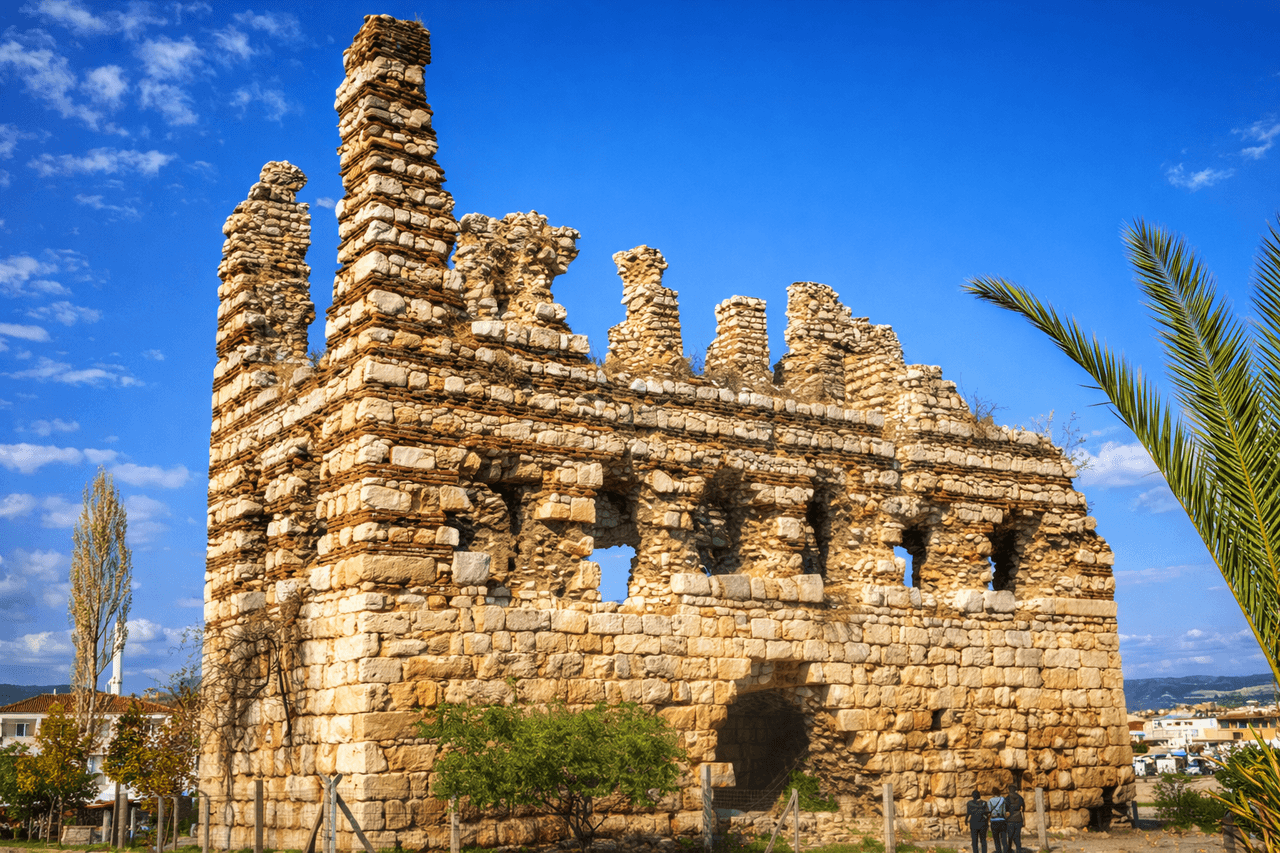
Laskaris Palace (Kız Kulesi)
Laskaris Sarayı is an important palace structure dating to the period of the Empire of Nicaea, which emerged after the Latin occupation of Istanbul in 1204 following the Fourth Crusade. Located in the Kemalpaşa district of İzmir (ancient Nymphaion/Nif), it is considered one of the rare surviving examples of Byzantine palace architecture from the 13th century. The structure was used as a summer residence by the Laskaris dynasty and is recognized for its historical and architectural significance.【
EN
İremsu Ümit

Blaundos Ancient City
Ulubey Blaundos Ancient City is an extremely old settlement located in the Ulubey district of Uşak. This city served as a cultural bridge between two major civilizations, Phrygia and Lydia. Founded during the Hellenistic period, it continued to thrive through the Roman and Byzantine eras. Today, it is recognized as an archaeological and historical site of great significance. Where Is It Located? Blaundos is approximately 40 km from the city center of Uşak. It is situated near the village of Sülü
EN
Yusuf İslam Tuğla

Sebaste Ancient City
Uşak’s Sivaslı district is home to the ancient city of Sebaste Antik Kenti, located near the village of Selçikler. This city was founded exactly two thousand years ago, in 20 BC, by order of the Roman Emperor Augustus. The name “Sebaste” means “revered” in Greek and was in fact one of Augustus’s titles. Thus, the city’s name was an act of reverence toward the most powerful ruler of that era. Where Is It Located? Sebaste lies 36 kilometers from the center of Uşak, situated in a fertile plain surr
ENYusuf İslam Tuğla
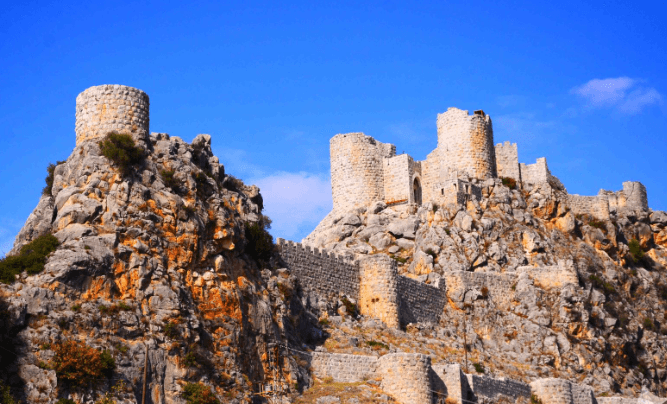
Snake Castle
Yılan Kalesi is a structure located within the boundaries of Adana district, occupying place area and notable for its strategic position. Situated on the historic Silk Road route leading to Antakya across the Taurus Mountains, castle was constructed during the Middle Era by the Byzantines, particularly during the Crusader occupation period. Today positions the castle at a vantage point offering views of other fortresses in the region, including Anavarza, Tumlu and Kozan, and it is distinguished
EN
Sümeyra Uzun
AkAkdağmadeni Church
The Akdağmadeni Church, located in the Akdağmadeni district of Yozgat province in Türkiye, was constructed in the mid-19th century as a product of the social structure that emerged alongside the Ottoman Empire’s mining activities. Built specifically to meet the religious needs of the non-Muslim population, the structure reflects typical elements of Rum church architecture through its architectural features and decorations. Today recognized as a protected cultural heritage site, the church is not
ENMelike Saraç
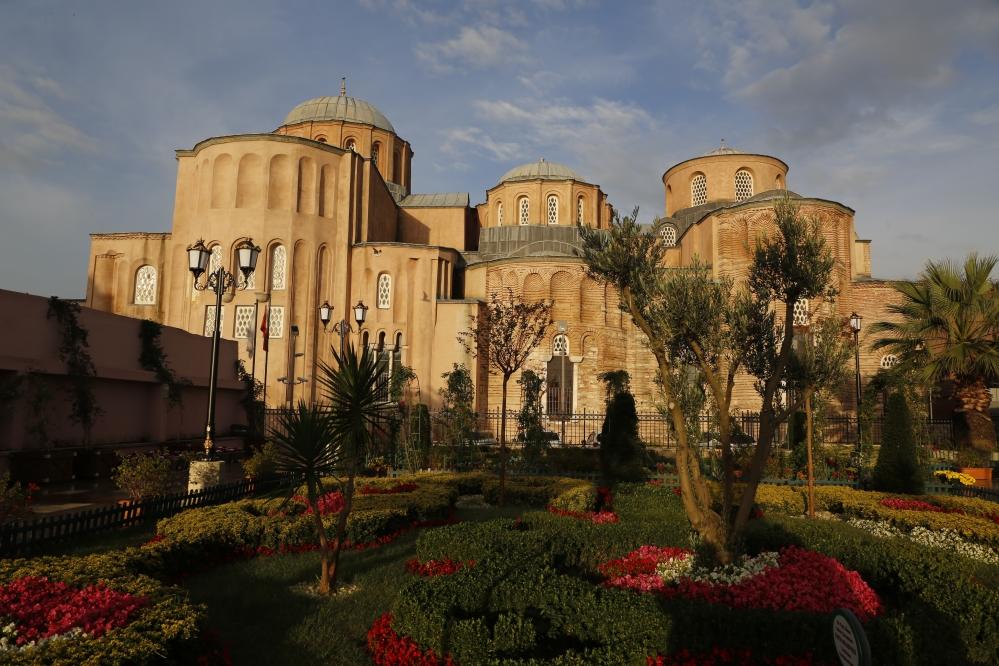
Molla Zeyrek Camii
Molla Zeyrek Camii is located in the Zeyrek neighborhood of Istanbul’s Fatih district. Originally part of the Byzantine Pantokrator Monastery complex, its churches were converted into a madrasa after the Ottoman conquest of Istanbul and became the city’s first educational institution under Ottoman rule. During the Byzantine era, the Pantokrator Monastery was Istanbul’s second-largest Christian religious structure after Hagia Sophia. Following the conquest, at the order of Fatih Sultan Mehmed, th
EN
Hüseyin Durmuş