

`army` Related Article Results
 ST
STSTRATEGY
From the perspective of Historical, the essence of strategy’s thought has always been the concept of war, and thus throughout history, foundational works have been written that describe various wars and examine how wars should be conducted. When examining the historical background of the forms, methods, and characteristics of strategy, it becomes evident that it originated to some extent in mythologies. In Scandinavian mythology, the prominent figure Odin embodies strategy through deception a
EN
Taşkın Dayangaç
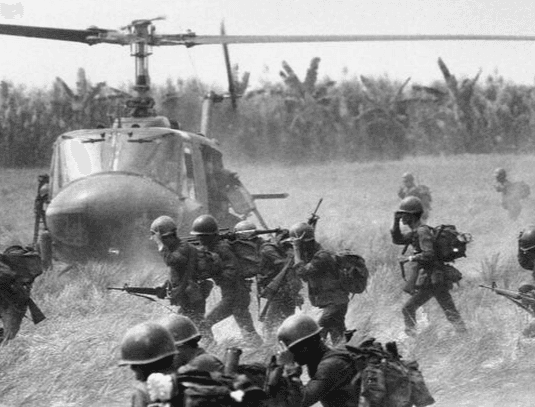
Çengel War
Jungle warfare refers to military operations conducted in areas characterized by dense forests, thick vegetation, and tropical or subtropical climates. This form of warfare differs from conventional land combat due to challenging terrain conditions, high humidity, limited visibility, complex topography, and climatic hardships. In modern military literature, it is known as jungle warfare and has long been practiced by armed forces in regions such as South America, Southeast Asia, and the Indian-P
EN
Elyesa Köseoğlu
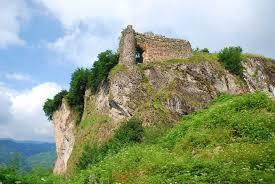
Gölköy Castle (Ordu)
Gölköy Castle is a massive structure dating back to ancient times, situated on the high, green hills of the Black Sea region. Castles were strong fortifications built by people in antiquity to protect themselves and their settlements. Gölköy Castle stands on a commanding position, like a vigilant eye overseeing the surrounding area. This castle is not merely made of stone and mortar; it also carries the traces of the people, cultures, and significant events that have unfolded here over centuries
EN
Nida Üstün
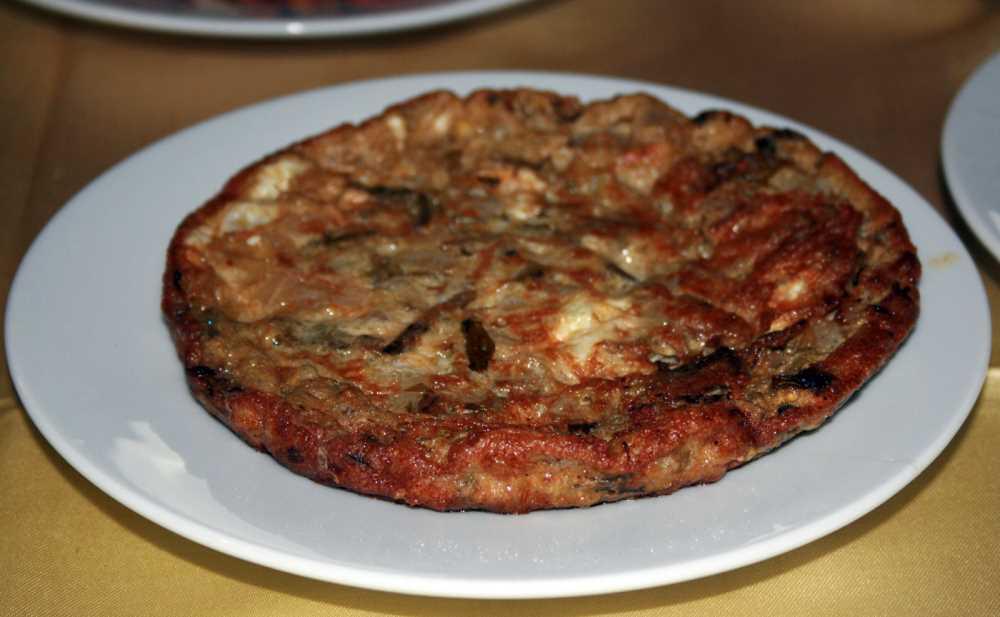
Sakarca Mıhlaması (Kayganası) Army
Sakarca Kayganası is a traditional dish from the Ordu region, prepared using “sakarca,” a local vegetable. Sakarca is a wild plant native to the Ordu area, characterized by its needle-like green leaves and often described as a small onion-like bulb resembling a hazelnut. It grows naturally in spring and autumn, particularly along field and garden edges. Sakarca Flower (Ordu Hayat) " image-alternate="" image-element-format="right"> Local residents collect the edible parts of this plant and pre
ENEfecan Pelit
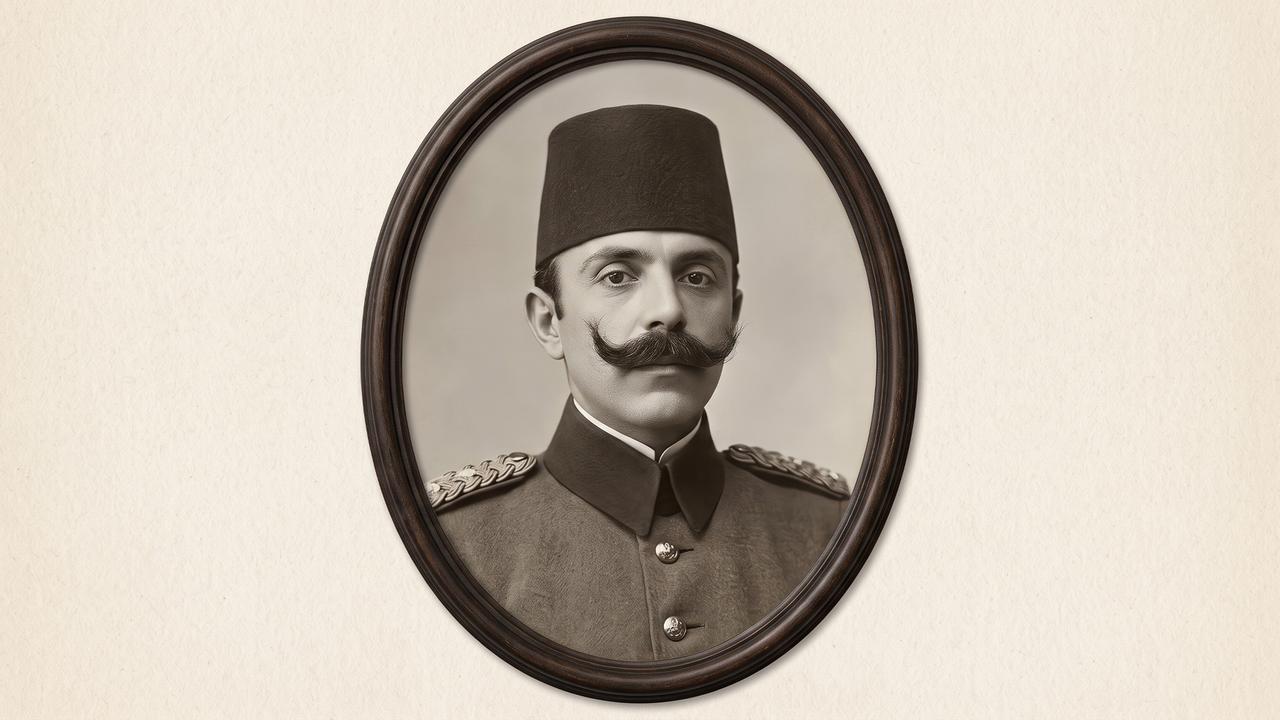
Cemal Pasha
Ahmed Cemal Pasha (6 May 1872, Midilli–21 July 1922, Tbilisi), an Ottoman military officer and statesman who held various military, administrative, and political roles during the final period of the Ottoman State and was among the leading figures of the Committee of Union and Progress. After completing his military education, he served in various posts in Rumelia; following the declaration of the Second Constitutional Monarchy, he was appointed mutasarrıf of Üsküdar and later governor of Adana a
EN
Onur Çolak
STSTRATEGY
Historical perspective reveals that the very essence of the concept of strategy has always been the notion of war, and thus throughout history, foundational works on strategy have generally consisted of texts describing various wars and examining how they should be conducted. When examining the historical background of the formation, methods, and characteristics of strategy, it becomes evident that it originated largely from mythologies. In Scandinavian mythology, the prominent figure Odin embod
EN
Taşkın Dayangaç
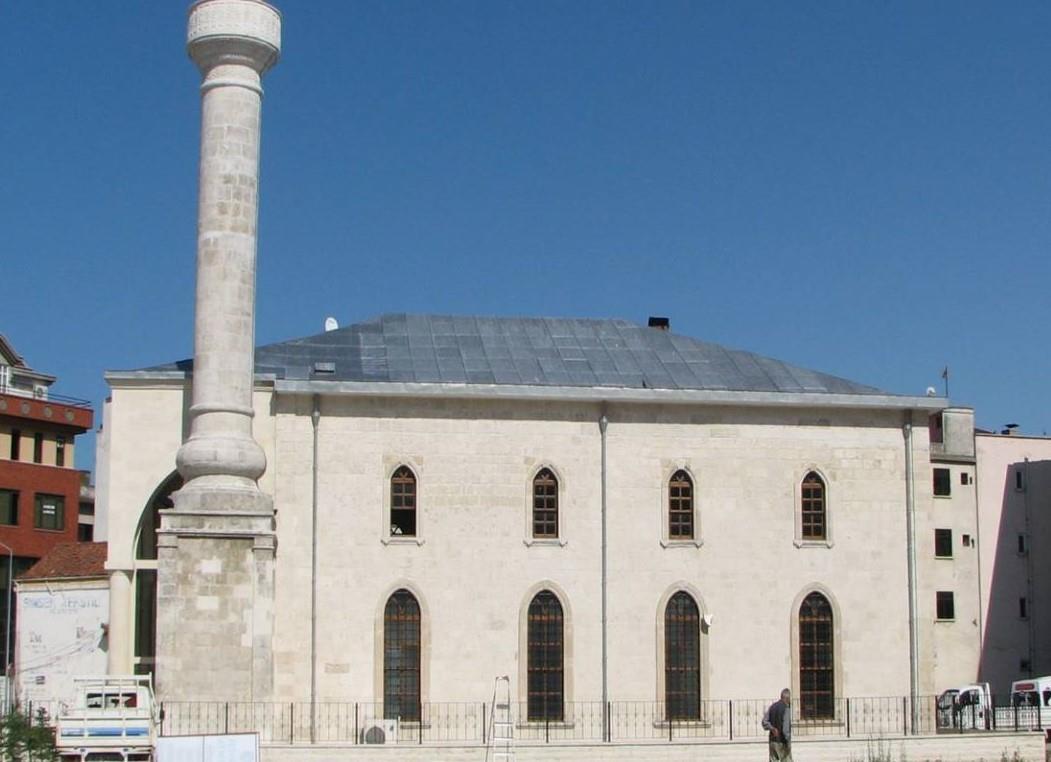
Atik İbrahim Paşa Camii
Atik İbrahim Paşa Camii is located on Fevzi Çakmak Street in the Selimiye Neighborhood of Altınordu District, Ordu Province. It is also commonly known among the public as Orta Camii. Originally constructed in 1770 by Atik İbrahim Paşa as a wooden log mosque, the structure, which had deteriorated over time, was rebuilt in 1802 using stone materials. Architectural Plan and Construction Material The mosque has a rectangular plan and was constructed using a rubble stone system. The material used is
EN
Hatice Senem Turan
CoCondistable
Throughout history, states have hired mercenaries to meet their security needs. In the military organizations of Turkish states, although mercenaries were not the defining or primary element, they were nonetheless granted place. For example, the Seljuk military organization included mercenaries from various ethnic groups known as “ecrihor.” With the Crusades, East mercenaries spread across the Mediterranean and Anatolia regions. During periods of peace, these soldiers found employment as mercena
ENSerkan Osmanlıoğlu
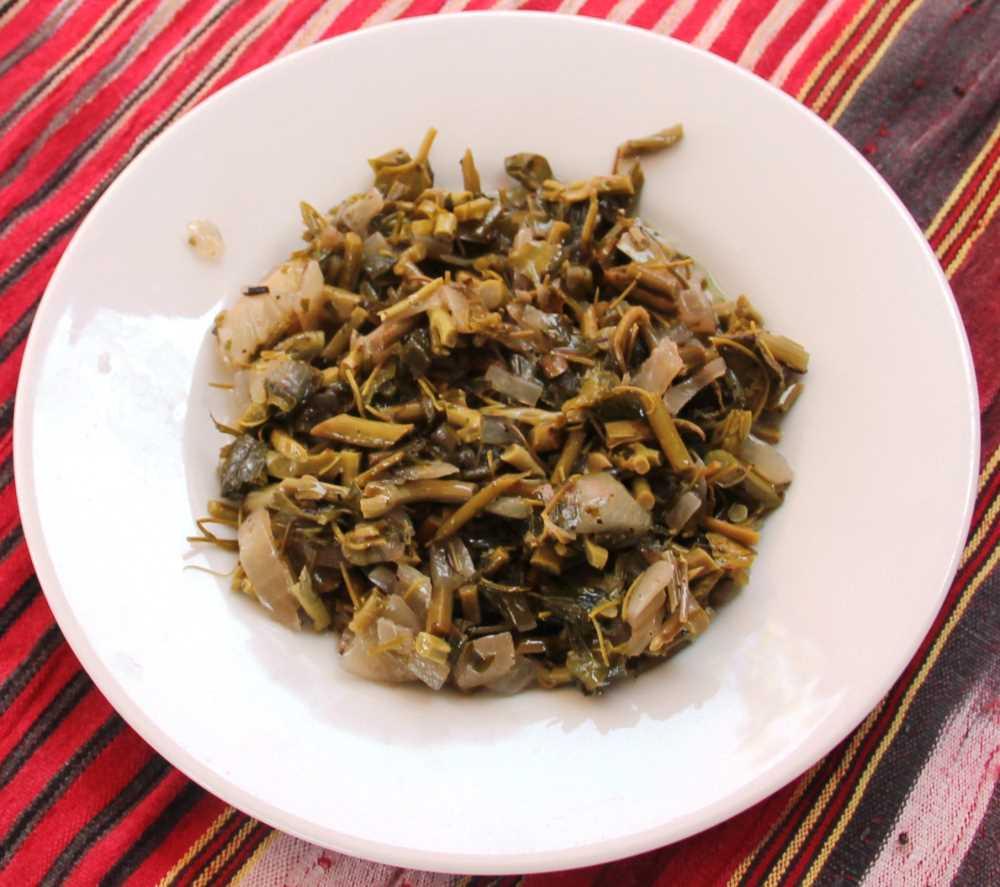
Ordu Melocan Kavurması
A traditional dish made from a perennial, climbing, thorny plant known locally in the Ordu region as dikenucu, melevcan, or melocan, with the Latin botanical name Smilax excelsa L. and a slightly sour taste. Melocan grows naturally in Ordu’s forested and shrubby areas. Its young shoot tips are harvested in April and May and consumed fresh, canned, or pickled until the end of September. Ordu Melocan Kavurması is prepared by sautéing boiled melocan with onion or leek. Optionally, an egg may be cra
ENEfecan Pelit
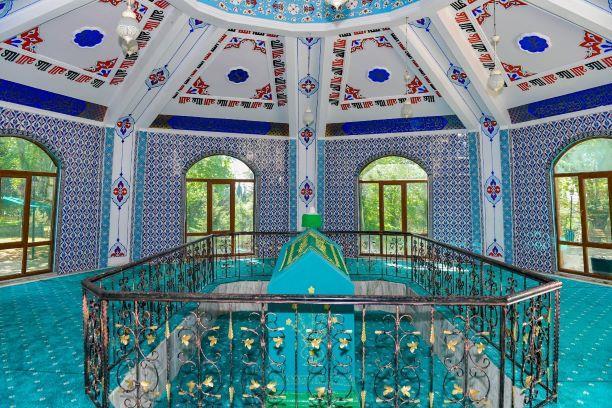
Ordu Yunus Emre Türbesi
The Yunus Emre Tomb, locally known as Şehnuz or Şehnus Tomb, is a makam tomb attributed to the Sufi poet Yunus Emre, located in the Saraçlı Neighborhood of the Ünye district in Ordu Province, on the site of the former village of Saca.【1】 It is one of fourteen makam sites dedicated to Yunus Emre across the geographical regions of Türkiye and Azerbaijan, and the only one situated directly adjacent to the sea. The tomb stands on a high elevation known locally as “Şeyh Yunus Tepesi,” offering views
ENBeyza Nur Aydın