

`antimicrobial` Related Article Results
 Ca
CaCarvacrol
KarvaKrol (Carvacrol) is a monoterpenic phenol naturally found in certain plants, particularly aromatic species such as Origanum vulgare (oregano), Thymus vulgaris (thyme), and Satureja hortensis (summer savory). Chemically, it has the formula 5-isopropyl-2-methylphenol and a molecular formula of C₁₀H₁₄O. Carvacrol is present in high concentrations in oregano oil and thyme oil and is responsible for their characteristic sharp aroma. At room temperature, it exists as a colorless or pale yellow li
EN
PINAR GÜNER
TaTalaromyces purpurogenus
Talaromyces purpurogenus is a filamentous mold belonging to the phylum Ascomycota, class Eurotiomycetes, and family Trichocomaceae. This species was first isolated in 1901 and named “purpurogenus” (purple-producing) due to its production of purplish-red pigments. This fungus exhibits broad ecological tolerance and is frequently isolated from soil, air, plant material, and food products. Its capacity for natural pigment production has attracted particular attention in biotechnological application
ENPINAR GÜNER
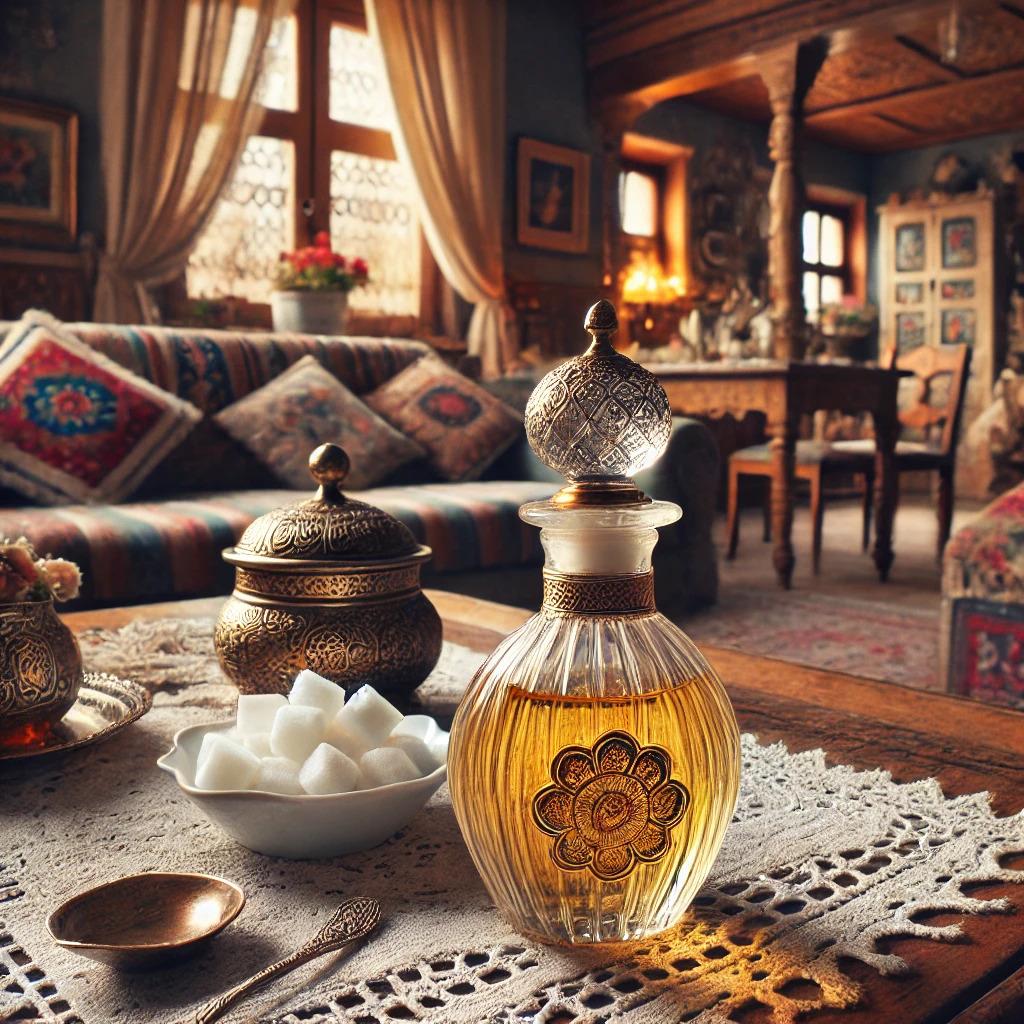
Eau de cologne
Cologne is a fragrant product made from a mixture of ethyl alcohol, water, and aromatic essences such as lemon, flower, or tobacco, known for its refreshing and antiseptic (germ-killing) properties. As a diluted version of perfume, cologne has assumed various functions over the centuries in both Europe and Türkiye. In particular in Türkiye, cologne has become more than just a hygiene and fragrance product; it has also come to symbolize hospitality and a cultural tradition. Origins and History of
EN
Ayşe Aslıhan Yoran
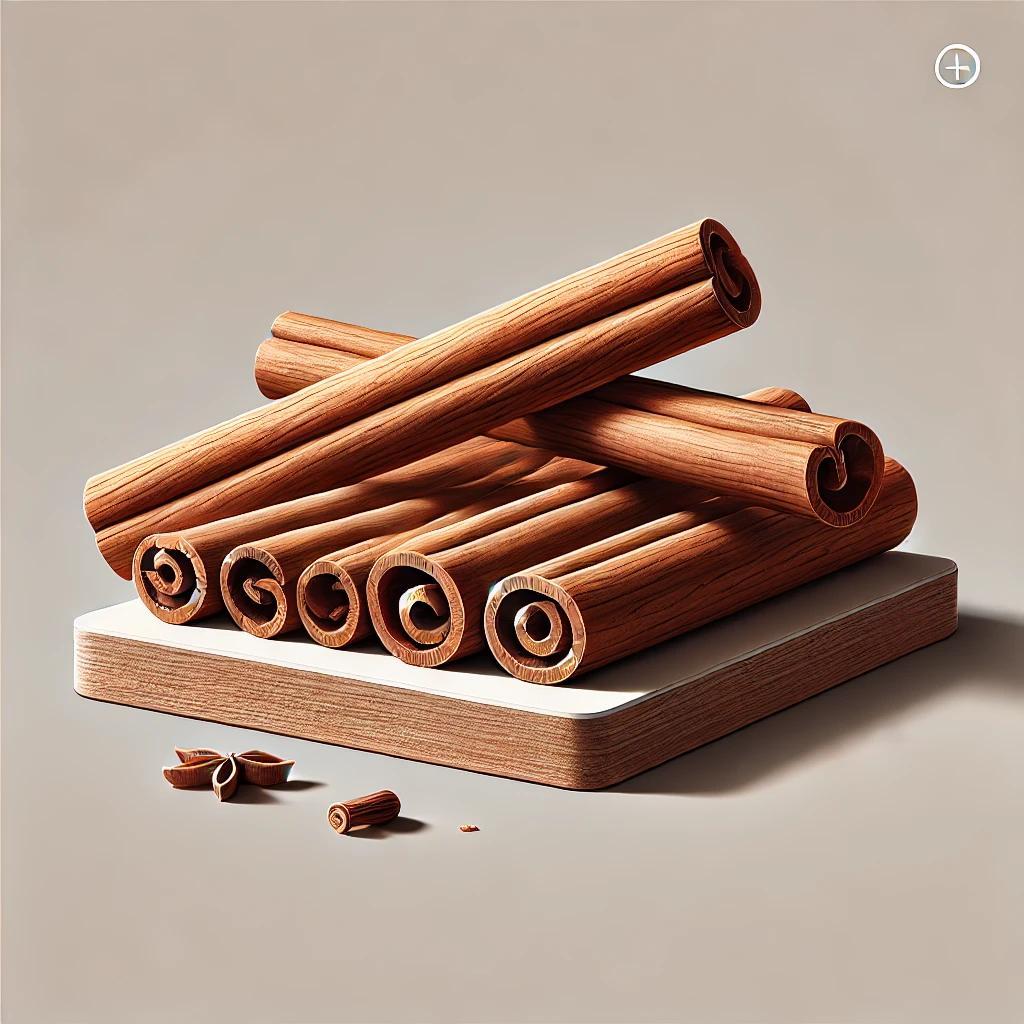
Cinnamon
Cinnamon (Cinnamomum species), a plant known for its aromatic and medicinal properties, belonging to the Lauraceae family. Typically obtained from its dried bark, cinnamon has been used for thousands of years in traditional medicine as a healing agent, in addition to its widespread use as a spice in cuisines around the world. The most commonly used varieties are Chinese Cinnamon (Cinnamomum cassia) and Ceylon Cinnamon (Cinnamomum zeylanicum), each containing distinct chemical components. History
EN
Meryem Şentürk Çoban
SıSığla Tree (Liquidambar orientalis Mill.)
The Sweetgum Tree (Liquidambar orientalis Mill.) is a deciduous tree species belonging to the Hamamelidaceae (Sweetgum) family and produces aromatic resin. It is commonly known in local usage as daily tree, Anatolian sweetgum, or oil tree. This species is an endemic plant found naturally only in southwestern Anatolia. Its most important distribution areas are the provinces of Muğla, Aydın, Denizli, and Antalya. The sweetgum tree is highly valuable both for its ecological importance and for its r
ENPINAR GÜNER
ElEllagic Acid
Ellagic acid is a polyphenolic compound naturally found in plants. It was first identified in 1905 and has been found to occur in high concentrations particularly in fruits seeds and peel tissues. It is produced through the hydrolysis of hydrolysable tannins such as ellagitannins. Due to its polyphenolic structure it exhibits strong antioxidant properties. It is extensively studied in the food pharmaceutical and cosmetic industries due to its potential biological effects. Chemical Structure and
ENPINAR GÜNER
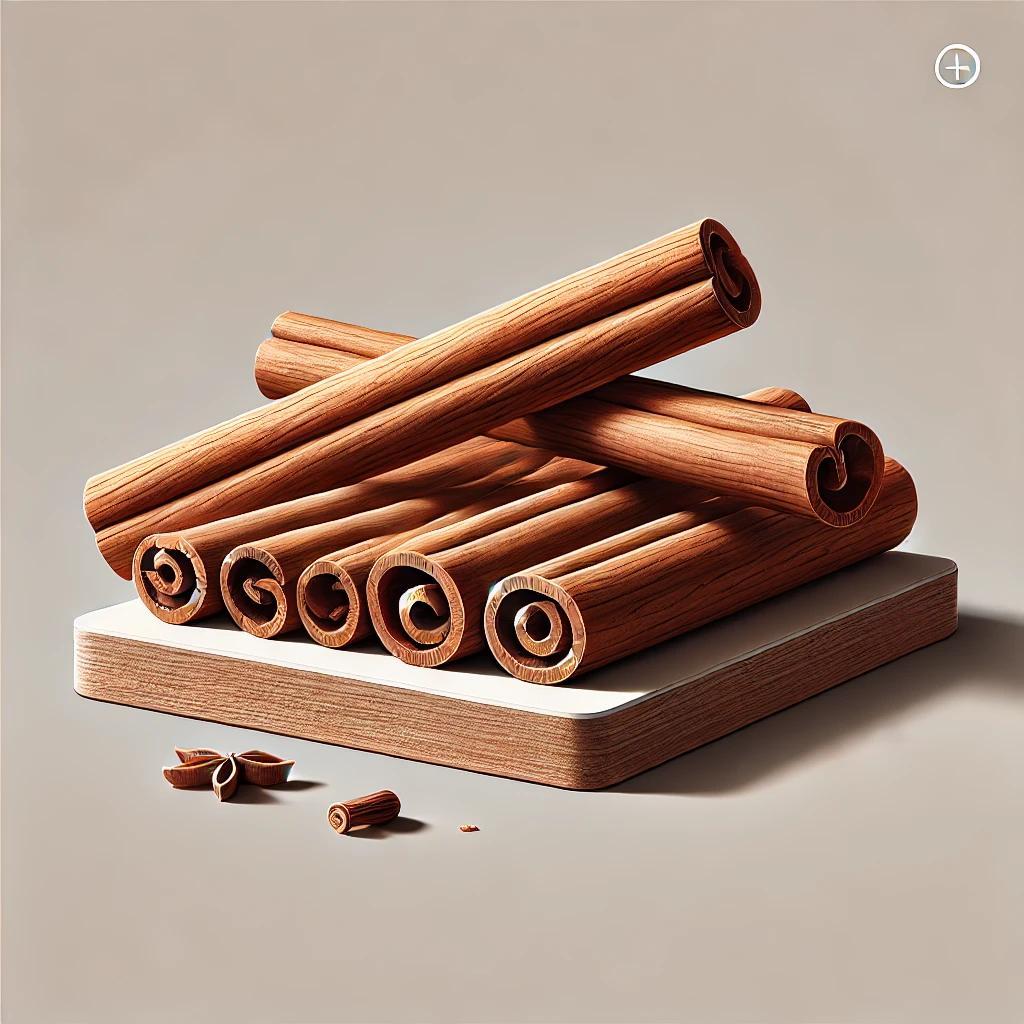
Cinnamon
Cinnamon (Cinnamomum species) is a plant known for its aromatic and medicinal properties, belonging to the Lauraceae family. Cinnamon, typically obtained from its dried bark, has been used as a culinary ingredient worldwide world and for thousands of years in traditional medicine as a healing agent spice row. The most commonly used species are Chinese Cinnamon (Cinnamomum cassia) and Ceylon Cinnamon (Cinnamomum zeylanicum). Each of these species contains distinct chemical components common. Hist
EN
Meryem Şentürk Çoban
StStudies on Improving Milk Characteristics
Sutures used to repair lips that have lost integrity due to Trauma or surgical causes are being developed with antimicrobial, drug-releasing, cellular, and intelligent designs to minimize surgical site infections, scarring, inflammation, and pain like conditions. Antimicrobial Sutures Bacterial adhesion and proliferation on the surfaces of biomaterials constitute a significant risk for surgical site infections. Although Antibiotic treatments help eliminate infections, their prolonged use can lea
EN
Edanur Korkmaz
Propolis
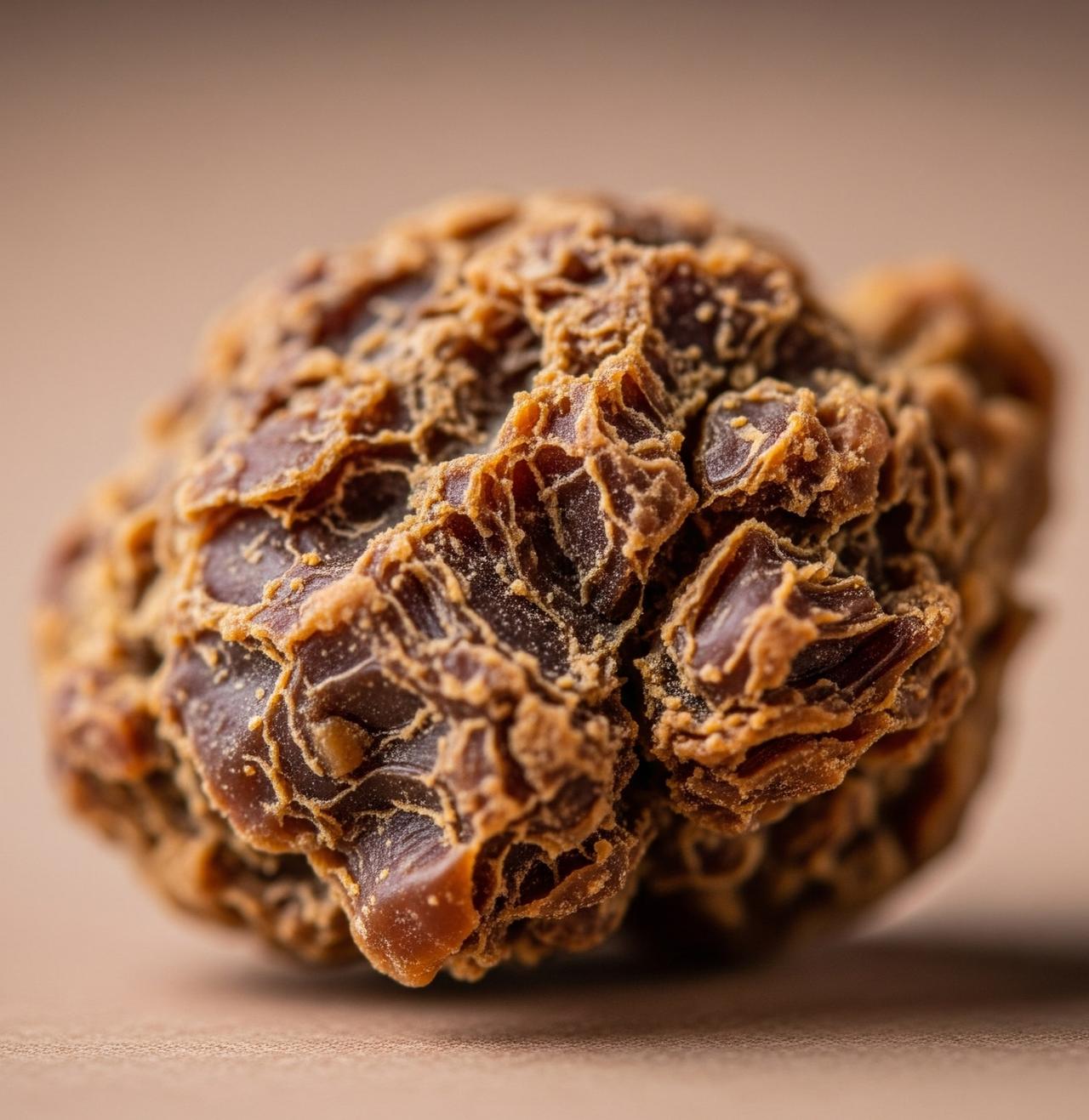
Propolis is a natural product formed by honeybees (Apis mellifera) mixing resinous substances collected from plant buds stems and leaves with beeswax and secretions. Bees use this sticky substance to seal cracks and gaps within the hive stabilize honeycombs maintain hive sterility against microorganisms and create a physical barrier against external threats. The term “propolis” derives from the Greek words “pro” (before) and “polis” (city) symbolizing the defense of the bee colony. The chemical
EN
Sadık Barış Günay