

`anatomy` Related Article Results
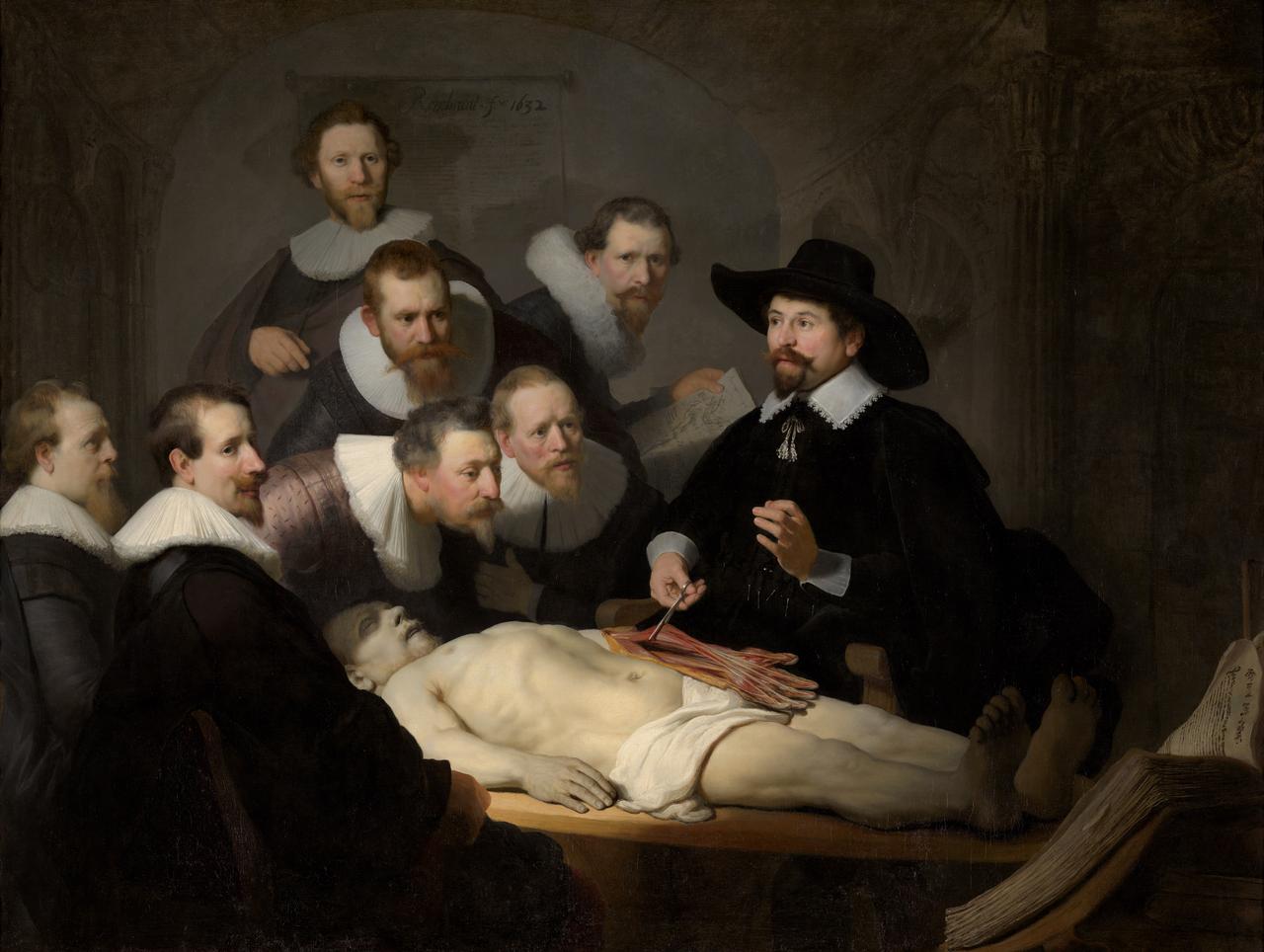
The Anatomy Lesson of Dr. Nicolaes Tulp (Painting)
The Anatomy Lesson of Dr. Nicolaes Tulp is a group portrait painted in 1632 by the Dutch artist Rembrandt van Rijn. The work was commissioned by the Amsterdam Guild of Surgeons to commemorate a public anatomy lesson given by Dr. Nicolaes Tulp, who held the title praelector anatomiae (Latin; lecturer in anatomy, i.e., the official anatomy instructor of the guild). The painting, measuring 169.5 x 216.5 cm, was executed using oil on canvas and is currently exhibited at the Mauritshuis Royal Picture
EN
Ahsen Buyurkan
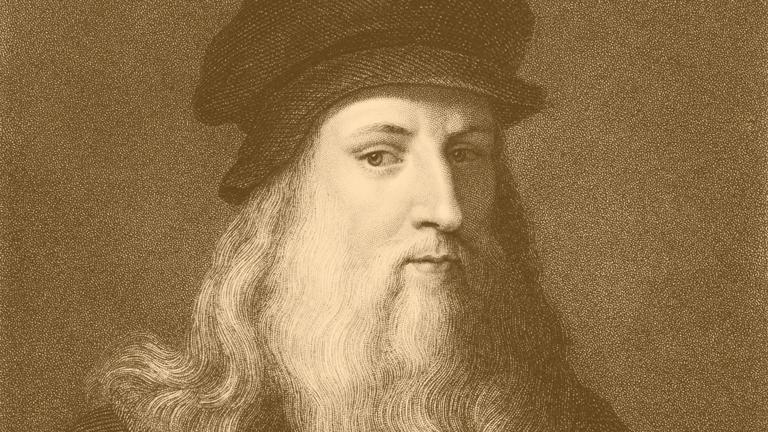
Leonardo da Vinci
Leonardo da Vinci is a multifaceted figure of the Italian Renaissance who made contributions in the fields of art, science, engineering, and natural studies. Known as a painter, sculptor, engineer, anatomist, architect, mathematician, musician, and inventor, Leonardo combined his curiosity about the workings of nature with an observation-based scientific method. Thanks to this interdisciplinary approach, he became a pivotal figure in both art and science and is regarded as one of the strongest r
ENAhsen Buyurkan
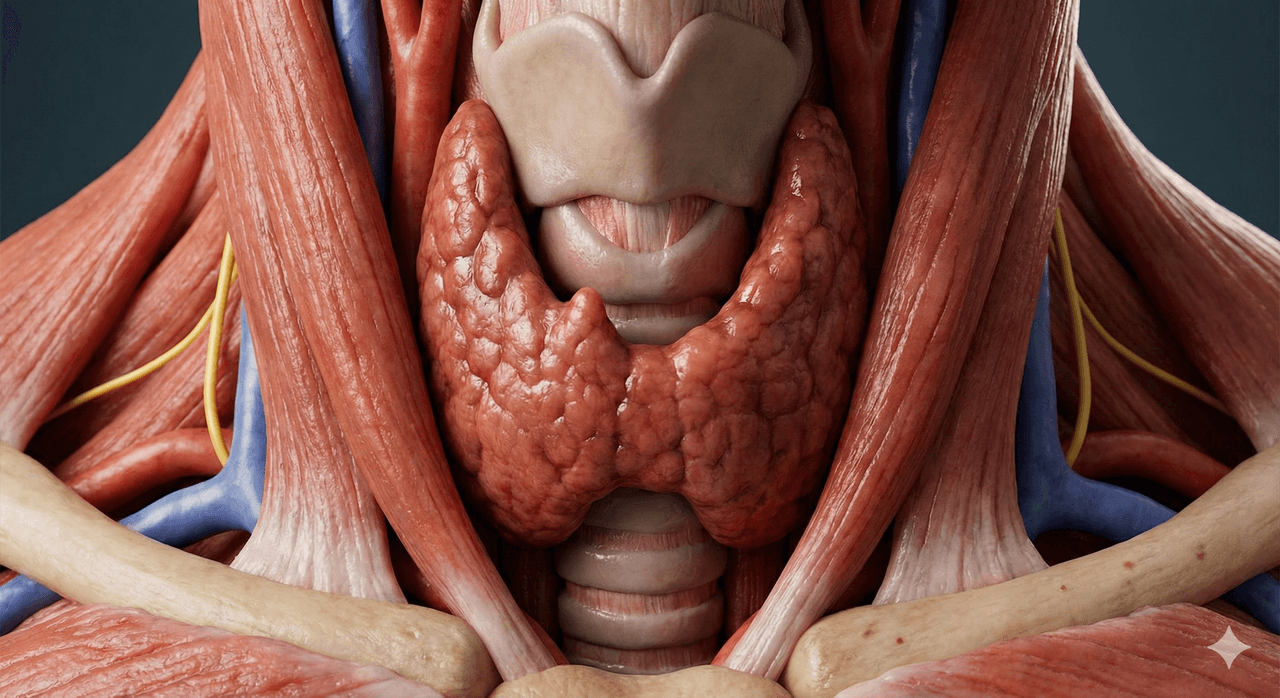
Thyroid Gland Anatomy
Thyroid gland (Glandula thyroidea) is an endocrine organ located along the midline of the anterior neck responsible for producing hormones that regulate metabolism growth and serum calcium concentrations. In adults the gland typically weighs about 25 grams and has a volume of approximately 6.6 ml. It is situated between the C5 and T1 vertebral levels. Shaped like a butterfly the gland lies anterior to the trachea beneath the skin and is not visible externally in healthy individuals. As part of t
EN
Ömer Buğra Şen

Bird Flight
The flight ability of birds is a complex biomechanical process based on the principles of aerodynamics. The curved structure of wings causes air to flow over them at different speeds, generating lift according to Bernoulli’s principle【1】 Science and Future) One of the most distinctive features that set birds apart from other animals is their ability to regularly renew their feathers. This process, known as molt, involves the shedding of worn or damaged feathers and their replacement with new one
EN
Oksana Gülünay
The Miracle of Bird Flight: How Do Birds Fly?
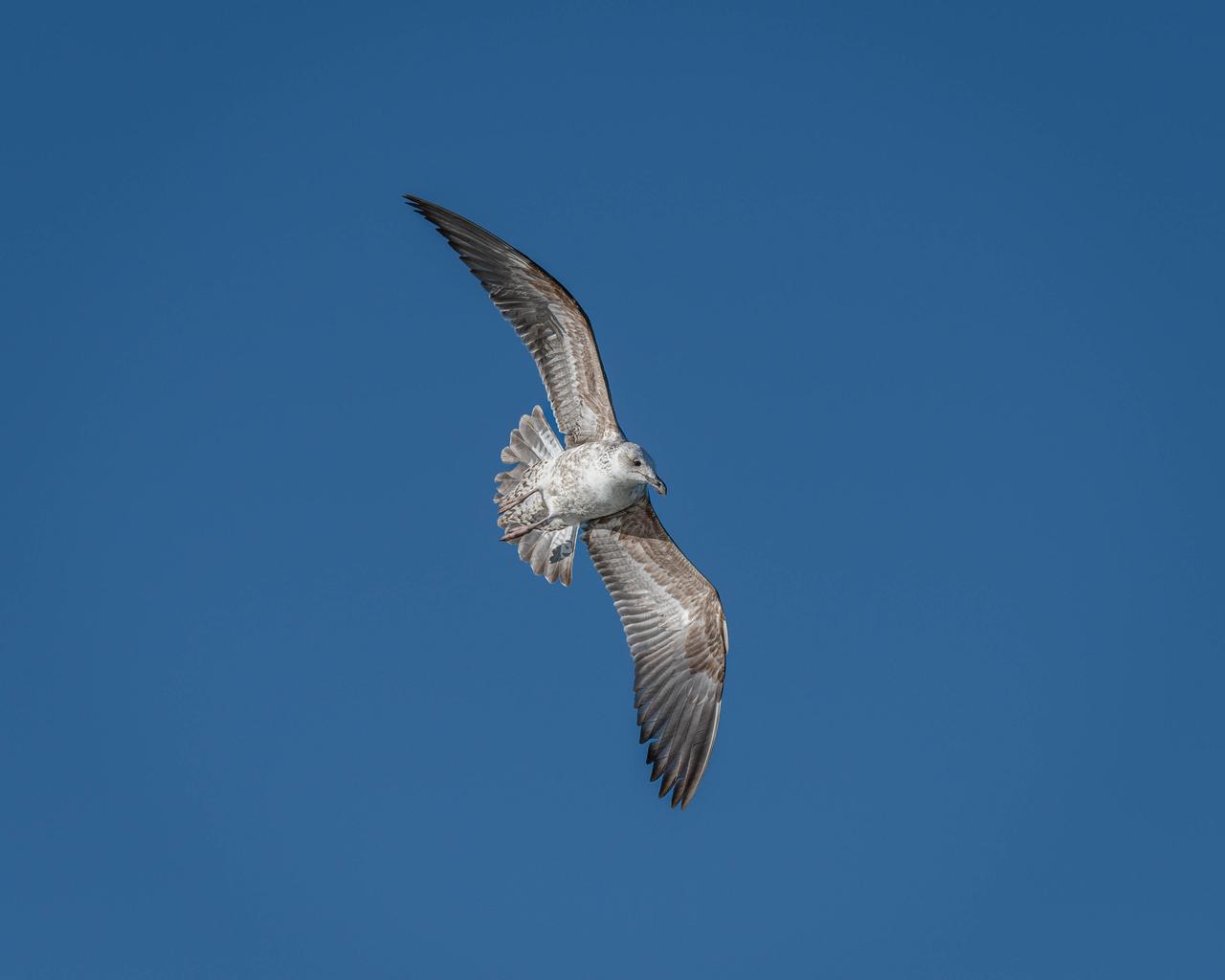
Birds are beings endowed by their very creation with the ability to fly, distinguishing them from all other vertebrates through this unique capacity. This ability is not solely dependent on their physical structure; it also relies on their capacity to utilize aerodynamic principles to regulate their movements in the air. When flapping their wings and directing their bodies, birds harness the four fundamental forces that form the basis of aircraft design: thrust, lift, drag, and weight. The delic
EN
Mehmet Bağcı
 Co
CoCoracobrachialis Muscle
The Coracobrachialis Muscle is a relatively small but functionally important skeletal muscle located on the medial (inner) side of the upper arm. It extends from the coracoid process of the scapula to the mid-portion of the humerus and is located in the forearm compartment. This muscle is one of the muscle groups that increase stability around the shoulder joint and facilitate certain movements of the upper extremity. It plays a particularly active role in shoulder flexion and adduction (movemen
ENEmin Neşat Gürses
InIntercostal Muscles
The intercostal muscles are muscle groups located between adjacent ribs of the thorax, enabling movement of the chest wall and contributing to the respiratory mechanism. These muscles play a key role in regulating the mechanics of breathing by enabling the expansion and contraction of the chest cavity. Anatomically, they consist of three primary layers stacked on top of each other: the external, internal, and intimus intercostal muscles. Anatomy Morphology and Connection Points The intercostal m
ENEmin Neşat Gürses
MaMasseter Muscle
The Masseter Muscle is the most superficial and powerful of the chewing muscles. It plays a key role in grinding food by elevating the mandible (lower jaw). It is particularly well-developed in herbivorous mammals. Anatomy Morphology and Connection Points The Masseter Muscle, one of the strongest masticatory muscles, is located on the outer surface of the mandible. Structurally, it consists of two main layers: a superficial and a deep layer. The superficial layer originates from the zygomatic ar
ENEmin Neşat Gürses
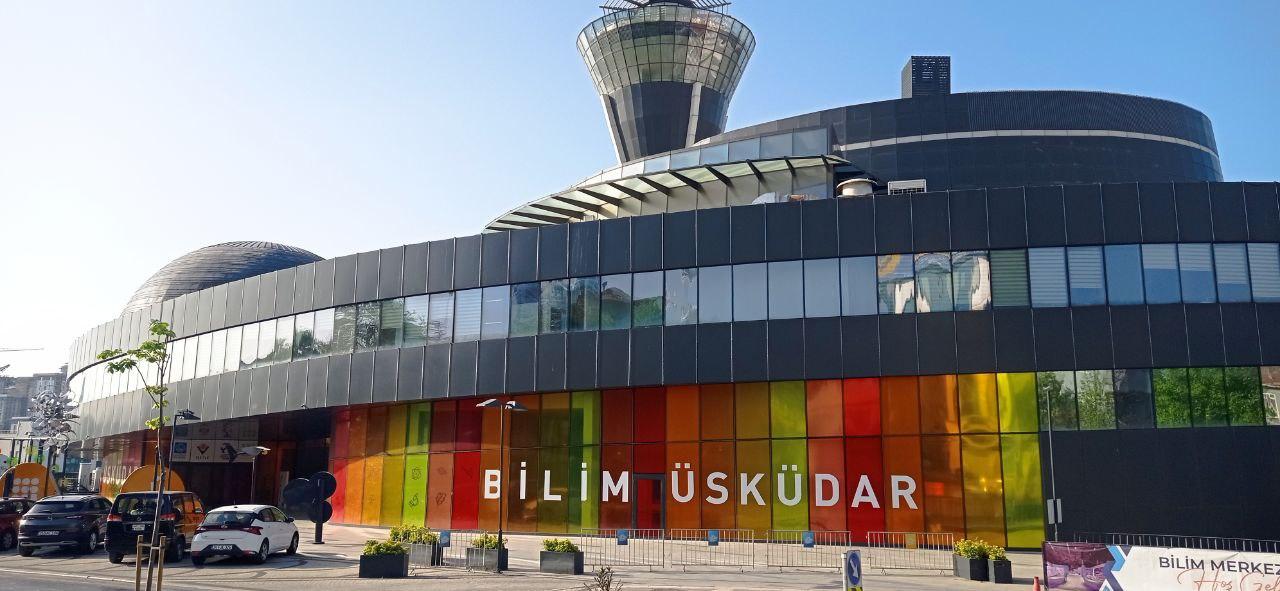
Üsküdar Science Center (Bilim Üsküdar)
Üsküdar Science Üsküdar Science Center (formerly known as Bilim Üsküdar) is an education and discovery center established in 2018 in the Üsküdar district of Istanbul with the aim of introducing science and technology to all segments of society. 【1】 Üsküdar Science Center Vision and Mission The Science Center aims to foster scientific curiosity and awareness among all members of society, particularly children and youth, and to cultivate individuals who are rooted in social and cultural values and
ENOksana Gülünay
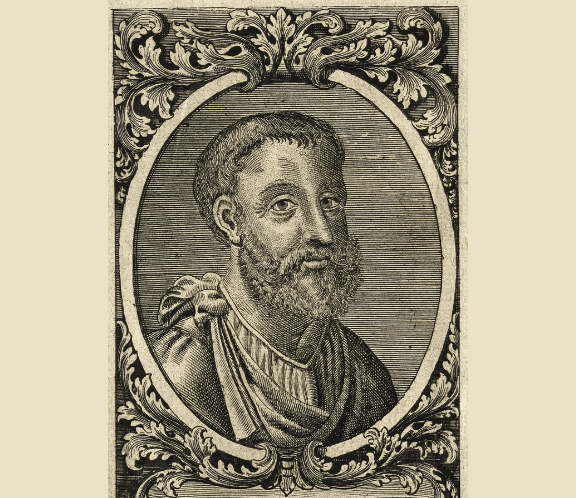
Galen
Galen (Claudius Galenus), a physician, anatomist, and philosopher who lived in the 2nd century AD, was born in Pergamon (modern-day Bergama, Türkiye). He practiced during the Roman Empire and became one of the most influential figures in ancient medicine through his extensive writings on anatomy, physiology, clinical medicine, and treatment methods. Galen’s works decisively shaped medical education and practice until the Middle Ages and the early modern period; his name continued to be associate
EN
Emine Nur ERDEM