


This article was automatically translated from the original Turkish version.
Üsküdar Science Üsküdar Science Center (formerly known as Bilim Üsküdar) is an education and discovery center established in 2018 in the Üsküdar district of Istanbul with the aim of introducing science and technology to all segments of society.
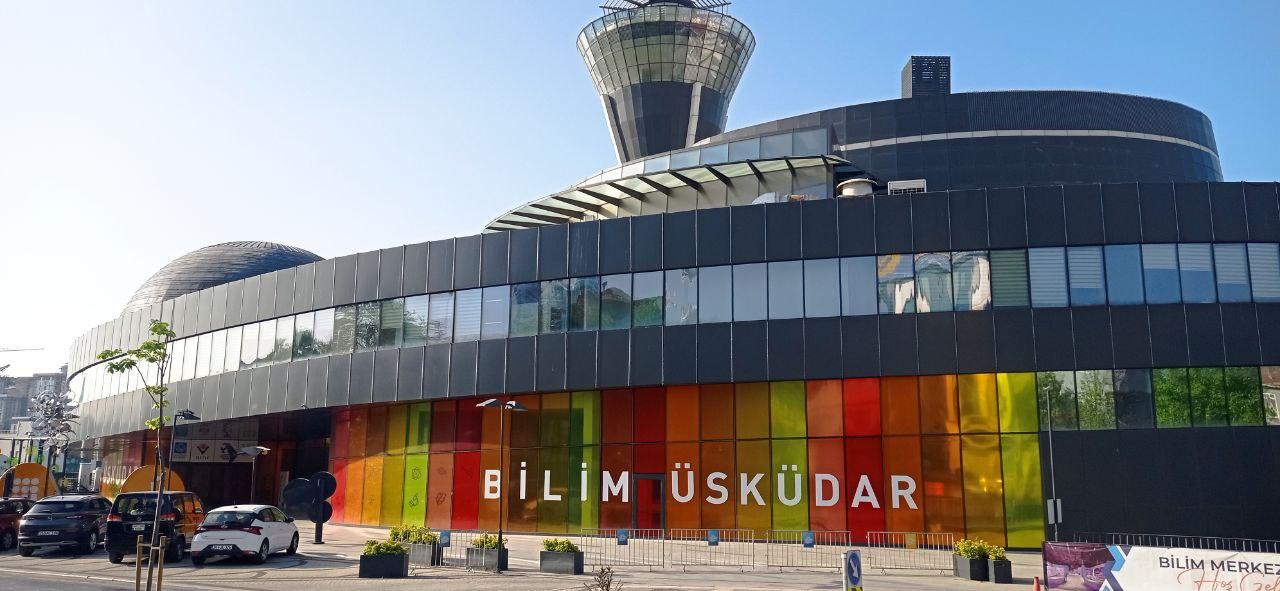
Figure 1: Üsküdar Science Center (Bilim Üsküdar)
【1】
The Science Center aims to foster scientific curiosity and awareness among all members of society, particularly children and youth, and to cultivate individuals who are rooted in social and cultural values and capable of generating high-value, technology-driven outputs that contribute to Türkiye’s progress in science and technology and guide future scientific and technological developments.
The primary objective of Üsküdar Science Center, in line with the above target, is to serve as a center where students can acquire and develop skills in independent learning, technology use, social interaction, group work, inquiry, and critical thinking skills.
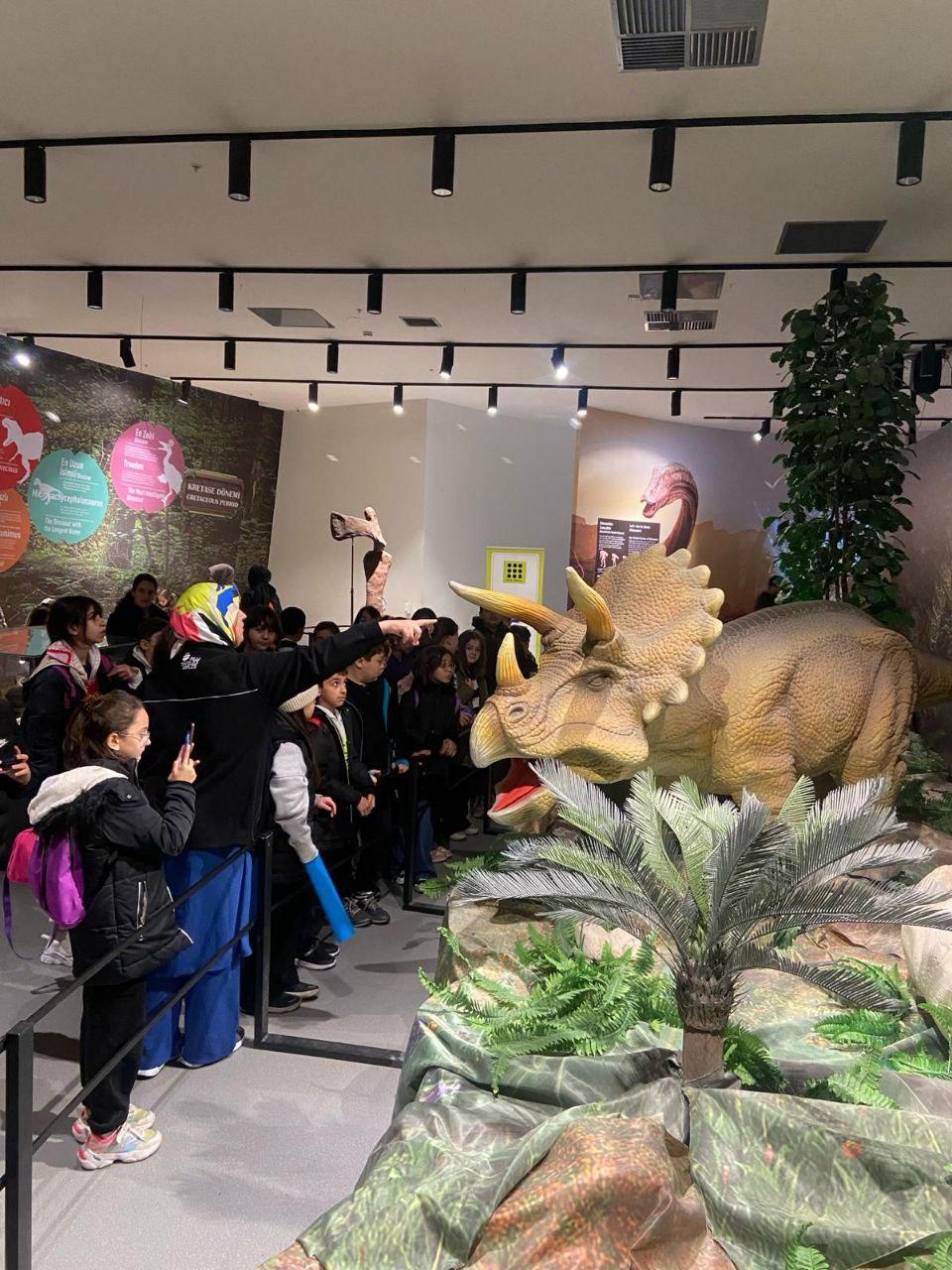
Figure 2: School Group Visits at the Üsküdar Science Center’s “Dinosaurs” Exhibition
【2】
The Üsküdar Science Center is a collaborative initiative between Üsküdar Municipality and TÜBİTAK【3】 and is Istanbul’s first and Türkiye’s sixth science center. It holds the distinction of being the most comprehensive science center in terms of content and services offered. One of its most prominent features is a planetarium with a 14-meter diameter and 4K resolution that allows observation of stars and celestial bodies, setting it apart from other planetariums across Türkiye.
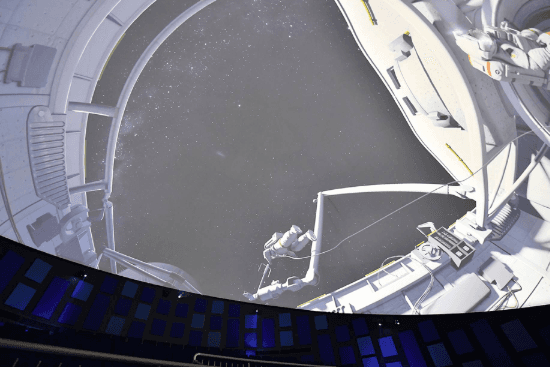
Figure 3: Planetarium at Üsküdar Science Center
Among the key educational opportunities offered by the Üsküdar Science Center are workshops for children focused on space sciences, aviation, technology, natural sciences, mathematics, design, and recycling. In these workshops, students receive hands-on instruction guided by trained educators. The center includes a 600-seat auditorium and a parking facility with a capacity of 300 vehicles.
The interactive exhibition area at the center is enriched with themes such as communication, robotics, automotive, finance, aviation and space, Blue Planet, and medical technologies. Additionally, temporary exhibition spaces host rotating exhibits throughout the year on various topics.
【4】
In addition to its educational functions, the Üsküdar Science Center hosts an Innovation Center aimed at supporting the growth of technology startups. Through expert mentoring, the center assists entrepreneurs in bringing domestic technologies to the market.
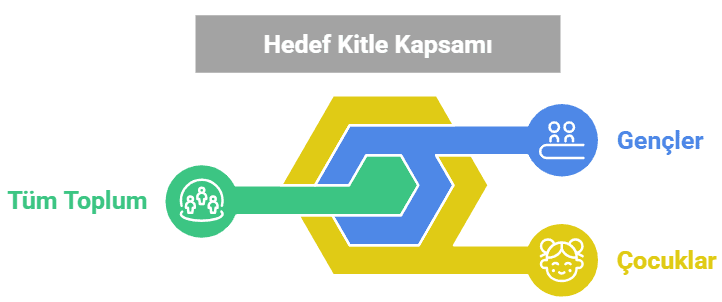
Figure 1: Target Audience Scope Diagram at Üsküdar Science Center
The center caters to all age groups from 7 to 70, with a primary focus on children aged 2 to 12 and youth aged 12 to 18. Visitors are provided with interactive exhibition areas, hands-on workshops, child game zones, open workspaces, library and a cafeteria as social activity spaces.【5】
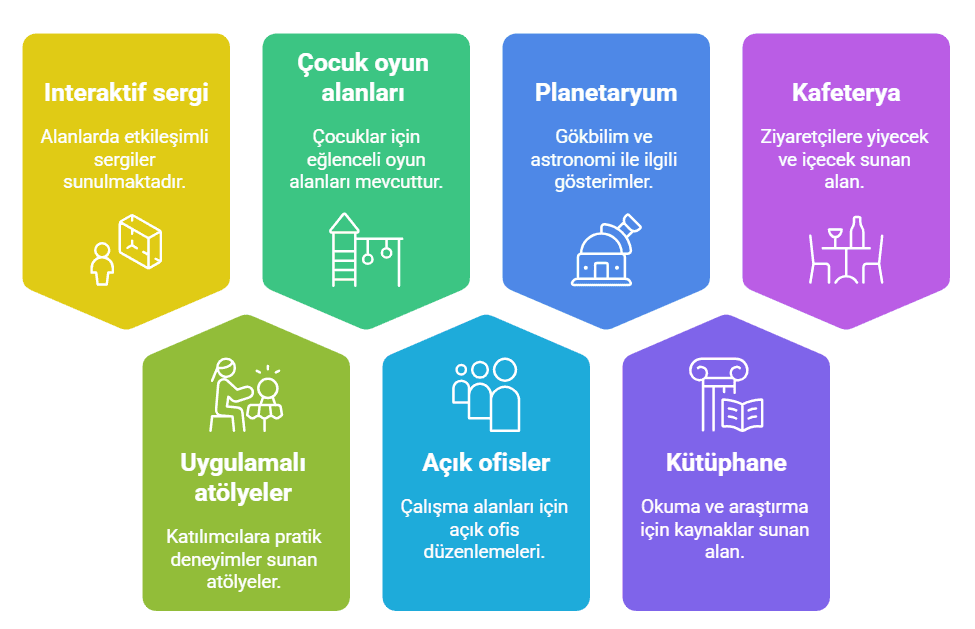
Figure 2: Social Spaces Diagram at Üsküdar Science Center
In addition to its interactive exhibition areas, the center offers workshops designed to strengthen the transmission of scientific and technological knowledge to students. These workshops aim to deepen students’ understanding of various scientific disciplines and make learning engaging and educational.
Students aged 6 to 14 may apply through a reservation system to attend weekday and weekend programs. Workshops are open to both group and individual participants. Students are assigned to workshops according to age groups: 6–8, 9–11, and 12–14 years.
The Natural Sciences Workshop covers sub-disciplines such as biology, physics, chemistry, and human biology.
The Mathematics Workshop aims to teach mathematical concepts to students through games. Fundamental mathematical ideas such as natural numbers, fractions, measurement, geometric shapes, and probability are presented through relatable everyday examples and playful activities, enabling students to develop their mathematical thinking skills.
Design workshops encourage students to explore their creativity and develop skills in various art disciplines. Practical activities are conducted in areas such as drawing, ceramic, weaving, ebru, miniature painting, glass coloring, origami, and calligraphy, among other art disciplines.
Technology workshops are designed to equip students with knowledge and skills in robotics, coding, and digital production. Students gain hands-on experience in areas such as robot building, film and animation production, mobile application development, 3D modeling, augmented reality, and energy technologies.
Astronomy Workshops
Students gain knowledge about space and universe, exploring fundamental cosmic structures such as planets, stars, and meteors.
Aviation and Space Workshops
Principles of aviation are taught through simple experiments. In these workshops, students examine the aerodynamic principles of aircraft and explore through hands-on activities how devices such as drones, unmanned aerial vehicles, and rockets function.
The Science Center, aiming to increase interest in science and technology and to encourage exploration and learning, offers visitors a comprehensive experience through both permanent and temporary exhibition areas. The permanent exhibition features over 200 interactive installations organized around eight main themes, while temporary exhibitions rotate periodically. The center promotes learning by providing diverse scientific and technological experiences tailored for students and families.
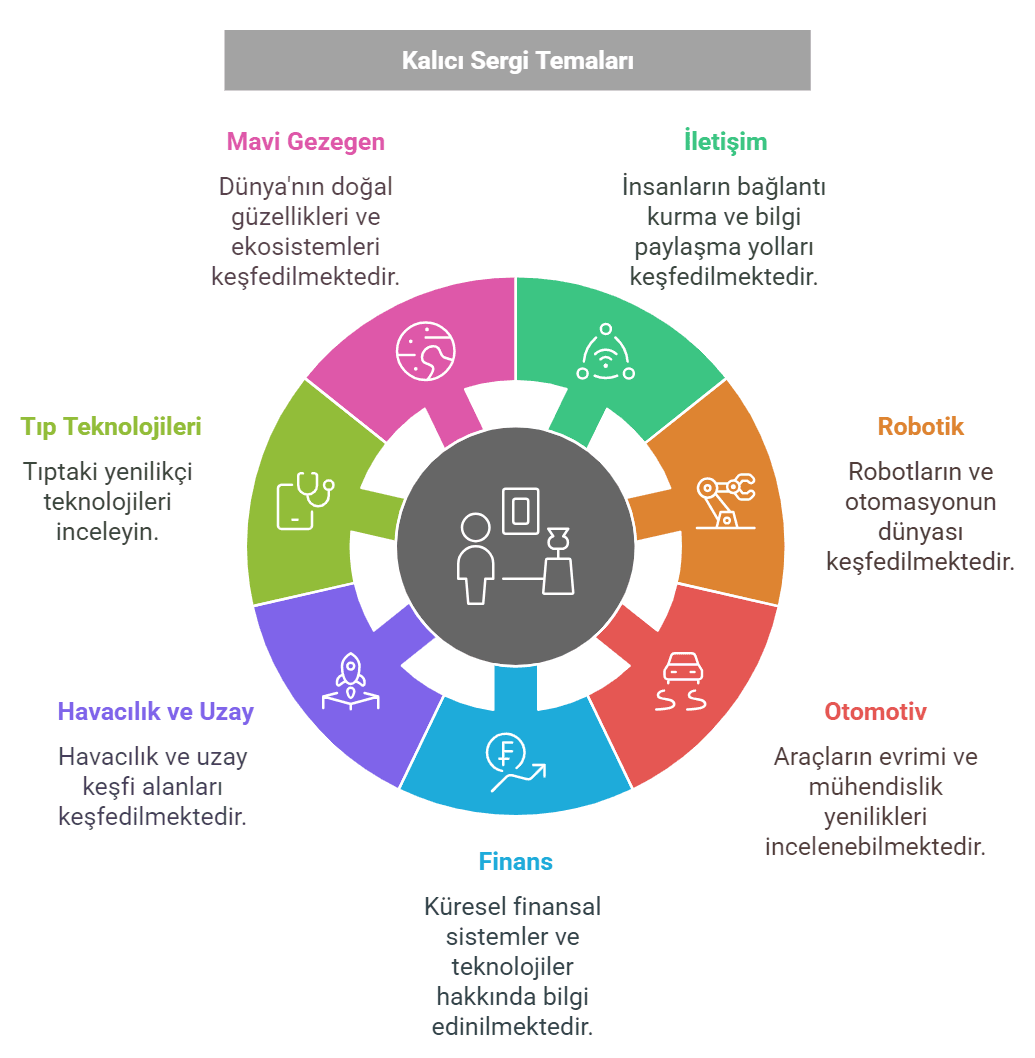
This exhibition examines the history of human communication and the impact of technological advancements on this process. It presents information on how traditional and modern communication tools and together artificial intelligence technology will transform communication in the future. The area features more than twenty interactive installations.
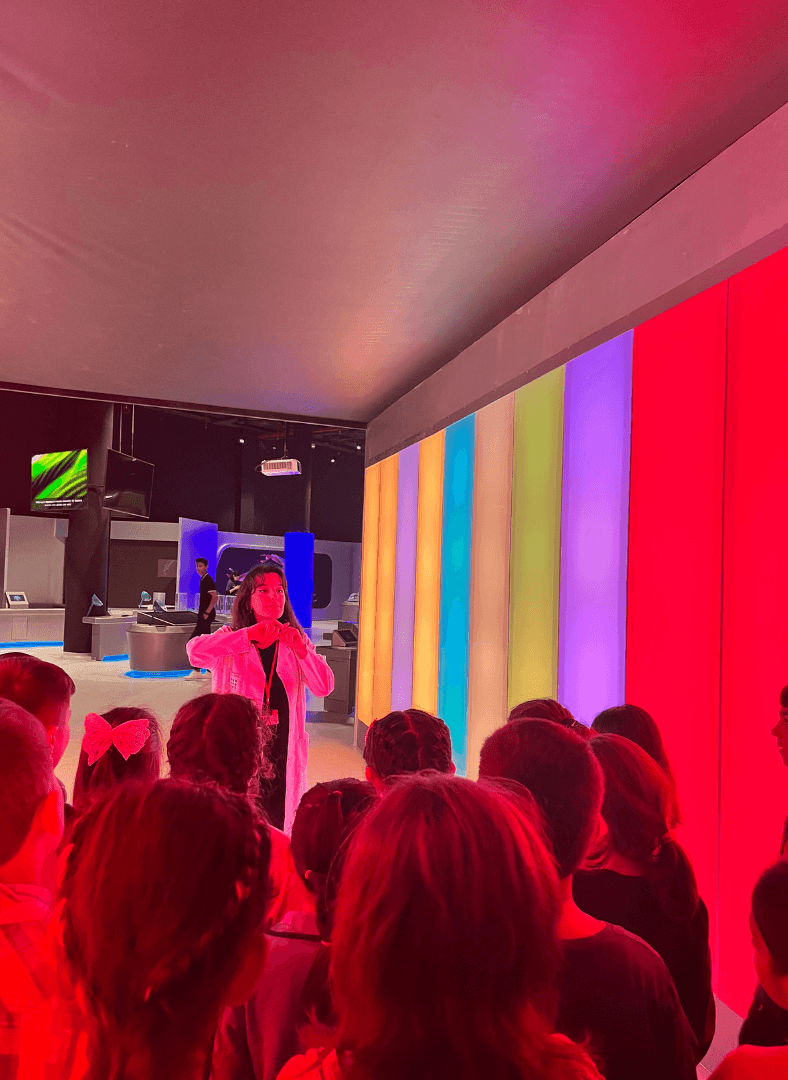
Figure 4: Communication Exhibition Area at Üsküdar Science Center
This exhibition introduces the evolution of robotics technology and its current applications. It consists of a wide range of informative and experiential installations, covering everything from basic robotic principles to advanced robotic systems. The exhibition includes fourteen interactive installations in total.
This exhibition conveys scientific and technological advancements in the automotive industry. Through interactive installations, visitors learn about the evolution of automotive technologies and future innovations. The exhibition features more than twenty installations.
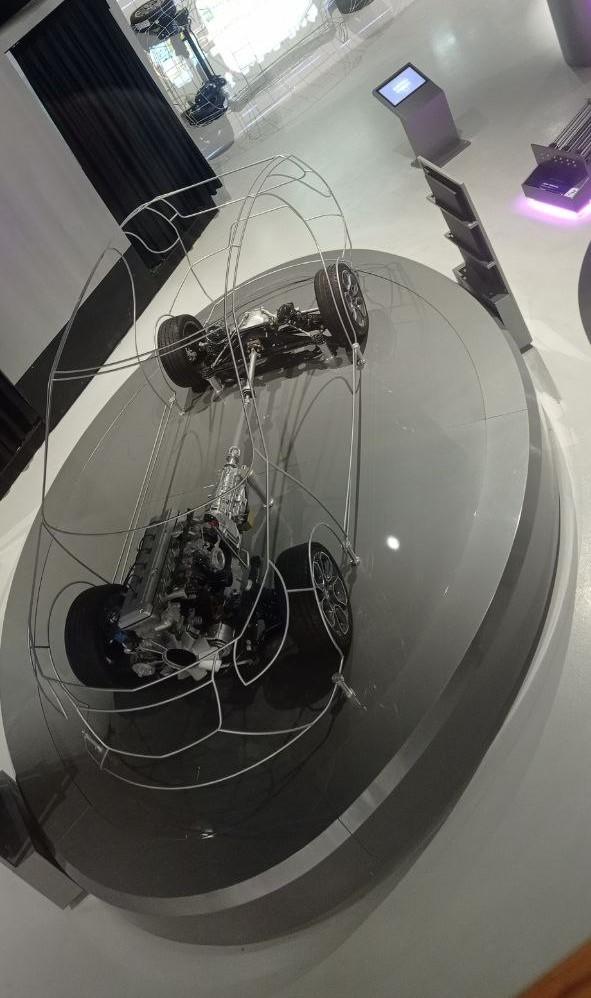
Figure 5: Automotive Exhibition Area at Üsküdar Science Center
This exhibition examines technological progress in the finance sector and its impact on individuals and society. Participants gain learning opportunities by experiencing financial processes firsthand. The area contains more than fifteen interactive installations.
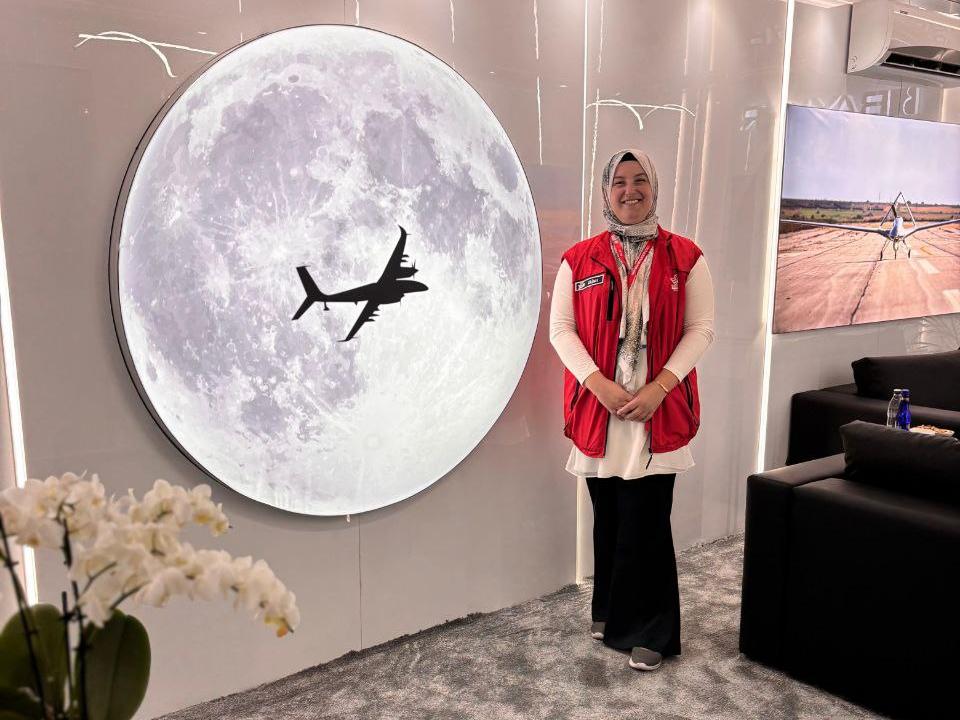
This exhibition covers fundamental astronomy topics such as the Sun system, planets, stars, and galaxies, as well as current developments in aviation technology. It also includes scale models and original components related to National Space Technologies. This section features over fifty interactive installations.
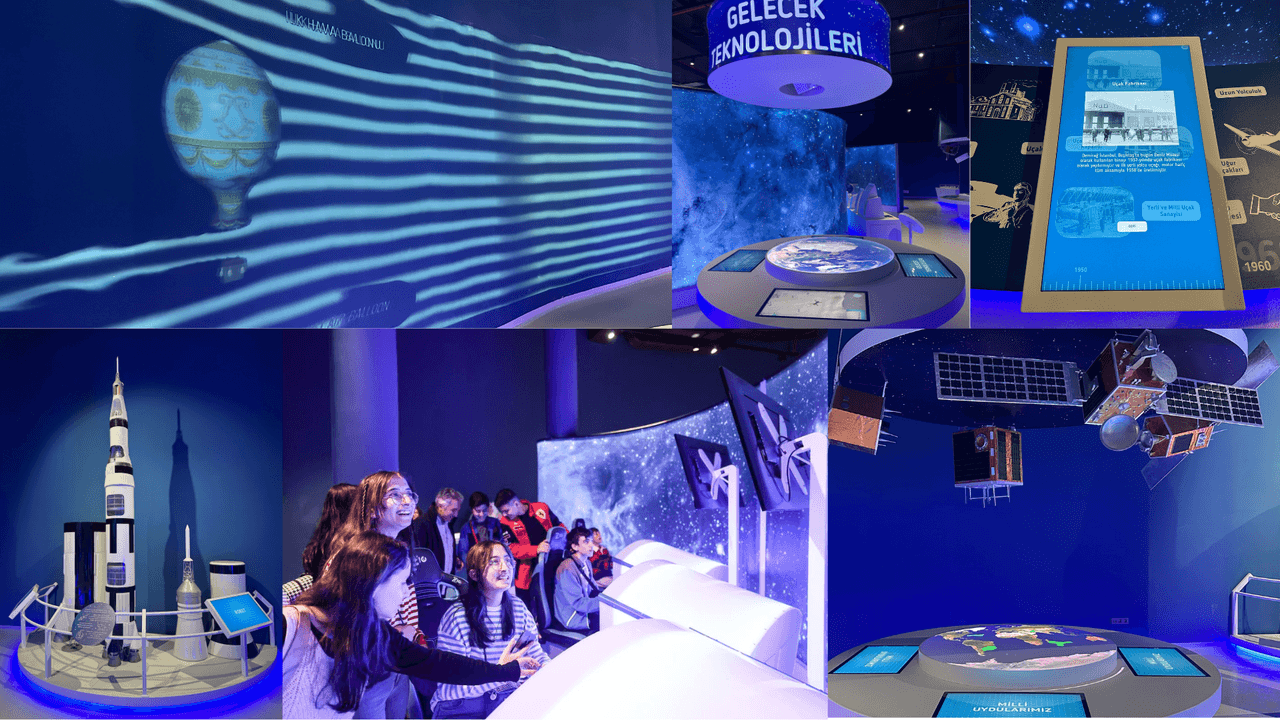
Figure 6: Aviation and Space Exhibition Area at Üsküdar Science Center
This exhibition offers opportunities to explore the human body’s systems, understand organ functions, and observe advancements in health technologies. Interactive installations allow visitors to directly experience medical technologies and learn through hands-on interaction. The area contains approximately forty installations.
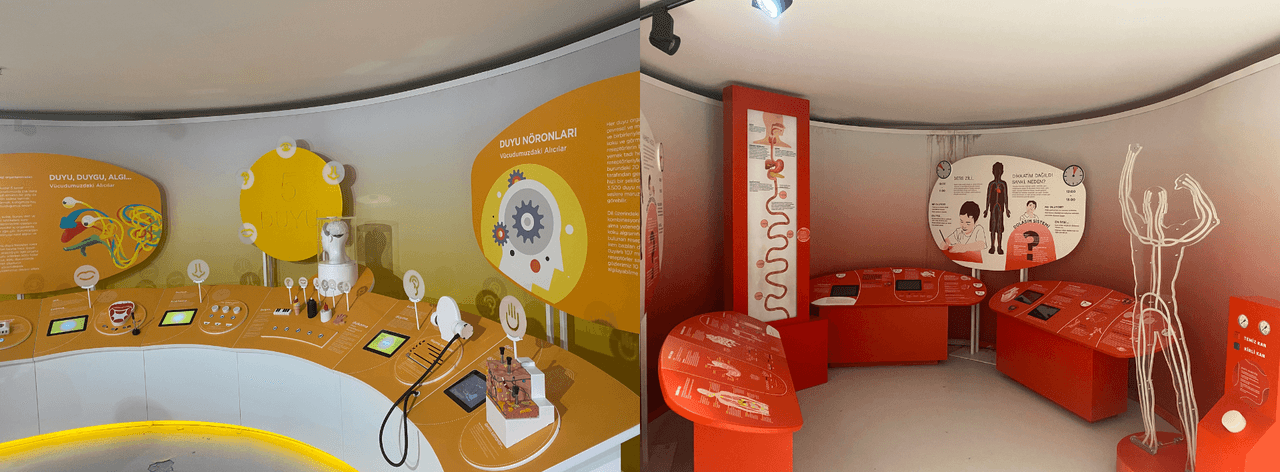
Figure 7: Medical Technologies Exhibition Area at Üsküdar Science Center
This exhibition explains the scientific foundations of natural phenomena on Earth through interactive installations. It includes educational and practical displays on topics such as Atmosphere, water cycles, climate events, and ecosystems. This section features twenty-seven installations.
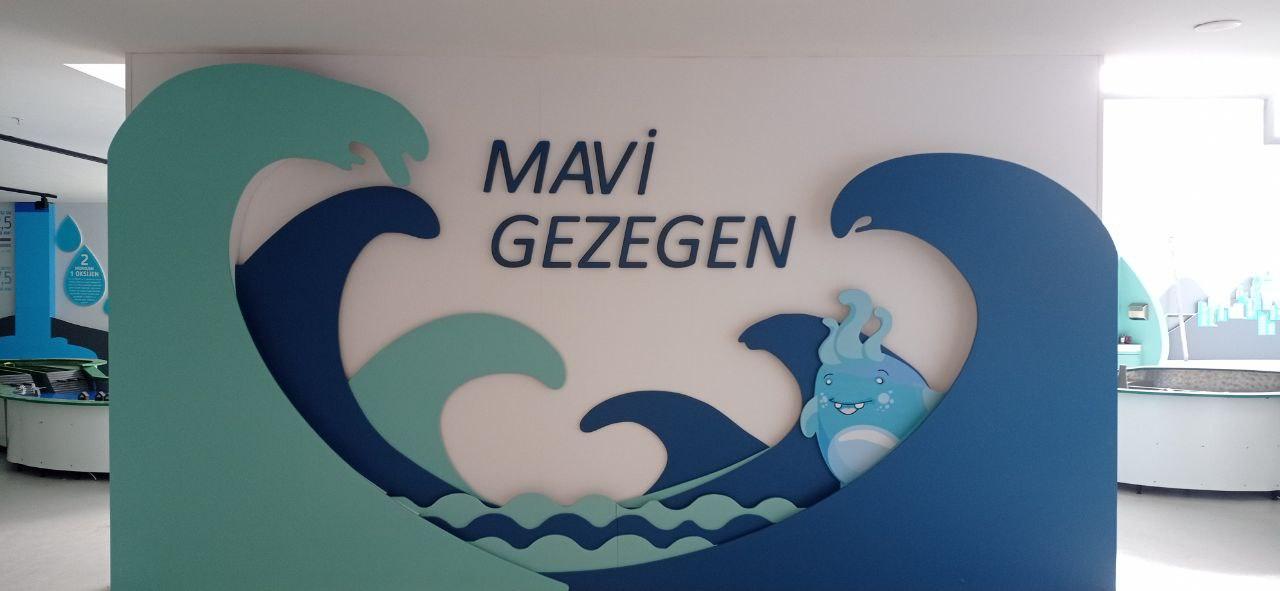
Figure 8: Blue Planet Exhibition Area at Üsküdar Science Center
The temporary exhibition titled “A World of Discovery” comprehensively explores themes such as resonance and waves, vision and perception, electricity and magnetism. The exhibition area contains over fifty interactive device, with content periodically updated to provide visitors with a dynamic learning environment.
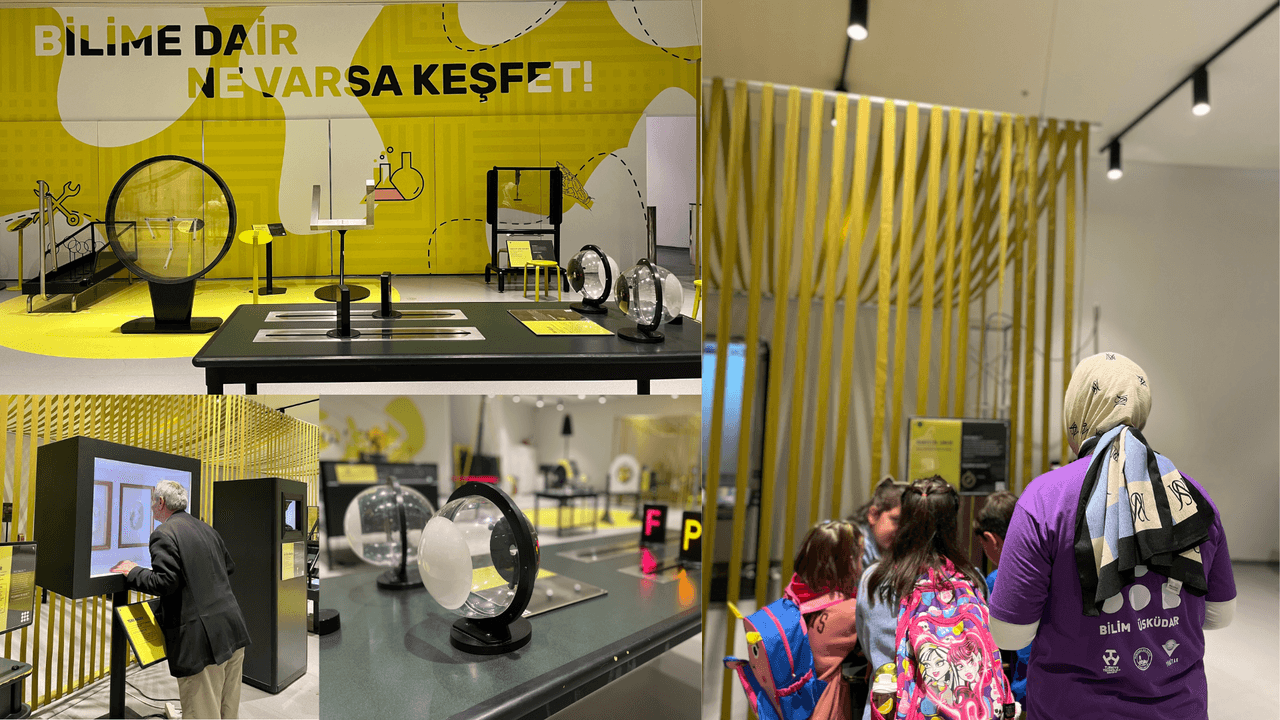
Figure 9: A World of Discovery Exhibition Area at Üsküdar Science Center
The “Dinosaurs” exhibition, opened on a rotating basis, is designed to appeal to all age groups. It presents scientific data on dinosaur evolution, life periods, and their roles in prehistoric ecosystems, enabling visitors to explore the ancient world. Through interactive installations, participants experience scientific facts from the era, enhancing their learning process.
The Science Center continues to promote scientific curiosity by offering visitors extensive and interactive exhibition areas that provide opportunities to discover and experience scientific and technological innovations.
Bilim Üsküdar. "Bilim Üsküdar Resmi Web Sitesi." Accessed February 18, 2025. https://bilimuskudar.org.
TÜBİTAK Bilim Centers. "Üsküdar Bilim Center." Accessed February 18, 2025. https://bilimmerkezleri.tubitak.gov.tr/uskudarbilimmerkezi.
YouTube. "Bilim Üsküdar Tanıtım Videosu." 2024. Video, 3:25. Published by: TRT Haber. Accessed February 18, 2025. https://youtu.be/jGr9q7sdL2M.
Üsküdar Belediyesi. "Bilim Üsküdar." Accessed February 18, 2025. https://www.uskudar.bel.tr/tr/main/pages/bilim-uskudar/438.
[1]
Bilim Üsküdar, "Bilim Üsküdar Official Website," accessed 18 February 2025, https://bilimuskudar.org
[2]
[3]
【3】
[4]
YouTube, Bilim Üsküdar Tanıtım Videosu, 2024, video, 3:25, published by: TRT Haber, accessed 18 February 2025, https://youtu.be/jGr9q7sdL2M.
[5]
TÜBİTAK Science Centers, "Üsküdar Science Center," accessed 18 February 2025, https://bilimmerkezleri.tubitak.gov.tr/uskudarbilimmerkezi.
[6]
Üsküdar Municipality, "Science Üsküdar," accessed 18 February 2025, https://www.uskudar.bel.tr/tr/main/pages/bilim-uskudar/438.
No Discussion Added Yet
Start discussion for "Üsküdar Science Center (Bilim Üsküdar)" article
Üsküdar Science Center
Vision and Mission
General Structure
Objectives and Goals【6】
Objectives
Goals
Workshops
Natural Sciences Workshop
Mathematics Workshop
Design Workshop
Technology Workshop
Astronomy, Aviation, and Space Workshop
Permanent Exhibitions
Communication Exhibition
Robotics Exhibition
Automotive Exhibition
Finance Exhibition
Aviation and Space Exhibition
Medical Technologies Exhibition
Blue Planet Exhibition
Temporary and Dinosaurs Exhibition Areas