


This article was automatically translated from the original Turkish version.
+2 More
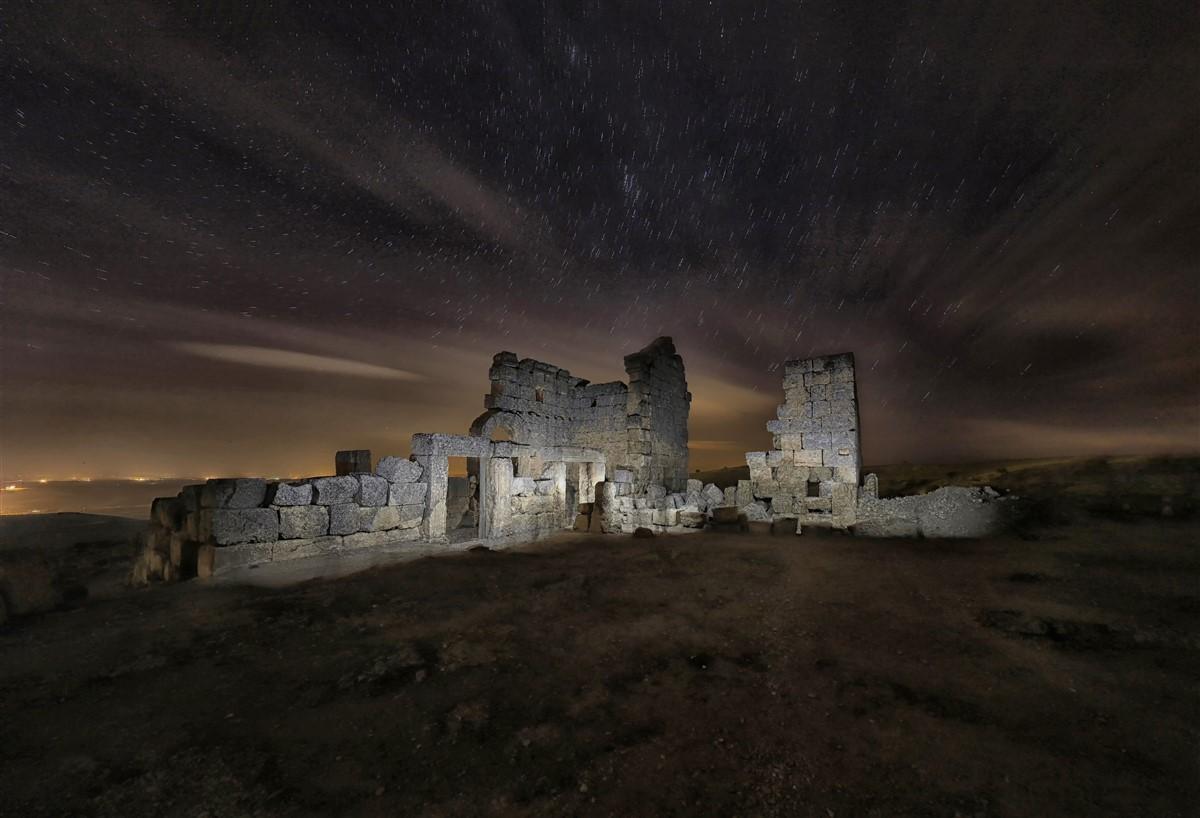
Zerzevan Castle
Location | Diyarbakır-Mardin Road Çınar District Demirölçek Neighborhood Diyarbakır | ||||||||
|---|---|---|---|---|---|---|---|---|---|
Date | Origin: Assyrian Period (882–611 BC) – known as 'Kinabu' Final Use: Until conquered by Islamic armies in 639 Persian Period: Road security along the Royal Road (550–331 BC) Roman Period: Constructed in the 3rd century AD during the Severan Dynasty Restoration during the reigns of Anastasius I (AD 491–518) and Justinian I (AD 527–565) | ||||||||
Structural Features | Walls: 1200 meters length – 15 meters height Necropolis: Rock-cut tombs – vaulted tombs Outer Area: Water channels – libation bowls – stone quarries Residential Area: Streets – alleys – villas Structures: Observation tower – defense tower – church – administrative building – armory – rock altar – water cisterns – underground church – underground shelter – Mithraeum | ||||||||
Mithras Temple | Features: The first and only Mithraeum on Rome’s eastern frontier Significance: One of Rome’s earliest Mithraea Usage: Bull sacrifice rituals – secret Mithraic rites Carved into the main rock – columns – niches – radiating crown motif – water/ritual channel – sacrifice pool | ||||||||
Cultural Significance | On the UNESCO World Heritage Tentative List (Zerzevan Castle and Mithraeum) Assyrian - Persian - Traces of Pagan Rome and Christian Rome Mithraism: A mystery religion dedicated to the sun god Mithras | ||||||||
Present Day | Assyrian artifacts Plan: Establishment of Zerzevan Museum 1890s–1967: Used as a settlement area Excavations: Ongoing with permission from the Ministry of Culture and Tourism Findings: Roman surgical instruments - jewelry - lamps | ||||||||
Zerzevan Castle is a Roman military settlement located within the boundaries of Demirölçek Village in the Çınar district of Diyarbakır, along the Diyarbakır-Mardin highway. Strategically positioned to control a vast valley along an ancient trade route, the fortress served as a garrison for the eastern frontier of the Roman Empire. Its history extends back 3,000 years to the Assyrian period (882–611 BCE), when it is believed to have been known as “Kinabu.” During the Persian period (550–331 BCE), it was used to secure the safety of the Royal Road. In the Roman period, the main military settlement was constructed in the 3rd century CE during the Severan dynasty (198–235 CE), and its walls and structures were repaired or rebuilt during the reigns of Anastasius I (491–518 CE) and Justinian I (527–565 CE) to reach their final form. The fortress remained in continuous use until it was captured by Islamic armies in 639 CE, after which it lost its strategic importance and became a temporary shelter.
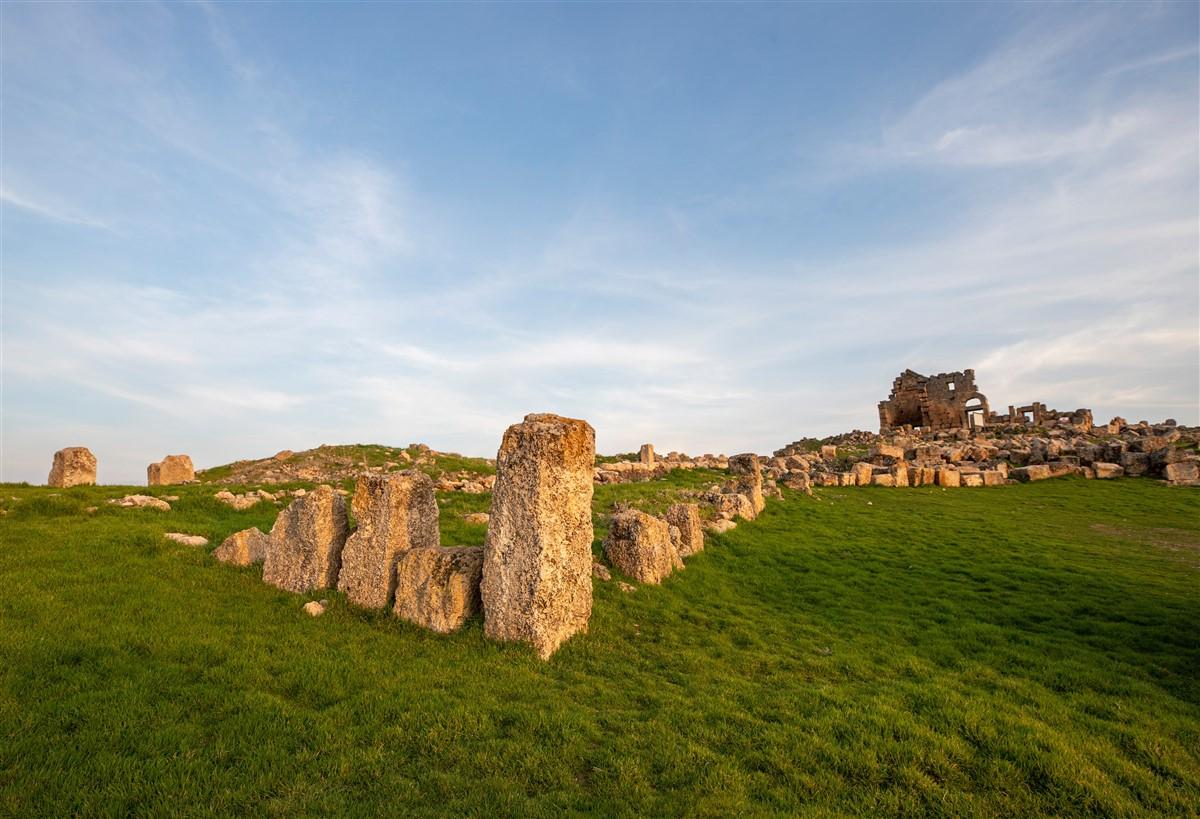
Zerzevan Castle (Diyarbakır Governorship)
Zerzevan Castle is a military settlement enclosed by walls 1,200 meters in length and 15 meters in height. The southern section contains observation and defense towers, a church, an administrative building, an arsenal, and a rock altar, among other public structures, while the northern section features streets, alleys, villas, and residential dwellings. In the residential area, there are water cisterns, an underground church, an underground shelter, and the Mithras Temple, among other significant structures. Outside the walls are water channels, offering basins, and stone quarries. The necropolis area is notable for its rock-cut and vaulted tombs. With both above-ground and underground urban components, Zerzevan is one of the best-preserved Roman garrisons in the world.
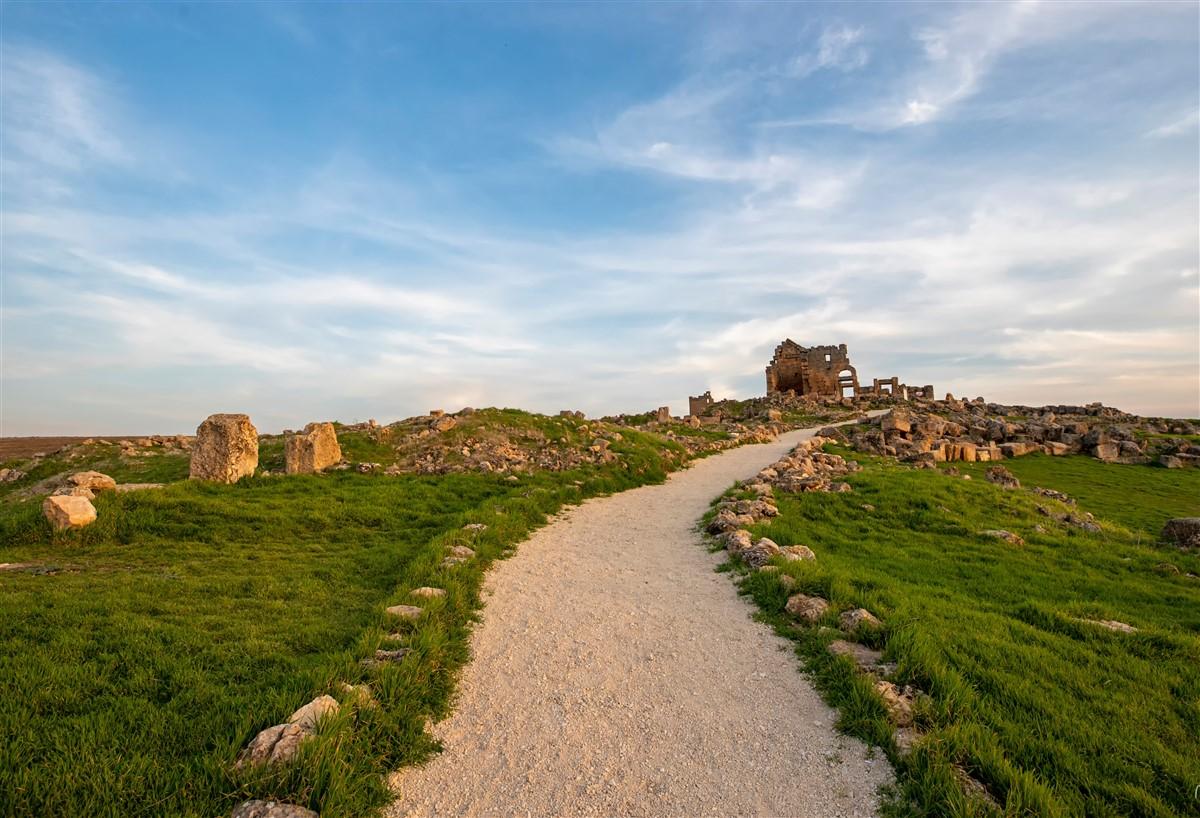
Zerzevan Castle (Diyarbakır Governorship)
The Mithras Sacred Area (Mithraeum), located in the northern part of the fortress, was carved directly into the bedrock and is the first and only Mithras temple found on the eastern frontier of the Roman Empire. The eastern wall features columns, a large central niche, and two smaller niches on either side. On the band above the large niche, traces of paint and likely symbols associated with Mithras are present; a plaque depicting the scene of the bull sacrifice was also found here. The rayed crown motif carved into the wall, the water or blood basin in one of the small niches, and the pool on the floor are elements known to have been used in Mithras rituals. The ceiling contains four niches designed for animal sacrifices during ceremonies. Inscriptions and symbols are visible at the temple entrance, while adjacent underground structures contain basins used for bull sacrifice rituals and evidence of secret rites. The temple is among the earliest Mithraea in the Roman world.
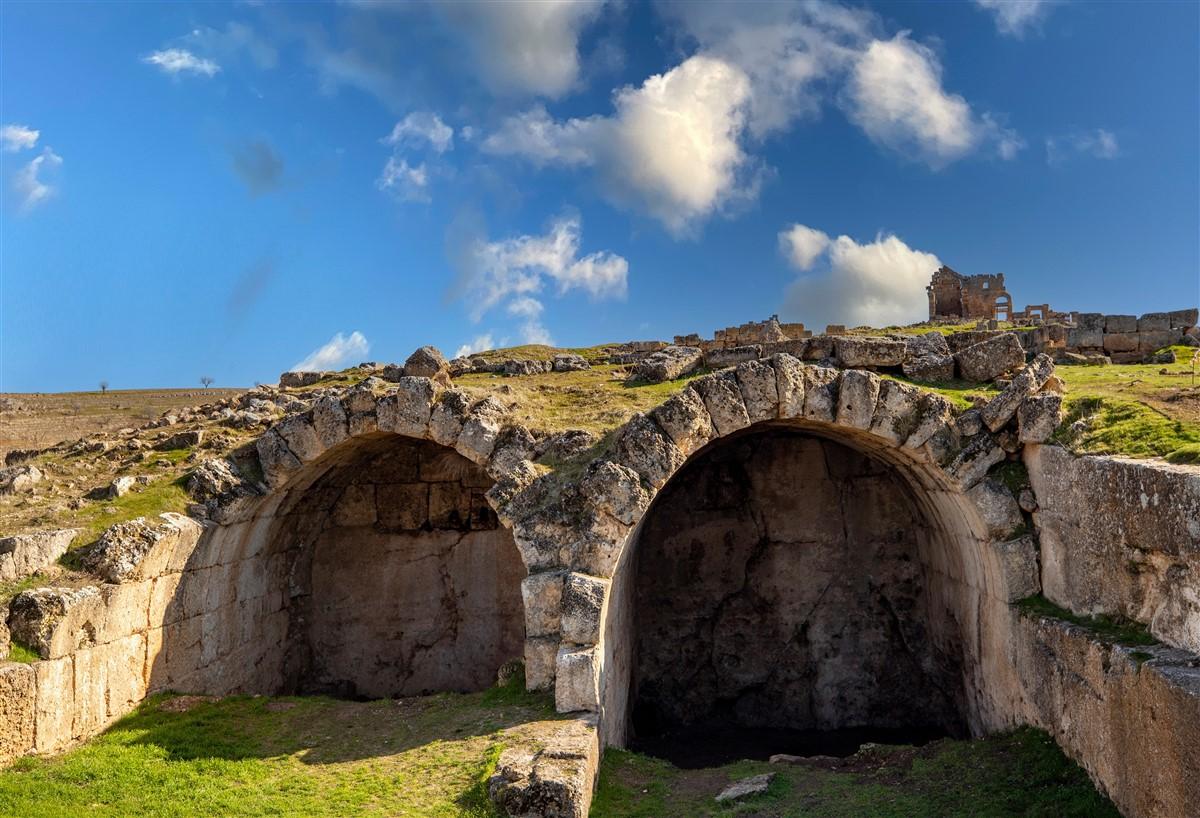
Zerzevan Castle (Diyarbakır Governorship)
Mithras, a deity of Indo-Persian origin, is associated with “agreement and friendship,” and is linked to the sun, light, war, justice, and faith. The mystery religion of Mithraism, which became widespread among Roman soldiers, merchants, and aristocrats during the 2nd and 3rd centuries CE, was banned in the 4th century CE with the rise of Christianity. It is notable for its secret rituals conducted underground and a seven-stage initiation process open only to men. The temple at Zerzevan is one of the last surviving traces of this religion in the Roman world and stands out due to its exceptional state of preservation.
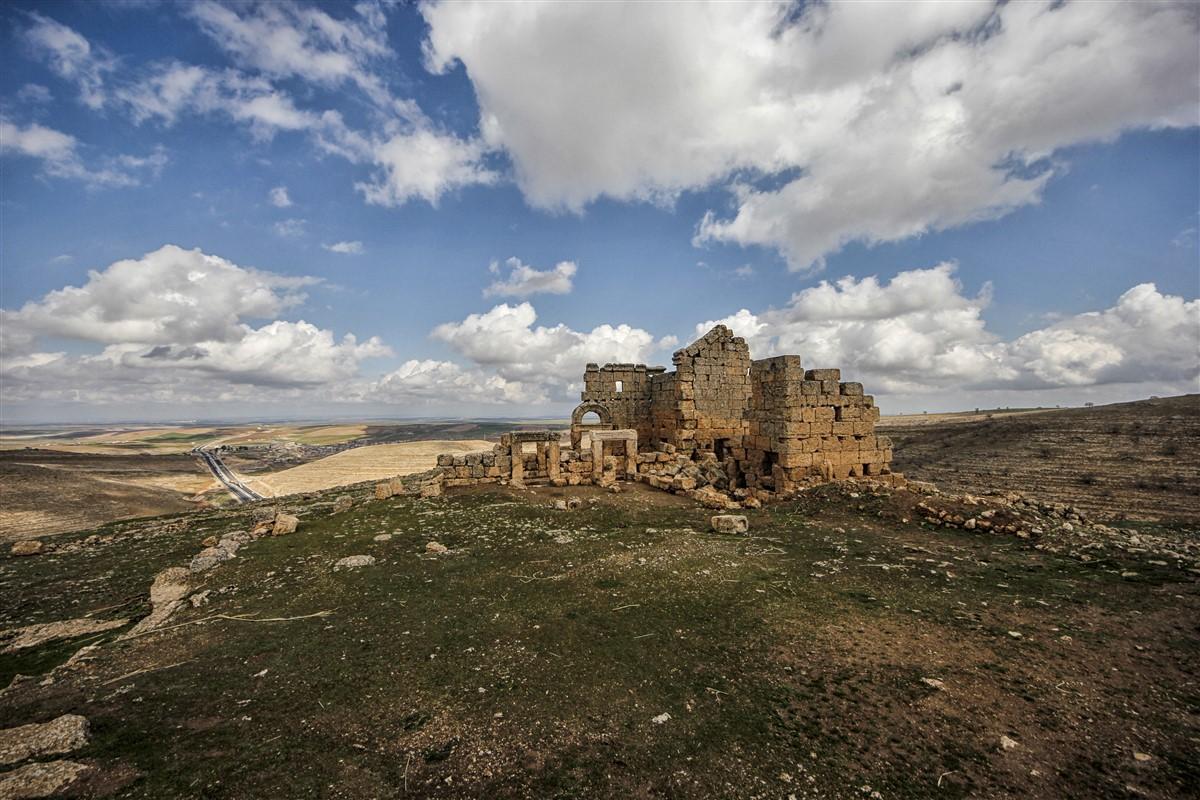
Zerzevan Castle (Diyarbakır Governorship)
The fortress, estimated to have housed approximately 1,200 soldiers and 400 civilians during peacetime, lost its significance after 639 CE and was reused in the 1890s when a family settled there. In 1967, due to difficulties with water and access, the family relocated to the nearby village of Demirölçek. No excavations were conducted at the site for 1,400 years, but recent archaeological work has unearthed Roman surgical instruments, jewelry, lamps, ceramics, and artifacts dating to the Assyrian period. These discoveries reflect the technological and cultural development of pagan and Christian Rome.
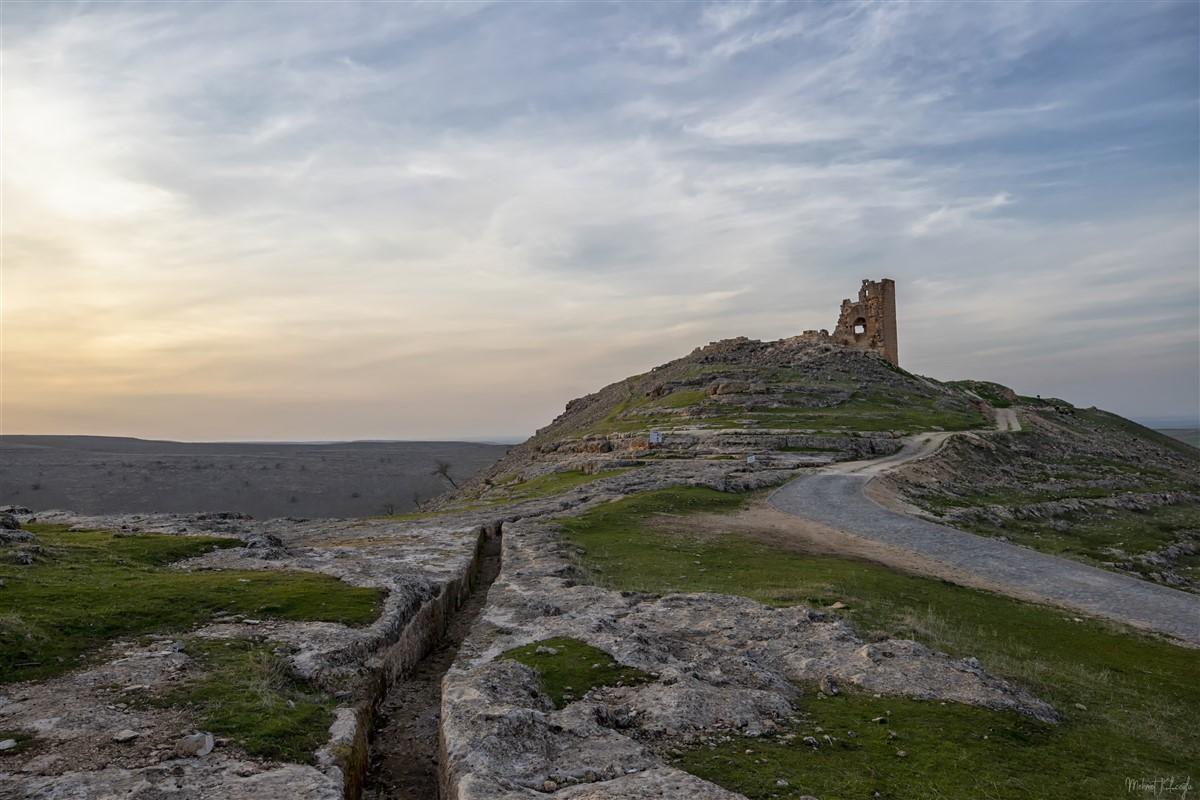
Zerzevan Castle (Diyarbakır Governorship)
Zerzevan Castle and the Mithras Temple are listed on UNESCO’s Tentative World Heritage List due to their reflection of the interaction between two major cultures, their well-preserved structures, and their role as the sole Mithras temple on Rome’s eastern frontier. Excavations, conducted with the permission of the Ministry of Culture and Tourism, continue to reveal the site’s rich history. Plans are underway to establish the Zerzevan Museum in the near future and to display the findings.
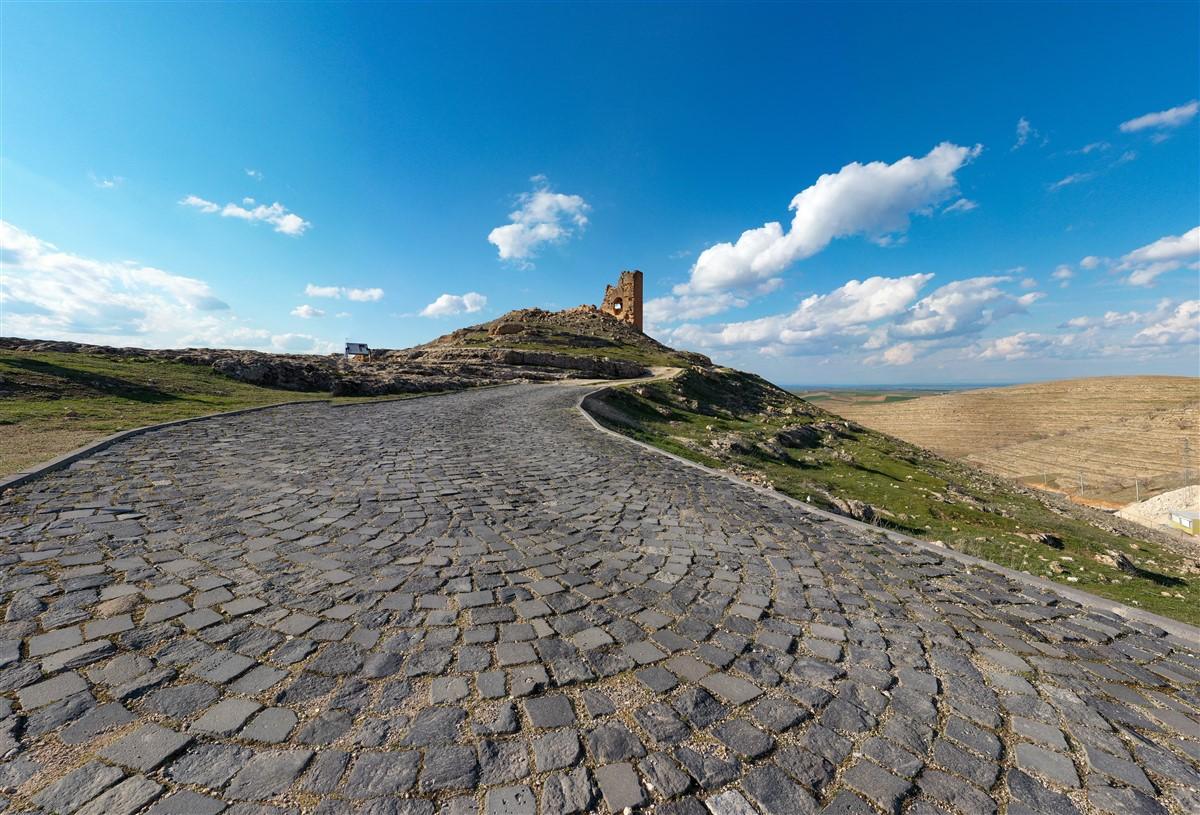
Zerzevan Castle (Diyarbakır Governorship)
Culture Portal. "Zerzevan Kalesi | Kültür Portalı." Accessed April 8, 2025.https://www.kulturportali.gov.tr/turkiye/diyarbakir/gezilecekyer/zerzevan-kalesi-
Culture and Museums General Directorate. "Zerzevan Kalesi ve Mithraeum, Diyarbakır 2020." Accessed April 8, 2025.https://kvmgm.ktb.gov.tr/TR-261501/zerzevan-kalesi-ve-mithraeum-diyarbakir-2020.html
Diyarbakır Ticaret ve Sanayi Odası. "Zerzevan Kalesi Mithraeum (Mithras Tapınağı)." Accessed April 8, 2025.https://diyarbakir.org.tr/mekan/zerzevan-kalesi-mithraeum-mithras-tapinagi/
Diyarbakır İl Kültür ve Turizm Müdürlüğü. "Zerzevan Kalesi." Accessed April 8, 2025.http://www.diyarbakir.gov.tr/zerzevan-kalesi

Zerzevan Castle
Location | Diyarbakır-Mardin Road Çınar District Demirölçek Neighborhood Diyarbakır | ||||||||
|---|---|---|---|---|---|---|---|---|---|
Date | Origin: Assyrian Period (882–611 BC) – known as 'Kinabu' Final Use: Until conquered by Islamic armies in 639 Persian Period: Road security along the Royal Road (550–331 BC) Roman Period: Constructed in the 3rd century AD during the Severan Dynasty Restoration during the reigns of Anastasius I (AD 491–518) and Justinian I (AD 527–565) | ||||||||
Structural Features | Walls: 1200 meters length – 15 meters height Necropolis: Rock-cut tombs – vaulted tombs Outer Area: Water channels – libation bowls – stone quarries Residential Area: Streets – alleys – villas Structures: Observation tower – defense tower – church – administrative building – armory – rock altar – water cisterns – underground church – underground shelter – Mithraeum | ||||||||
Mithras Temple | Features: The first and only Mithraeum on Rome’s eastern frontier Significance: One of Rome’s earliest Mithraea Usage: Bull sacrifice rituals – secret Mithraic rites Carved into the main rock – columns – niches – radiating crown motif – water/ritual channel – sacrifice pool | ||||||||
Cultural Significance | On the UNESCO World Heritage Tentative List (Zerzevan Castle and Mithraeum) Assyrian - Persian - Traces of Pagan Rome and Christian Rome Mithraism: A mystery religion dedicated to the sun god Mithras | ||||||||
Present Day | Assyrian artifacts Plan: Establishment of Zerzevan Museum 1890s–1967: Used as a settlement area Excavations: Ongoing with permission from the Ministry of Culture and Tourism Findings: Roman surgical instruments - jewelry - lamps | ||||||||
Structural Features
Mithras Temple
Mithras Religion and Cultural Significance
Historical Use and Present Day
UNESCO Status