

`unesco-world-heritage` Related Article Results
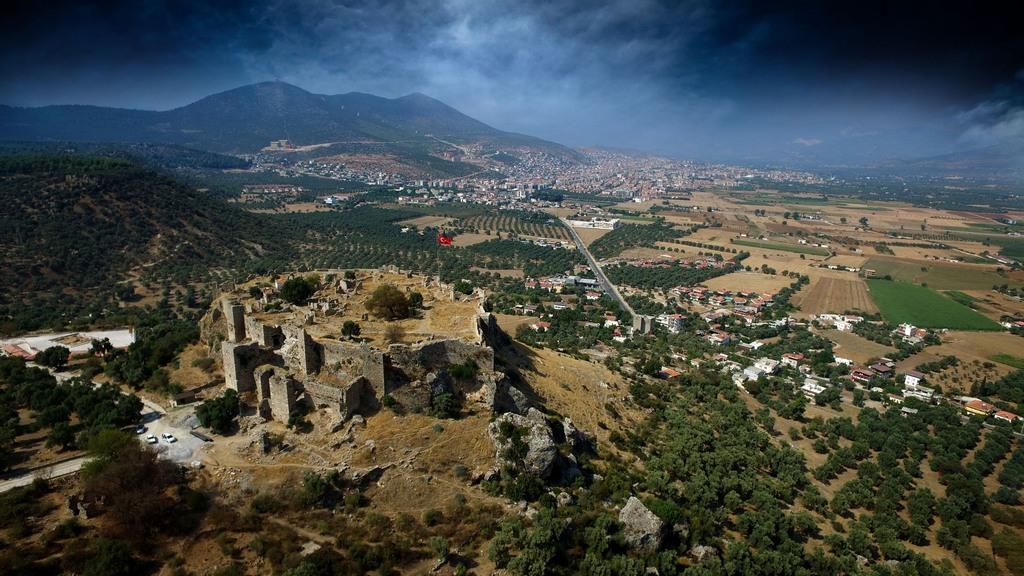
Beçin Castle and Archaeological Site
Beçin Castle and Archaeological Site is located within the boundaries of Beçin Village, approximately 5 kilometers south of the Milas district in Muğla Province. Beçin, accessible via the Milas-Ören road, is situated on a flat plateau about 200 meters above the Milas Plain, dominating the surrounding landscape. Archaeological remains from various periods are found at the foot of the steep northern slope of the castle and around its perimeter. Beçin Castle.(AA) " image-alternate="" image-element-
EN
Bilge Öztürk
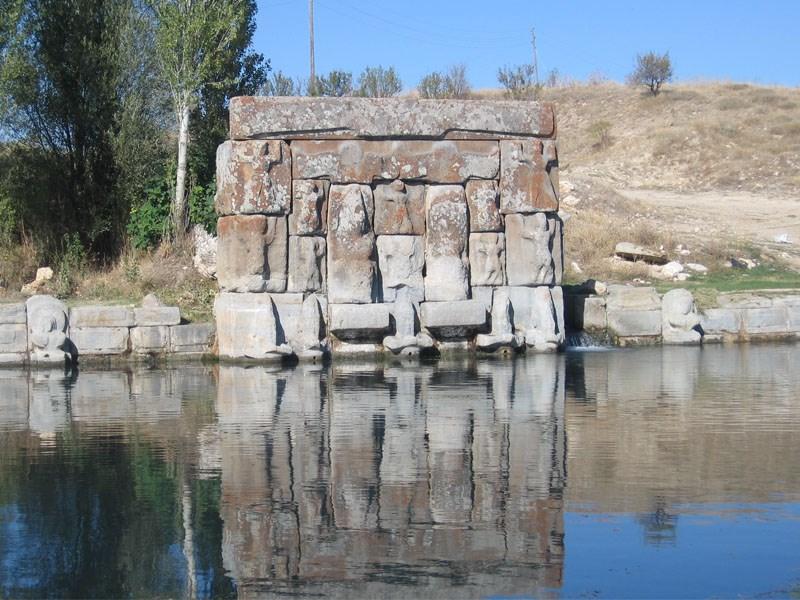
Eflatunpınar Hittite Water Monument
Eflatunpınar Hittite Water Monument is an archaeological structure dated to the final quarter of the 13th century BCE, located within the boundaries of Sadıkhacı Village in the Beyşehir district of Konya Province, Türkiye. It is believed to have been constructed during the reign of the Hittite Great King Tudhaliya IV. The monument is regarded as one of the most significant open-air sacred sites of the Hittite period due to its architectural design, reliefs, and water system.
EN
Ahsen Güneş
 Ça
ÇaÇavuşin Church
Çavuşin Church is located at the entrance of Çavuşin Village, part of Avanos district in Nevşehir, situated on the Göreme-Avanos road approximately 2.5 kilometers from Göreme. The church is carved into natural rock and built in two levels: the lower floor consists of monk cells, while the upper floor serves as the worship area. The original natural staircase to the upper floor has collapsed and is now accessed by a later-added iron staircase. The church features a single nave with a barrel vault
EN
Melike Saraç
KeKeçi Bastion
Keçi Bastion is an important part of the fortification system within the boundaries of Diyarbakır. It rises on a naturally carved rock mass in the southeastern section of the city walls, east of the Mardin Gate. Its strategic location provides a commanding view of the city’s natural and historical landmarks, including the Tigris River, Hevsel Gardens, the Ten-Eyed Bridge, and Kırklar Mountain. Structurally, the tower is quite large and is considered the largest and oldest tower on the Diyarbakır
EN
Meltem Saraç
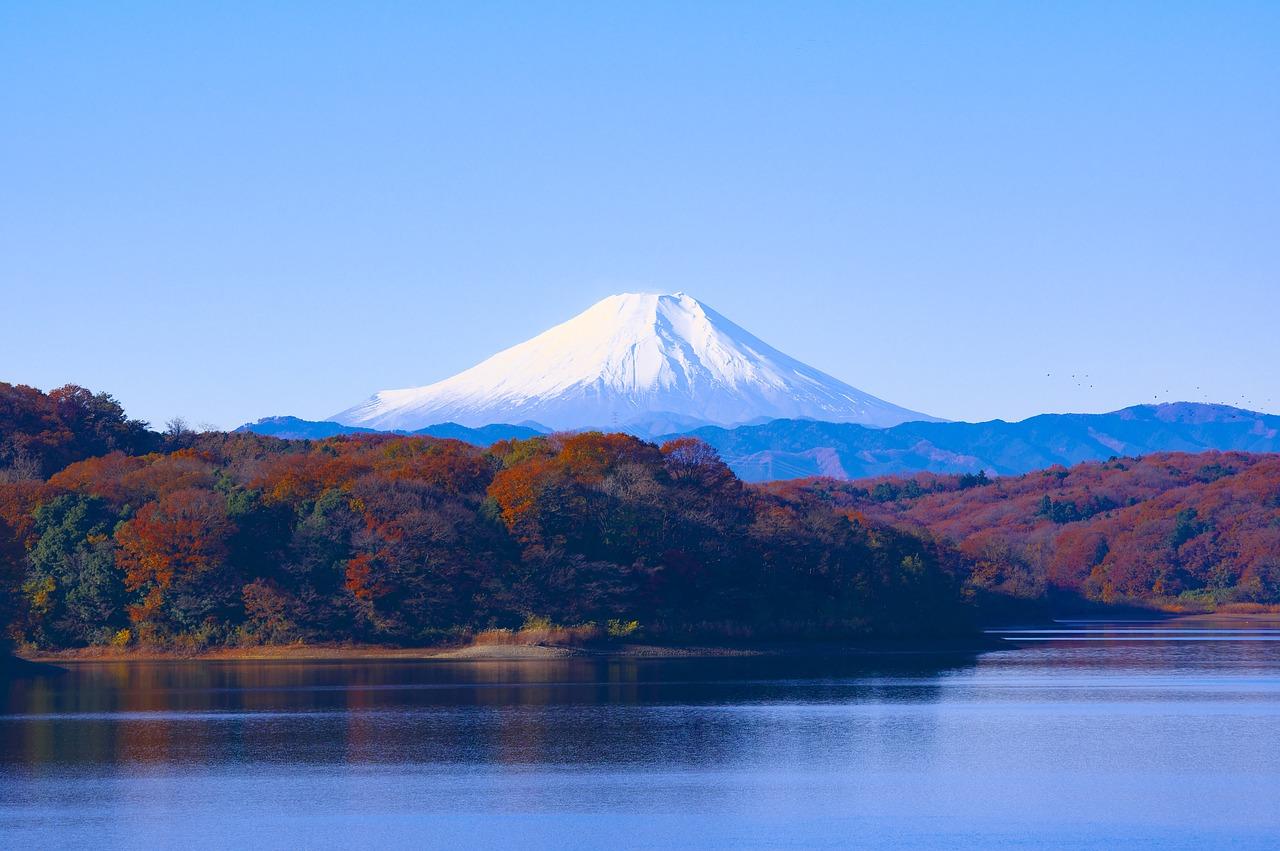
Mount Fuji
Mount Fuji (Japanese: 富士山, Fujisan) is the highest peak in Japan, standing at 3,776 meters. It is located in central Honshu Island, approximately 100 kilometers southwest of Tokyo. Known for its symmetrical conical shape, this stratovolcano is snow-capped for about half the year. Mount Fuji has long been recognized for its aesthetic and spiritual significance, both by the Japanese people and international observers. Mount Fuji (World History Encyclopedia) " image-element-format="right" image-sou
EN
Ömer Faruk Bilcan
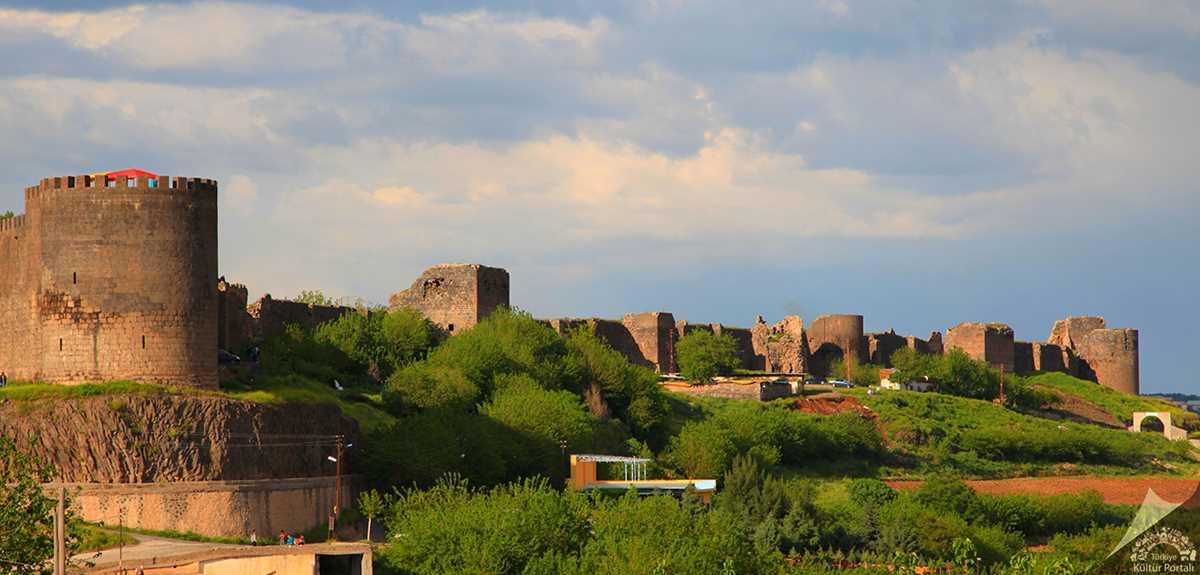
Diyarbakır Fortress and Havsel Gardens
Diyarbakır Castle and Hevsel Gardens is a two-component cultural landscape located within the boundaries of Diyarbakır Province in Türkiye. At the 39th UNESCO World Heritage Committee Meeting held in Bonn Germany in 2015, the Diyarbakır Castle and Hevsel Gardens Cultural Landscape was inscribed on the UNESCO World Heritage List as Türkiye’s 14th heritage site. Listed under number 1488, the site has been recognized under cultural criteria (i), (iii) and (v). Diyarbakır Castle and Walls Diyarbakır
EN
Neriman Çalışkan
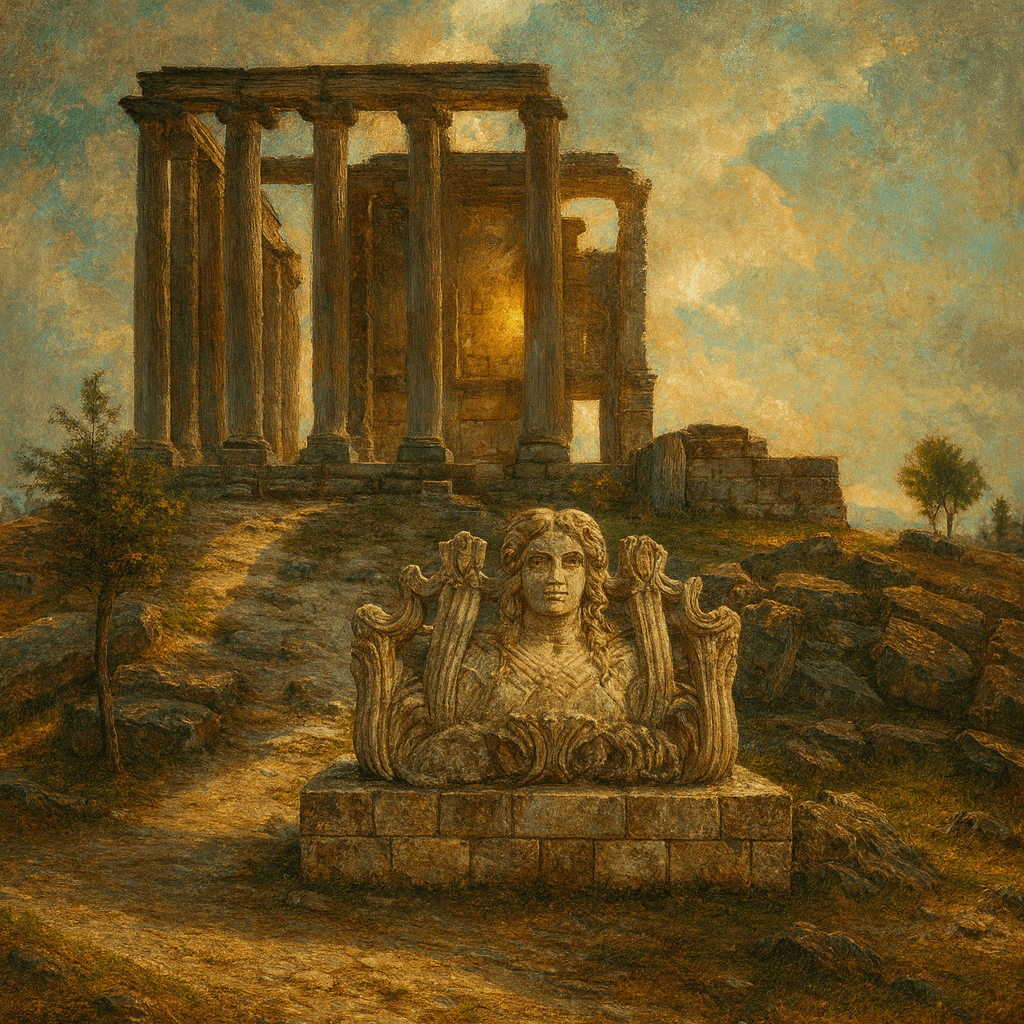
Aizanoi Ancient City
Time Travel The ancient city of Aizanoi, located in the Çavdarhisar district of Kütahya, has stood for more than 2,000 years and derives its name from the mythological hero Azan. According to legend, Azan was the son of the water nymph Erato and King Arkas. That is why Aizanoi is rich in both legends and authentic historical structures. (Generated by Artificial Intelligence) " image-element-format="justify" image-source="https://cdn.t3pedia.org/media/uploads/2025/08/16/CHAOiBWQTyAQ5C2Cko75zIoa7Y
EN
Hikmet Can Urhan
Afyonkarahisar Ulu Camii
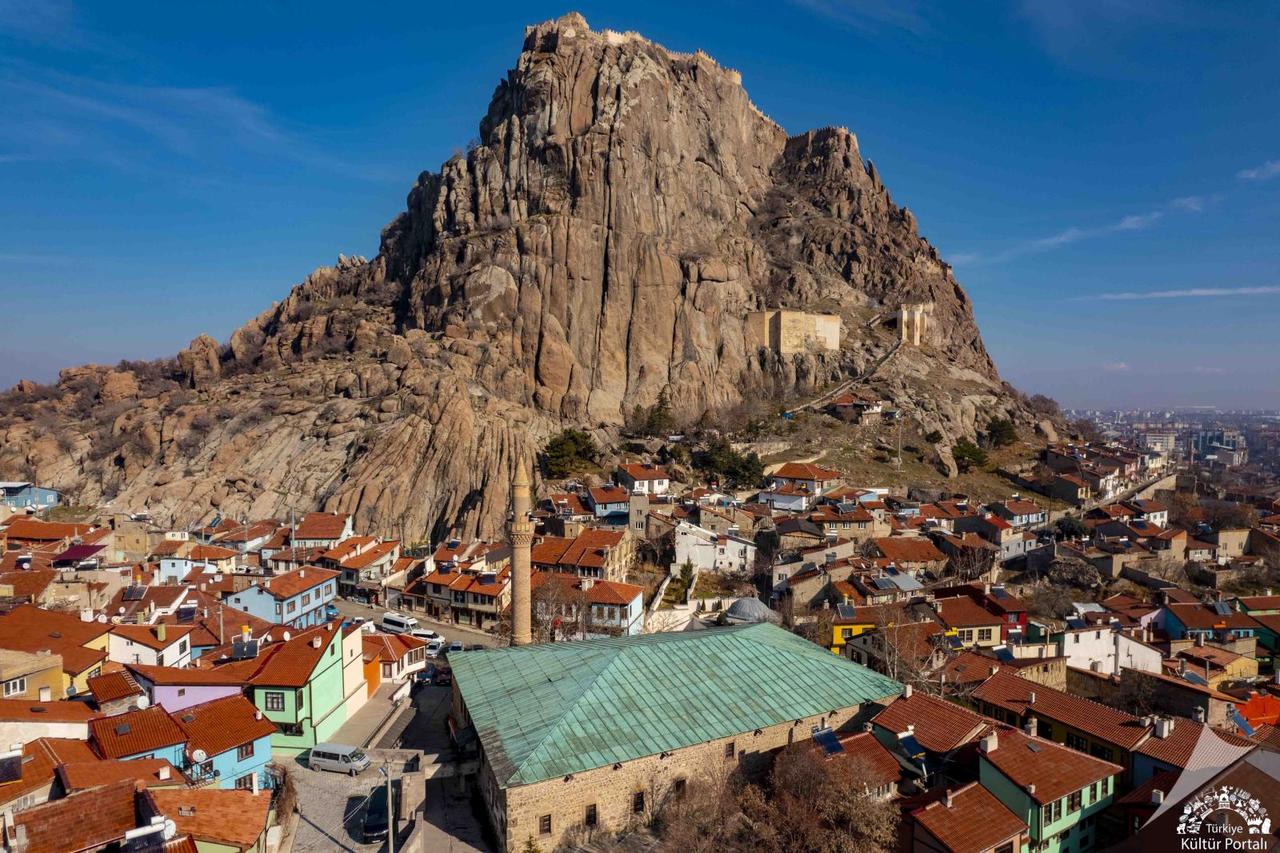
Afyonkarahisar Ulu Camii was commissioned by Sâhipataoğlu Nusretiddin Hasan during the Anatolian Seljuk period between 1272 and 1277 for Emir Hâc Bey el-Neccar. Construction began in 671 AH and was completed in 676 AH. The structure is an original example of the group of Seljuk-era mosques with wooden columns and flat ceilings, and over time it has also been known as "Cami-i Kebir" and "Hocabey Camisi." The mosque is located in the center of Afyonkarahisar, within the boundaries of Tac Ahmet Mah
ENNeriman Çalışkan
Palace of Versailles
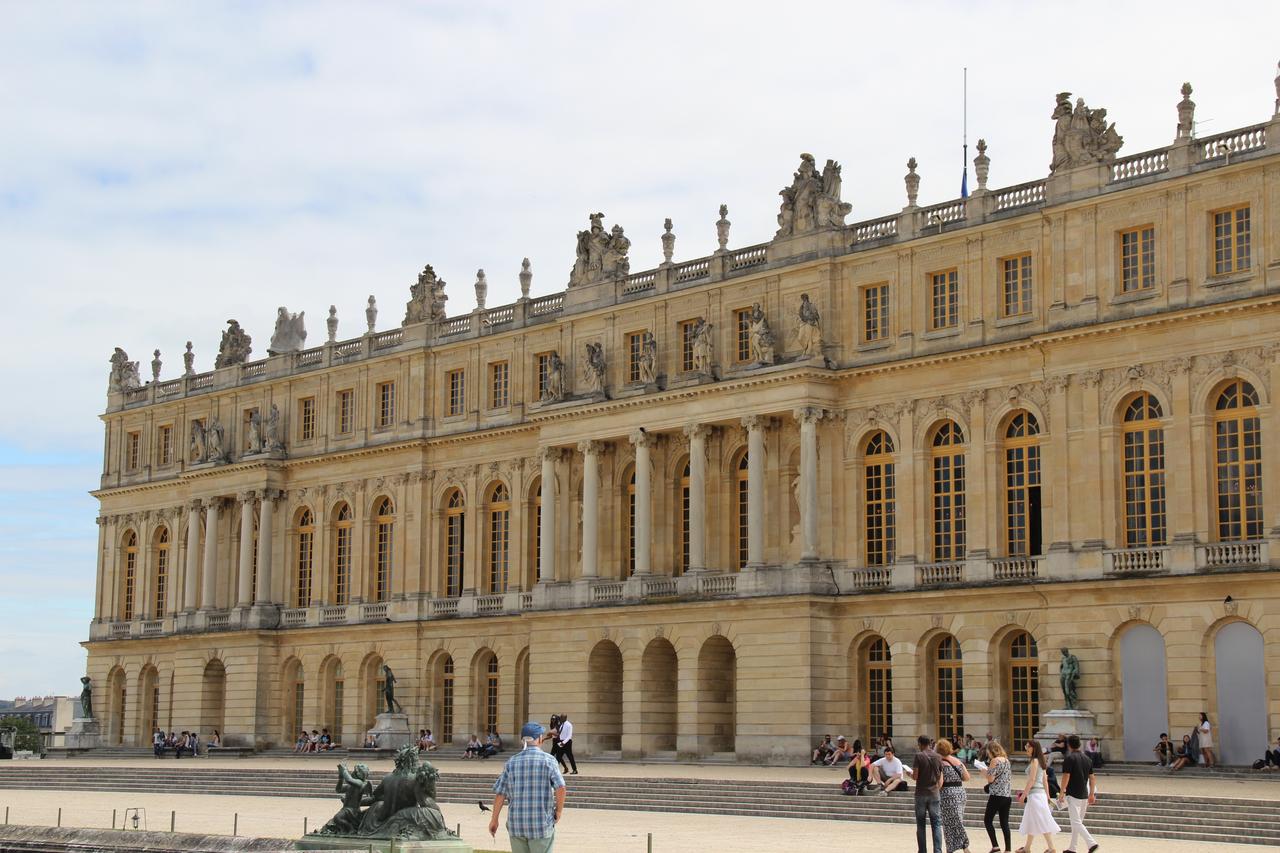
Palace of Versailles, France’s Île-de-France region, located southwest of Paris, is a royal palace regarded as one of the most important representatives of 17th-century French art. It has been listed on the UNESCO World Heritage List since 1979 and holds universal value both architecturally and in terms of landscape design. Originally constructed as a small hunting lodge by Louis XIII, it was transformed and expanded by his son Louis XIV in 1682 into the royal residence and center of government.
EN
Miray GÜR
Beçin Castle and Archaeological Site
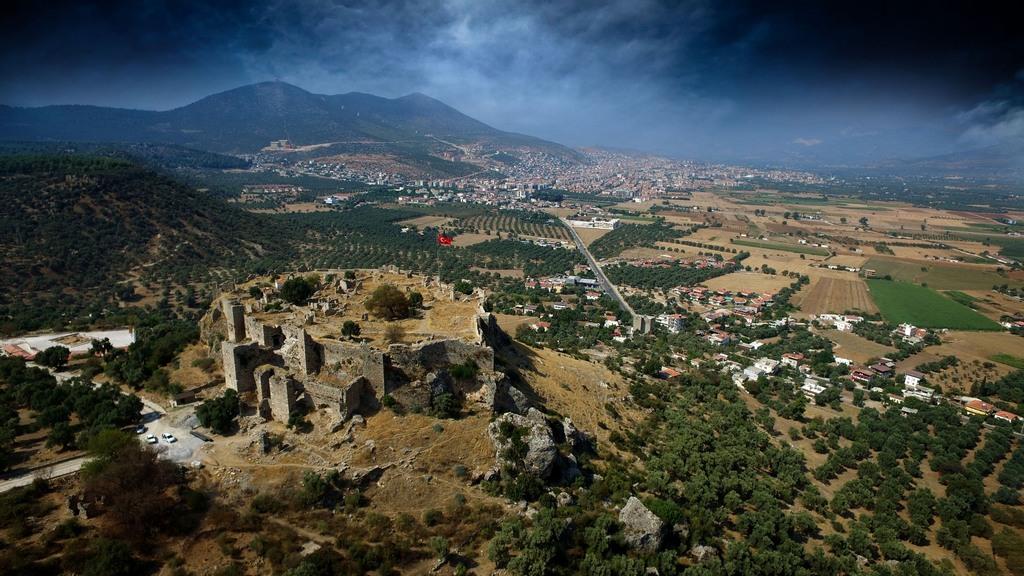
Beçin Castle and Archaeological Site is located within the boundaries of Beçin Village, approximately five kilometers south of the district center of Milas in the province of Muğla. Beçin is accessible via the Milas-Ören road and is situated on a flat plateau about 200 meters above the Milas Plain, commanding a view over the valley. Archaeological remains from various periods are found at the foot of the steep northern slope of the castle and around its perimeter. History The history of the Beçi
EN
Bilge Öztürk