

This article was automatically translated from the original Turkish version.
+2 More
Status(es) | Largely ruined no excavation conducted | ||||||||
|---|---|---|---|---|---|---|---|---|---|
Feature(s) | On a steep rocky outcrop steep-sloped conical formation | ||||||||
Material(s) | Cut stone rubble stone | ||||||||
Structure(s) | Inner citadel (square plan) towers outer walls | ||||||||
Location | Manisa dominance of the Gediz Valley Uzunburun Village | ||||||||
Purpose(s) | Defense against Turkish raids outpost castle | ||||||||
Period(s) | Late 12th century – early 13th century Byzantine | ||||||||
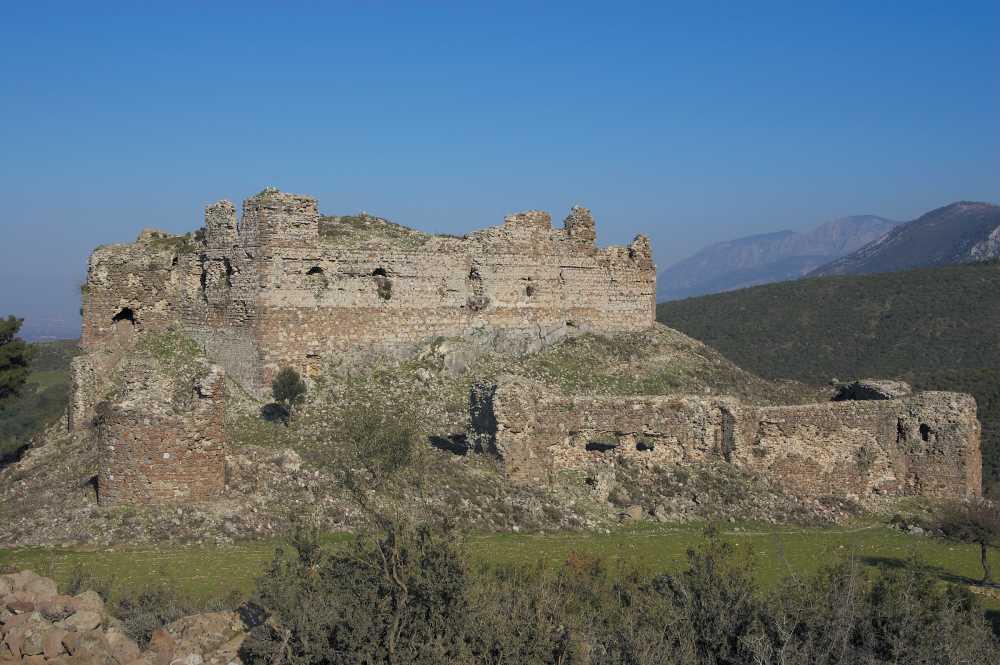
Yoğurtçu Kalesi is located near Uzunburun Village in Manisa and was constructed by the Byzantines at the end of the 12th century and the beginning of the 13th century. It is known as one of the "Neokastron" fortresses built for defense against Turkish raids. During the 13th century especially, the fortress served as a strategic outpost.
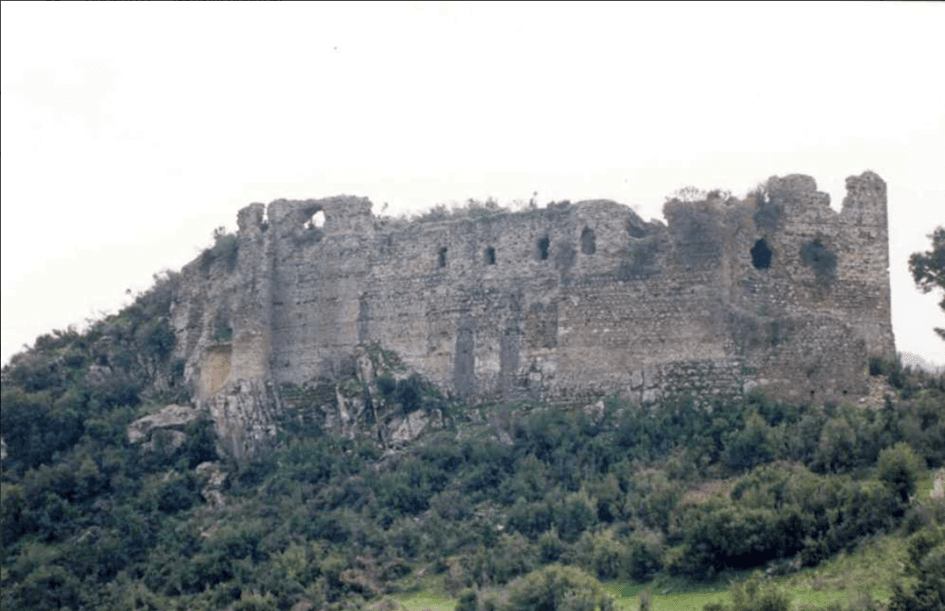
Yoğurtçu Kalesi (Türkiye Culture Portal)
It is situated approximately 20 kilometers from the center of Manisa, near Uzunburun Village, on a prominent limestone formation that overlooks the Gediz Valley. This formation differs from the surrounding volcanic terrain and takes the shape of a conical elevation with steep slopes, disconnected from the surrounding land on its eastern, western, and northern sides.
The fortress consists of an inner citadel surrounded by outer walls on its eastern, western, and southern sides. The outer walls are reinforced with towers placed at regular intervals. The inner citadel is built atop a steep rocky outcrop and has a roughly square plan. While notable remains are visible on the southern face of the outer walls, the eastern and western sections have been largely destroyed. Most of the interior spaces within the inner citadel are in ruins. The structure was built using cut stone and rubble stone. Although the exact plan of the fortress has not been fully determined, it is believed to have been approximately square in layout.
Manisa İl Directorate of Culture and Tourism. "Manisa Kaleleri." T.C. Kültür veTurizm Bakanlığı. Accessed June 21, 2025. https://manisa.ktb.gov.tr/TR-73019/kaleler.html
T.C. Ministry of Culture and Tourism. "Yoğurtçu Kalesi." *Türkiye Kültür Portalı*. Accessed June 21, 2025. https://kulturportali.gov.tr/turkiye/manisa/gezilecekyer/yogurtcu-kalesi
T.C.Yunusemre Kaymakamlığı Governorship. "Tarihten Bugüne Yoğurtçu Kalesi." Accessed June 21, 2025. http://www.yunusemrekaymakamligi.gov.tr/tarihten-bugune-yogurcu-kalesi

Status(es) | Largely ruined no excavation conducted | ||||||||
|---|---|---|---|---|---|---|---|---|---|
Feature(s) | On a steep rocky outcrop steep-sloped conical formation | ||||||||
Material(s) | Cut stone rubble stone | ||||||||
Structure(s) | Inner citadel (square plan) towers outer walls | ||||||||
Location | Manisa dominance of the Gediz Valley Uzunburun Village | ||||||||
Purpose(s) | Defense against Turkish raids outpost castle | ||||||||
Period(s) | Late 12th century – early 13th century Byzantine | ||||||||
Location and Geography
Architecture and Structural Features