


This article was automatically translated from the original Turkish version.
Wood carving in the Black Sea Region is a traditional craft that has developed over time and been passed down from generation to generation, particularly prevalent in the provinces of Ordu, Trabzon, Rize and Artvin. Woodworking has occupied an important place both in everyday household items and in architectural decorations, becoming a craft that reflects the cultural identity of the region.
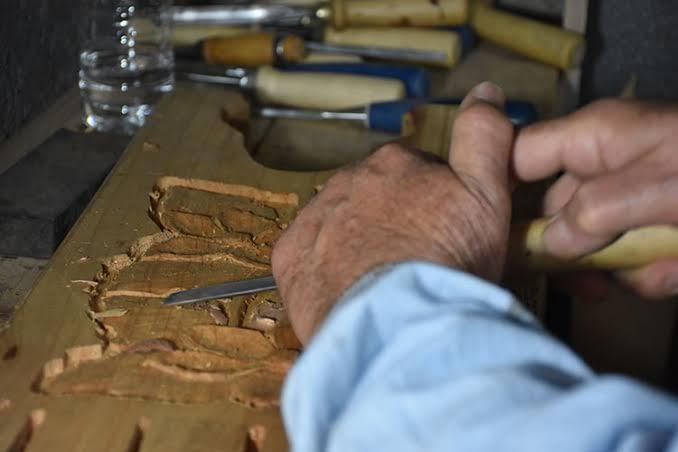
Wood carving - carving process
The Black Sea Region’s rich forest resources have encouraged the use of wood, fostering the development of woodworking. During the Ottoman period and earlier eras, wood carving was frequently used in the decoration of houses, mosques, mansions and bridges. Traditional Black Sea houses offer the finest examples of woodworking in both exterior facades and interior spaces. In the 19th and 20th centuries, handcrafted chests, spoons, door carvings and ceiling decorations attracted particular attention.
The most commonly used types of wood in Black Sea woodworking include cherry, boxwood, linden, chestnut, walnut, hazelnut, hornbeam, plum and apple. These woods are preferred for their durability and workability. The basic tools used in wood carving are ox yoke (vezer), chisel (muşta), hammer, spatula (kürek), gouges (softeners), saw and sandpaper.
Carving: Creating patterns using fine lines on the surface.
Relief Carving: Removing parts of the wood to give the design a three-dimensional form.
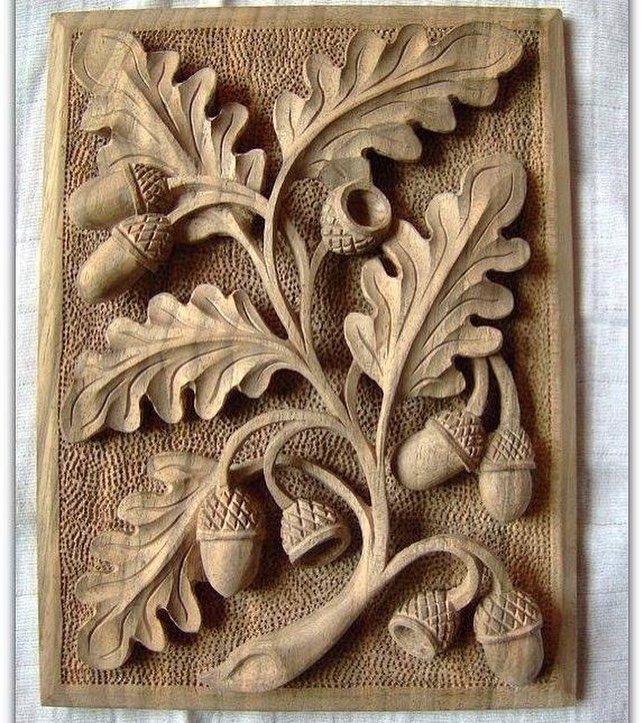
Relief carving - relief
Lattice Carving: Crafting the wood like lace to create perforated motifs.
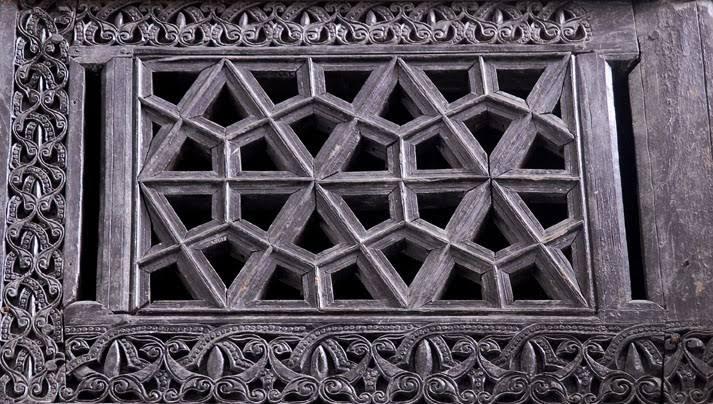
Lattice carving - Wood Art in the Anatolian Seljuk and Beylik Periods
The motifs used in wood carving consist of traditional and symbolic elements unique to Black Sea culture.
Tulip and rose motifs: Reflect respect for nature.
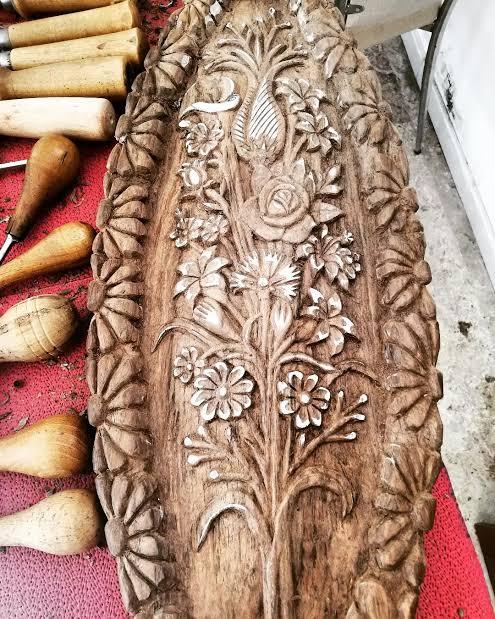
Tulip and rose motifs - tulip and rose motif wood carving
Tree of Life: Symbolizes abundance and the cycle of life.
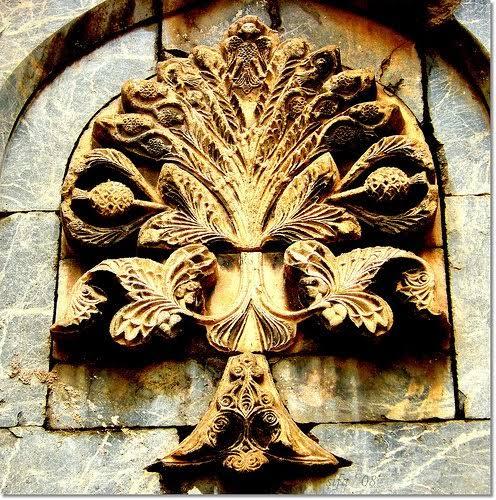
Tree of Life - motif
Geometric patterns: An integral part of traditional Anadolu decorative art.
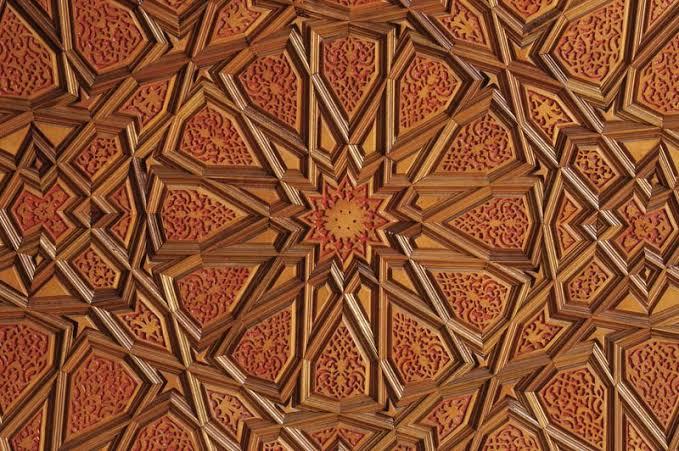
Geometric patterns - Woodworking in Turkish wood art
In the Black Sea Region, wood carving is evident both in everyday household items and in architectural structures.
Everyday items: Pull-out tables, stools, spoons, boats, beehives, winnowing baskets, ladles, mortars, cradles, chests and trunks. Especially spoons made from boxwood are long-lasting.
Architectural decorations: Traditional Black Sea houses and mosques are among the most important applications of wood carving. The Hüseyin Hoca Köyü Sahil Camii in Rize is constructed entirely of wood and is one of the finest examples of carving and craftsmanship.

Hüseyin Hoca Köyü Sahil Camii - Turkey Culture Portal
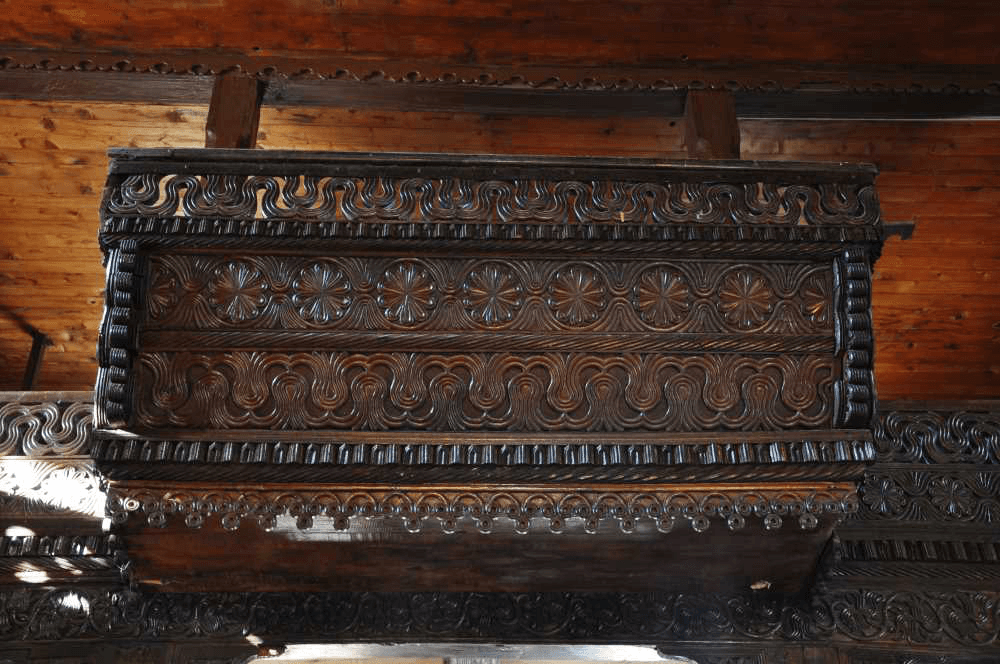
Hüseyin Hoca Köyü Sahil Camii - Turkey Culture Portal
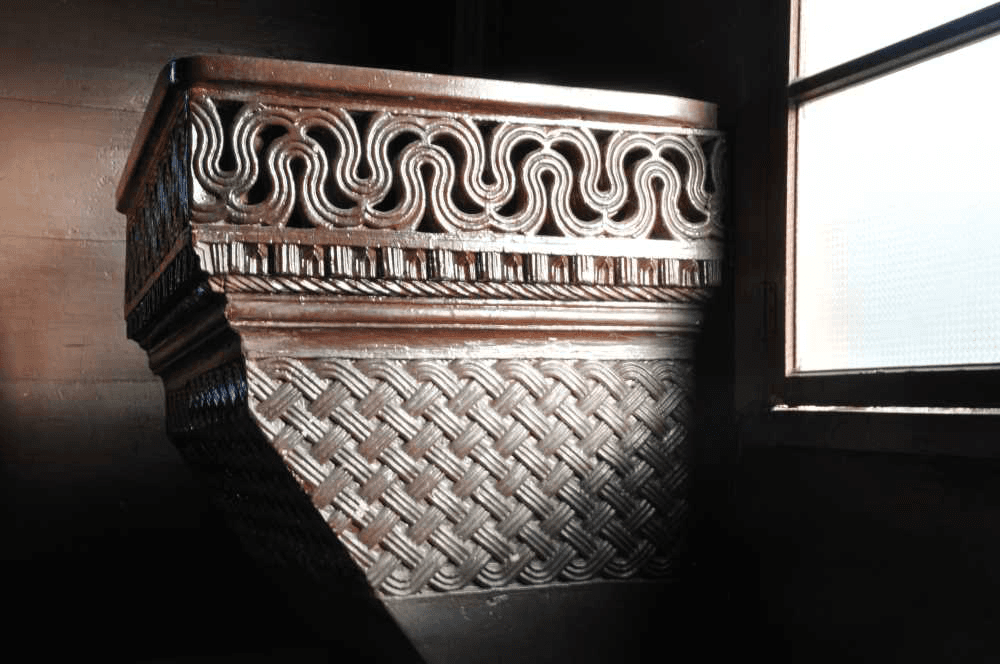
Hüseyin Hoca Köyü Sahil Camii - Turkey Culture Portal
Although traditional wood carving has declined due to technological advances and mass production, interest in handicrafts has revived the art in some areas. In the Köprübaşı district of Trabzon, cooperative initiatives are underway to promote and develop wood carving.
Additionally, in tourist areas, wooden souvenirs and the use of traditional motifs by contemporary designers in modern furniture and décor have given this art form renewed popularity.
Wood carving in the Black Sea Region is the artistic expression of a way of life deeply intertwined with nature. This art, used throughout history in fields ranging from architecture to daily life, continues to thrive today through the fusion of traditional techniques with modern designs. Wood carving remains both a cultural heritage and a field where artisans display their mastery.
Doka.org.tr. "Ahşap İşlemeciliği Kooperatifleşme ile Güçlenecek."
Fikriyat.com. “Karadeniz’in Görmeniz Gereken Ahşap Camileri.” Accessed February 11, 2025.Accessed Bağlantısı.
Karadeniz.gov.tr. "El Sanatları." Accessed February 11, 2025.Accessed Bağlantısı.

No Discussion Added Yet
Start discussion for "Wood Carving in the Black Sea Region" article
History
Materials and Techniques Used
Basic Techniques
Motifs and Decorative Elements
Applications of Wood Carving
Wood Carving Today